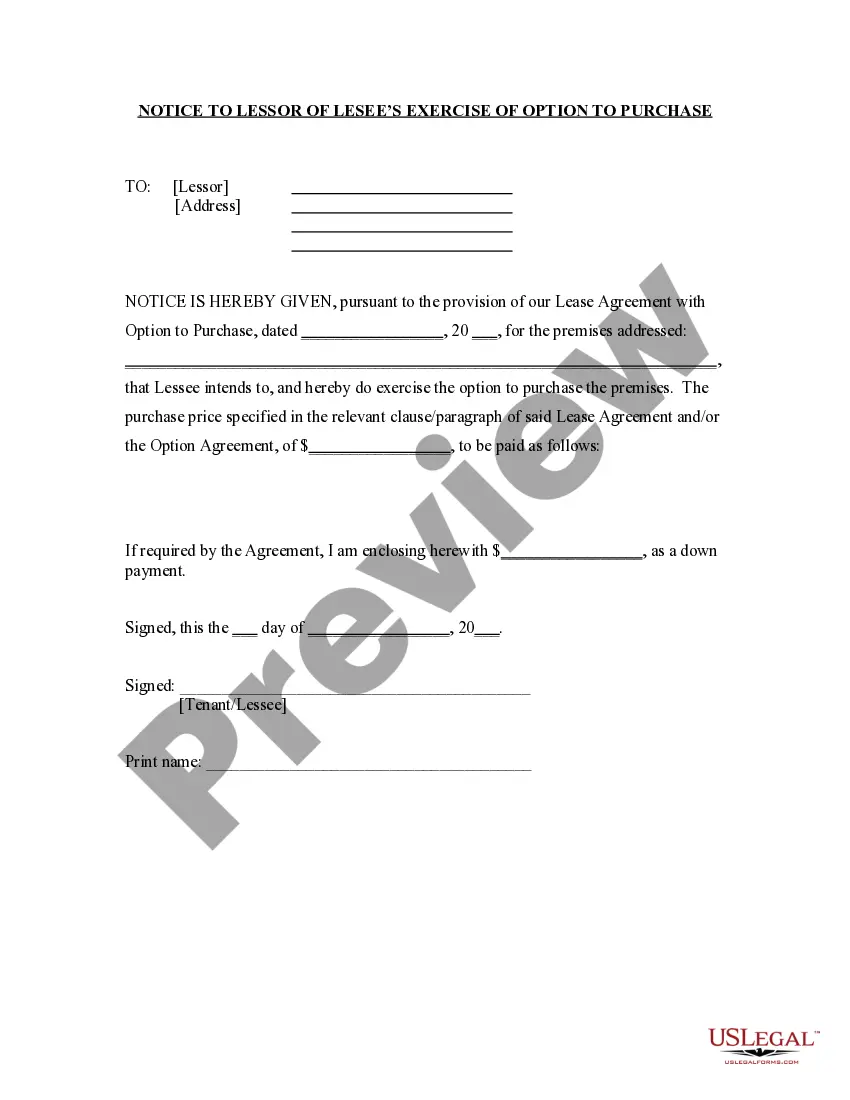
Management Option Purchase For A Dedicated Fan Nyt In Maryland
Description

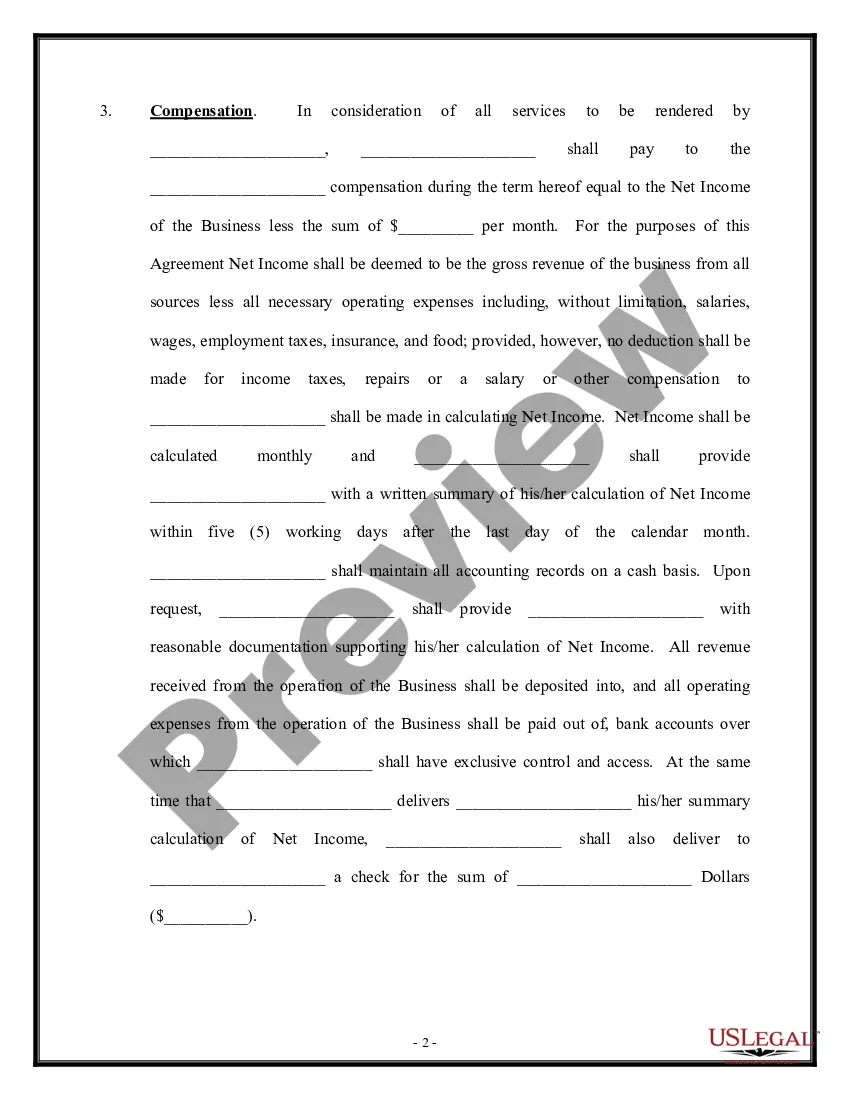
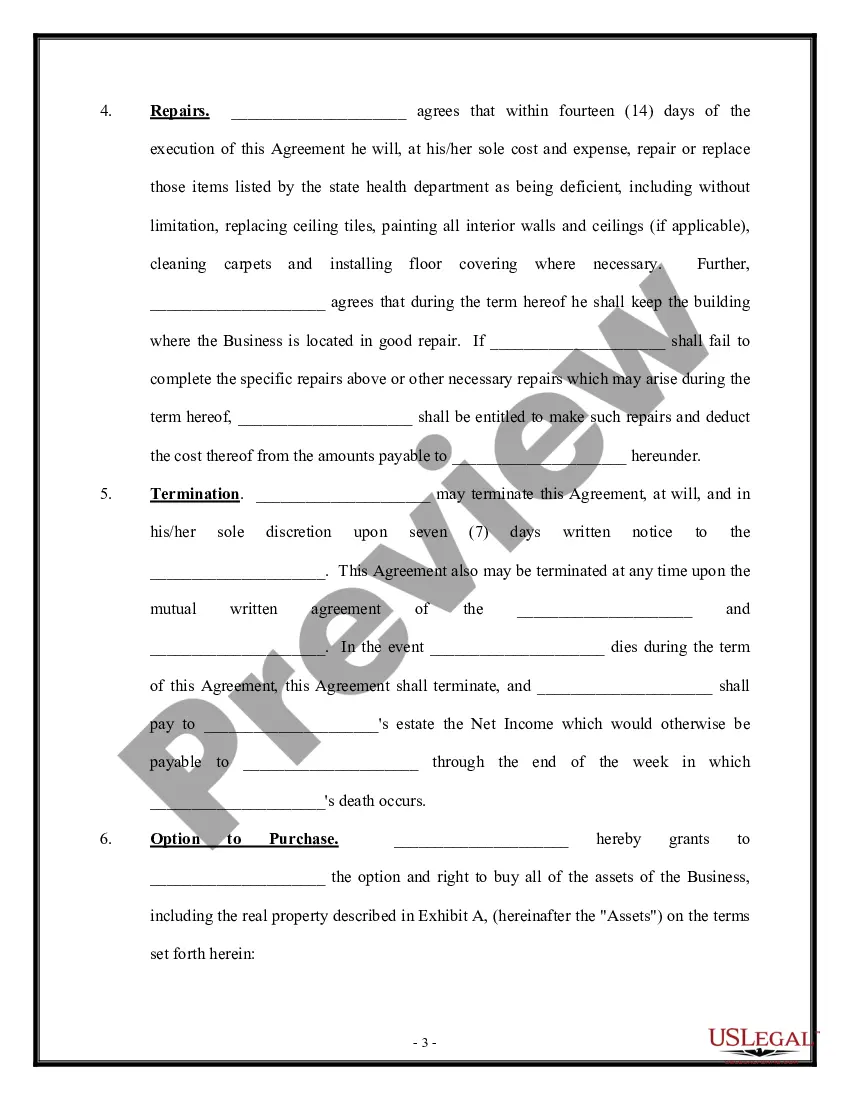
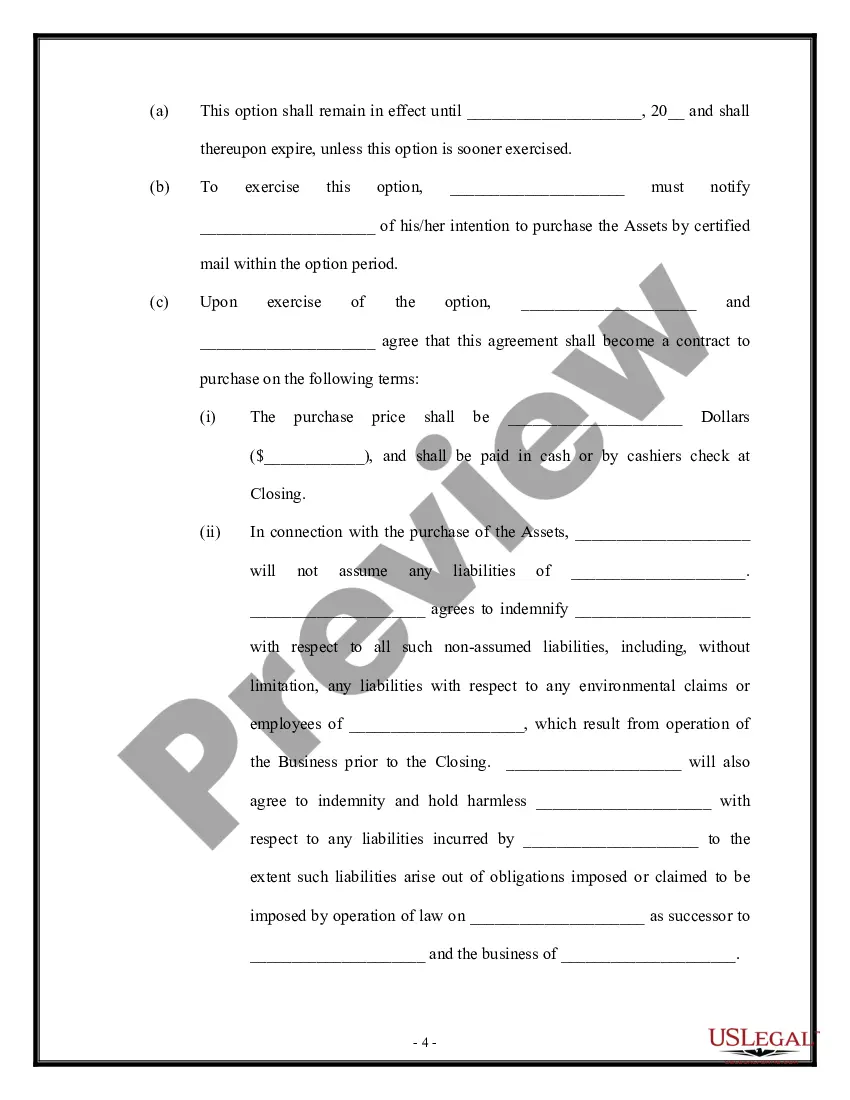
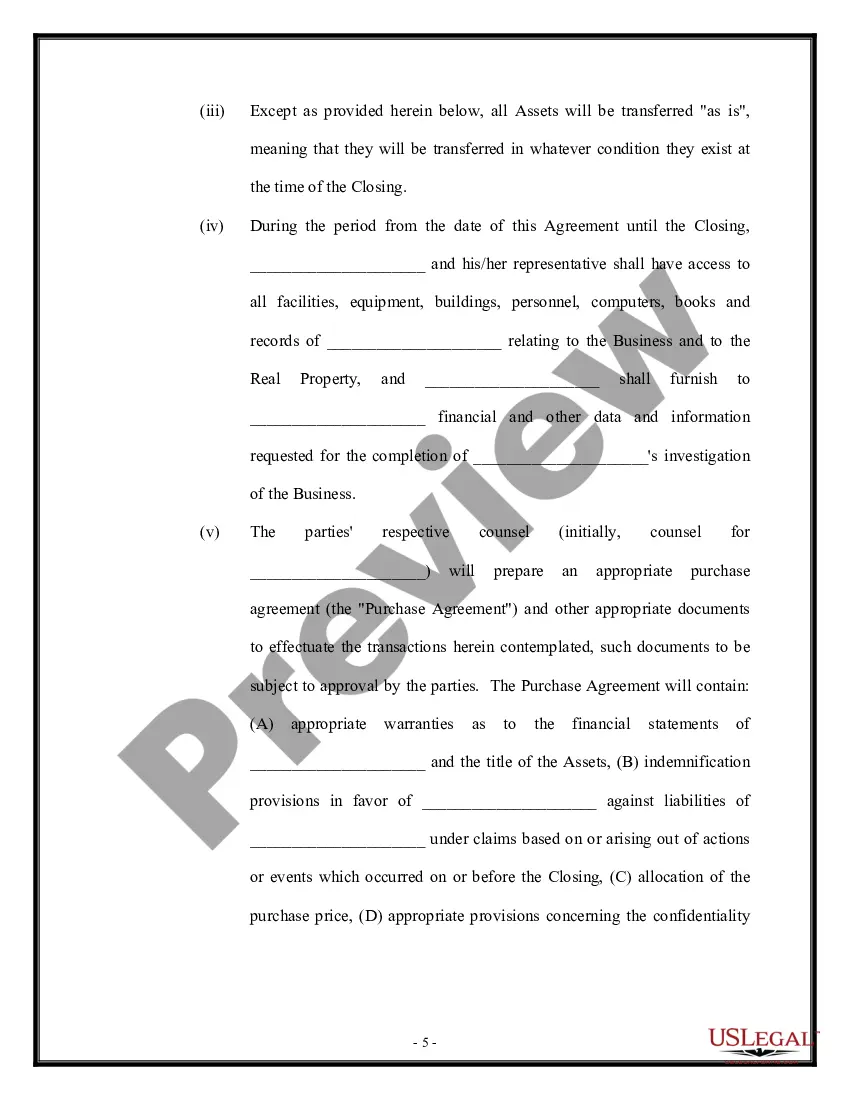
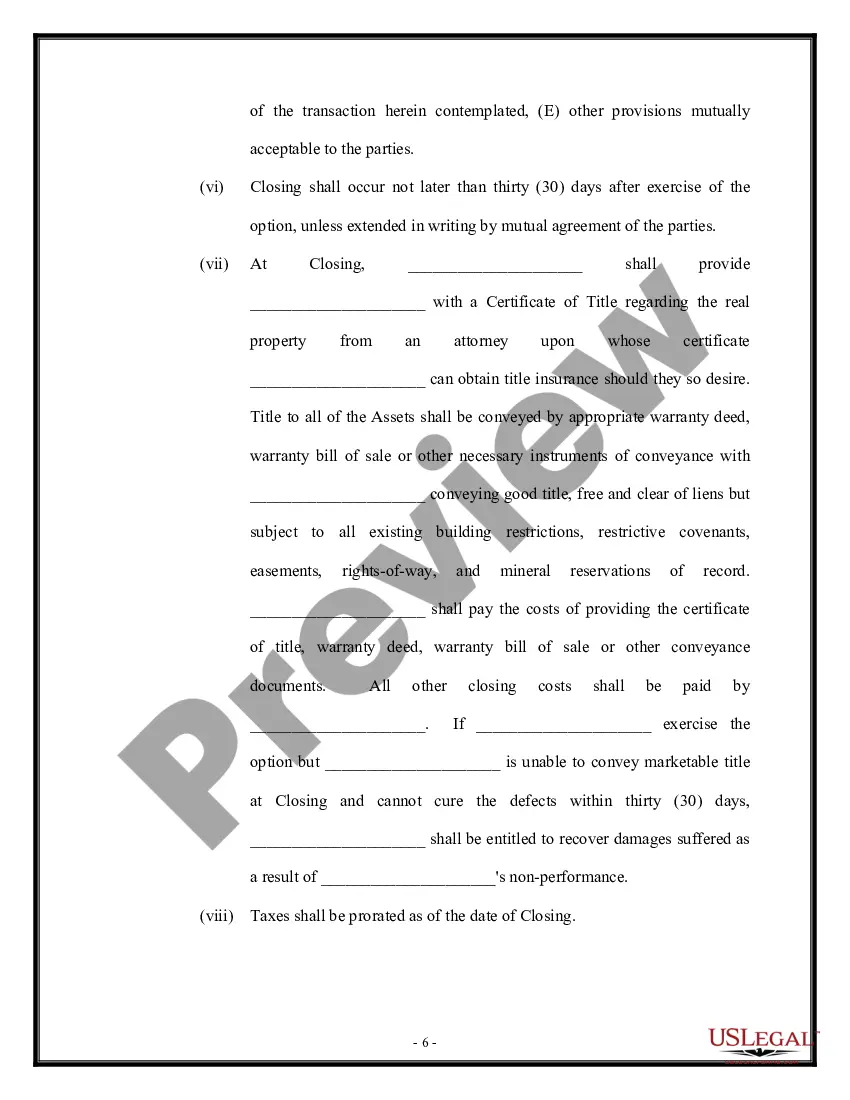
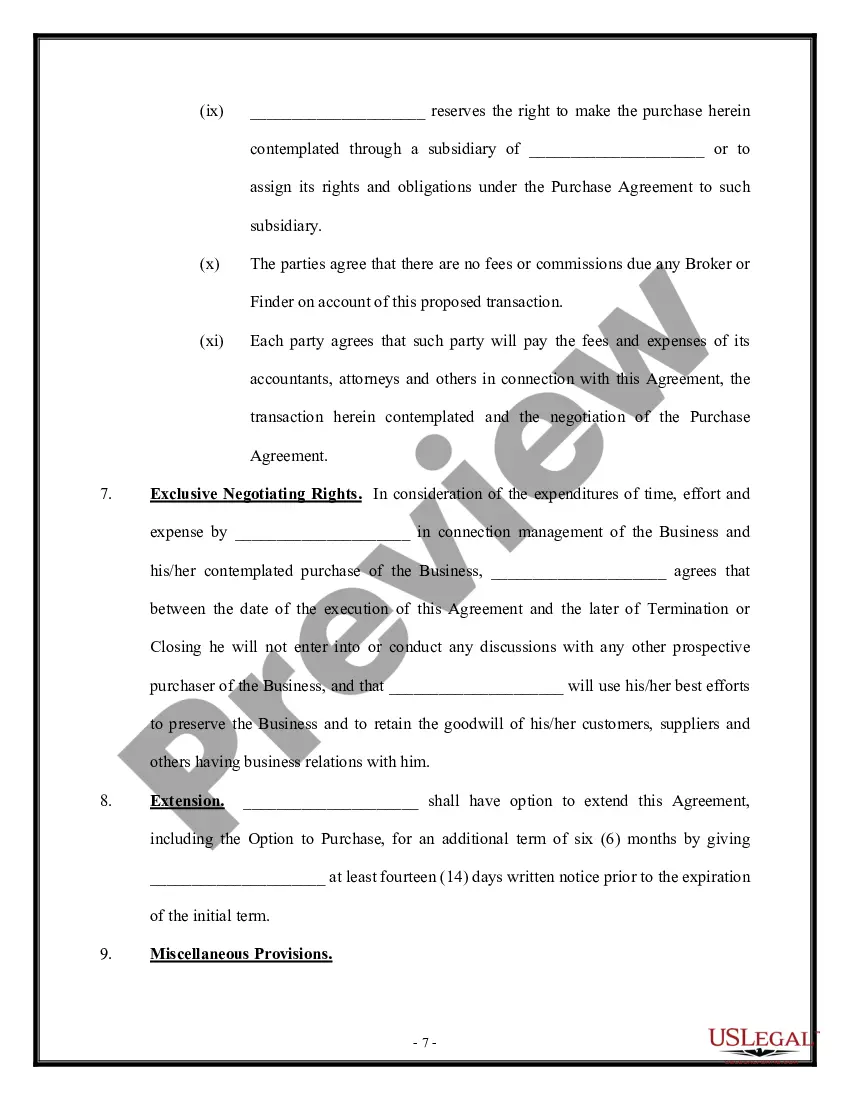
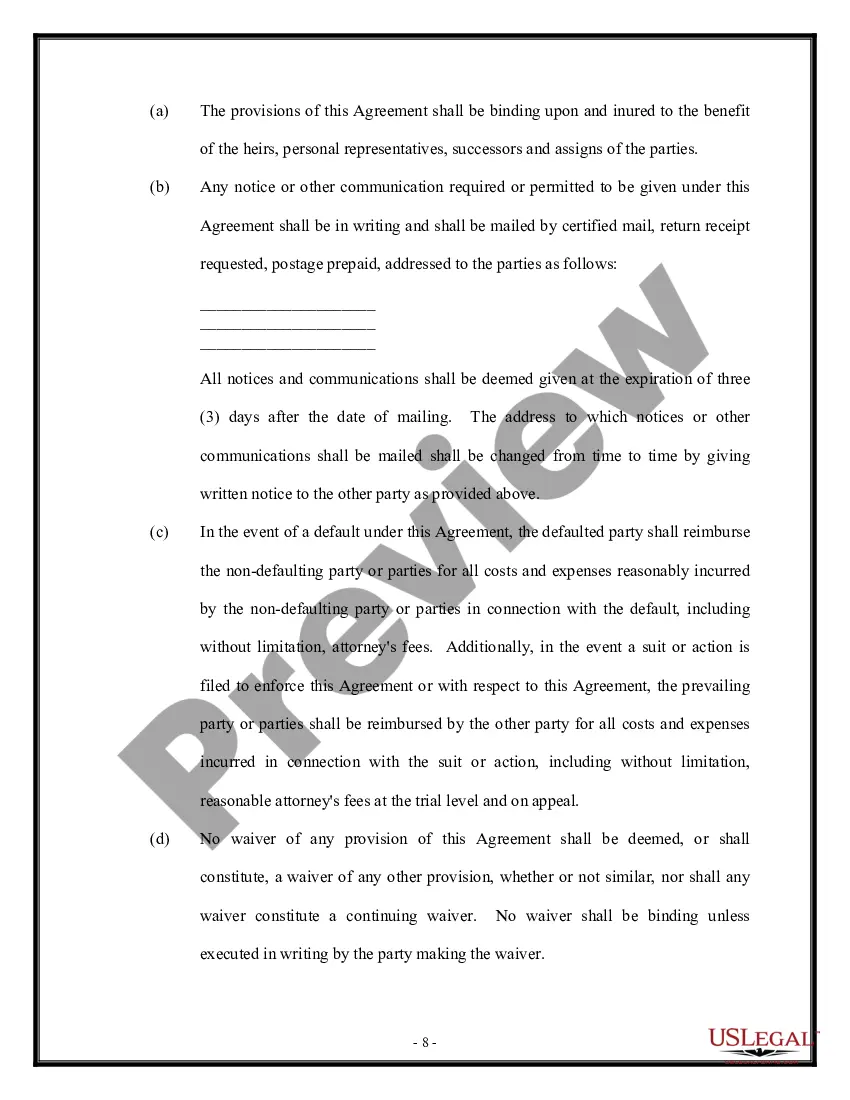
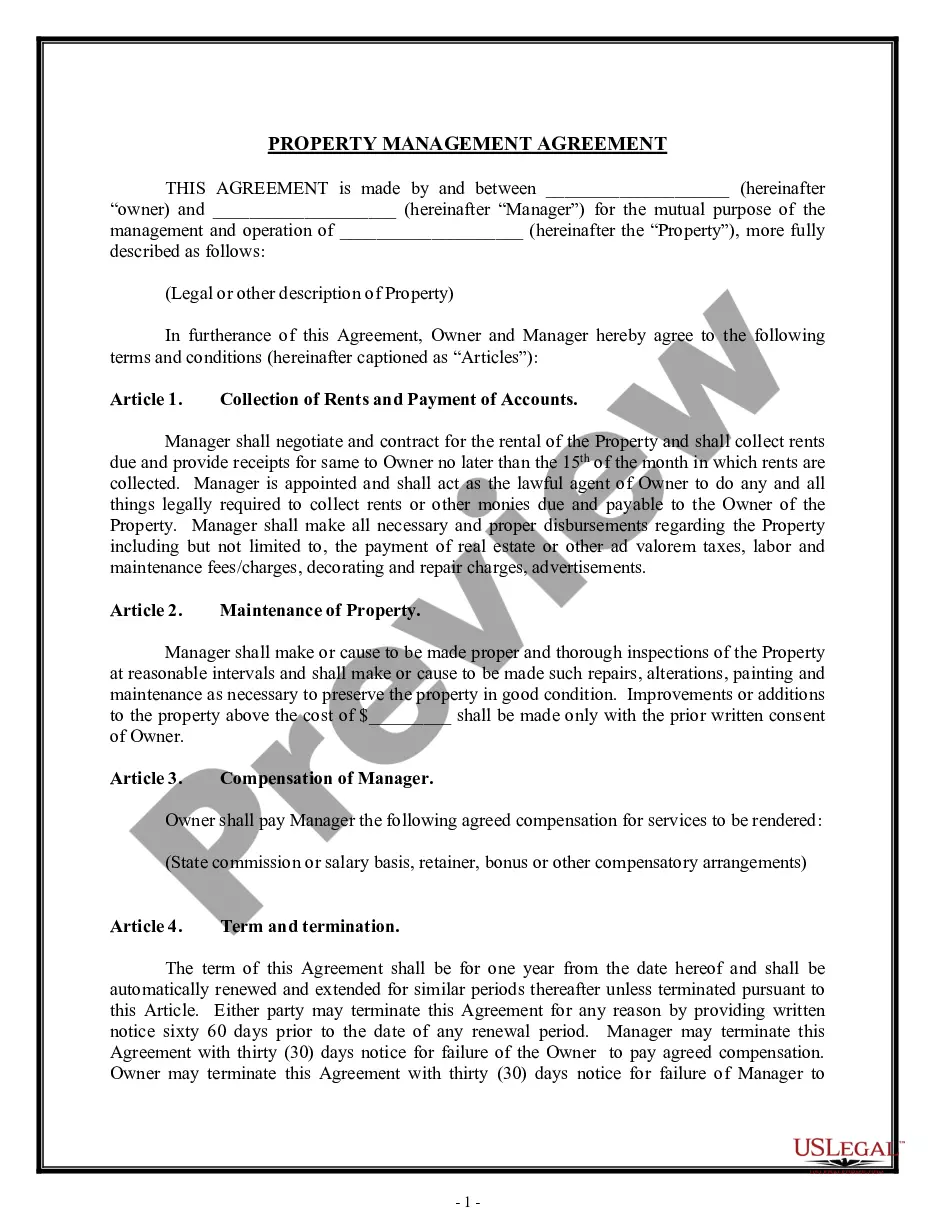
Get your form ready online
Our built-in tools help you complete, sign, share, and store your documents in one place.
Make edits, fill in missing information, and update formatting in US Legal Forms—just like you would in MS Word.
Download a copy, print it, send it by email, or mail it via USPS—whatever works best for your next step.
Sign and collect signatures with our SignNow integration. Send to multiple recipients, set reminders, and more. Go Premium to unlock E-Sign.
If this form requires notarization, complete it online through a secure video call—no need to meet a notary in person or wait for an appointment.
We protect your documents and personal data by following strict security and privacy standards.

Make edits, fill in missing information, and update formatting in US Legal Forms—just like you would in MS Word.

Download a copy, print it, send it by email, or mail it via USPS—whatever works best for your next step.

Sign and collect signatures with our SignNow integration. Send to multiple recipients, set reminders, and more. Go Premium to unlock E-Sign.

If this form requires notarization, complete it online through a secure video call—no need to meet a notary in person or wait for an appointment.

We protect your documents and personal data by following strict security and privacy standards.
Looking for another form?






Form popularity
FAQ
U.S. Department of Justice (DOJ) The DOJ issues, enforces and provides technical assistance on the ADA regulations governing public accommodations and state and local government services.
Different titles set out the requirements for different kinds of organizations. For example, Title I of the ADA covers requirements for employers, and Title II covers requirements for state and local governments.
ADA TITLE II Title II requires that State and local governments give people with disabilities an equal opportunity to benefit from all of their programs, services and activities (e.g. public educations, employment, transportation, recreation, health care, social services, courts, voting, and town meetings).
Title II applies to State and local government entities, and, in subtitle A, protects qualified individuals with disabilities from discrimination on the basis of disability in services, programs, and activities provided by State and local government entities.
Title II of the ADA requires state/local governments to give people with disabilities an equal opportunity to benefit from all of their programs, services, and activities.