One Time Showing Form With 2 Points In Kings
Description
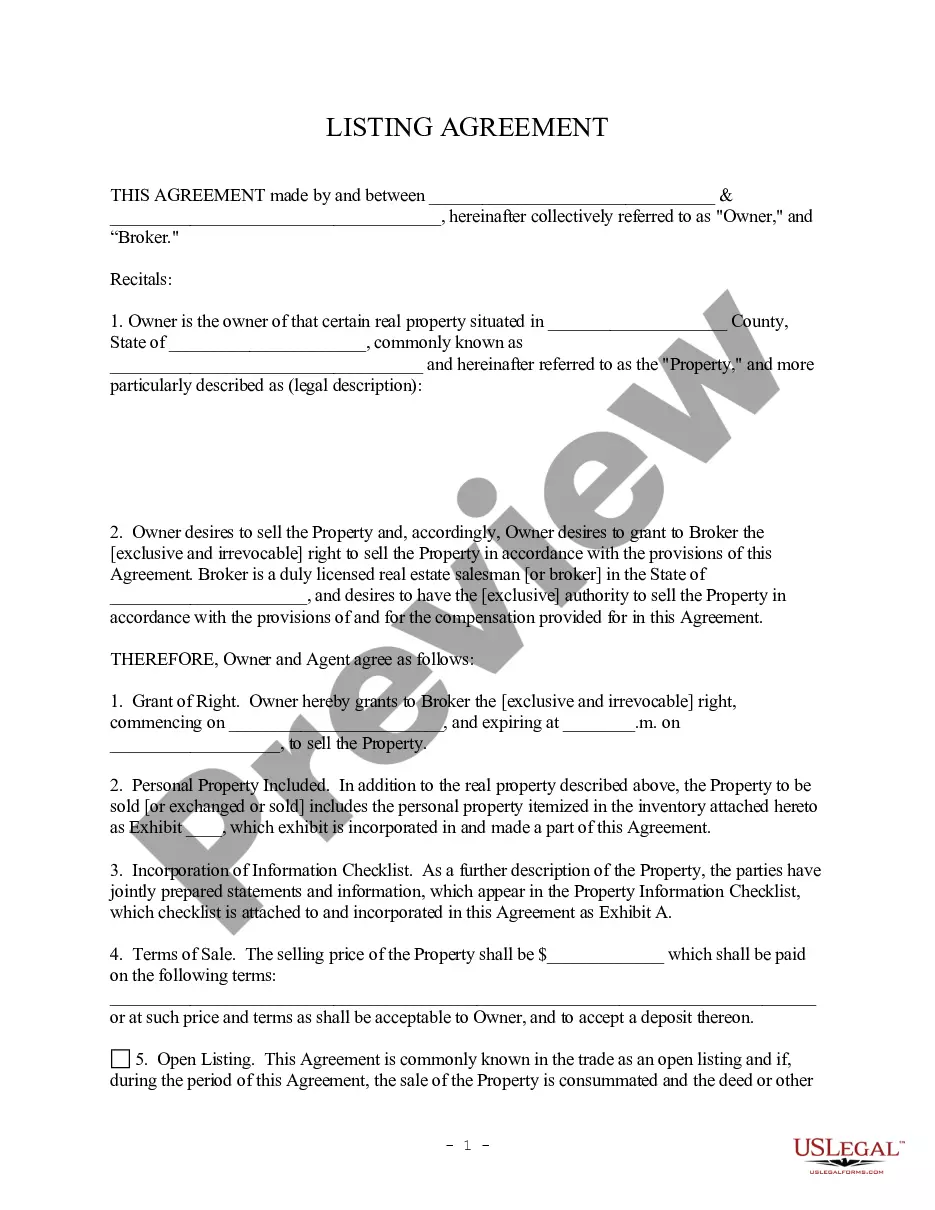
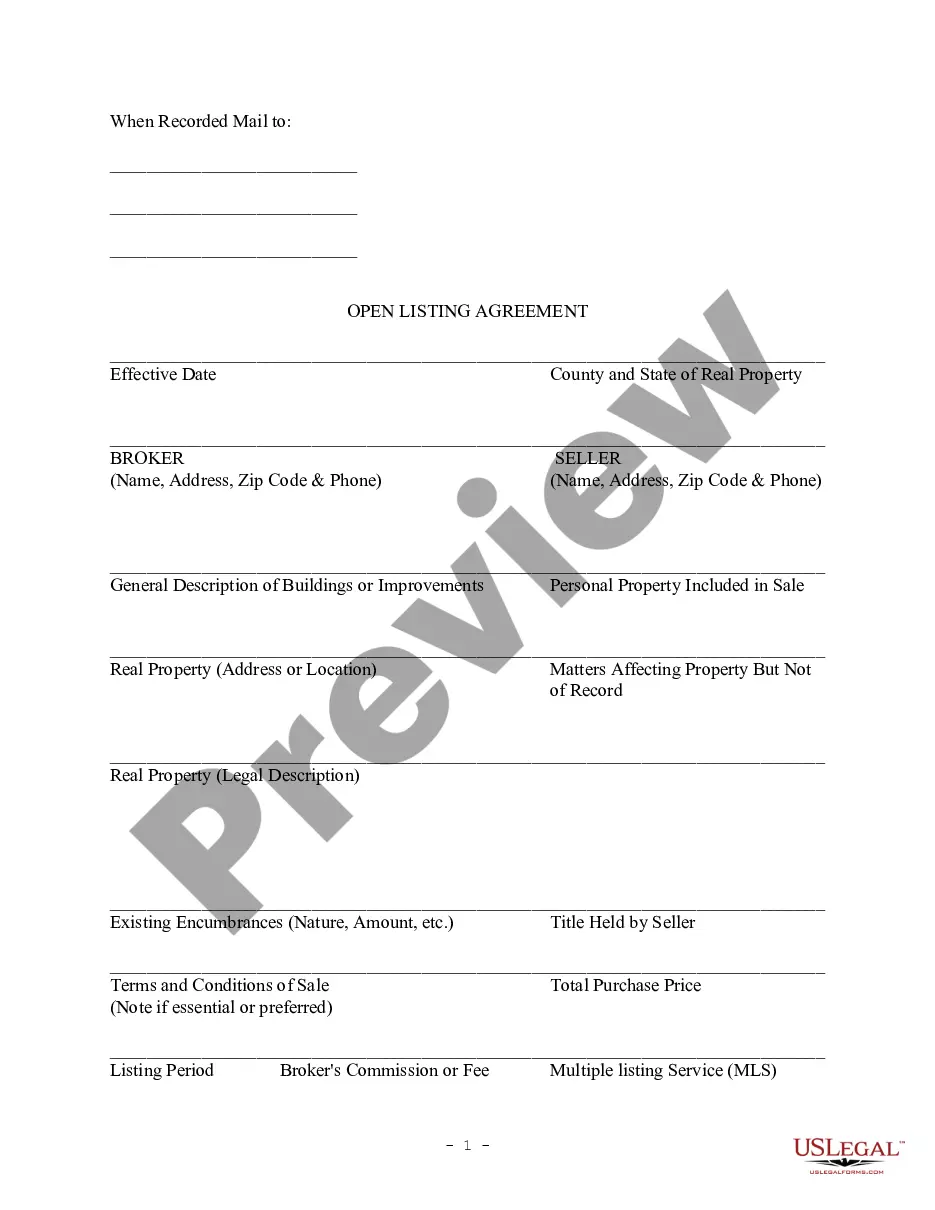

Get your form ready online
Our built-in tools help you complete, sign, share, and store your documents in one place.
Make edits, fill in missing information, and update formatting in US Legal Forms—just like you would in MS Word.
Download a copy, print it, send it by email, or mail it via USPS—whatever works best for your next step.
Sign and collect signatures with our SignNow integration. Send to multiple recipients, set reminders, and more. Go Premium to unlock E-Sign.
If this form requires notarization, complete it online through a secure video call—no need to meet a notary in person or wait for an appointment.
We protect your documents and personal data by following strict security and privacy standards.

Make edits, fill in missing information, and update formatting in US Legal Forms—just like you would in MS Word.

Download a copy, print it, send it by email, or mail it via USPS—whatever works best for your next step.

Sign and collect signatures with our SignNow integration. Send to multiple recipients, set reminders, and more. Go Premium to unlock E-Sign.

If this form requires notarization, complete it online through a secure video call—no need to meet a notary in person or wait for an appointment.

We protect your documents and personal data by following strict security and privacy standards.
Looking for another form?









Form popularity
FAQ
So again I plug all of that information in and then I solve for Z. So Y is 6 B1 is three Z isMoreSo again I plug all of that information in and then I solve for Z. So Y is 6 B1 is three Z is unknown. And T is 1. So then it's 6 = 3 + z. I subtract three from both sides. 3 is equal to Z.
And again just to be clear if we had to find the vector. Sr. We would just reverse these and weMoreAnd again just to be clear if we had to find the vector. Sr. We would just reverse these and we would do 1 minus 3 and 2 - 5 and we would get -2 -3 which would be the exact same slope.
The vector equation of a line passing through two points with the position vector →a a → , and →b b → is →r=→a+λ(→b−→a) r → = a → + λ ( b → − a → ) .
You cannot order by email. We recommend ordering online through VitalChek, which is the fastest way to receive your certificate. You may apply for a New York City birth certificate if: You were born in New York City.
Line Segments The line segment from a point ã to a point ~b can be parameterized as follows: x(t) = ã + t(~b -ã). Note that x(0) = ã and x(1) =~b. This formula can also be written x(t) = (1 - t)ã + t~b.
To find the parametric equations of a line passing through two points, you first need to identify the coordinates of those points. Let's call these points A(x1, y1, z1) and B(x2, y2, z2). The parametric equations of the line can be expressed as: x = x1 + t(x2 - x1)
If you know two points on the line, you can find its direction. The parametrization of a line is r(t) = u + tv, where u is a point on the line and v is a vector parallel to the line. There are lots of possible such vectors u and v. To find one such vector v, find the difference between any two points on the line.
To find a parametrization, we need to find two vectors parallel to the plane and a point on the plane. Finding a point on the plane is easy. We can choose any value for x and y and calculate z from the equation for the plane. Let x=0 and y=0, then equation (1) means that z=18−x+2y3=18−0+2(0)3=6.

