Maintenance Agreement For Equipment In Wake
Description
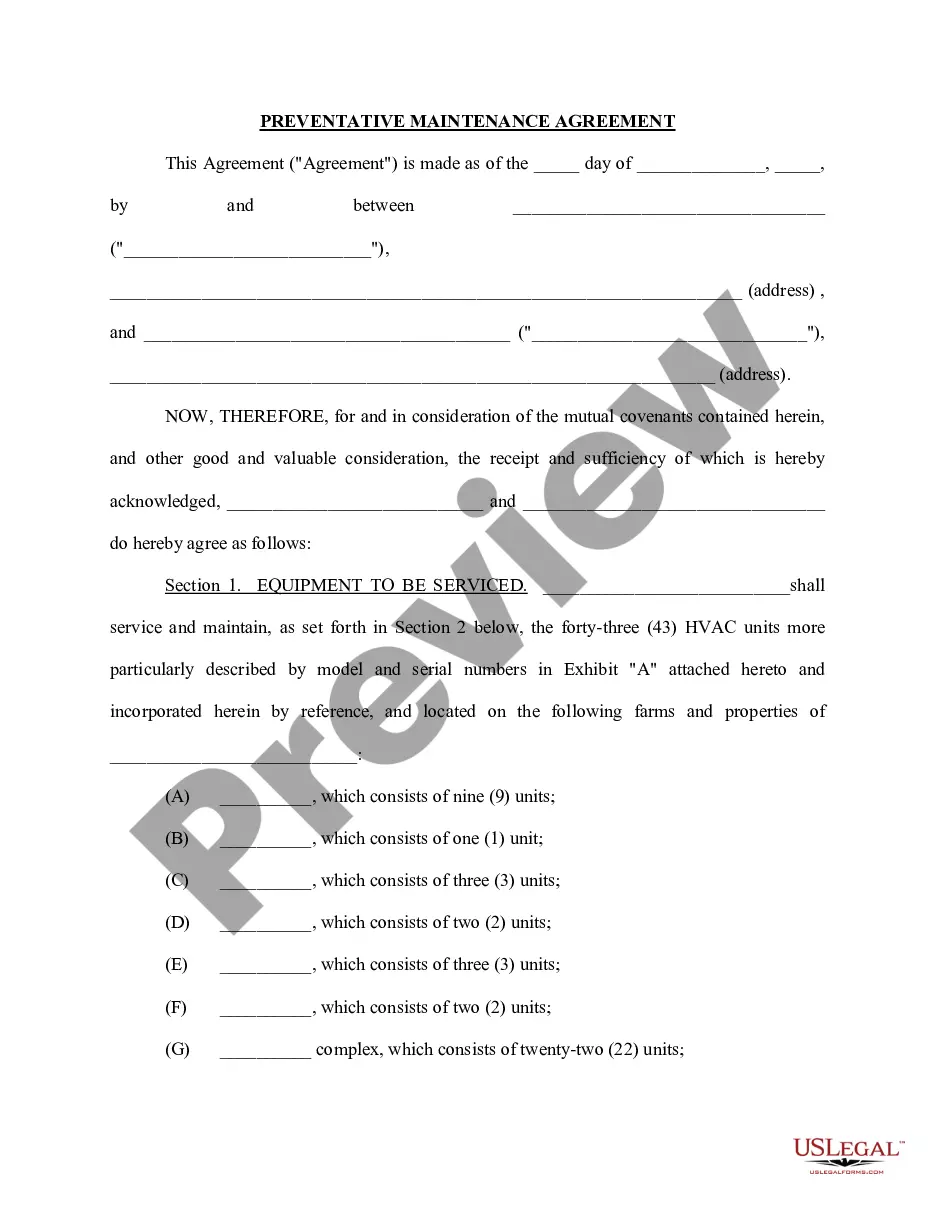
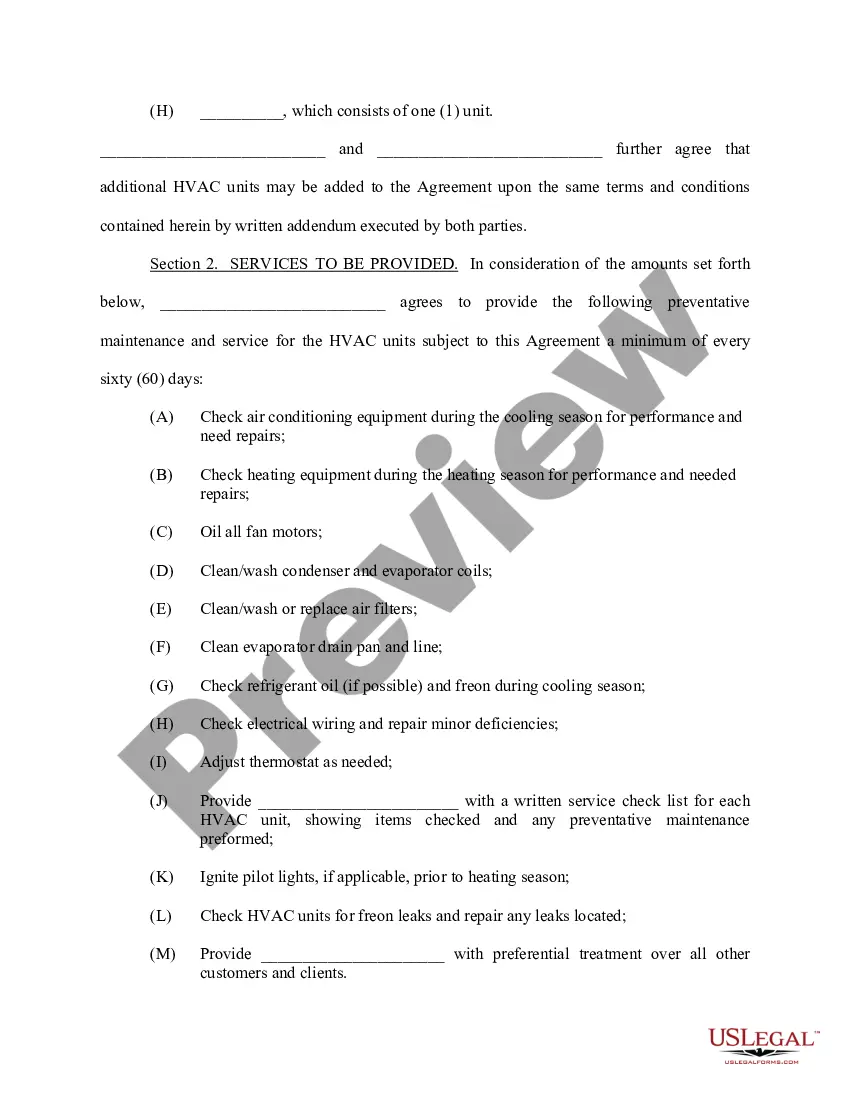
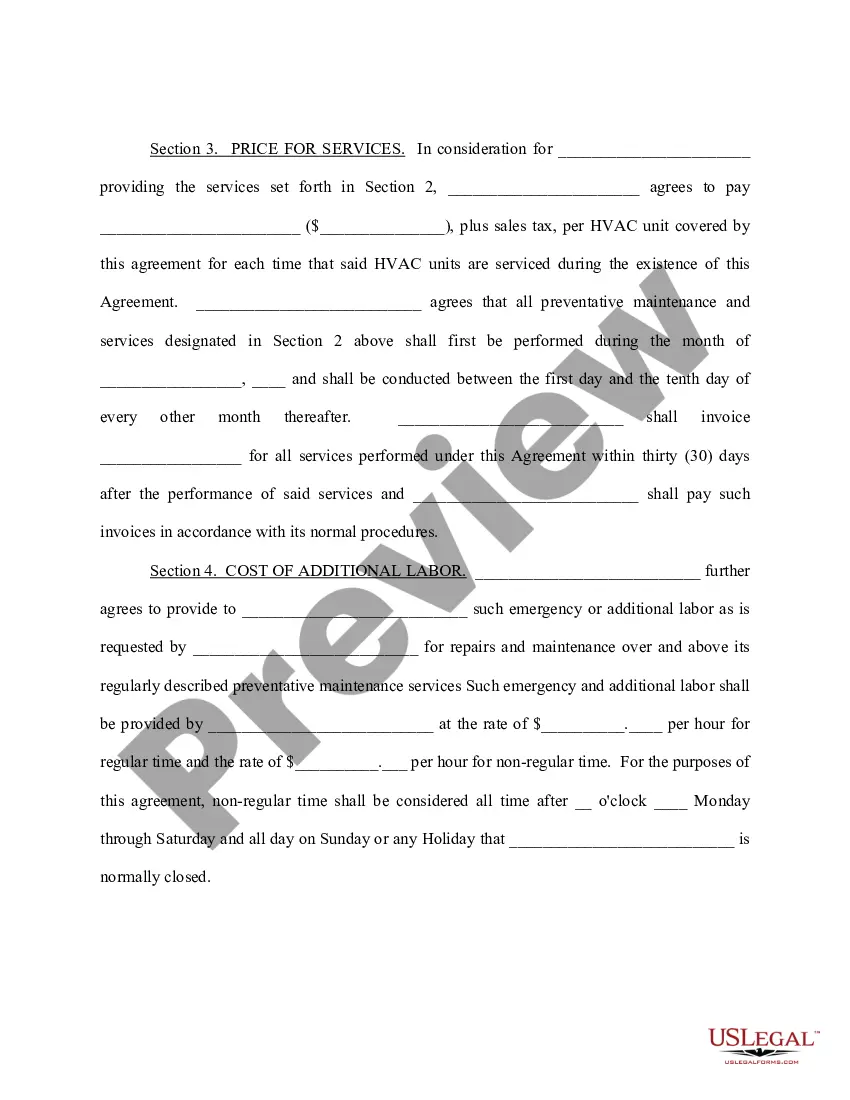
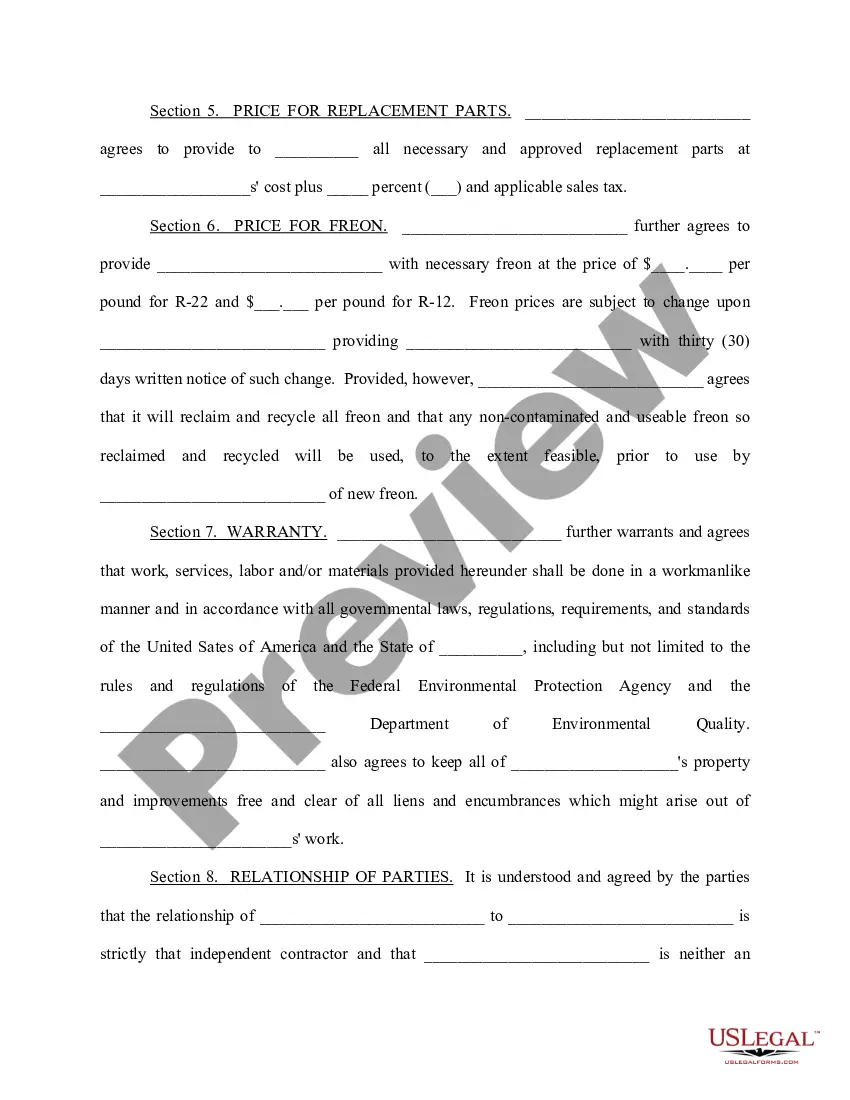
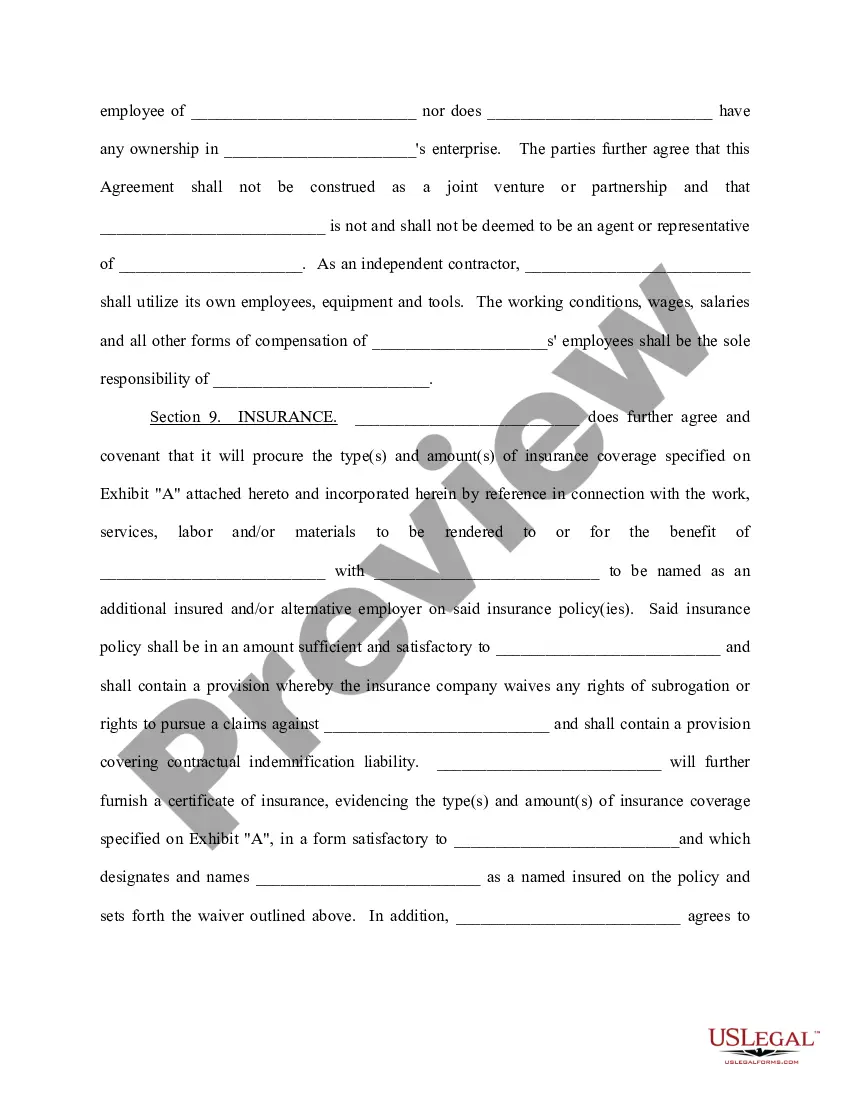
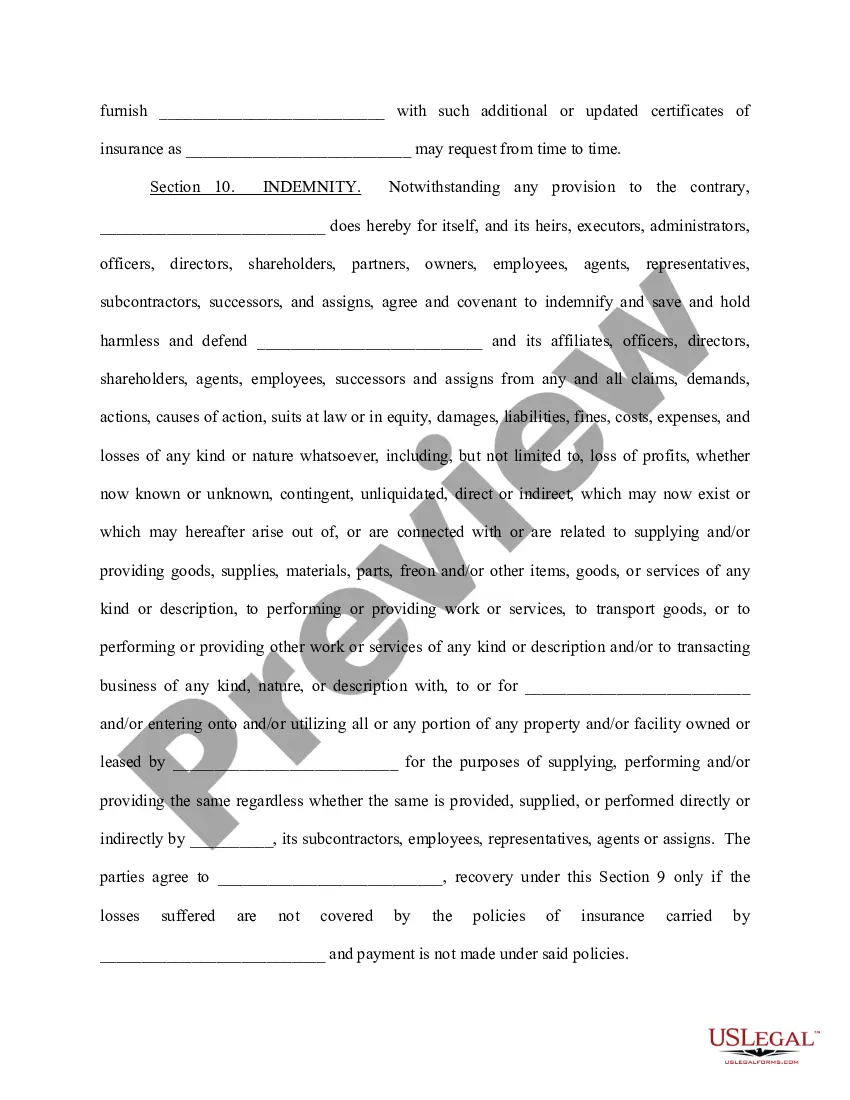
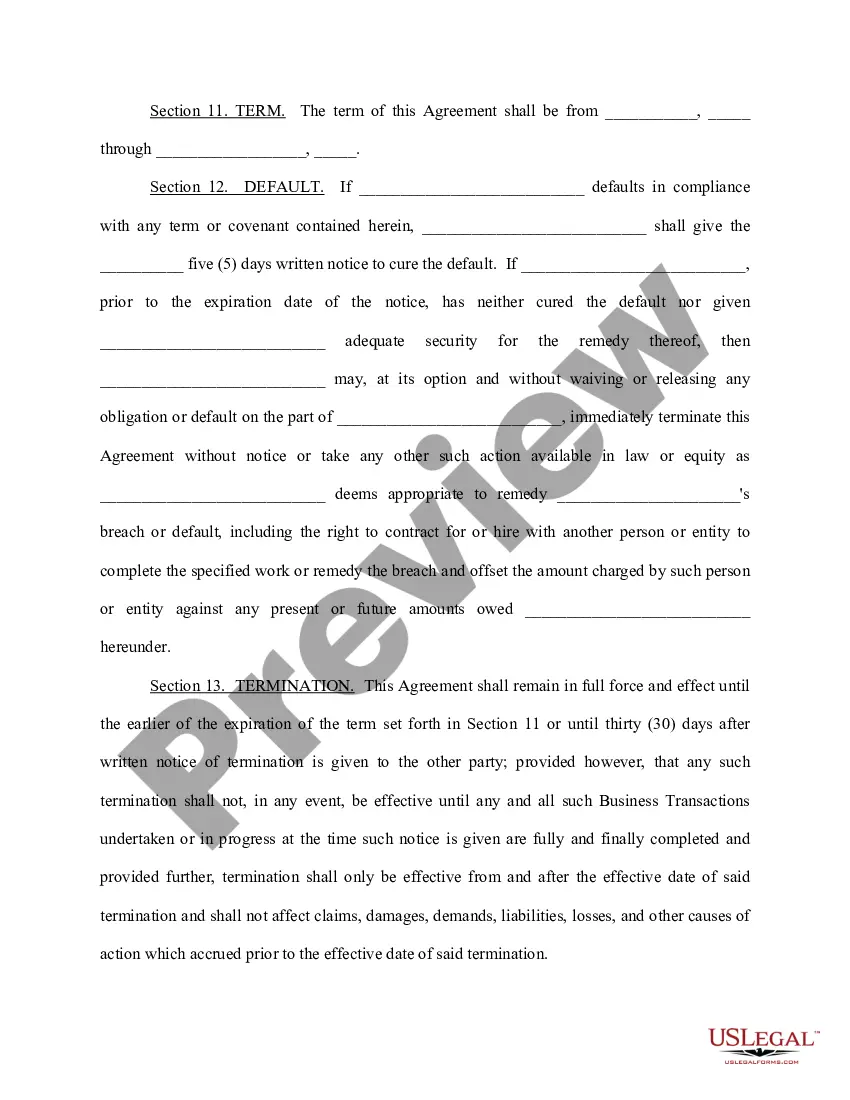
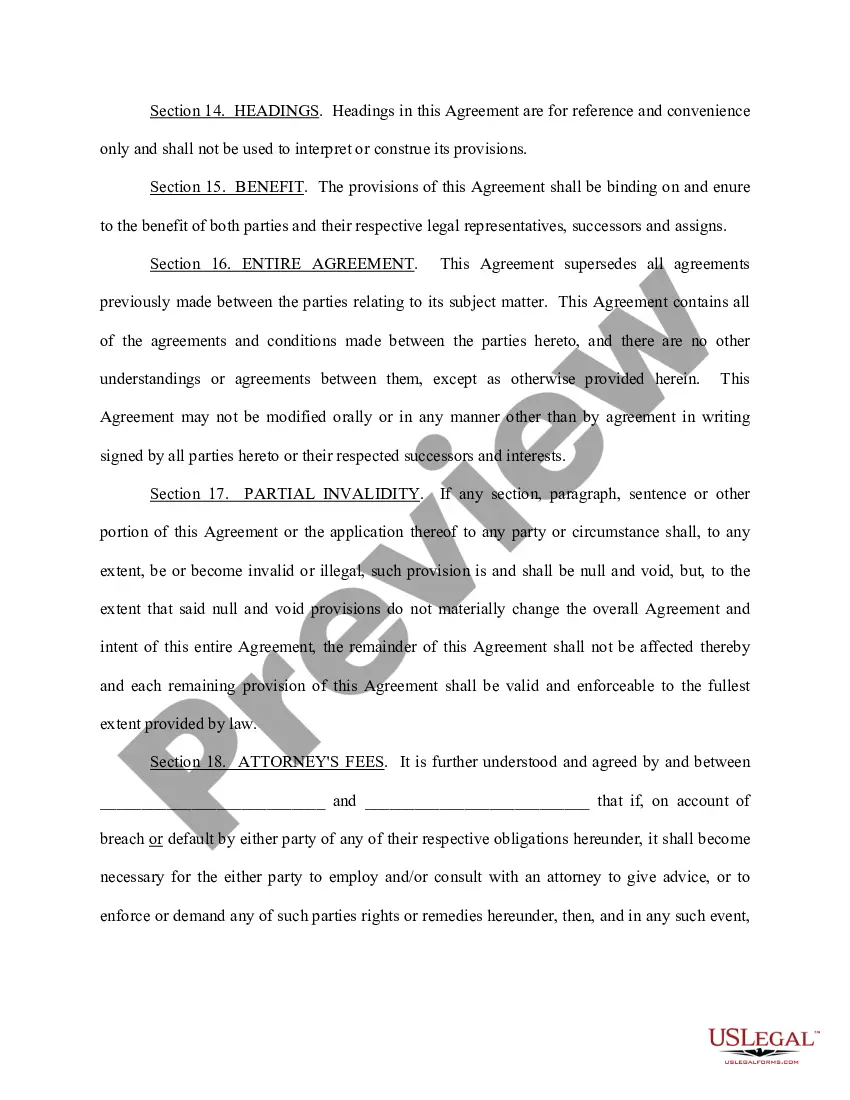
Get your form ready online
Our built-in tools help you complete, sign, share, and store your documents in one place.
Make edits, fill in missing information, and update formatting in US Legal Forms—just like you would in MS Word.
Download a copy, print it, send it by email, or mail it via USPS—whatever works best for your next step.
Sign and collect signatures with our SignNow integration. Send to multiple recipients, set reminders, and more. Go Premium to unlock E-Sign.
If this form requires notarization, complete it online through a secure video call—no need to meet a notary in person or wait for an appointment.
We protect your documents and personal data by following strict security and privacy standards.

Make edits, fill in missing information, and update formatting in US Legal Forms—just like you would in MS Word.

Download a copy, print it, send it by email, or mail it via USPS—whatever works best for your next step.

Sign and collect signatures with our SignNow integration. Send to multiple recipients, set reminders, and more. Go Premium to unlock E-Sign.

If this form requires notarization, complete it online through a secure video call—no need to meet a notary in person or wait for an appointment.

We protect your documents and personal data by following strict security and privacy standards.
Looking for another form?





Form popularity
FAQ
10 steps for creating and implementing a maintenance plan Step 1: Conduct an asset inventory. Step 2: Perform a criticality assessment. Step 3: Define your Key Performance Indicators (KPIs) ... Step 4: Identify essential maintenance tasks. Step 5: Establish metrics for task scheduling.
Steps to creating an effective maintenance plan Detail the work that you'll need to do on each asset. Schedule the work – Use a dating frequency, running hours, or measures that will provide insight into the condition of an asset. Add workers or contractors – including the estimated working hours. Add spare parts.
Here are 6 essential steps you can follow: Make a list of all your machines and equipment. Classify them ing to their level of criticality. Define a plan for each category of machines. Consult manufacturer information. Define when, who, and what will be necessary to make it work. Manage your maintenance plan.
An Employee Equipment Agreement is a formal document that establishes clear expectations for both the company and its employees regarding company-issued equipment. This agreement serves a critical purpose in safeguarding the company's assets while ensuring IT compliance throughout the employee's employment.
Steps to creating an effective maintenance plan Detail the work that you'll need to do on each asset. Schedule the work – Use a dating frequency, running hours, or measures that will provide insight into the condition of an asset. Add workers or contractors – including the estimated working hours. Add spare parts.
Maintenance Technicians: Maintenance technicians perform all kinds of maintenance tasks, including the inspection, servicing, and repair of assets. Maintenance Mechanics: Maintenance mechanics are responsible for the servicing of different types of machinery and mechanical equipment.
10 Steps to Create a Comprehensive Facility Maintenance Plan Step 1: Conduct a Facility Audit. Step 2: Define Maintenance Tasks. Step 3: Prioritize Maintenance Activities. Step 4: Schedule Maintenance Tasks. Step 5: Allocate Resources. Step 6: Implement the Plan. Step 7: Implement Health, Safety, and Environmental Protocols.
A maintenance agreement outlines the steps one party will undertake to insure the upkeep, repair, serviceability of another party's property. Maintenance contracts are commonly used by companies that take care of vehicle fleets, industrial equipment, office and apartment buildings, computer networks, etc.
Steps to creating an effective maintenance plan Detail the work that you'll need to do on each asset. Schedule the work – Use a dating frequency, running hours, or measures that will provide insight into the condition of an asset. Add workers or contractors – including the estimated working hours. Add spare parts.
