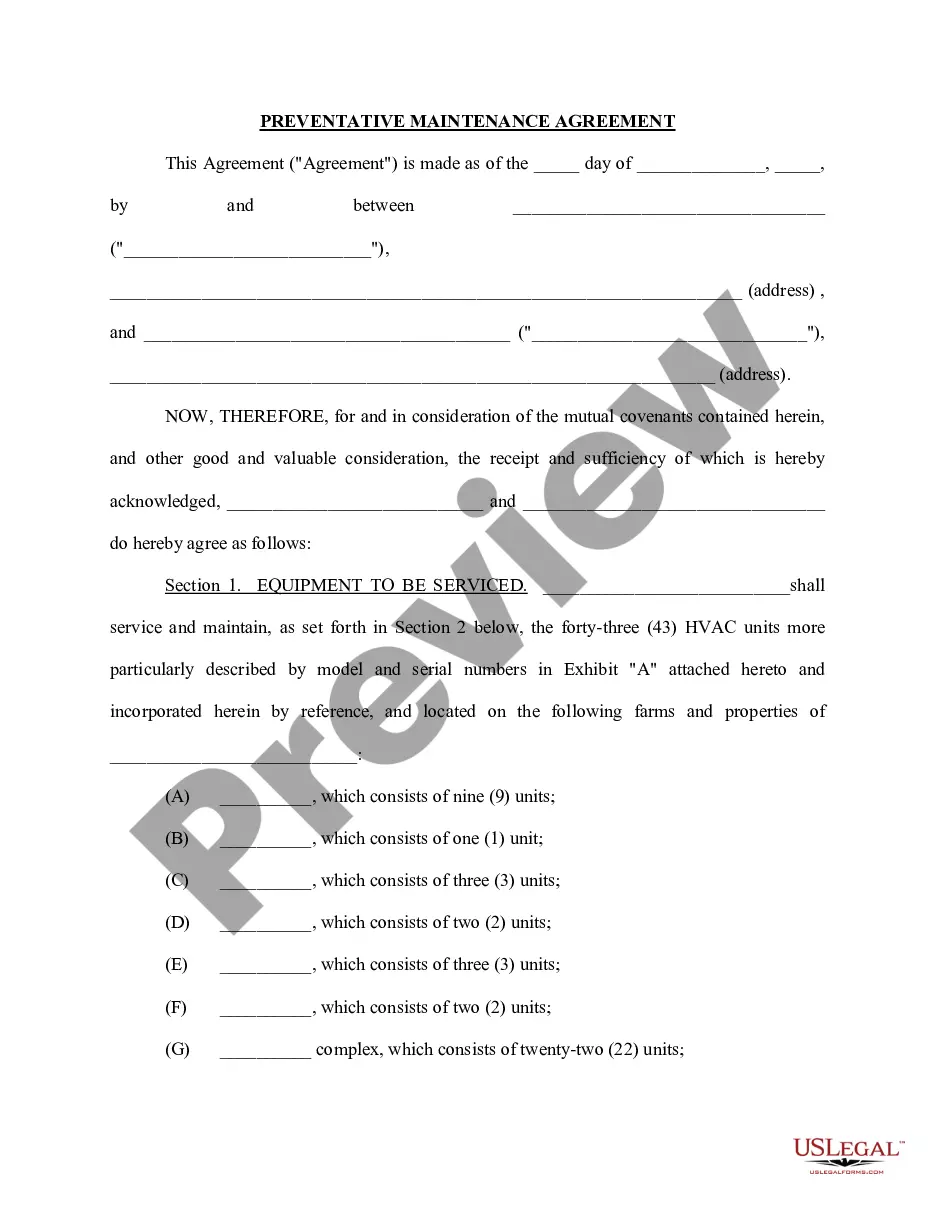
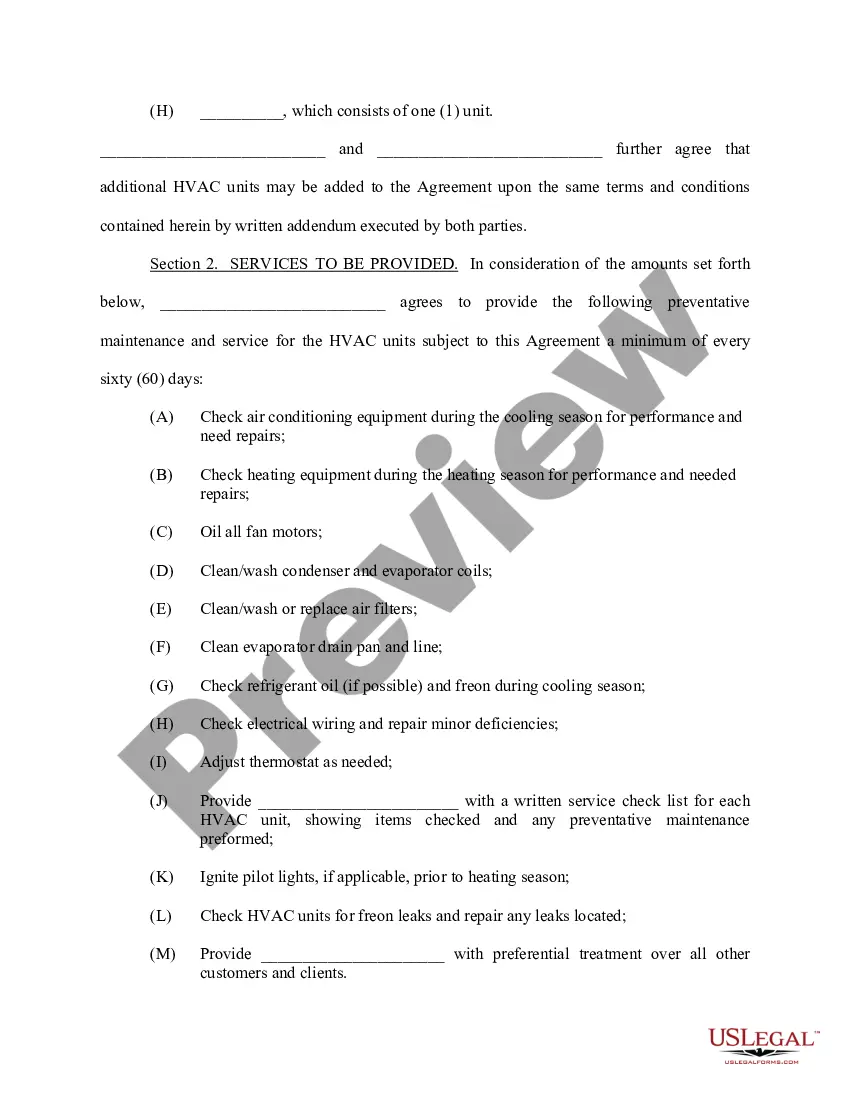
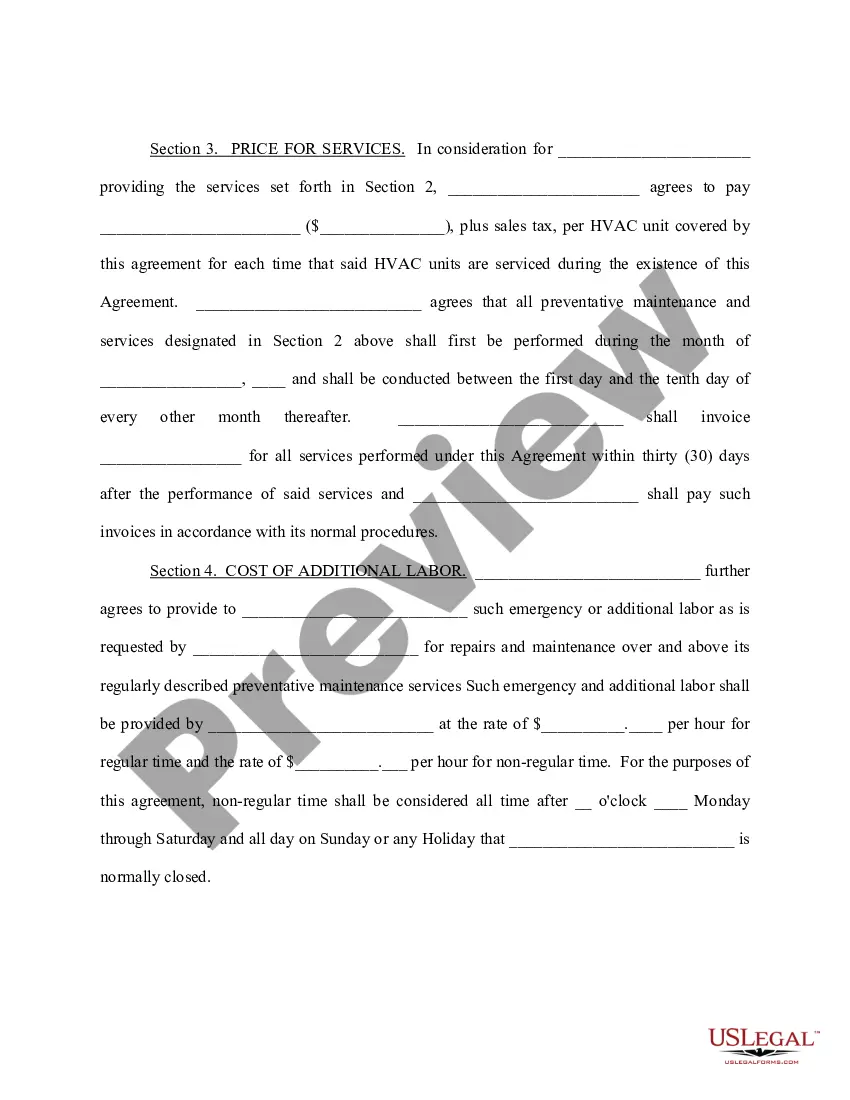
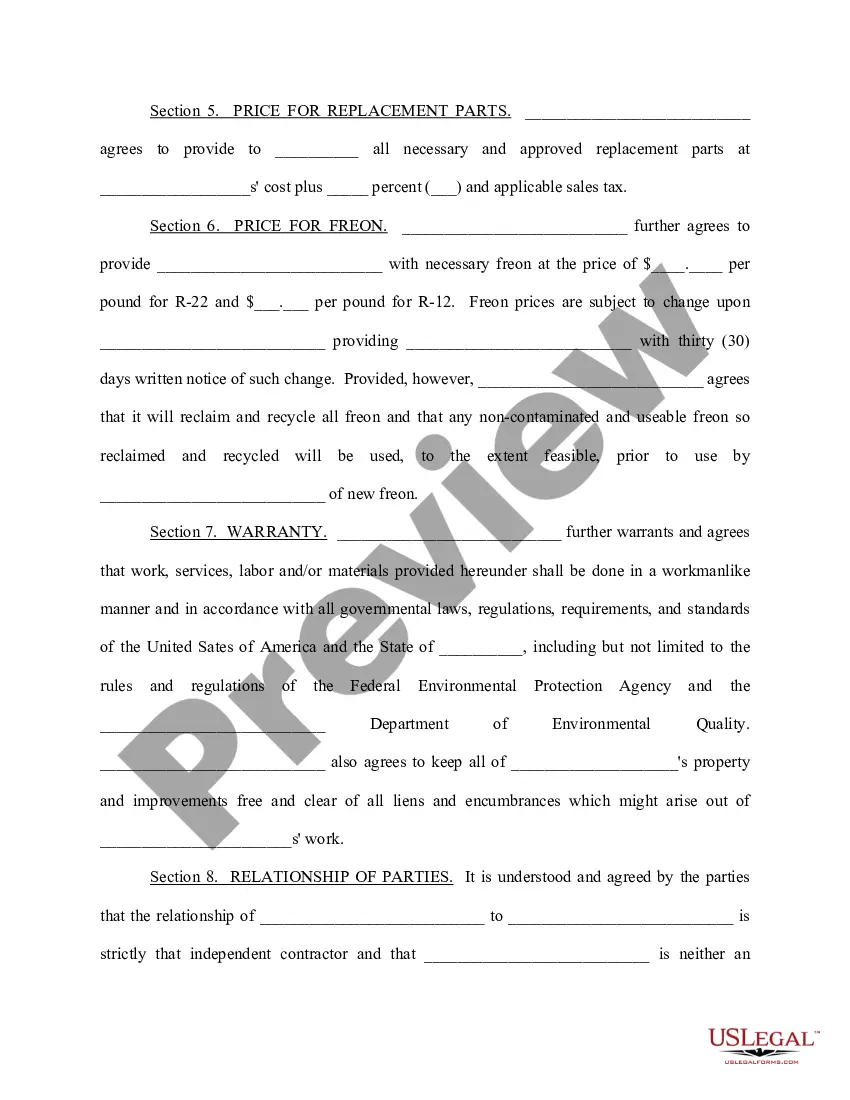
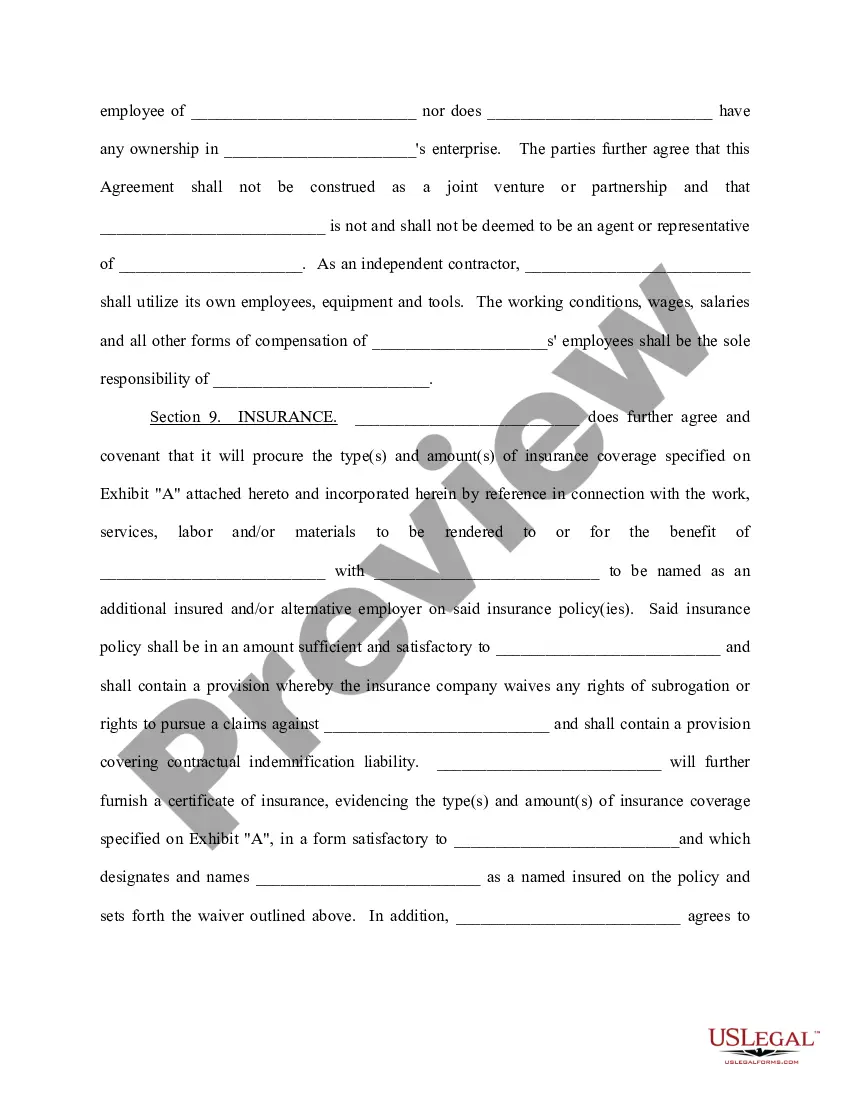
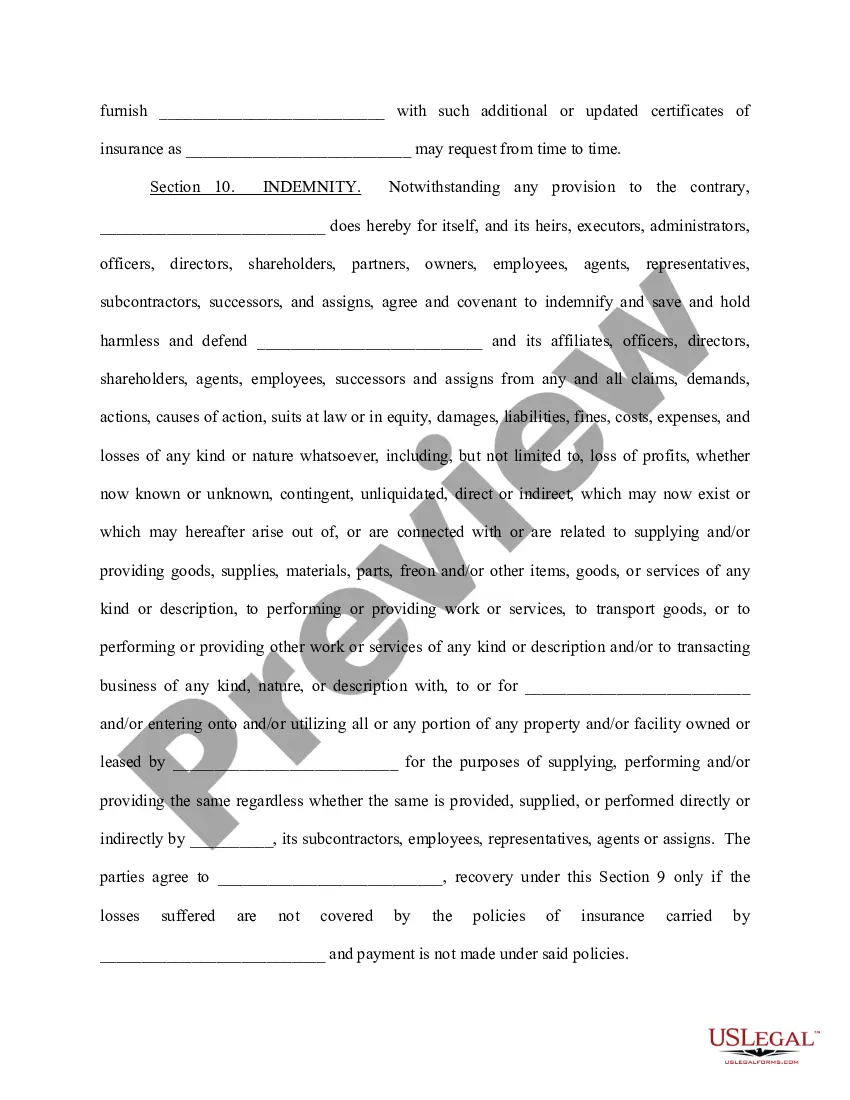
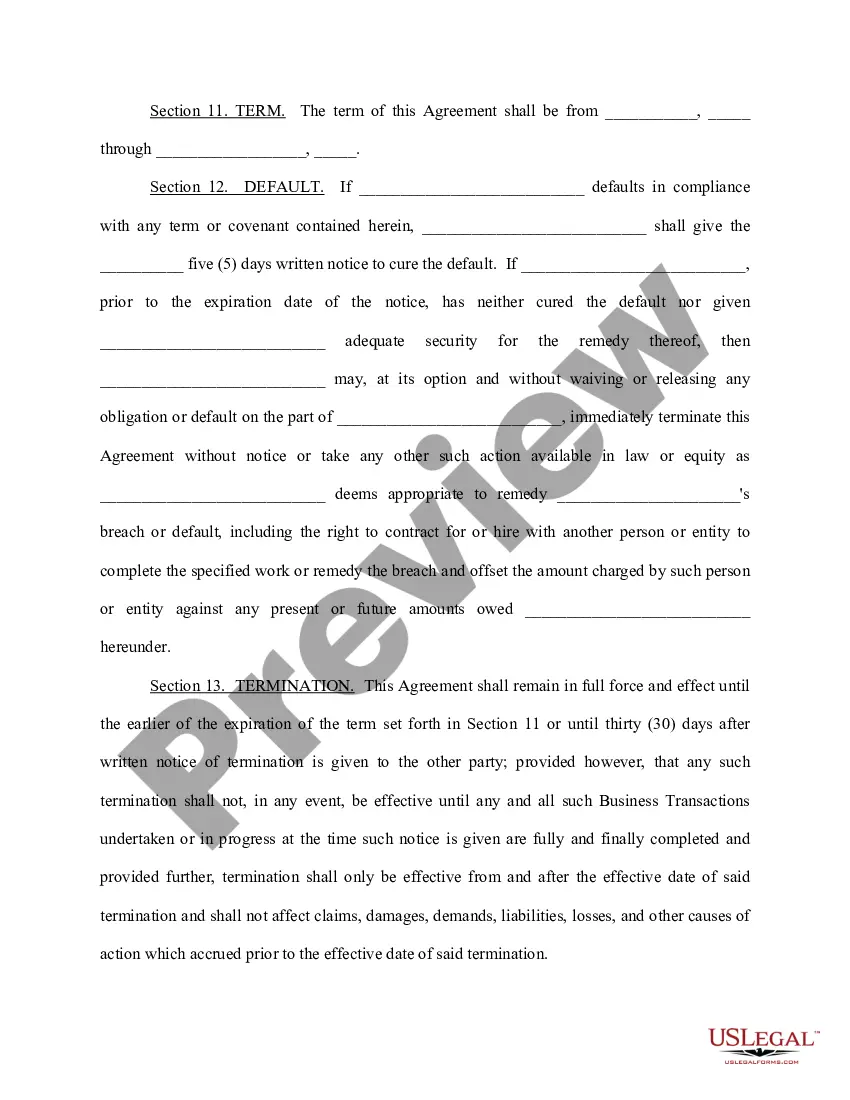
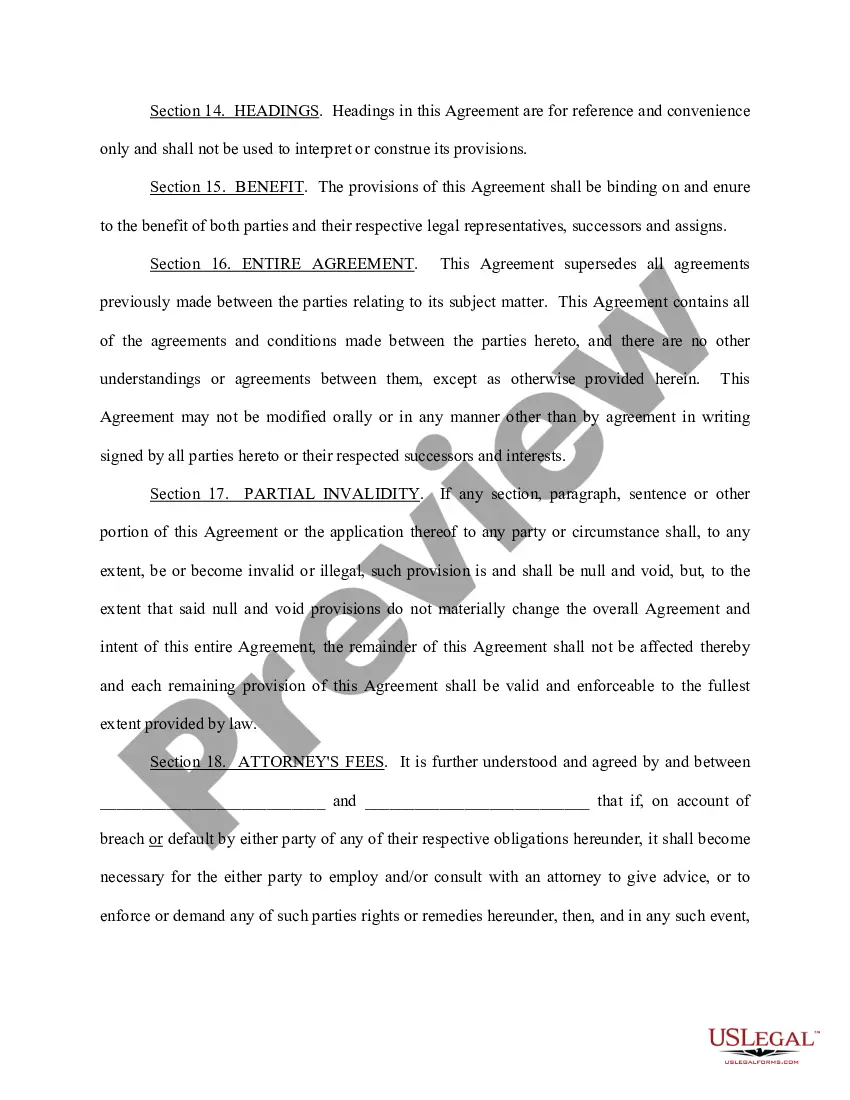
Hvac Service Agreement Template Format In Orange
Description
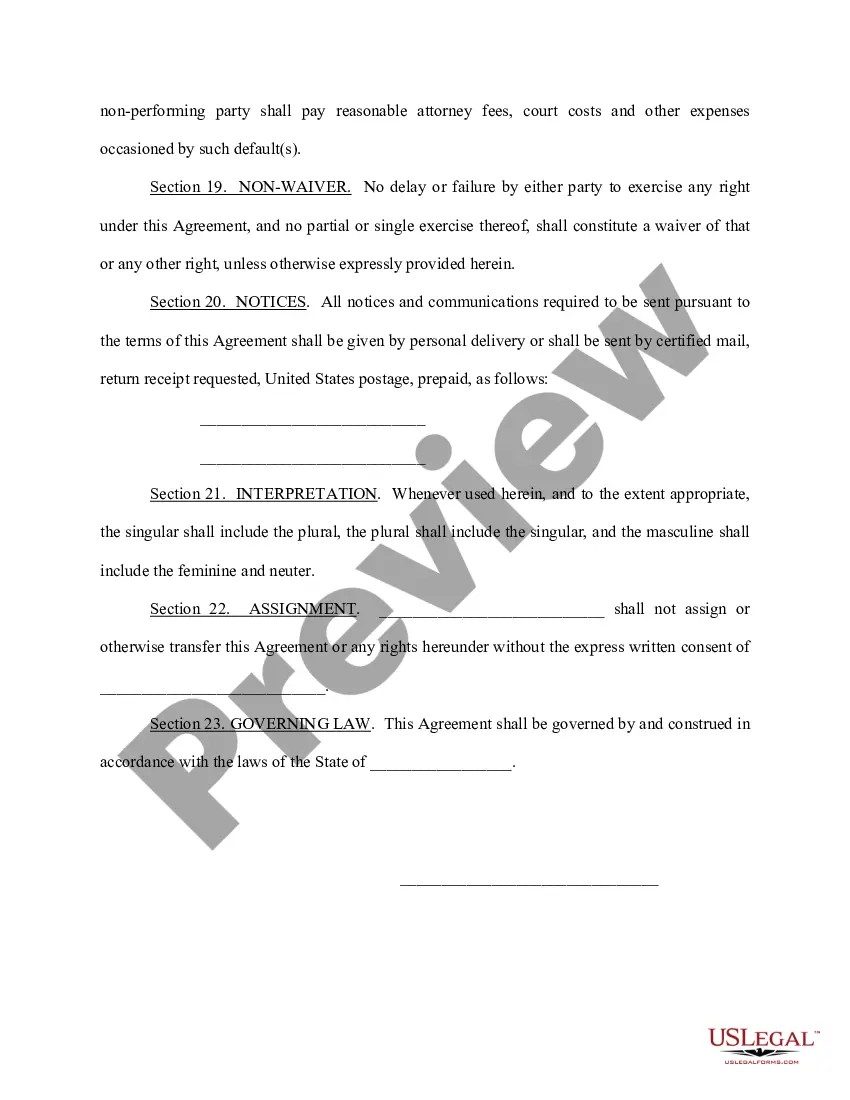
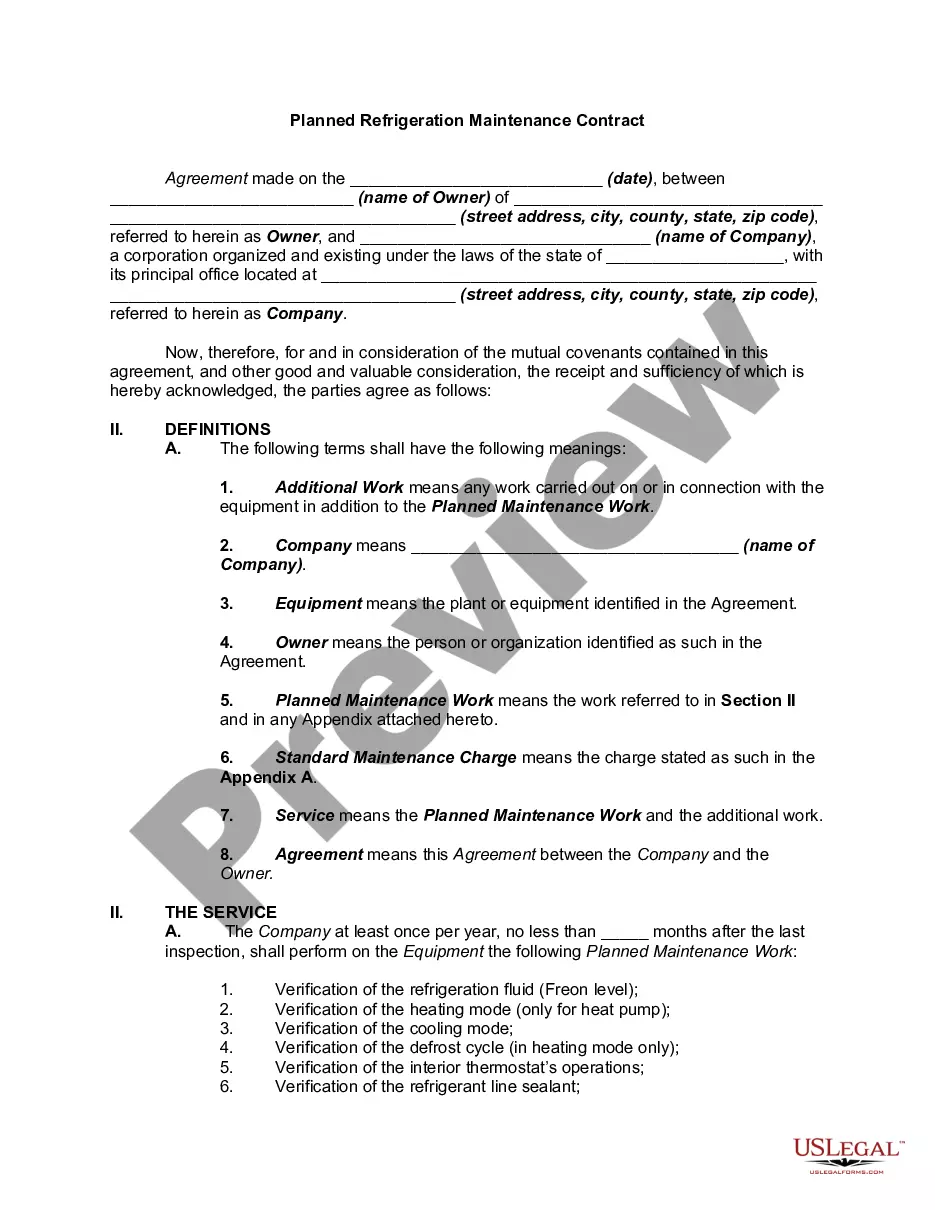
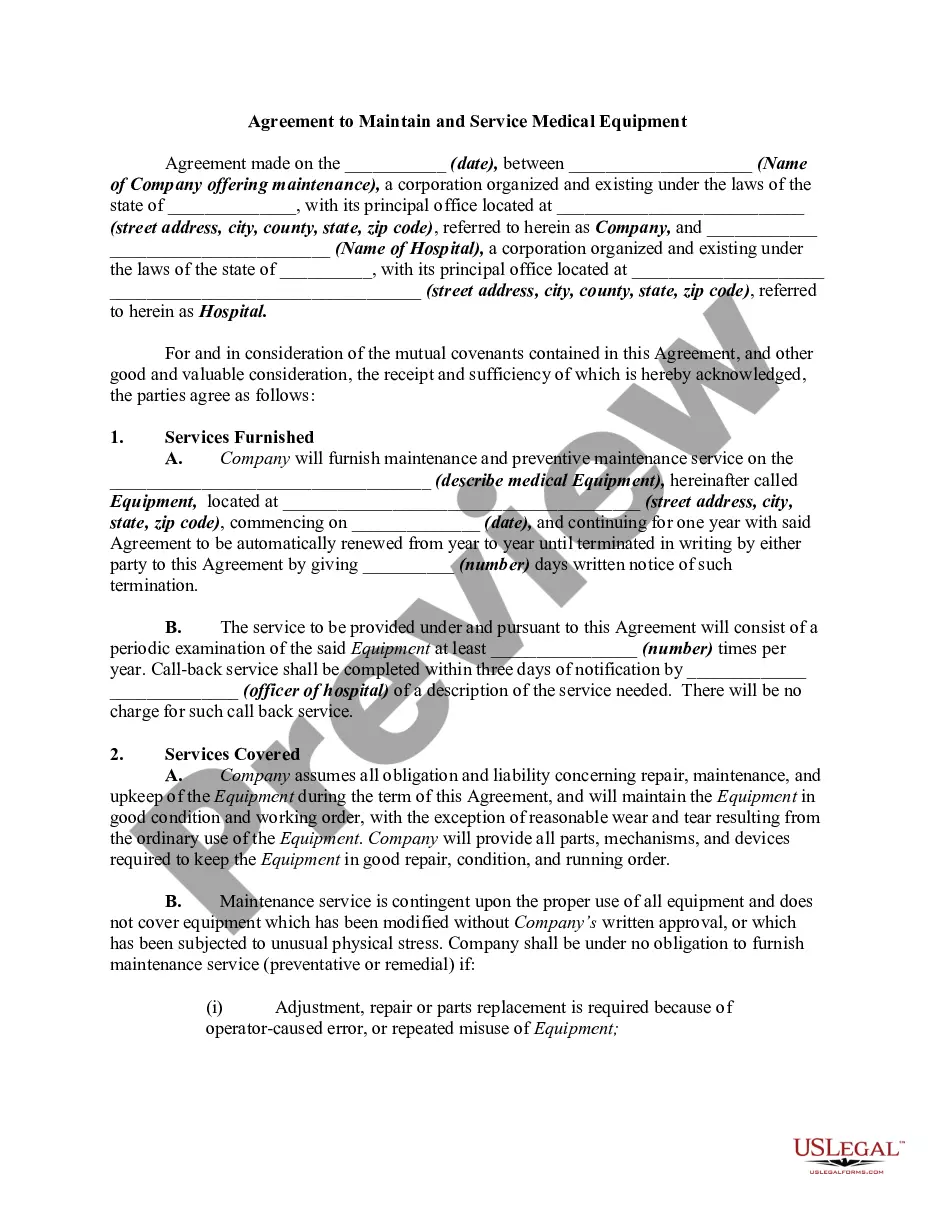
Get your form ready online
Our built-in tools help you complete, sign, share, and store your documents in one place.
Make edits, fill in missing information, and update formatting in US Legal Forms—just like you would in MS Word.
Download a copy, print it, send it by email, or mail it via USPS—whatever works best for your next step.
Sign and collect signatures with our SignNow integration. Send to multiple recipients, set reminders, and more. Go Premium to unlock E-Sign.
If this form requires notarization, complete it online through a secure video call—no need to meet a notary in person or wait for an appointment.
We protect your documents and personal data by following strict security and privacy standards.

Make edits, fill in missing information, and update formatting in US Legal Forms—just like you would in MS Word.

Download a copy, print it, send it by email, or mail it via USPS—whatever works best for your next step.

Sign and collect signatures with our SignNow integration. Send to multiple recipients, set reminders, and more. Go Premium to unlock E-Sign.

If this form requires notarization, complete it online through a secure video call—no need to meet a notary in person or wait for an appointment.

We protect your documents and personal data by following strict security and privacy standards.
Looking for another form?









Form popularity
FAQ
It can be gauged from the above discussion that not only are warranty and service contracts different, they also have different uses and purposes. One usually provides for coverage of manufacturing and workmanship defects, while the other provides for wide ranging defects and sometimes even for damage to the device.
A service level agreement (SLA) is a contract between a service provider and a customer that defines the service to be provided and the level of performance to be expected. An SLA also describes how performance will be measured and approved, and what happens if performance levels are not met.
A service-level agreement (SLA) defines the level of service expected from a vendor, laying out metrics by which service is measured, as well as remedies should service levels not be achieved. It is a critical component of any technology vendor contract.
HVAC service agreements are designed to spot potential system weaknesses before they cause shutdowns. With a service provider regularly inspecting and servicing your HVAC equipment, potential hazards can be identified and remedied swiftly, ensuring business operations are safeguarded from HVAC-related disruptions.
A service agreement is an agreement between you and your provider that makes it clear what you have both agreed to. It is covered by Australian Consumer Law. The NDIA recommends having a written service agreement so participants and providers are clear about what each party has agreed to.
Although you don't have to hire a lawyer, you should. Entering into a legally binding agreement isn't something you should take lightly. Signing a document without fully comprehending the terms or your rights is dangerous. It can lead to significant unintended consequences and time-consuming legal battles.
How to write a service level agreement in 5 steps Define the service. Your SLA will need to define and outline the service clearly. Verify service levels. Determine performance metrics. Prepare the service level agreement document. Review the SLA with all stakeholders.
How to draft a contract between two parties: A step-by-step checklist Know your parties. Agree on the terms. Set clear boundaries. Spell out the consequences. Specify how you will resolve disputes. Cover confidentiality. Check the legality of the contract. Open it up to negotiation.
