Equipment Maintenance Policy In Ohio
Description
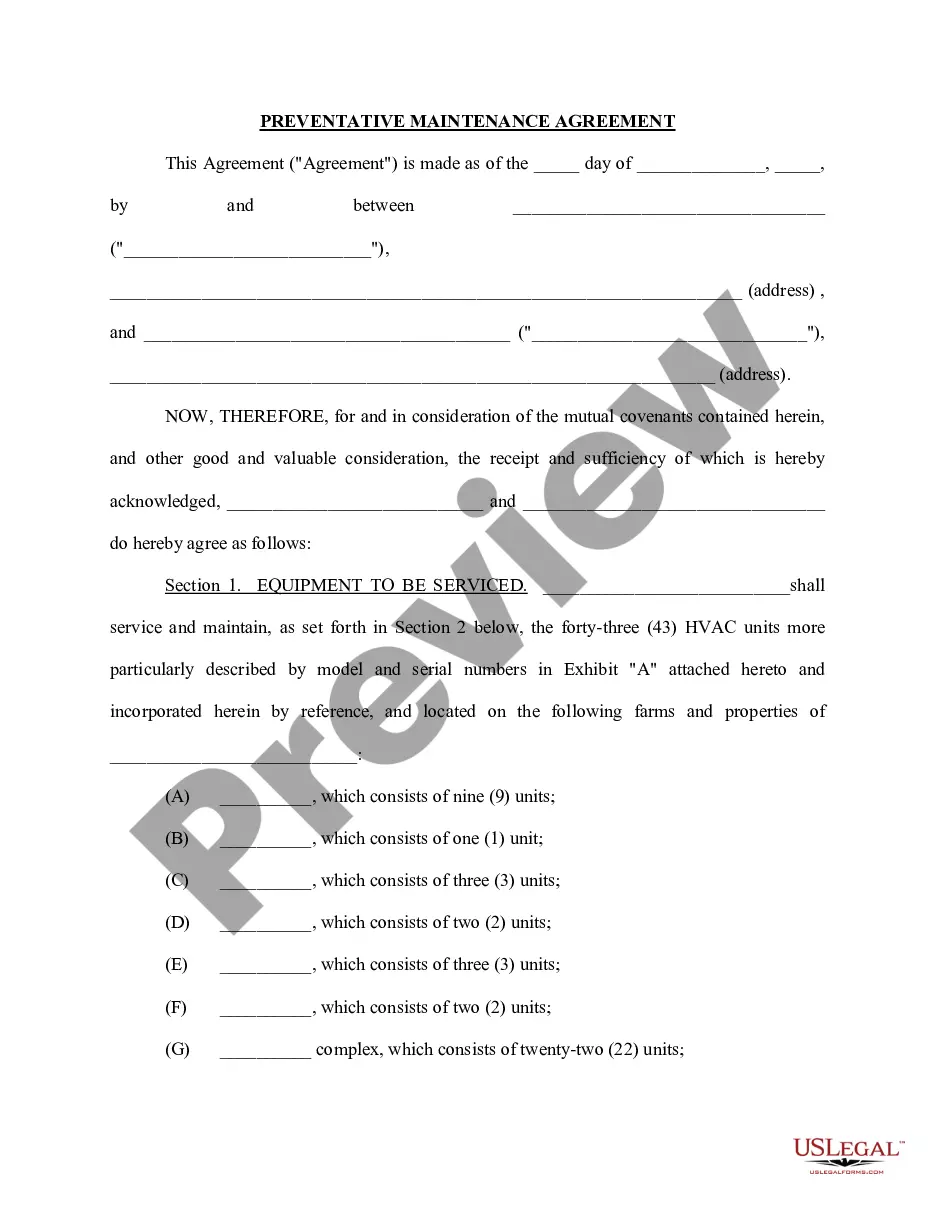
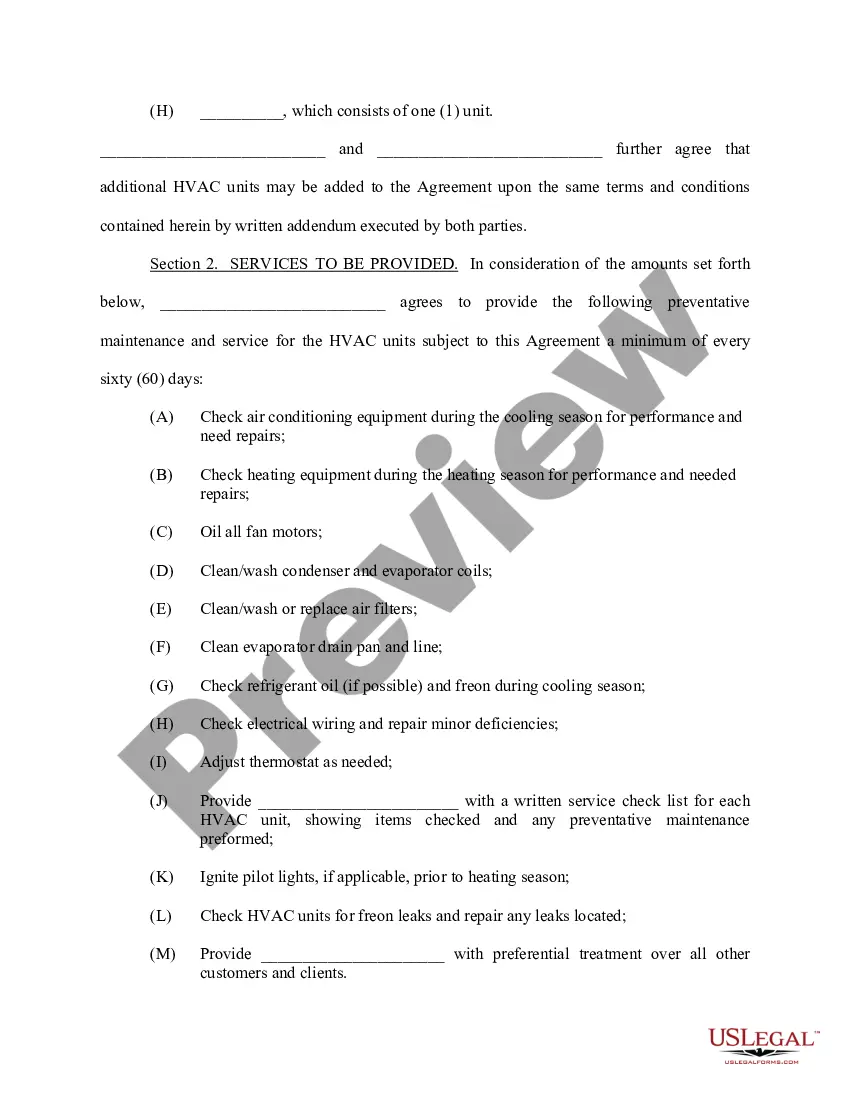
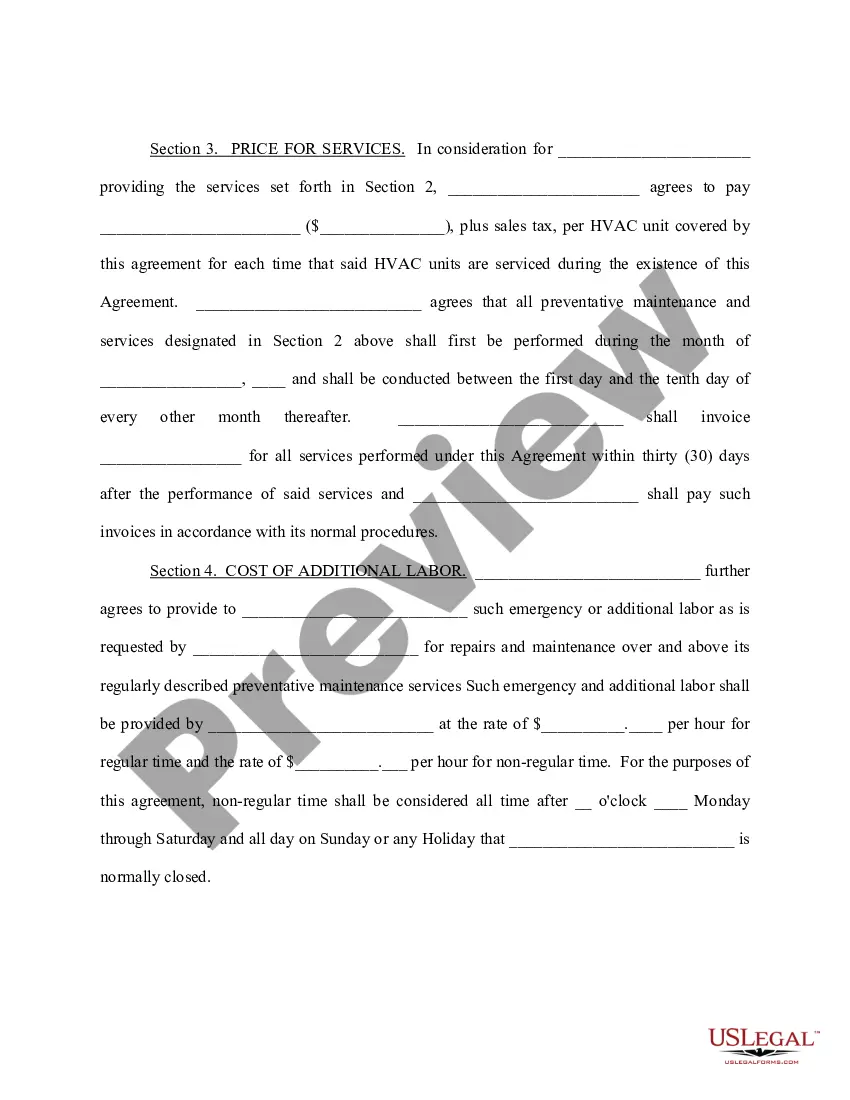
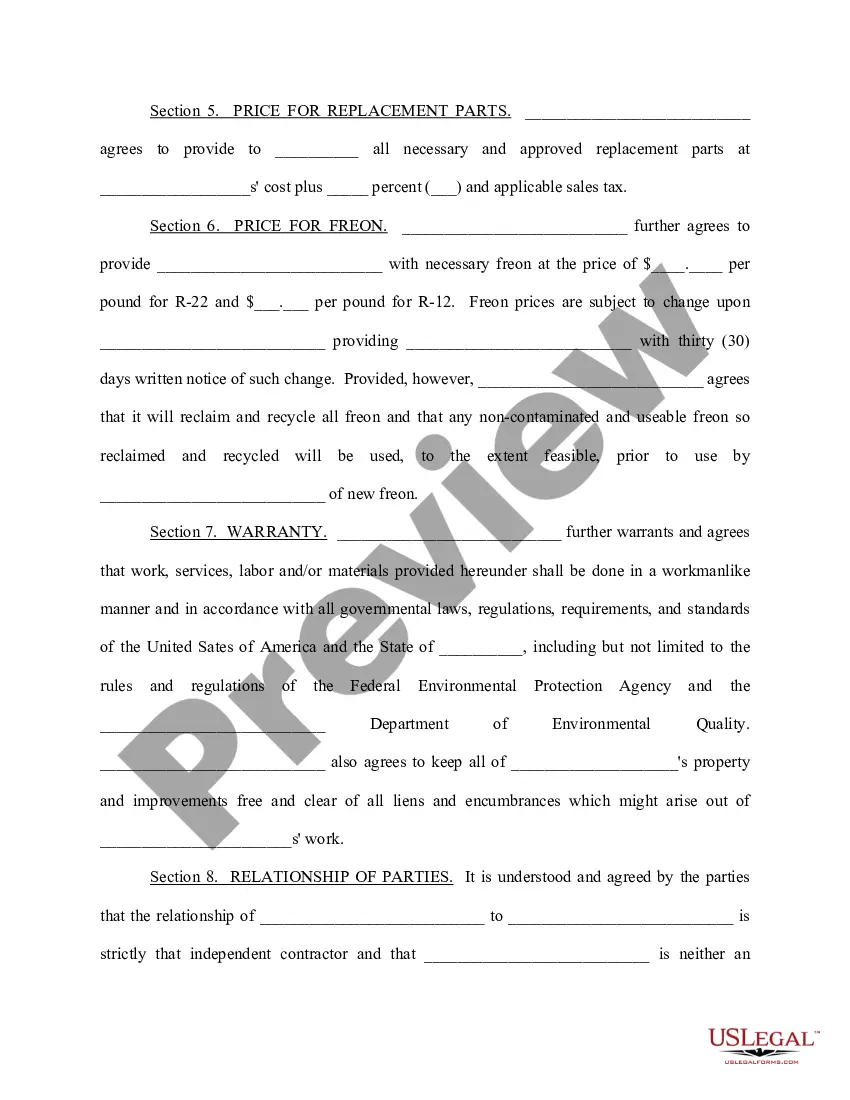
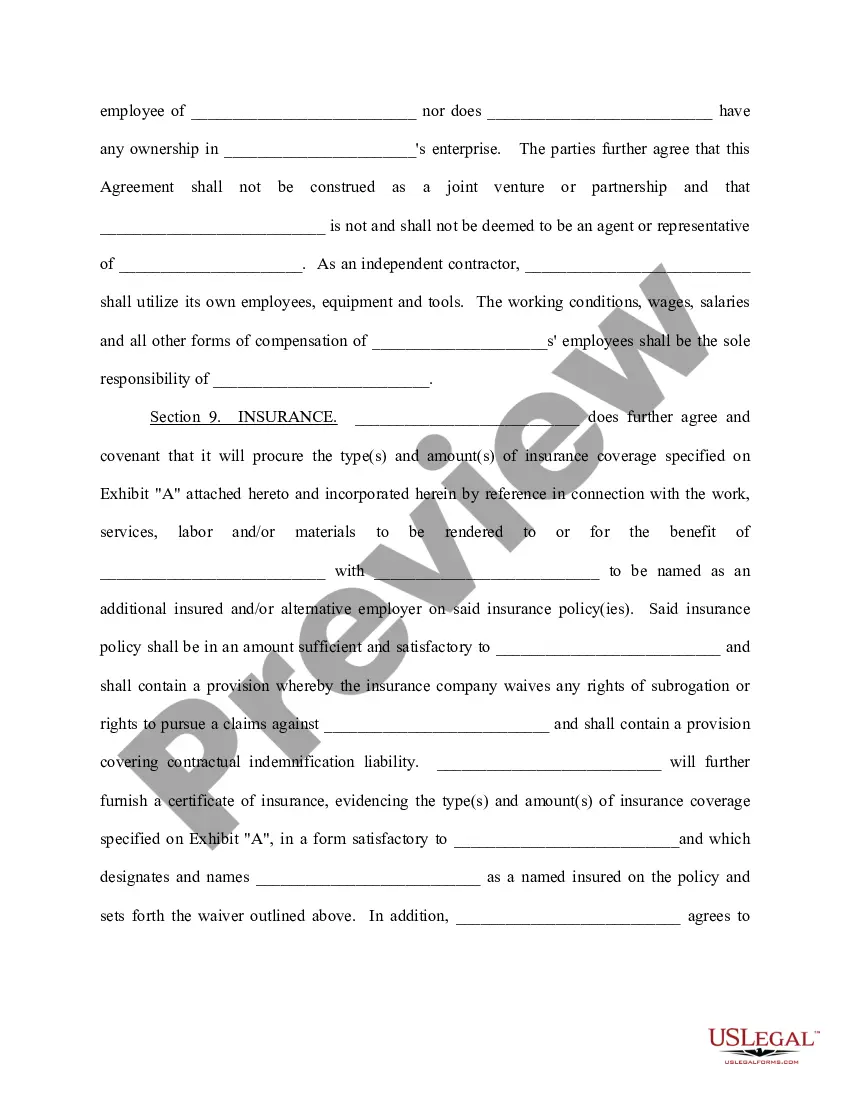
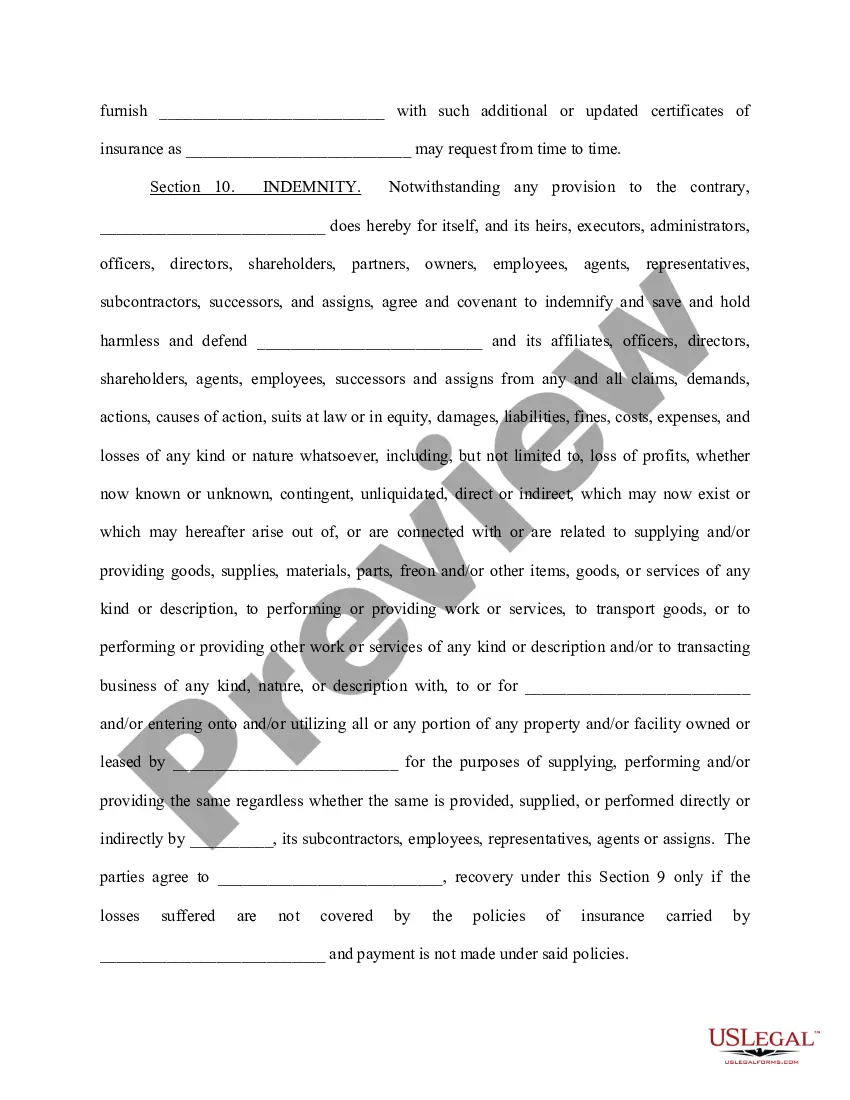
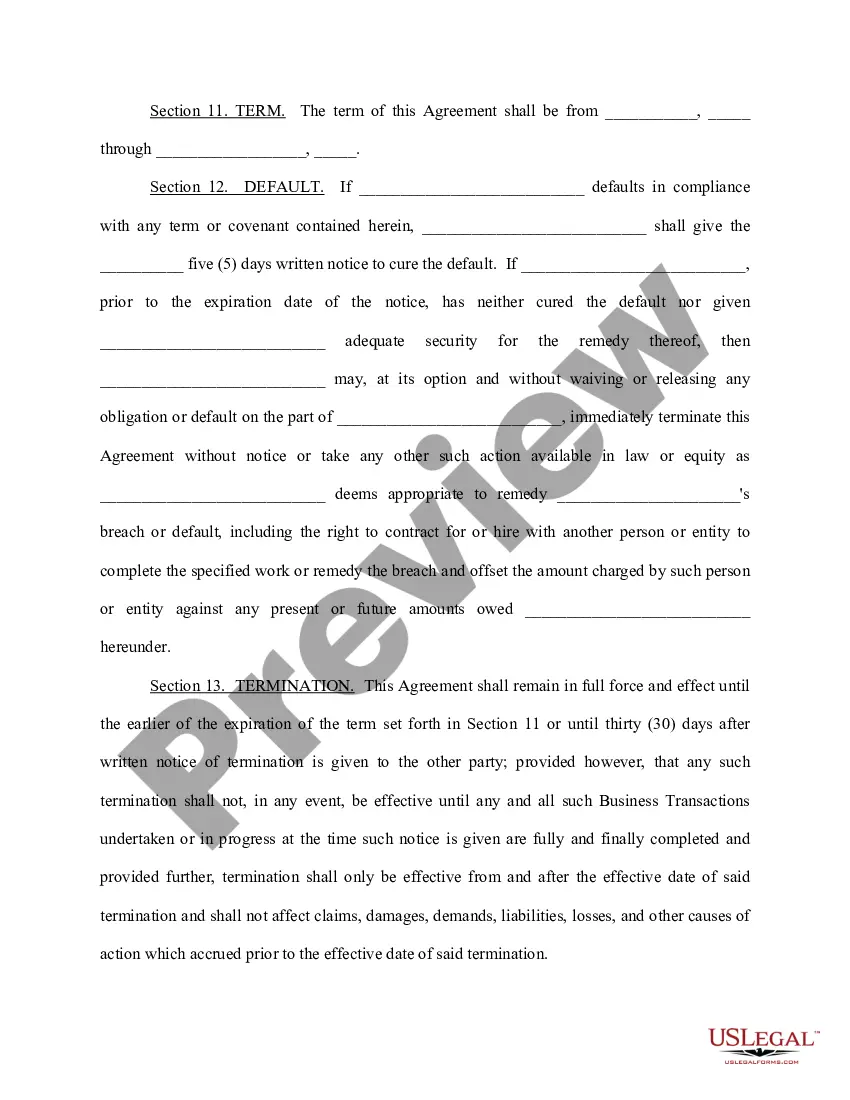
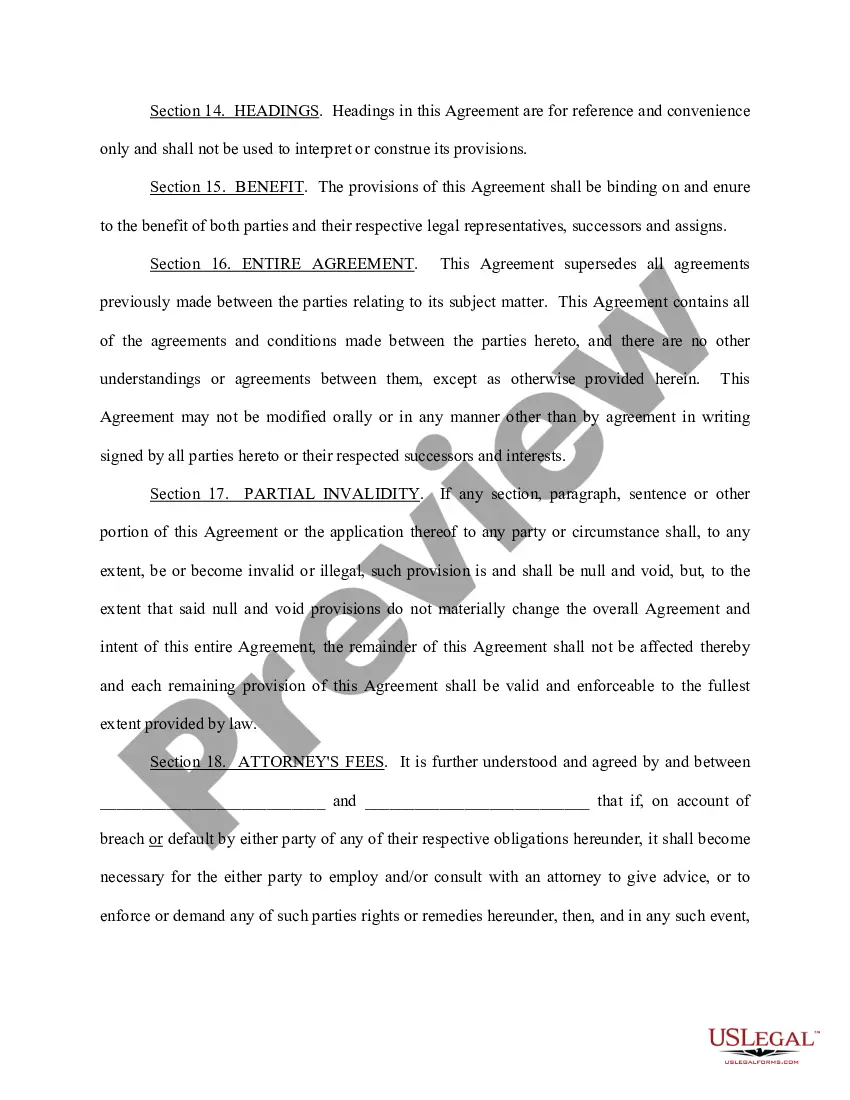
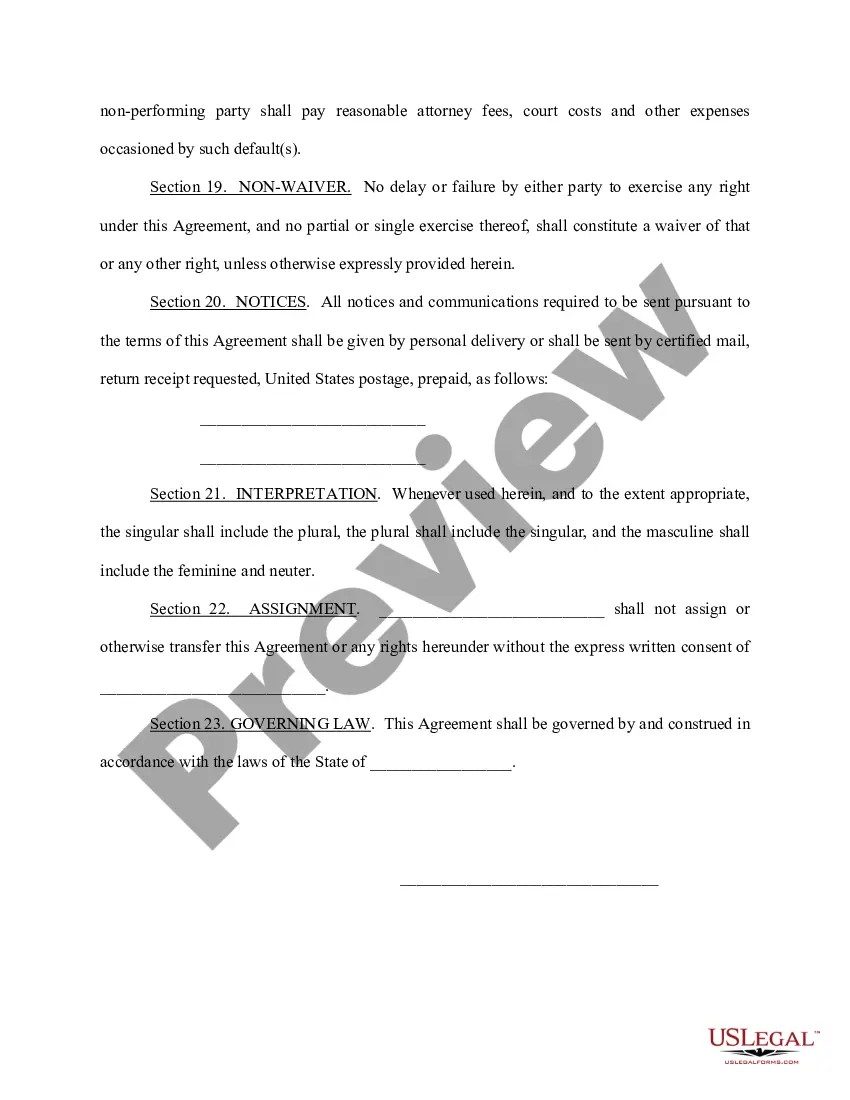
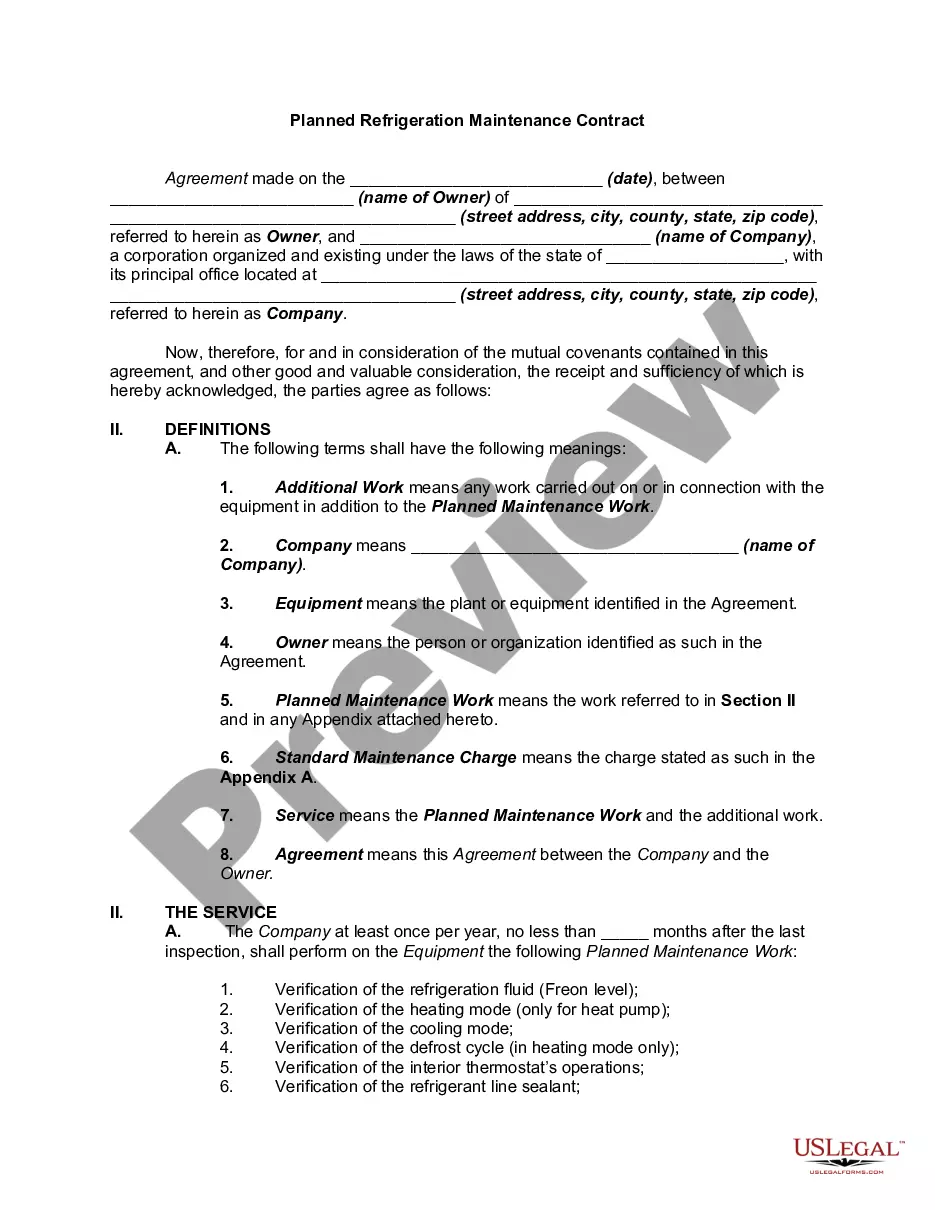
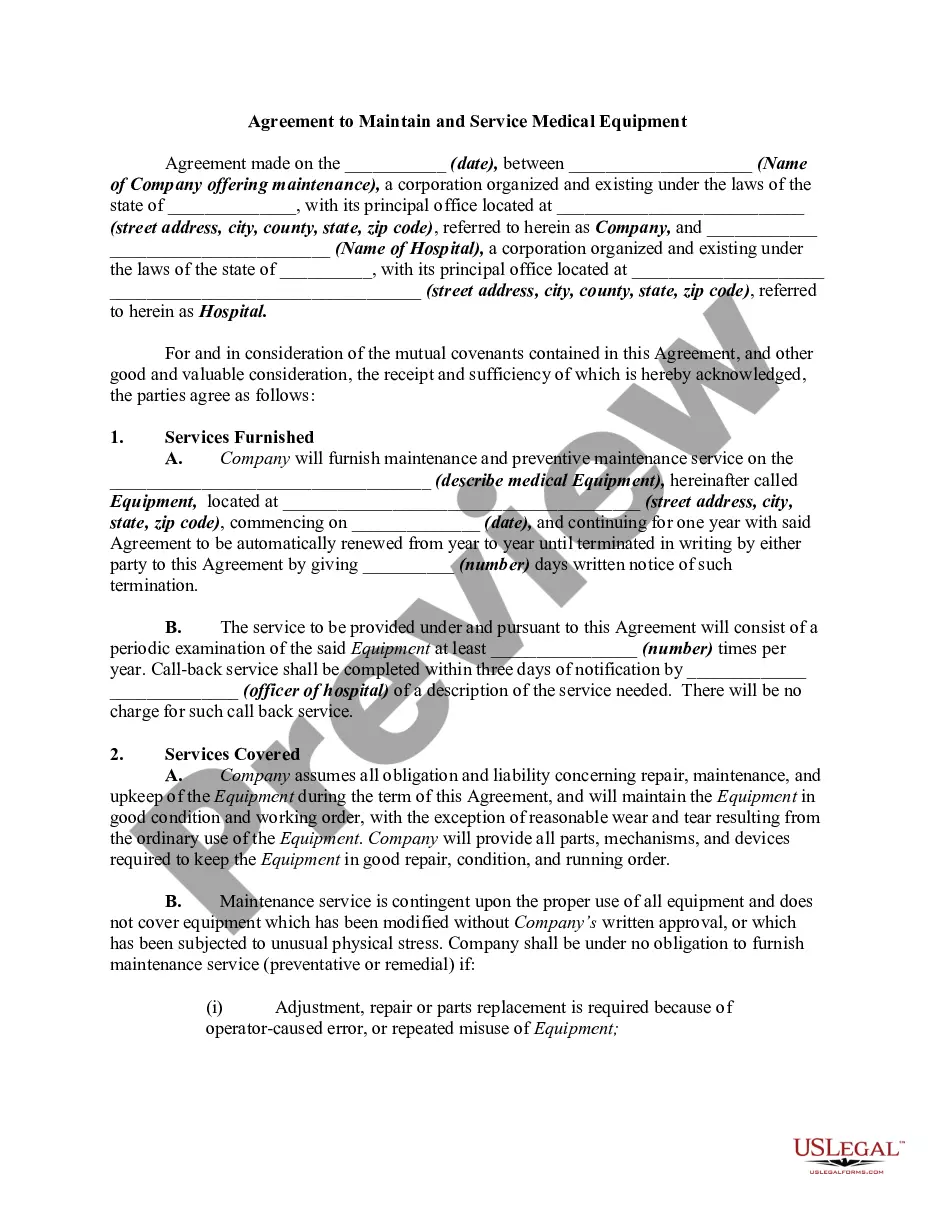
Get your form ready online
Our built-in tools help you complete, sign, share, and store your documents in one place.
Make edits, fill in missing information, and update formatting in US Legal Forms—just like you would in MS Word.
Download a copy, print it, send it by email, or mail it via USPS—whatever works best for your next step.
Sign and collect signatures with our SignNow integration. Send to multiple recipients, set reminders, and more. Go Premium to unlock E-Sign.
If this form requires notarization, complete it online through a secure video call—no need to meet a notary in person or wait for an appointment.
We protect your documents and personal data by following strict security and privacy standards.

Make edits, fill in missing information, and update formatting in US Legal Forms—just like you would in MS Word.

Download a copy, print it, send it by email, or mail it via USPS—whatever works best for your next step.

Sign and collect signatures with our SignNow integration. Send to multiple recipients, set reminders, and more. Go Premium to unlock E-Sign.

If this form requires notarization, complete it online through a secure video call—no need to meet a notary in person or wait for an appointment.

We protect your documents and personal data by following strict security and privacy standards.
Looking for another form?







Form popularity
FAQ
Regular inspection of machine tools for any defects or wear or tear. Complete cleaning of manufacturing assets including the factory premise and ventilation. Periodic lubrication of all moving parts in machinery to prevent damage. Repair or replacement of defective machine tools and equipment.
To write a monthly maintenance report, follow these steps: Identify the purpose and audience of the report. Gather data and information on maintenance activities that were performed during the month. Organize the information into an easy-to-read format. Include a summary of the key takeaways from the report.
Steps to creating an effective maintenance plan Detail the work that you'll need to do on each asset. Schedule the work – Use a dating frequency, running hours, or measures that will provide insight into the condition of an asset. Add workers or contractors – including the estimated working hours. Add spare parts.
1 Understand the purpose. Before you start writing, you need to understand the purpose of your service report. 2 Use a standard format. Using a standard format for your service reports can help you save time, avoid errors, and ensure consistency. 3 Be clear and concise. 4 Provide evidence and data.
To write a monthly maintenance report, follow these steps: Identify the purpose and audience of the report. Gather data and information on maintenance activities that were performed during the month. Organize the information into an easy-to-read format. Include a summary of the key takeaways from the report.
A comprehensive Maintenance Report should include the following information: Date and time of maintenance. Description of the equipment, system, or facility being maintained. Tasks performed during maintenance. Any issues or problems encountered. Actions taken to resolve the issues. Recommendations for future maintenance.
Steps to Create Standard Maintenance Procedures Identify the Equipment to be Covered. Document the Current Maintenance Process. Analyze and Improve the Existing Process. Develop Detailed Step-by-Step Procedures. Include Safety Measures and Guidelines. Verify and Validate Procedures.
Daily equipment maintenance checks should be performed to identify any potential problems or areas of needed repair. This includes visually inspecting machines for signs of wear and tear, checking all connection points, and ensuring that all parts are securely fastened and lubricated.
A preventive maintenance plan should include eight steps at its foundation: Establish and prioritize goals. Create and measure KPIs. Get stakeholder buy-in. Use the right technology/software. Set up PM triggers. Train maintenance workers on how to implement the preventive maintenance plan.
Steps to creating an effective maintenance plan Detail the work that you'll need to do on each asset. Schedule the work – Use a dating frequency, running hours, or measures that will provide insight into the condition of an asset. Add workers or contractors – including the estimated working hours. Add spare parts.
