Force Director To Resign In Virginia
Description

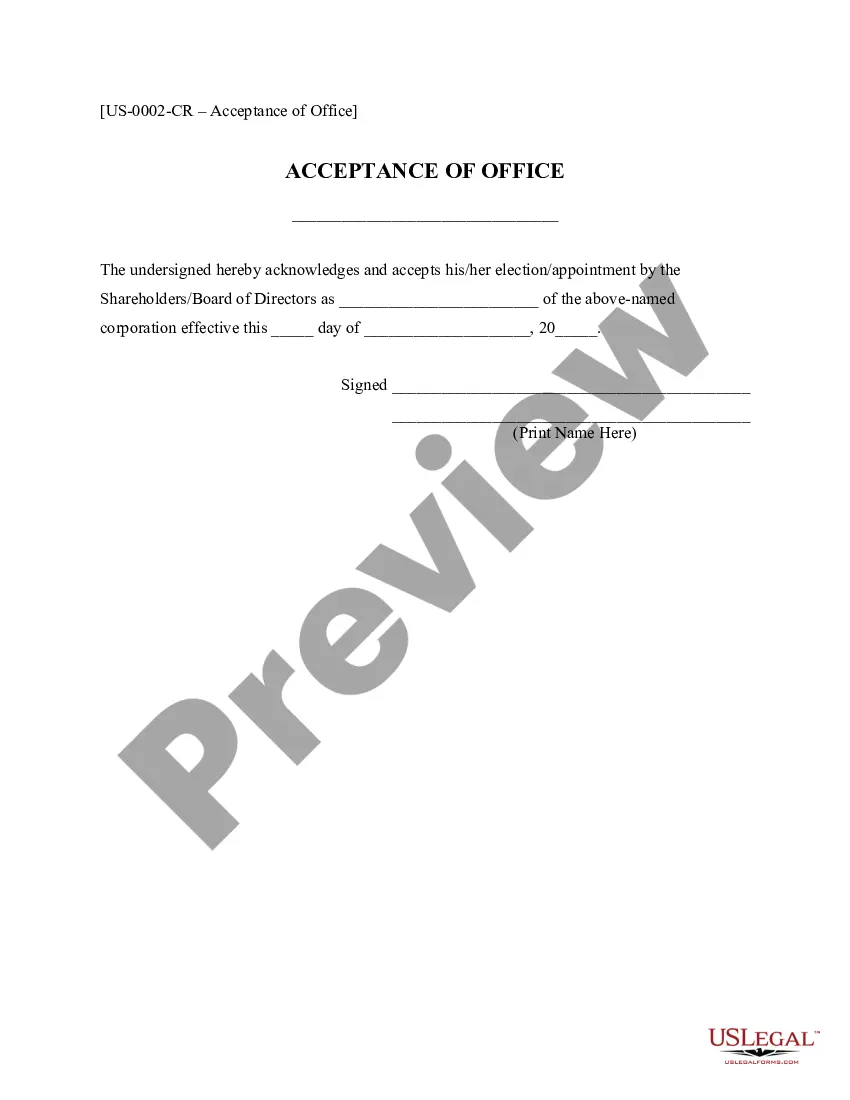
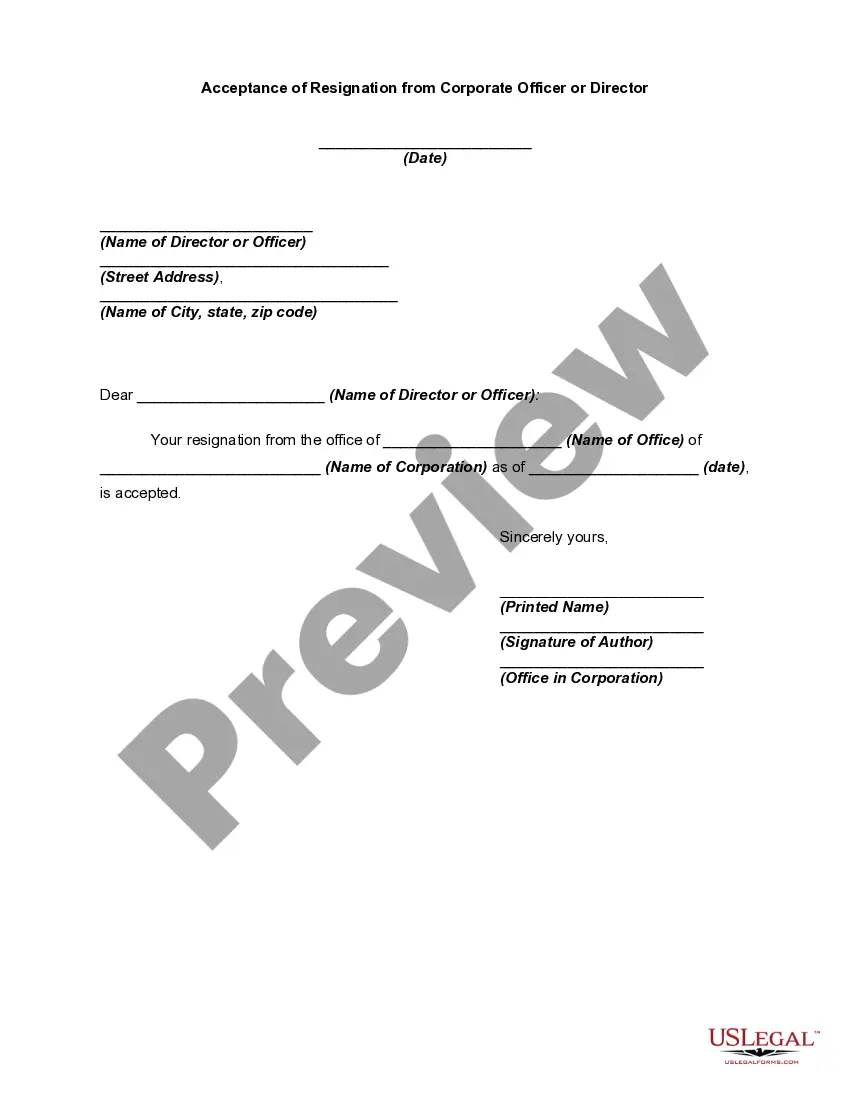
Get your form ready online
Our built-in tools help you complete, sign, share, and store your documents in one place.
Make edits, fill in missing information, and update formatting in US Legal Forms—just like you would in MS Word.
Download a copy, print it, send it by email, or mail it via USPS—whatever works best for your next step.
Sign and collect signatures with our SignNow integration. Send to multiple recipients, set reminders, and more. Go Premium to unlock E-Sign.
If this form requires notarization, complete it online through a secure video call—no need to meet a notary in person or wait for an appointment.
We protect your documents and personal data by following strict security and privacy standards.

Make edits, fill in missing information, and update formatting in US Legal Forms—just like you would in MS Word.

Download a copy, print it, send it by email, or mail it via USPS—whatever works best for your next step.

Sign and collect signatures with our SignNow integration. Send to multiple recipients, set reminders, and more. Go Premium to unlock E-Sign.

If this form requires notarization, complete it online through a secure video call—no need to meet a notary in person or wait for an appointment.

We protect your documents and personal data by following strict security and privacy standards.
Looking for another form?





Form popularity
FAQ
Forcing out a director in a commercial dispute Some of the primary reasons a director can be asked to surrender their post include: Bankruptcy, or a situation that compromises the integrity of the business.
The statutory procedure allows any director to be removed by ordinary resolution of the shareholders in general meetings (i.e., the holders of more than 50% of the voting shares must agree). This right of removal by the shareholders cannot be excluded by the Articles or by any agreement.
Tell your fellow directors you want to resign Ideally this should take the form of a written notice, either left at or send to the company's registered office, stating your intention to resign and the date this is to be effective from.
To file Form DIR-12 along with reason of resignation within 30days from date of resignation (this form is completely optional). It is recommended for director to file Form, if there is reason to believe that company may delay or default in filing form.
Ensure Acceptance by the Board (If Required) Depending on your company's rules, the board may need to formally accept your resignation and record it in the minutes of a board meeting. Some companies allow immediate resignation upon receiving your notice, while others might require a resolution to effect the change.
Conditions such as severe heart disease, respiratory disorders, or mental health challenges that impair the employee's ability to work effectively are valid reasons for immediate resignation.
Yes, directors can walk away from a limited company with debts, but whether they can do so without legal or financial consequences depends on how the company was managed, the nature of its debts and if any personal guarantees were made by the director.
You will also need to inform any fellow directors, in writing, of your intention to resign and serve any notice period as laid out in your employment contract. If you are a sole director you will need to ensure another director is in place before you resign or the company could be struck off.
Removing a director for breach of duty If you have sufficient shares to force through a resolution to remove, you do not need to have a good underlying reason to do so under Company law. However, is often important to have a clear reason before director removal due to employment law implications and other reasons.
Notice cannot be refused by the company and cannot be withdrawn by the director save with the company's agreement. No minimum period of notice is required unless otherwise provided. Giving notice must therefore be considered carefully.

