Corporation Personal Held Within A Corporation In Santa Clara
Description


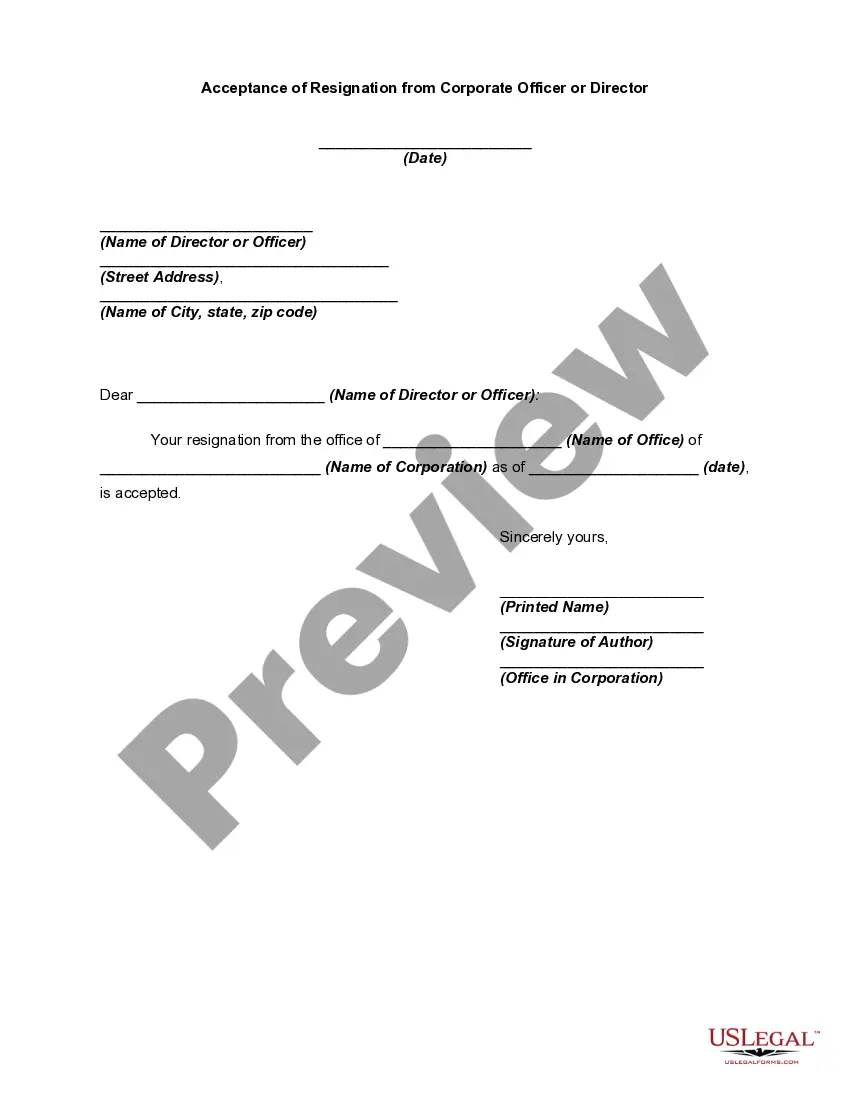
Get your form ready online
Our built-in tools help you complete, sign, share, and store your documents in one place.
Make edits, fill in missing information, and update formatting in US Legal Forms—just like you would in MS Word.
Download a copy, print it, send it by email, or mail it via USPS—whatever works best for your next step.
Sign and collect signatures with our SignNow integration. Send to multiple recipients, set reminders, and more. Go Premium to unlock E-Sign.
If this form requires notarization, complete it online through a secure video call—no need to meet a notary in person or wait for an appointment.
We protect your documents and personal data by following strict security and privacy standards.

Make edits, fill in missing information, and update formatting in US Legal Forms—just like you would in MS Word.

Download a copy, print it, send it by email, or mail it via USPS—whatever works best for your next step.

Sign and collect signatures with our SignNow integration. Send to multiple recipients, set reminders, and more. Go Premium to unlock E-Sign.

If this form requires notarization, complete it online through a secure video call—no need to meet a notary in person or wait for an appointment.

We protect your documents and personal data by following strict security and privacy standards.
Looking for another form?








Form popularity
FAQ
You'll need to register with the California Employment Development Department Opens in a new window (EDD). Choose a name for your business. Designate a Registered Agent in California. File Your Articles of Incorporation in California. Create your Corporate Bylaws. Appoint your Corporate Directors.
To form a corporation in California, Articles of Incorporation must be filed with the California Secretary of State's office. Forms for the most common types of Articles of Incorporation are available on our Forms, Samples and Fees webpage. You may use the form or prepare your own statutorily compliant document.
In California, entrepreneurs can expect it to take at least 30 days after they've filed Articles of Incorporation papers to become a corporation. For some startups, that's fine.
Steps to forming a corporation Select a state of incorporation. Choose a business name. File incorporation paperwork. Appoint a registered agent. Prepare corporate bylaws. Draft a shareholders' agreement. Hold the first board meeting. Get an EIN.
To submit Form SI-100, you may file it online at the California Secretary of State's website or mail it to the Statement of Information Unit at P.O. Box 944230, Sacramento, CA 94244-2300. For in-person submissions, visit the Sacramento office located at 1500 11th Street, Sacramento, CA 95814.
Yes, a single member LLC can form an S Corp. This structure is popular among solo entrepreneurs who want to benefit from the tax advantages of an S Corporation and the liability protection of an LLC. Remember, while you're the only owner, your LLC is a separate legal entity from yourself for legal purposes.
You can appoint yourself as a registered agent, but your name and address would be publicly available, and you'd need to stay at the registered office during business hours. You can perform an online business search on the Bizfile Online website to look for businesses and their registered agents.
While almost any entity with an address in the jurisdiction specified under the international agreement may legally act as a Process Agent, a professional Process Agent is knowledgeable about the various types of legal process and understands the urgency and steps that must be taken upon receipt of such processes.
You can be your own registered agent in California, but you'll have to list your name and address in the public record. Many business owners don't want the hassle that comes with this (unsolicited phone calls, junk mail offers, etc.). Hiring a registered agent keeps your information out of the public record.
Corporations, limited liability companies, limited partnerships, and limited liability partnerships are required by statute to designate an agent for service of process.

