Corporation Personal Held Foreign In San Antonio
Description

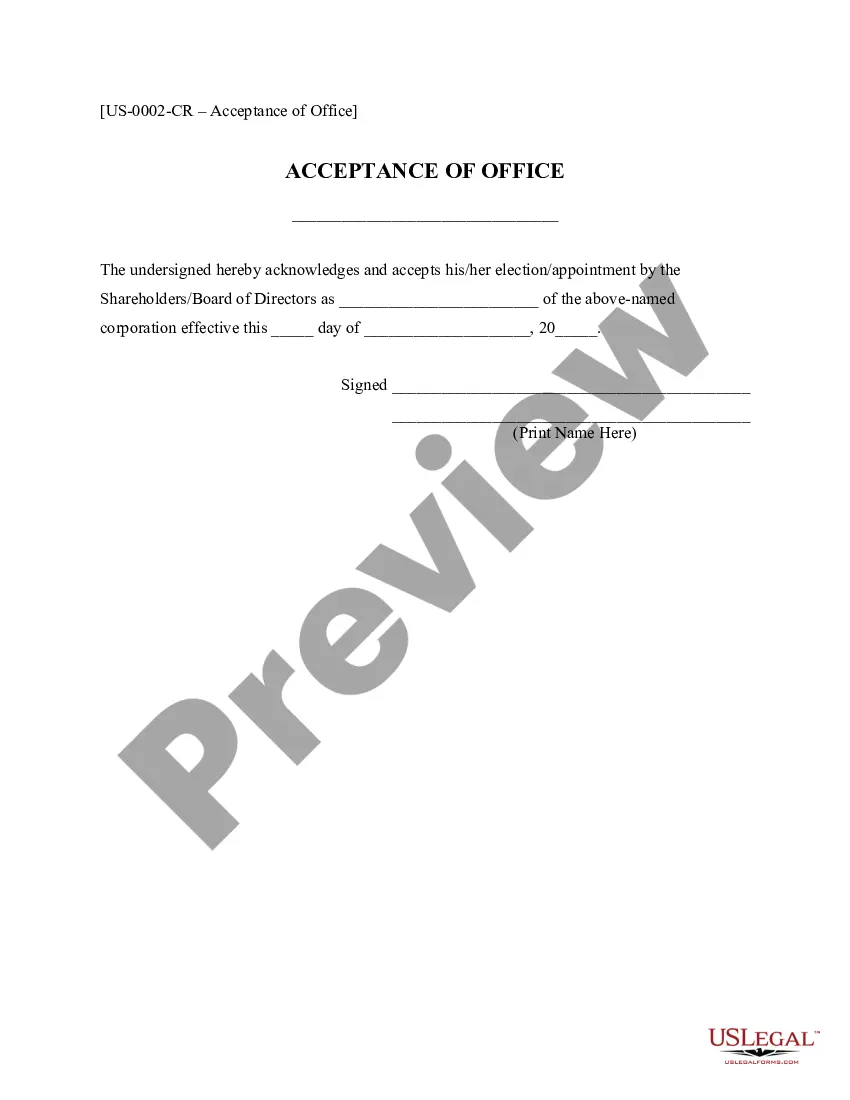
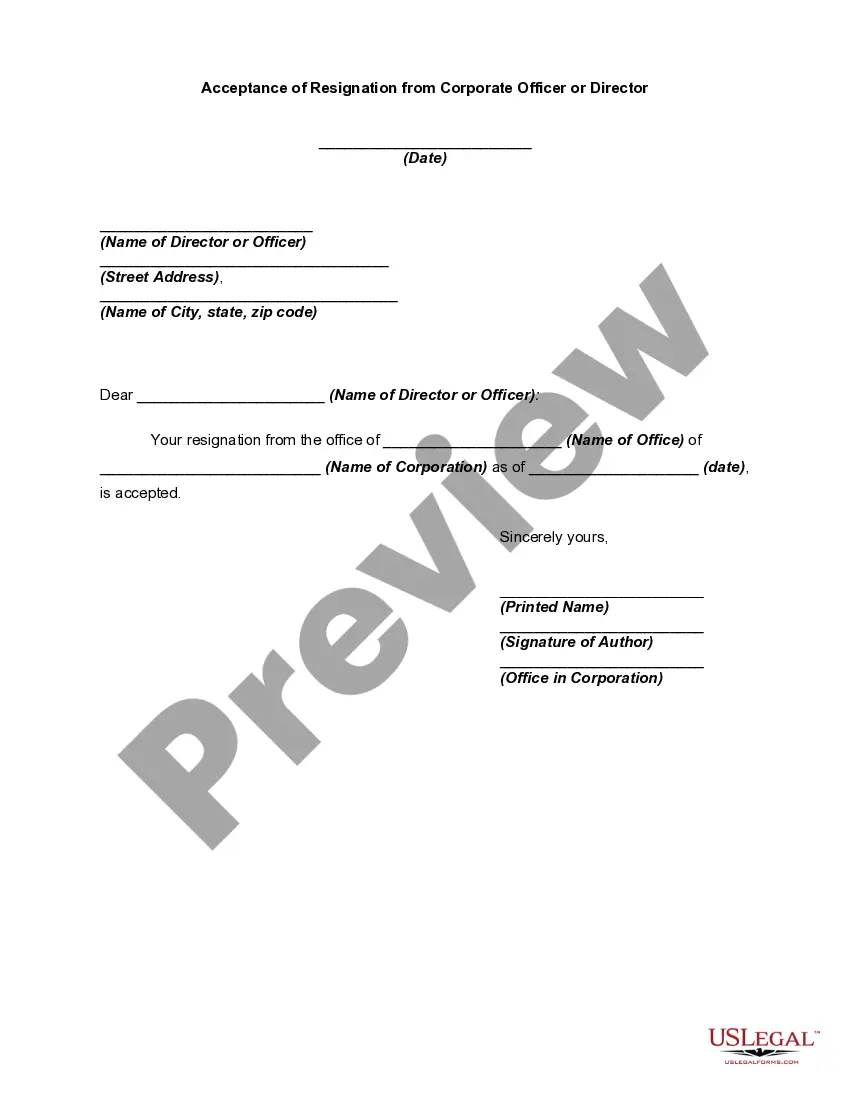
Get your form ready online
Our built-in tools help you complete, sign, share, and store your documents in one place.
Make edits, fill in missing information, and update formatting in US Legal Forms—just like you would in MS Word.
Download a copy, print it, send it by email, or mail it via USPS—whatever works best for your next step.
Sign and collect signatures with our SignNow integration. Send to multiple recipients, set reminders, and more. Go Premium to unlock E-Sign.
If this form requires notarization, complete it online through a secure video call—no need to meet a notary in person or wait for an appointment.
We protect your documents and personal data by following strict security and privacy standards.

Make edits, fill in missing information, and update formatting in US Legal Forms—just like you would in MS Word.

Download a copy, print it, send it by email, or mail it via USPS—whatever works best for your next step.

Sign and collect signatures with our SignNow integration. Send to multiple recipients, set reminders, and more. Go Premium to unlock E-Sign.

If this form requires notarization, complete it online through a secure video call—no need to meet a notary in person or wait for an appointment.

We protect your documents and personal data by following strict security and privacy standards.
Looking for another form?







Form popularity
FAQ
In general, sole proprietorships and partnerships need to register and file the business name (DBA or assumed name) with their local county clerk's office. If you decide to incorporate, the Secretary of State's Office (SOS) website has information on choosing the right legal structure for you.
Yes. Non-U.S. corporations, LLCs, LPs and financial institutions must register with the secretary of state before transacting business in Texas. Such entities are subject to state franchise tax and federal income tax on certain income. For more information about federal taxes, visit .IRS or call (800) 829-3676.
A foreign corporation is a corporation which is incorporated or registered under the laws of one state or foreign country and does business in another.
If you have a foreign filing entity that is transacting business in Texas, you must file an application for registration with the secretary of state.
In the U.S., business incorporation occurs at the state level for all business owners, regardless of whether you are a citizen or a foreign national.
Foreign corporation registered in Texas: To withdraw or cancel your foreign Texas Corporation in Texas, you provide the completed Form 608, Certificate of Withdrawal of Registration in duplicate to the Secretary of State by mail, fax or in person.
The basic steps involved are relatively straightforward: Pick a state or US territory to register your LLC. Choose a unique business name. Select a registered agent, with a permanent physical address for official correspondence. File articles of organization with the state's Secretary of State.
U.S. persons are generally required to file Form 5471 related to their ownership in a foreign corporation when their ownership exceeds 10%. To determine your ownership interest percentage in a foreign corporation, you need to consider your direct, indirect, and constructive ownership in the entity.
The financial liability of the members is limited, and the formation of an LLC allows members to segregate their personal assets from those of the entity, unlike a pure partnership. Members in an LLC can be individuals, corporations, other LLCs, foreign entities or a mix of any of these legal personalities.

