Corporation Personal Held Without Bond In Fulton
Description

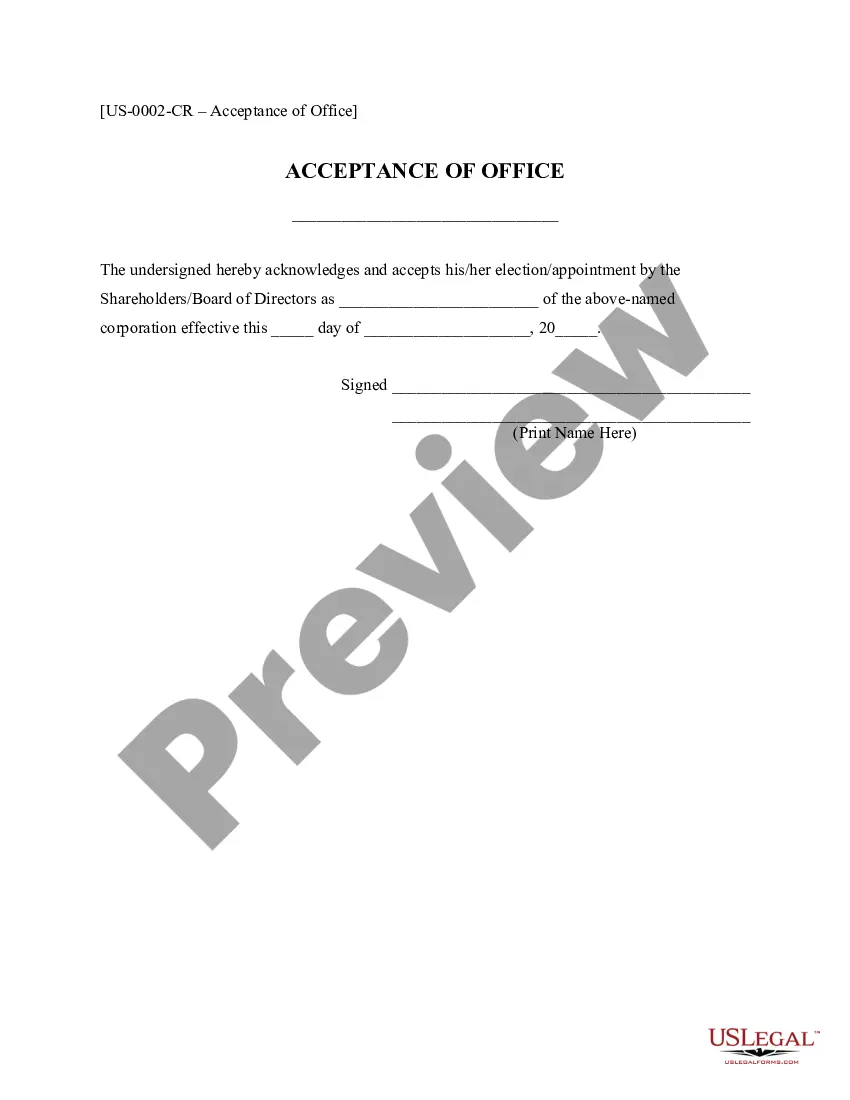
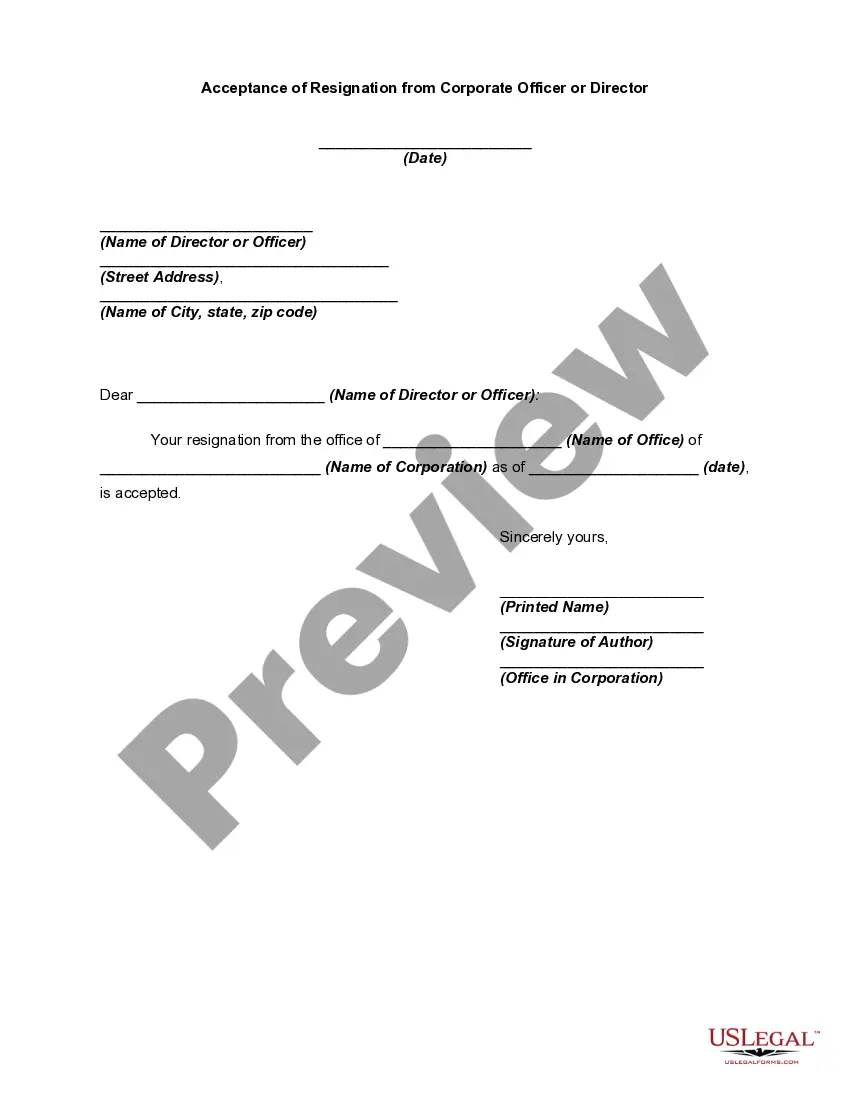
Get your form ready online
Our built-in tools help you complete, sign, share, and store your documents in one place.
Make edits, fill in missing information, and update formatting in US Legal Forms—just like you would in MS Word.
Download a copy, print it, send it by email, or mail it via USPS—whatever works best for your next step.
Sign and collect signatures with our SignNow integration. Send to multiple recipients, set reminders, and more. Go Premium to unlock E-Sign.
If this form requires notarization, complete it online through a secure video call—no need to meet a notary in person or wait for an appointment.
We protect your documents and personal data by following strict security and privacy standards.

Make edits, fill in missing information, and update formatting in US Legal Forms—just like you would in MS Word.

Download a copy, print it, send it by email, or mail it via USPS—whatever works best for your next step.

Sign and collect signatures with our SignNow integration. Send to multiple recipients, set reminders, and more. Go Premium to unlock E-Sign.

If this form requires notarization, complete it online through a secure video call—no need to meet a notary in person or wait for an appointment.

We protect your documents and personal data by following strict security and privacy standards.
Looking for another form?



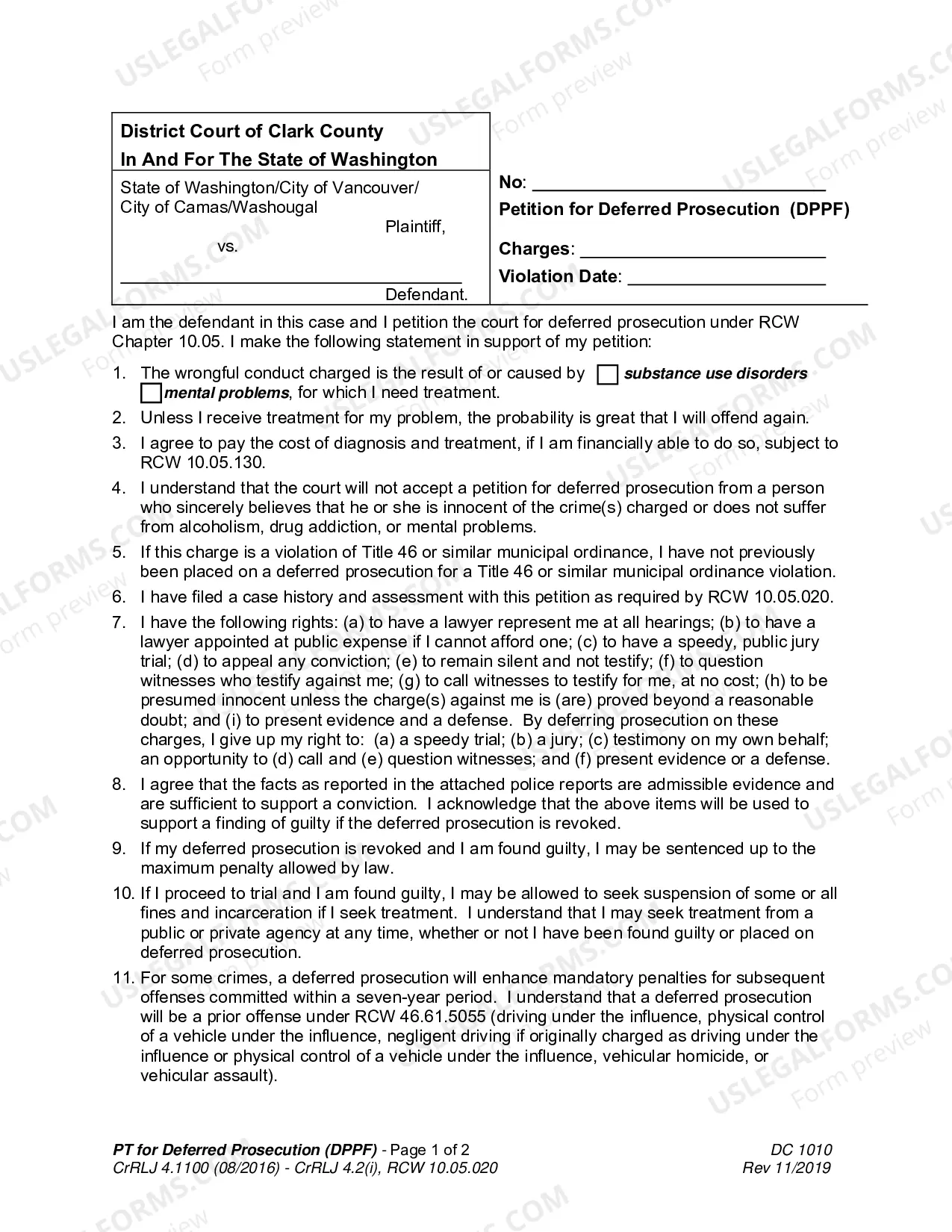






Form popularity
FAQ
If you do not post bond, you can be held until your trial is over. How long defendants can be held without bond might vary from case to case, but it could be anywhere from several weeks to months or longer.
From arrest to indictment: No more than 90 days prior to return or unsealing of the indictment. From indictment to trial: No more than 180 days before commencement of the trial. Additional time can be granted by a judge after a prosecutor's motion.
To post a property bond you must have your warranty deed, a current tax statement (showing the tax office fair market value and taxes must be current), a current mortgage statement (payments must be current), and all persons must be present whose names appear on the deed. All persons are required to have a picture ID.
Under the new law, there is no bail. The New Jersey court looks at whether or not the defendant will appear in court, the community is safe, and whether the defendant will obstruct the criminal justice process.
If violators cannot make bail, they must remain in jail and the A&P hearing will take place when court next convenes. If the violator is not released at the A&P hearing, a trial must be held within 48 hours.
Maximum Time in Jail Without Bond California Penal Code Section 825 says that a person arrested in California must be brought before a judge within 48 hours to be charged or released.
Obtaining a bail bond begins when a person is arrested and taken to jail. They will then be brought before a judge, who will set a bail amount based on the nature of the crime and the individual's criminal history. The bail amount is designed to act as insurance that ensures the person will return to court for trial.

