Corporation Personal Held Without Bail In Franklin
Description

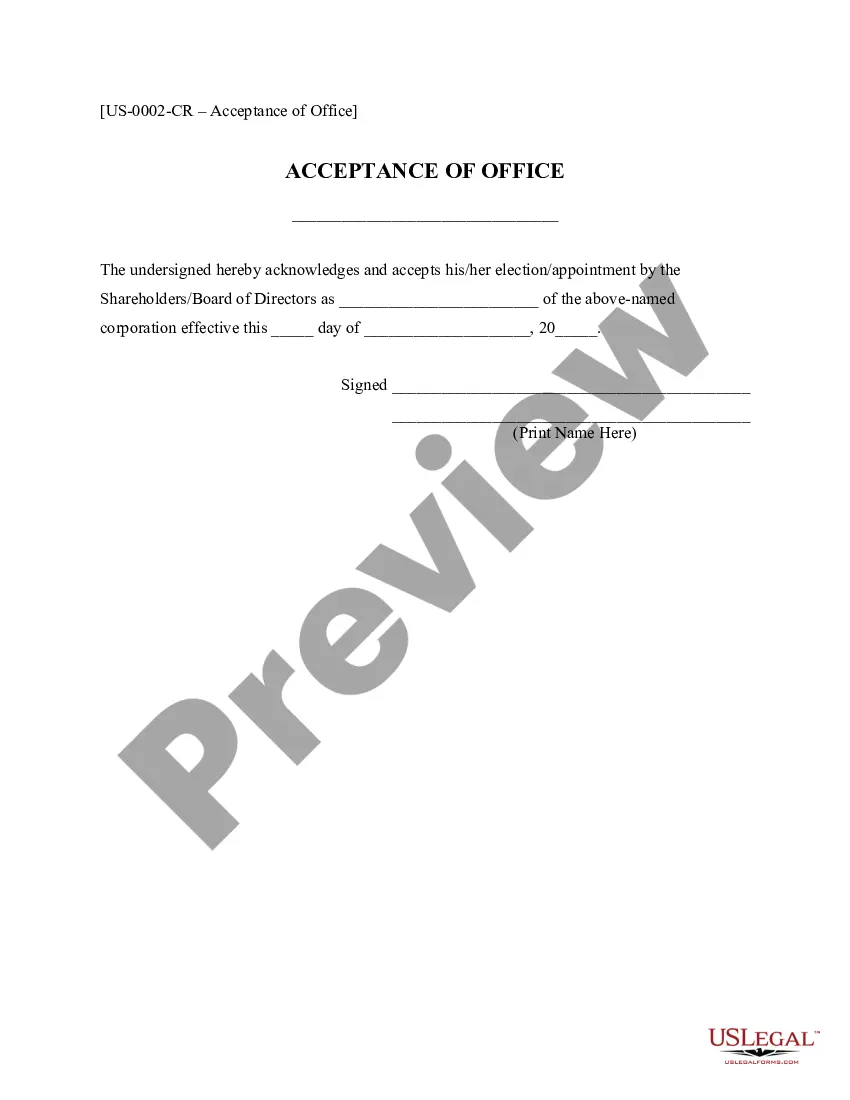
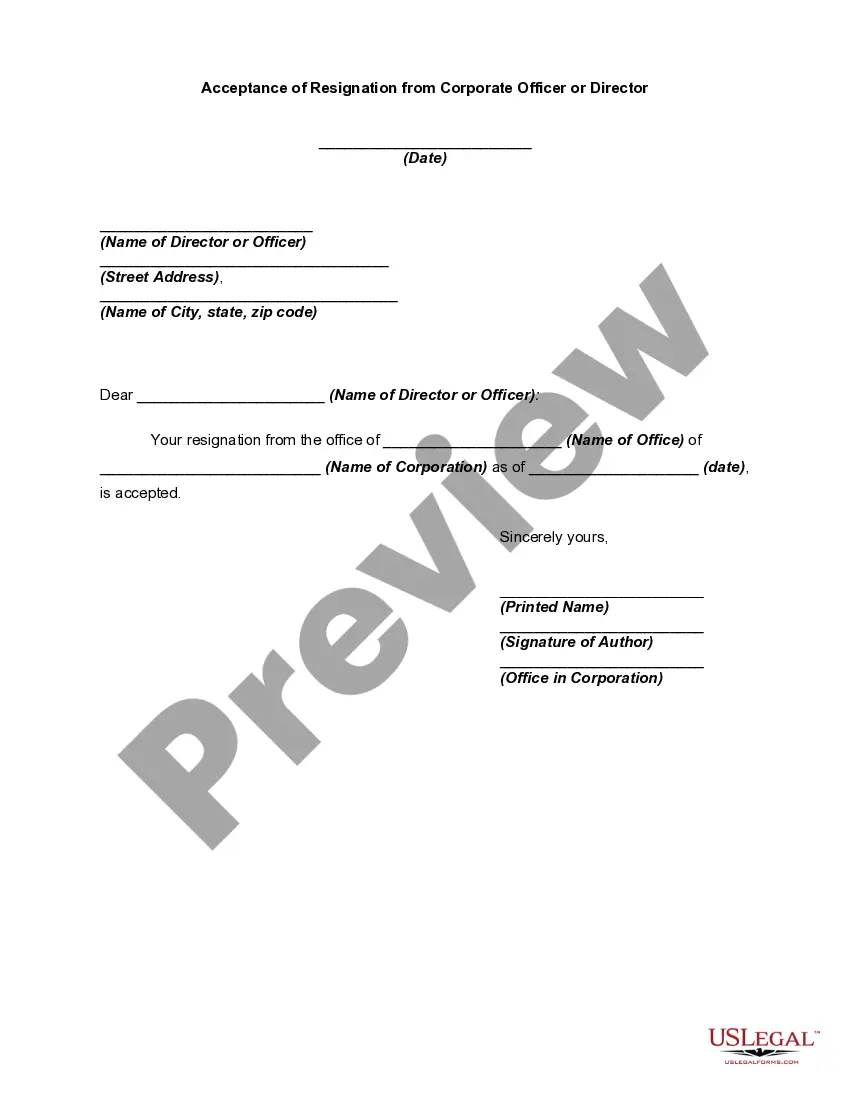
Get your form ready online
Our built-in tools help you complete, sign, share, and store your documents in one place.
Make edits, fill in missing information, and update formatting in US Legal Forms—just like you would in MS Word.
Download a copy, print it, send it by email, or mail it via USPS—whatever works best for your next step.
Sign and collect signatures with our SignNow integration. Send to multiple recipients, set reminders, and more. Go Premium to unlock E-Sign.
If this form requires notarization, complete it online through a secure video call—no need to meet a notary in person or wait for an appointment.
We protect your documents and personal data by following strict security and privacy standards.

Make edits, fill in missing information, and update formatting in US Legal Forms—just like you would in MS Word.

Download a copy, print it, send it by email, or mail it via USPS—whatever works best for your next step.

Sign and collect signatures with our SignNow integration. Send to multiple recipients, set reminders, and more. Go Premium to unlock E-Sign.

If this form requires notarization, complete it online through a secure video call—no need to meet a notary in person or wait for an appointment.

We protect your documents and personal data by following strict security and privacy standards.
Looking for another form?










Form popularity
FAQ
You go to the bonding company and you write out an affidavit as to why you no longer wish to be a cosigner on the bond. NOTE: There MUST be a valid reason as to WHY you no longer want to be on the bond. It cannot be that you just are angry at the defendant - I repeat there must be a valid reason.
Bail can be denied if the crime is serious, there's a risk of flight, evidence tampering, influencing witnesses, or if public safety is at risk.
As a co-signer, you're on the hook financially if the defendant skips bail. This liability can include the total bail amount, recovery fees, and court costs. If you used property or other assets as collateral, these could be seized to cover the forfeited bail.
If you or a loved one are remanded without bond, it means there is no chance for release before a trial date. Instead, you will be required to remain in jail until your hearing.
In California, a bail bondsman typically has six months to find and return the defendant. If the defendant is not found in the timeframe, you will be responsible for paying not only the full amount of the bond, but also any additional expenses and any unpaid premiums.
In California, a bail bondsman typically has six months to find and return the defendant. If the defendant is not found in the timeframe, you will be responsible for paying not only the full amount of the bond, but also any additional expenses and any unpaid premiums.

