Resignation Letter With 2 Week Notice In Florida
Description

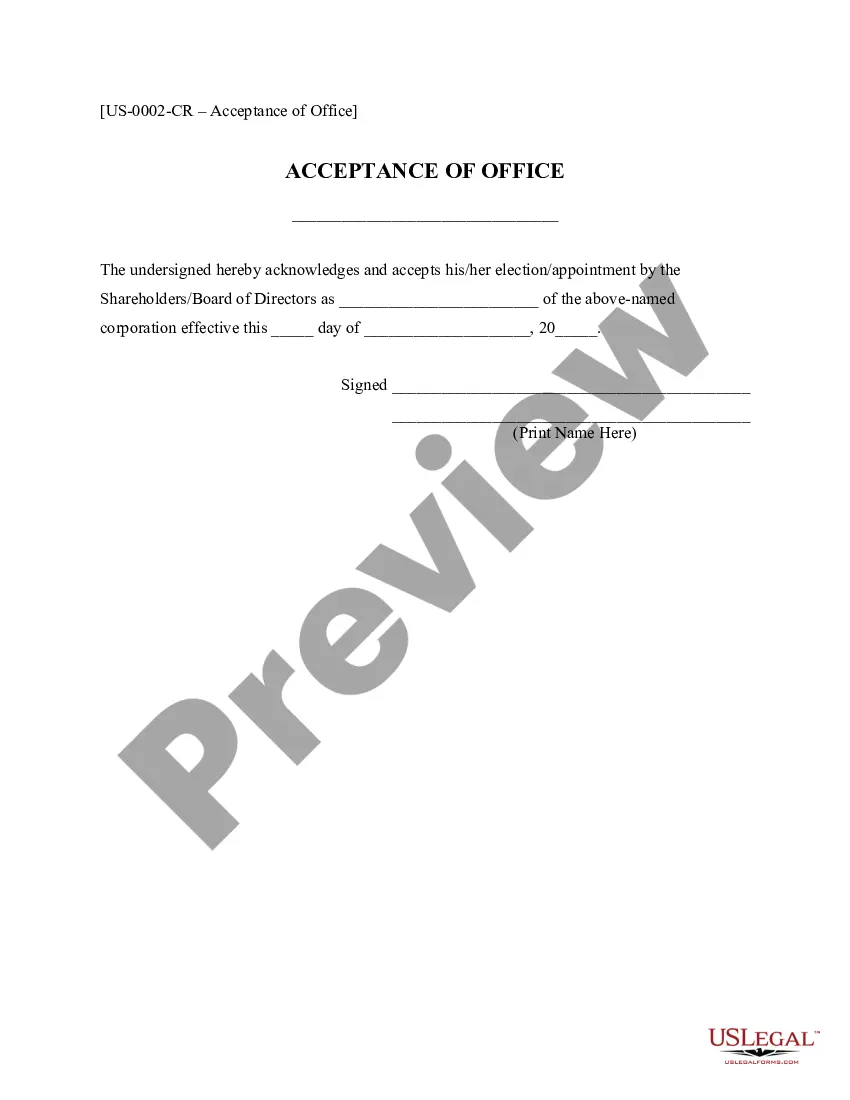
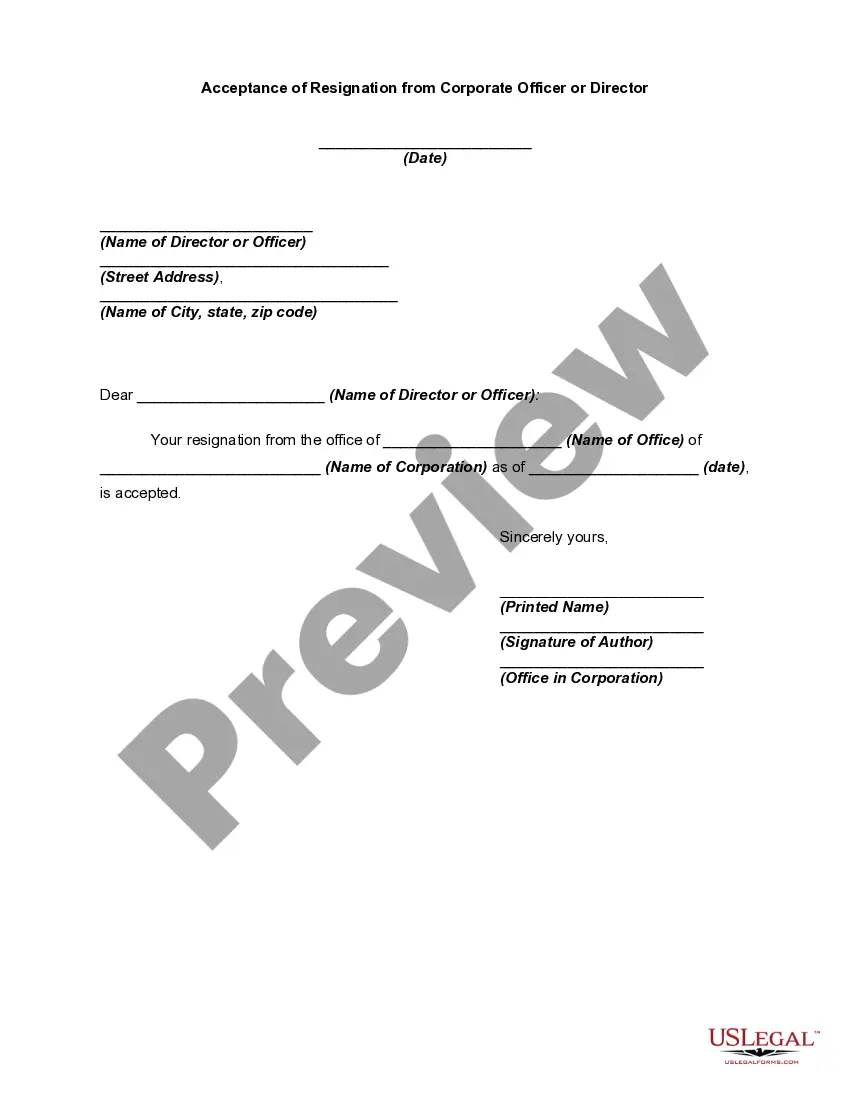
Get your form ready online
Our built-in tools help you complete, sign, share, and store your documents in one place.
Make edits, fill in missing information, and update formatting in US Legal Forms—just like you would in MS Word.
Download a copy, print it, send it by email, or mail it via USPS—whatever works best for your next step.
Sign and collect signatures with our SignNow integration. Send to multiple recipients, set reminders, and more. Go Premium to unlock E-Sign.
If this form requires notarization, complete it online through a secure video call—no need to meet a notary in person or wait for an appointment.
We protect your documents and personal data by following strict security and privacy standards.

Make edits, fill in missing information, and update formatting in US Legal Forms—just like you would in MS Word.

Download a copy, print it, send it by email, or mail it via USPS—whatever works best for your next step.

Sign and collect signatures with our SignNow integration. Send to multiple recipients, set reminders, and more. Go Premium to unlock E-Sign.

If this form requires notarization, complete it online through a secure video call—no need to meet a notary in person or wait for an appointment.

We protect your documents and personal data by following strict security and privacy standards.
Looking for another form?







Form popularity
FAQ
A3: Yes, employers can ask an employee to leave immediately upon receiving their resignation. However, consider the potential impact on morale and workload and whether you will compensate the employee for the notice period.
You cannot reject an employee's resignation. However, a conversation might help you find out if there are problems that can be resolved. This might be enough for the employee to choose to stay. You do not have to respond formally when someone tells you they're resigning.
Technically, the answer is yes. In most cases, it's entirely up to the employer to determine whether they want the person who is resigning to complete their final two weeks or whether they'd prefer to let them go right away.
The standard “two weeks' notice” is not required. (Although, unless you are leaving a hostile environment or unsafe working conditions, agreeing to a “notice” work period when quitting is usually better than burning bridges.)
Technically, the answer is yes. In most cases, it's entirely up to the employer to determine whether they want the person who is resigning to complete their final two weeks or whether they'd prefer to let them go right away.
I'm writing to let you know that I'll be resigning from my position at Company's Name. My last day will be Last Working Day, Date, two weeks from now. I've enjoyed working with you and the team and appreciate the support over the years. Happy to help train my replacement to make this transition easier for everyone.
The standard “two weeks' notice” is not required. (Although, unless you are leaving a hostile environment or unsafe working conditions, agreeing to a “notice” work period when quitting is usually better than burning bridges.)
Florida operates based on at-will employment. This means that employers can terminate employees at any time without reason or notice. This law also gives employees the right to quit without providing a reason or notice.
Dear recipient's name, I am writing to inform you of my decision to resign from my position at Company Name, effective immediately. Due to unforeseen personal circumstances, I am unable to continue my role at this time. I am deeply grateful for the opportunities and experiences I have had while working here.

