Acceptance Letter With Counter Offer In Pima
Description
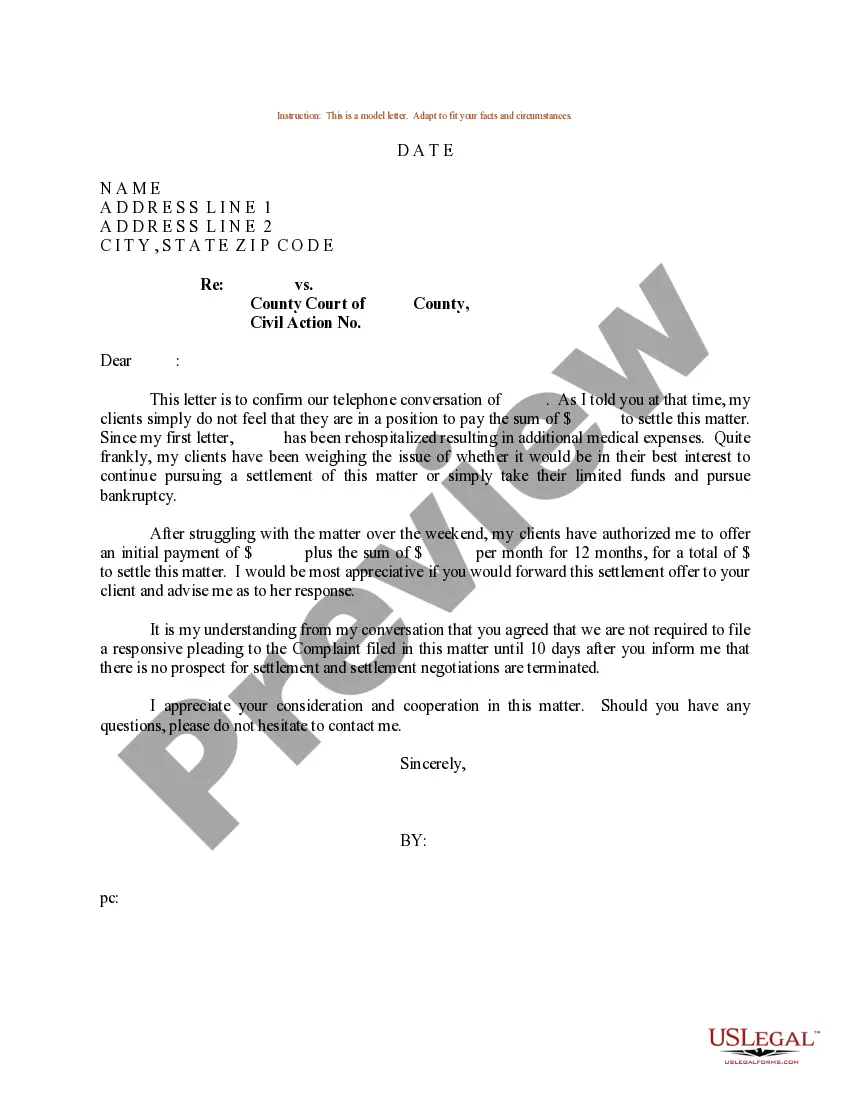
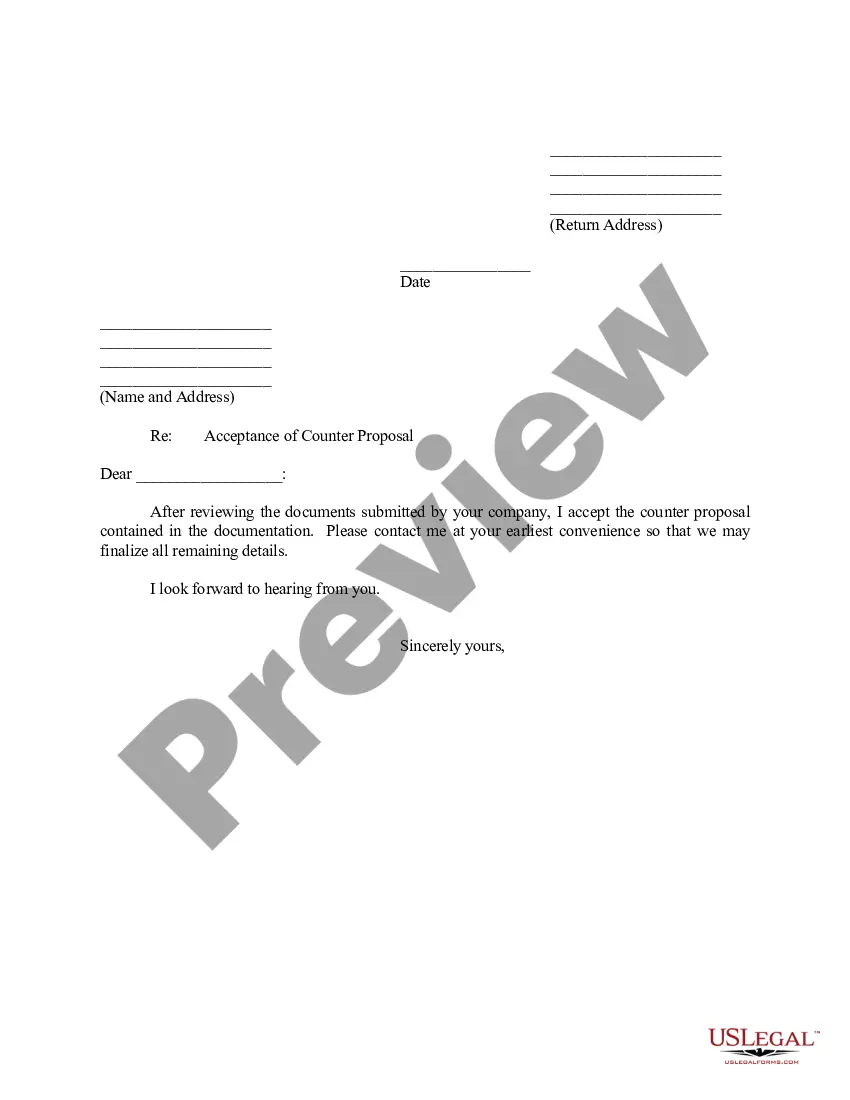
Get your form ready online
Our built-in tools help you complete, sign, share, and store your documents in one place.
Make edits, fill in missing information, and update formatting in US Legal Forms—just like you would in MS Word.
Download a copy, print it, send it by email, or mail it via USPS—whatever works best for your next step.
Sign and collect signatures with our SignNow integration. Send to multiple recipients, set reminders, and more. Go Premium to unlock E-Sign.
If this form requires notarization, complete it online through a secure video call—no need to meet a notary in person or wait for an appointment.
We protect your documents and personal data by following strict security and privacy standards.

Make edits, fill in missing information, and update formatting in US Legal Forms—just like you would in MS Word.

Download a copy, print it, send it by email, or mail it via USPS—whatever works best for your next step.

Sign and collect signatures with our SignNow integration. Send to multiple recipients, set reminders, and more. Go Premium to unlock E-Sign.

If this form requires notarization, complete it online through a secure video call—no need to meet a notary in person or wait for an appointment.

We protect your documents and personal data by following strict security and privacy standards.
Looking for another form?










Form popularity
FAQ
The key idea is moving on. The employer does not need to rescind the offer, they can just reject the counter offer and move to the next candidate. When you make a counter offer, it means the original offer is rejected and it is immediately off the table. This is the case in all business negotiations.
Accepting a counteroffer can lead to a sense of mistrust, making it challenging to rebuild a positive working relationship. Your loyalty could come into question, potentially affecting future assignments and promotions.
Tips for Writing a Counteroffer Letter State clear reasons backed with research. Communicate other job offers. Emphasize your sought-after skills. Formulate your wants as requests rather than demands. Use polite, neutral terms. Edit and proofread.
You can use the following steps as guidance when countering a job offer to negotiate your compensation: Ask for time to make your decision. Conduct research on industry compensation. Assess your qualifications and experience. Review and evaluate the initial offer. Determine your counteroffer value. Submit your counteroffer.
If you're open to staying with your current company, you could use the offer as leverage in negotiations without sharing the specific details. You could mention that you have a competitive offer and would like to discuss a counteroffer. Ultimately, the decision to share your offer letter is yours.
I'm writing to let you know I've received your counter offer with new terms in response to the original job offer. While I believe you're an impressive candidate and an excellent fit for the role, I'm unable to offer you your desired salary amount;.
Just say that you're excited for the offer and ask if there's anything they can do to bump up the salary. Don't give a specific number unless you absolutely have to. There's always wiggle room in the first offer because they expect you to negotiate. Don't listen to the people saying it's too late now.
There are three types of acceptance: Empress acceptance. Implied acceptance. Conditional acceptance.
A counteroffer functions as both a rejection of an offer to enter into a contract, as well as a new offer that materially changes the terms of the original offer. Because a counteroffer serves as a rejection, it completely voids the original offer. Thus, the original offer can no longer be accepted.
You can use the following steps as guidance when countering a job offer to negotiate your compensation: Ask for time to make your decision. Conduct research on industry compensation. Assess your qualifications and experience. Review and evaluate the initial offer. Determine your counteroffer value. Submit your counteroffer.