Acceptance Letter In Spanish In Michigan
Description
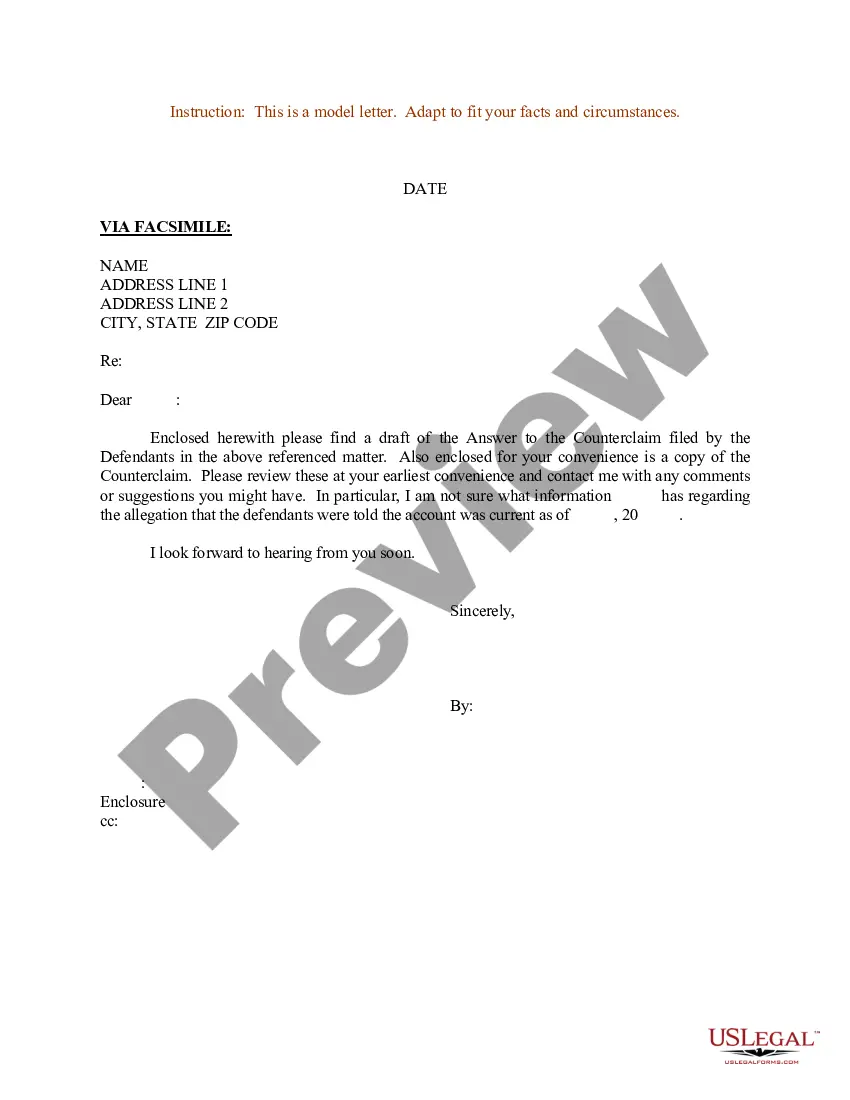
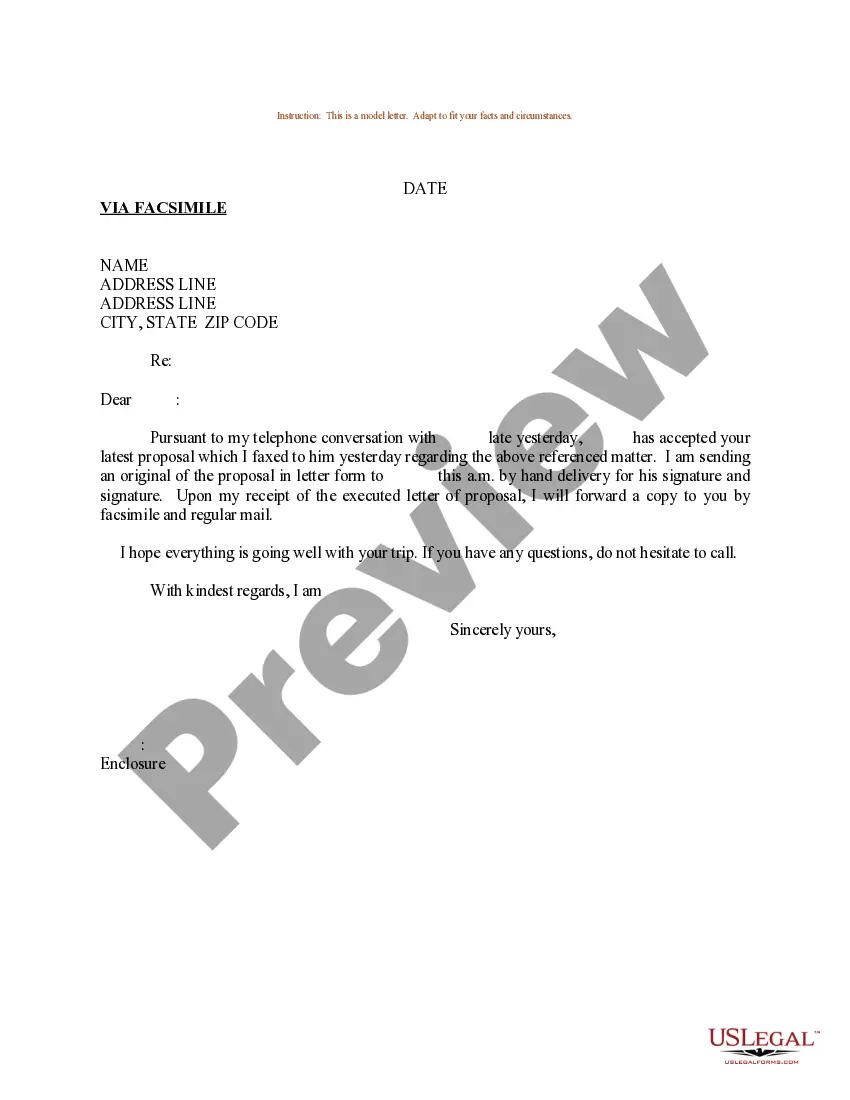
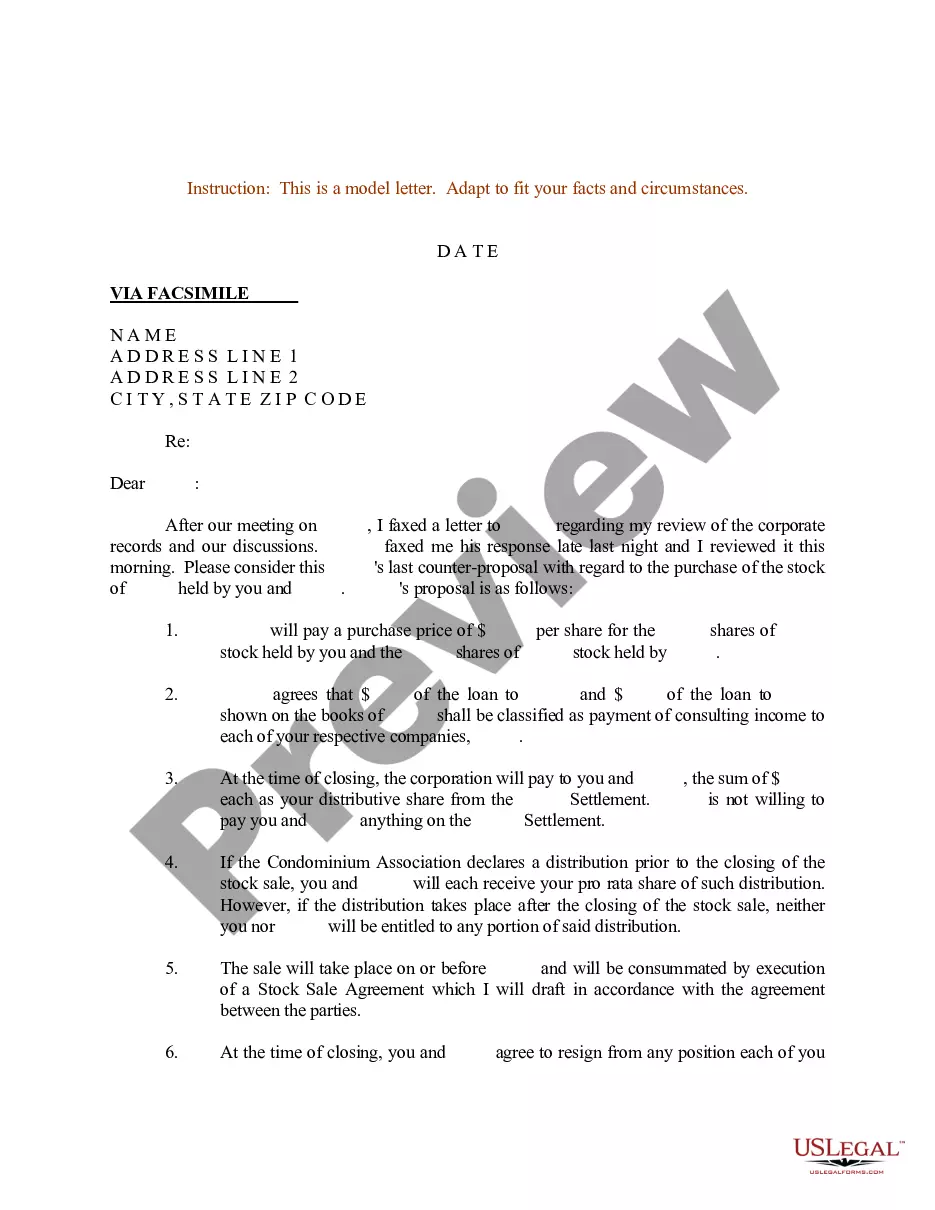
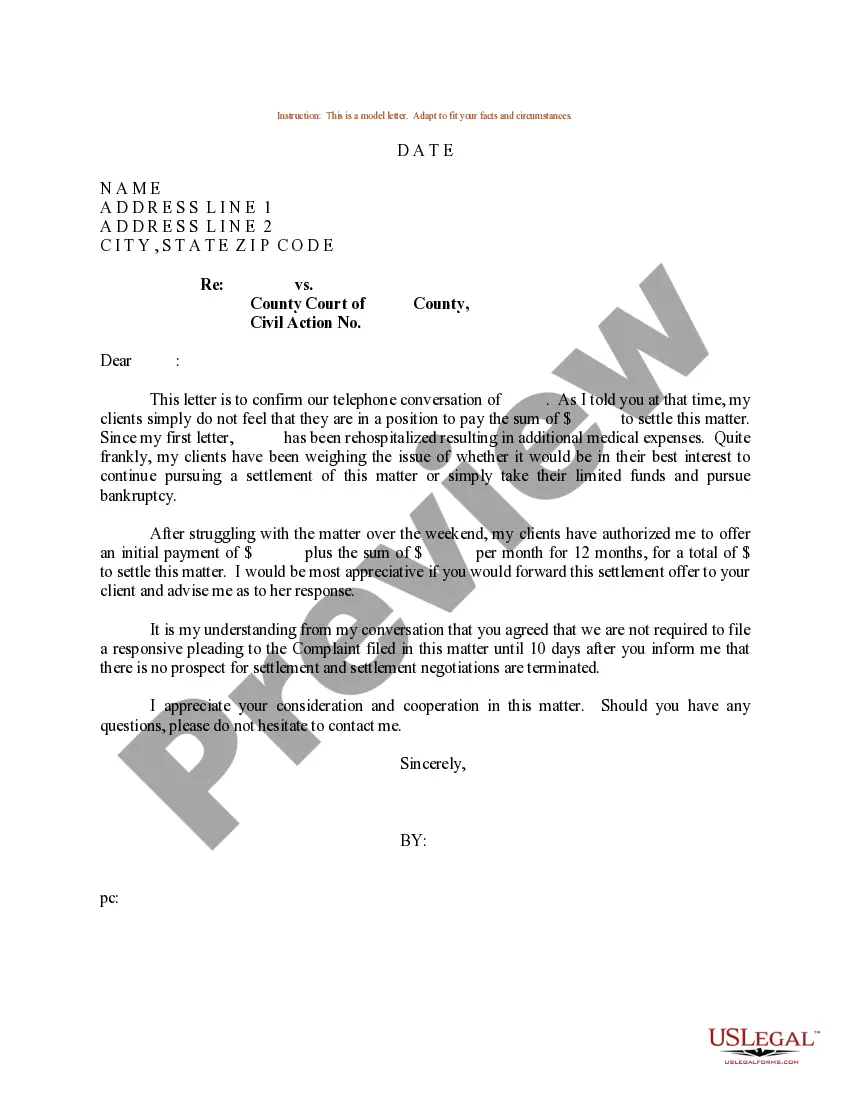
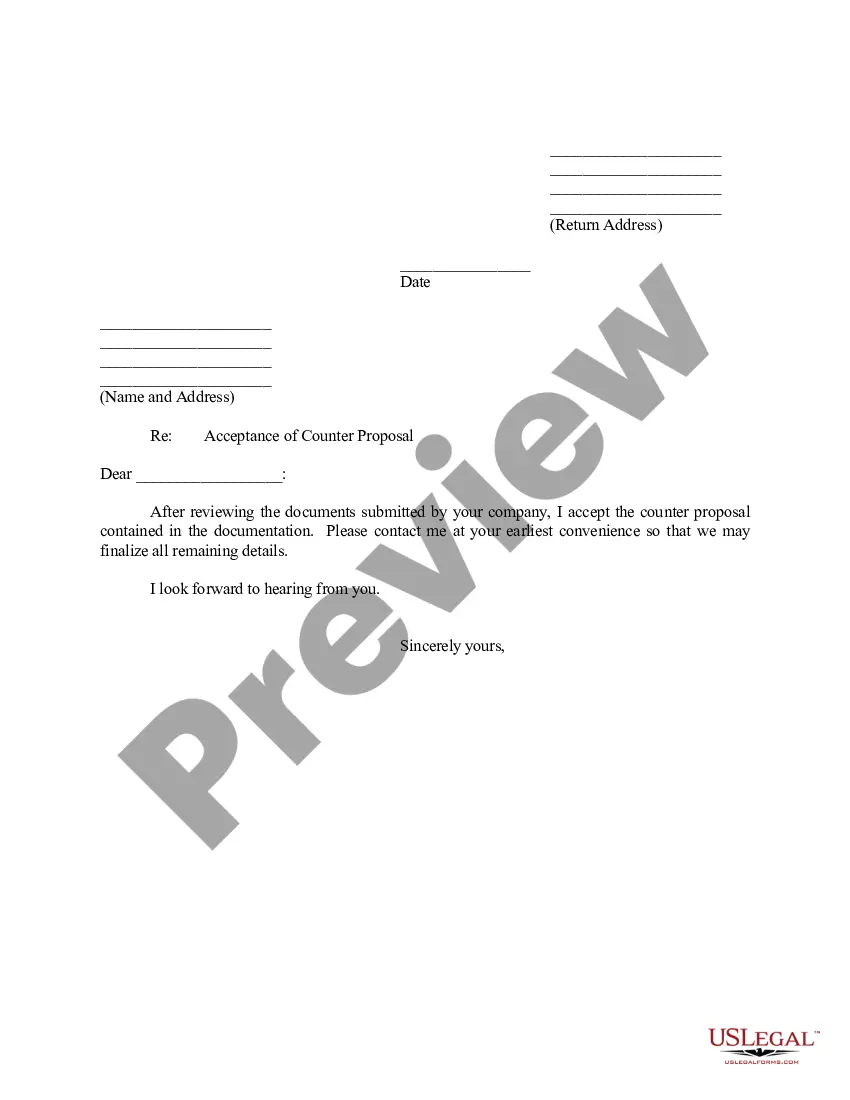
Get your form ready online
Our built-in tools help you complete, sign, share, and store your documents in one place.
Make edits, fill in missing information, and update formatting in US Legal Forms—just like you would in MS Word.
Download a copy, print it, send it by email, or mail it via USPS—whatever works best for your next step.
Sign and collect signatures with our SignNow integration. Send to multiple recipients, set reminders, and more. Go Premium to unlock E-Sign.
If this form requires notarization, complete it online through a secure video call—no need to meet a notary in person or wait for an appointment.
We protect your documents and personal data by following strict security and privacy standards.

Make edits, fill in missing information, and update formatting in US Legal Forms—just like you would in MS Word.

Download a copy, print it, send it by email, or mail it via USPS—whatever works best for your next step.

Sign and collect signatures with our SignNow integration. Send to multiple recipients, set reminders, and more. Go Premium to unlock E-Sign.

If this form requires notarization, complete it online through a secure video call—no need to meet a notary in person or wait for an appointment.

We protect your documents and personal data by following strict security and privacy standards.
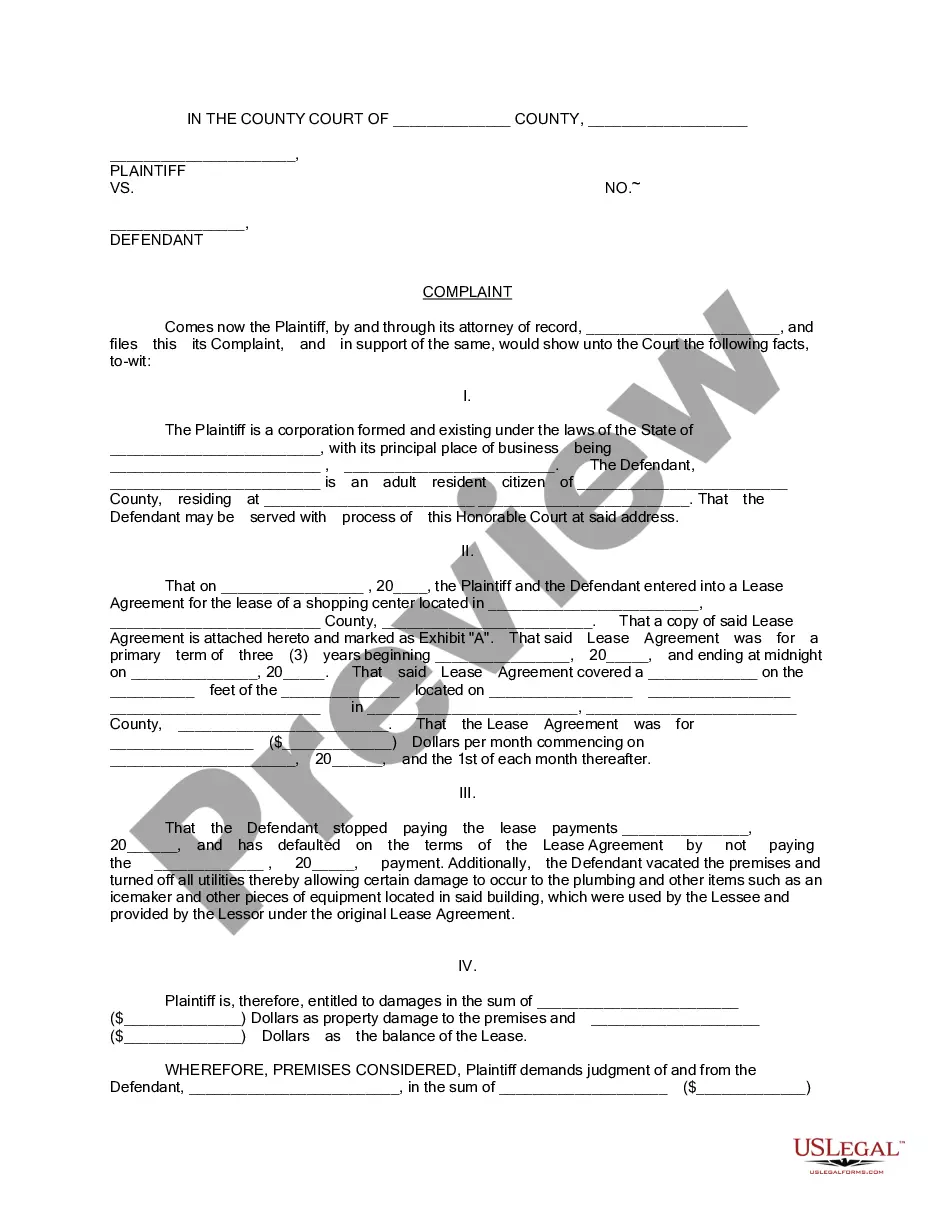
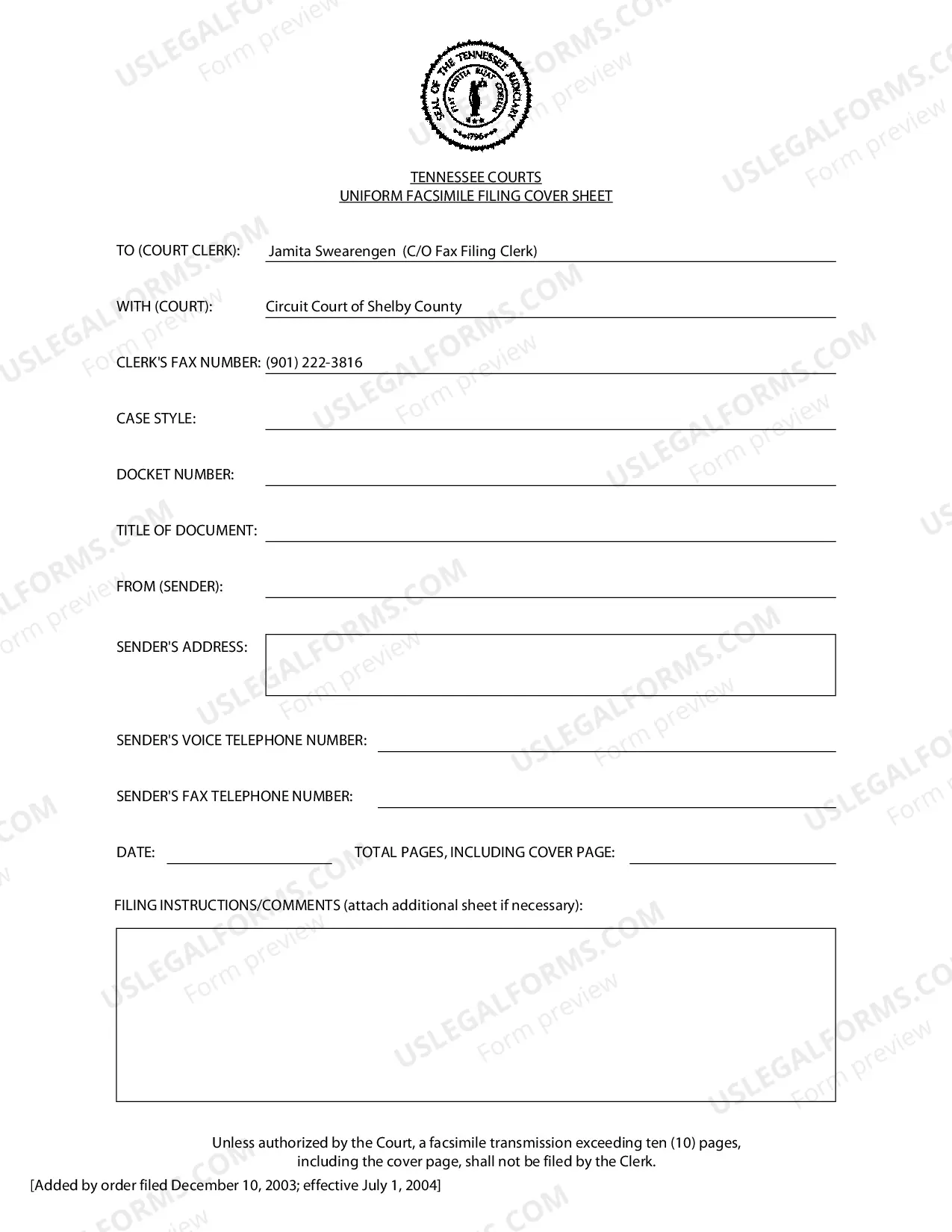
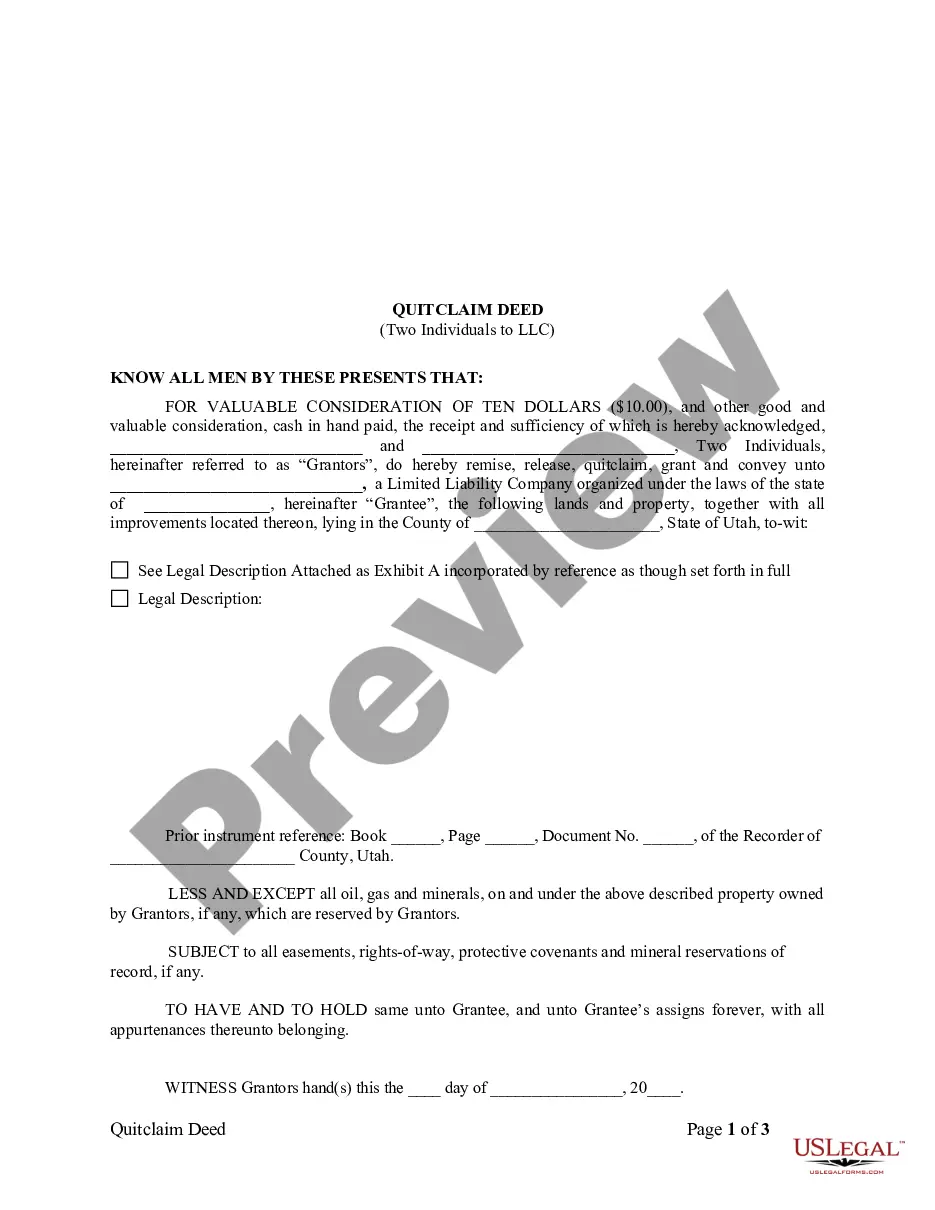
Looking for another form?







Form popularity
FAQ
If you're the student, in my countries it'll be common to call a female primary school teacher “Seorita” or “Seo” (“Miss” and its diminutive form) and a male teacher “Profesor” or “Profe”. Afterwards, in secondary school and upper education, “profesor” and “profesora” are OK.
How to write a formal letter Write your name and contact information. Include the date. Include the recipient's name and contact information. Write a subject line for AMS style. Write a salutation for block style. Write the body of the letter. Include a sign-off. Proofread your letter.
Salutation: Start with a polite greeting. - Example: ``Dear (Teacher's Name),'' Introduction: Introduce yourself if necessary and state the purpose of your letter. - Example: ``I hope this letter finds you well. Body: Share your thoughts, experiences, or compliments.
You can take more liberties when opening a Spanish letter with an informal greeting and express the various degrees of how close you are to the recipient: Hola, – Hi, / Hi there, / Hey, Querido Pablo, – Dear Pablo, Querida Pilar, – Dear Pilar, Queridos, – Dears, Amado / Amada – Beloved.
When addressing someone with a professional title, such as a doctor, professor or teachers, it's customary to include their title in the salutation. Estimado Dr. González, (Dear Dr. González,) Estimada Prof. Ramírez, (Dear Professor Ramírez) Estimada Maestra Cruz, (Dear Teacher Cruz)
“Atentamente” is a common formal closing in Spanish, which translates to “sincerely” in English. Other formal options include “Cordialmente” (cordially) and “Saludos cordiales” (warm regards).
When addressing someone with a professional title, such as a doctor, professor or teachers, it's customary to include their title in the salutation. Estimado Dr. González, (Dear Dr. González,) Estimada Prof. Ramírez, (Dear Professor Ramírez) Estimada Maestra Cruz, (Dear Teacher Cruz)
Estimado seor / Estimada seora – Dear sir / Dear madam. Muy seor mío: / Muy seora mía – Dear sir / Dear madam. Estimados seores – Dear sirs/ madams. A quien pueda interesar: / A quien corresponda – To whom it may concern.
Public court records can be viewed online at . Requests for copies of a public record must be submitted on a File / Copy Request Form (PDF). A specific case number or the party name is required to provide requested information.
Of those eight counties, only Oakland and Washtenaw allow a new divorce case to be e-filed. In Oakland County, e-filing is required thoughout the divorce process while in Washtenaw County, e-filing remains optional.
