Letter With Acceptance In Maricopa
Description
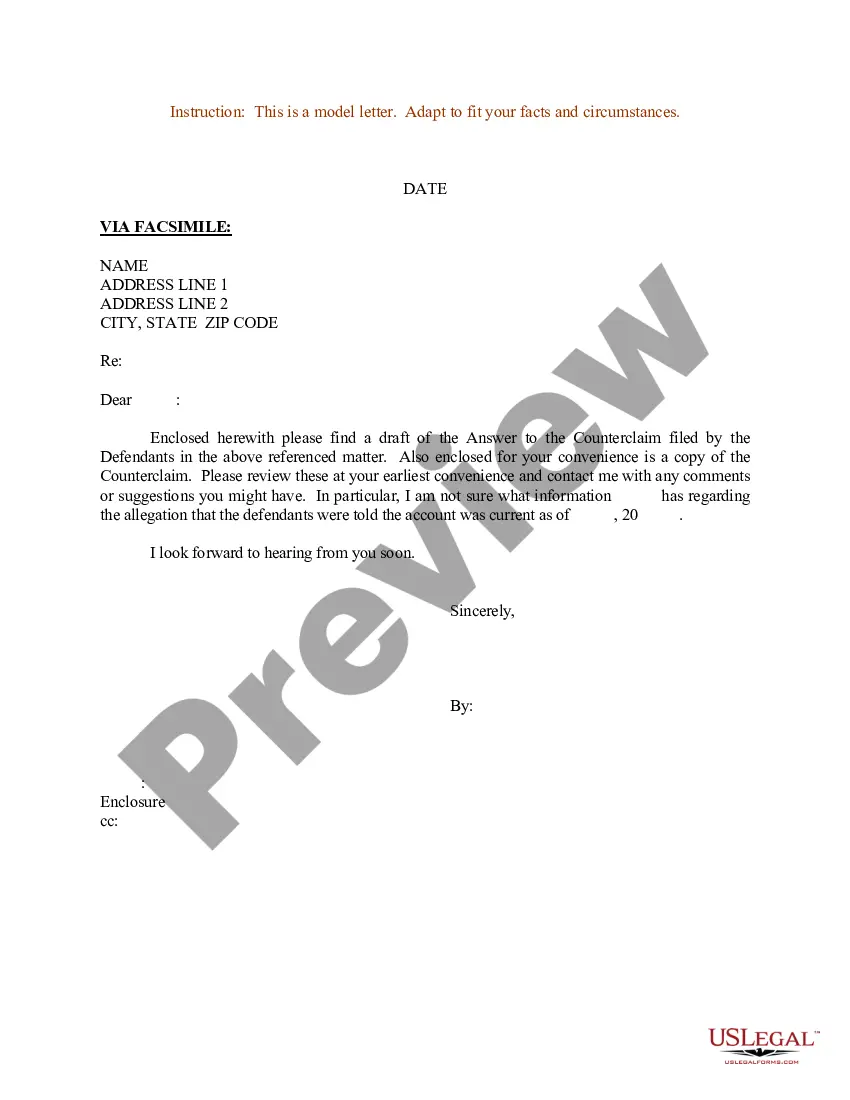
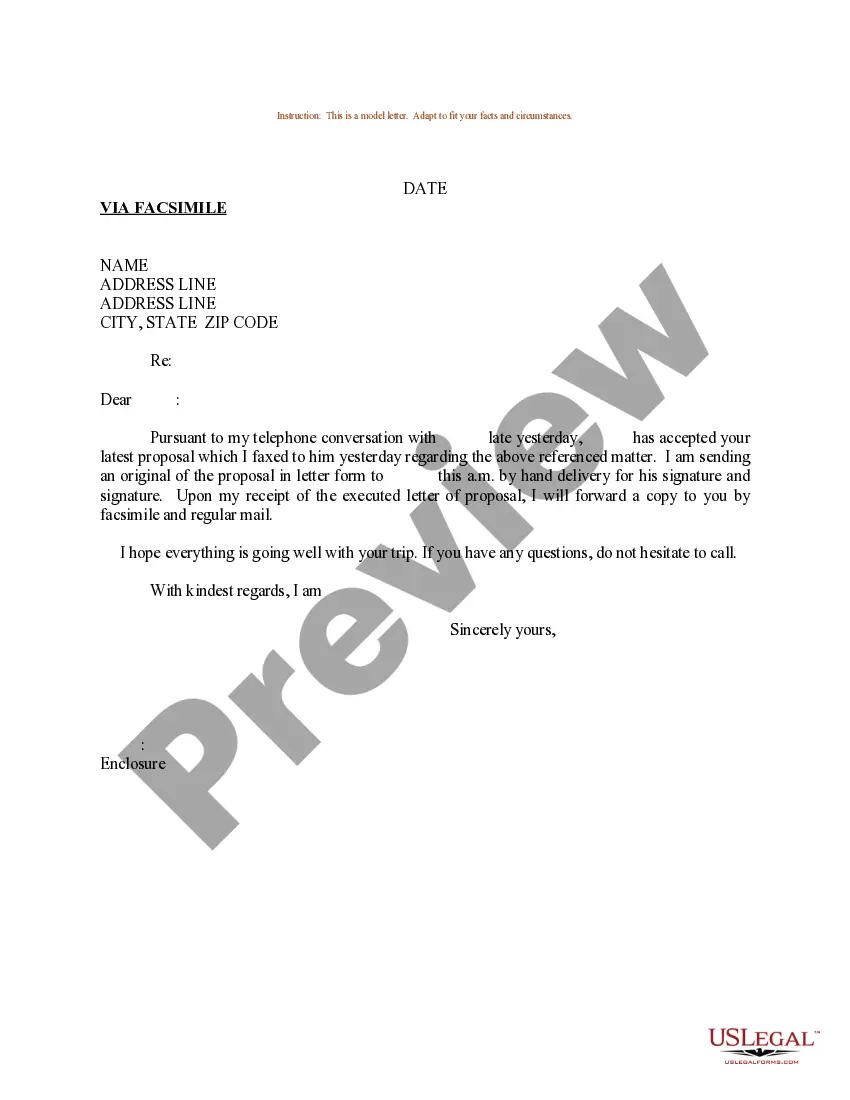
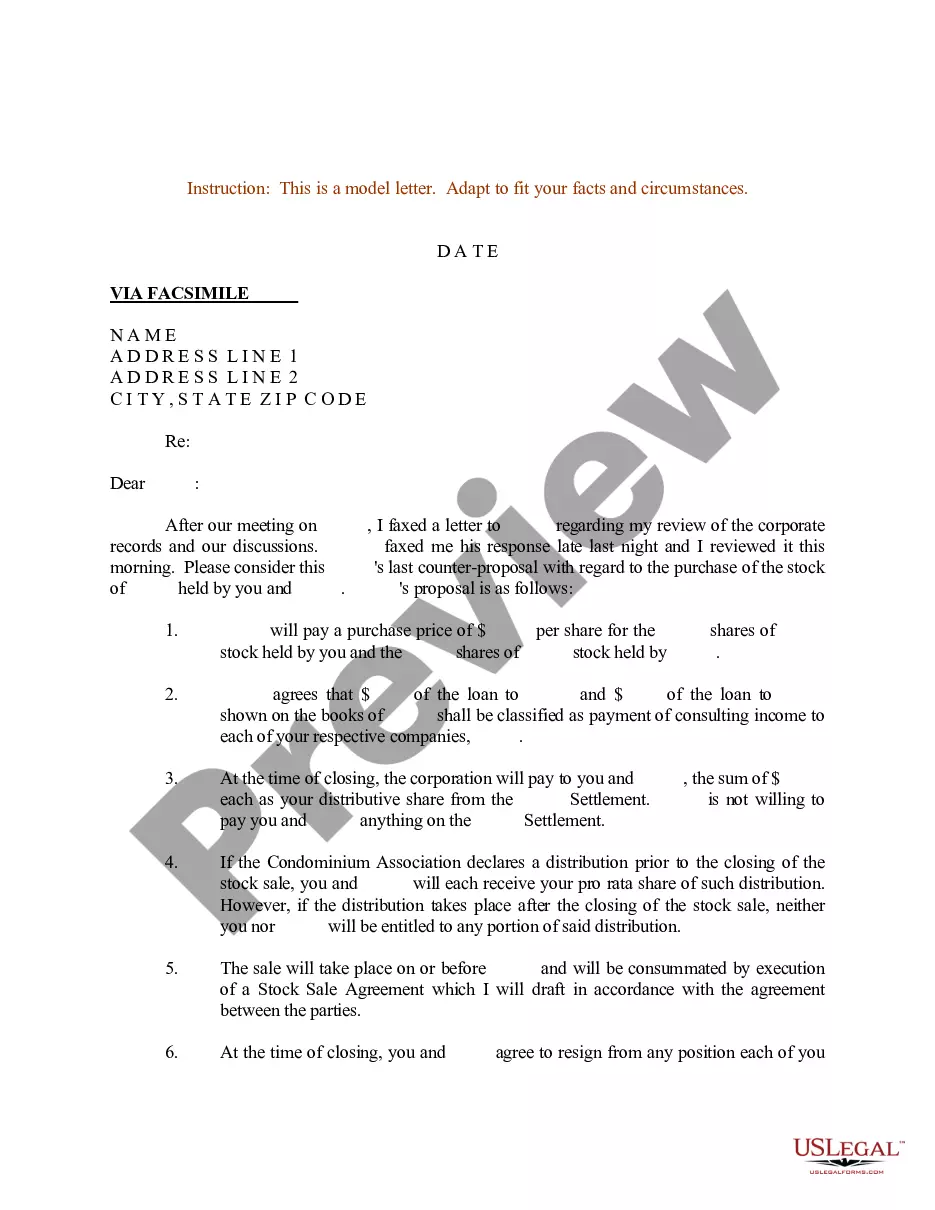
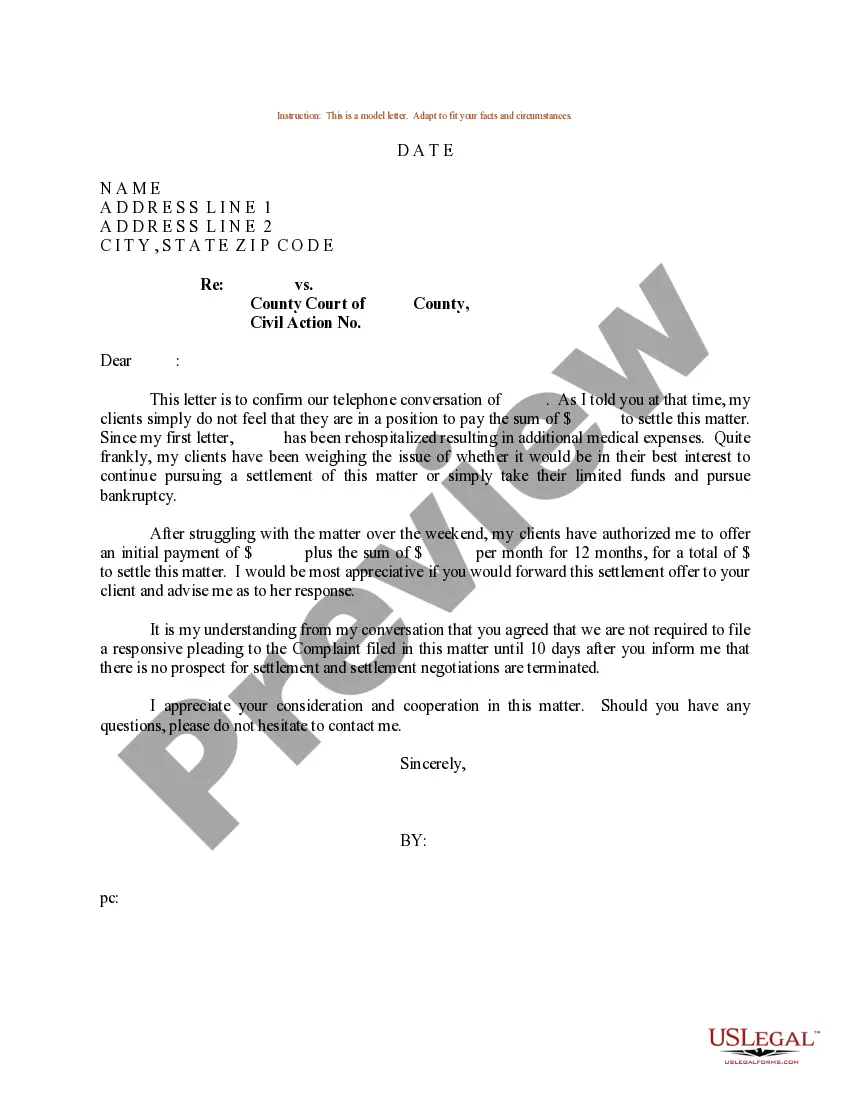
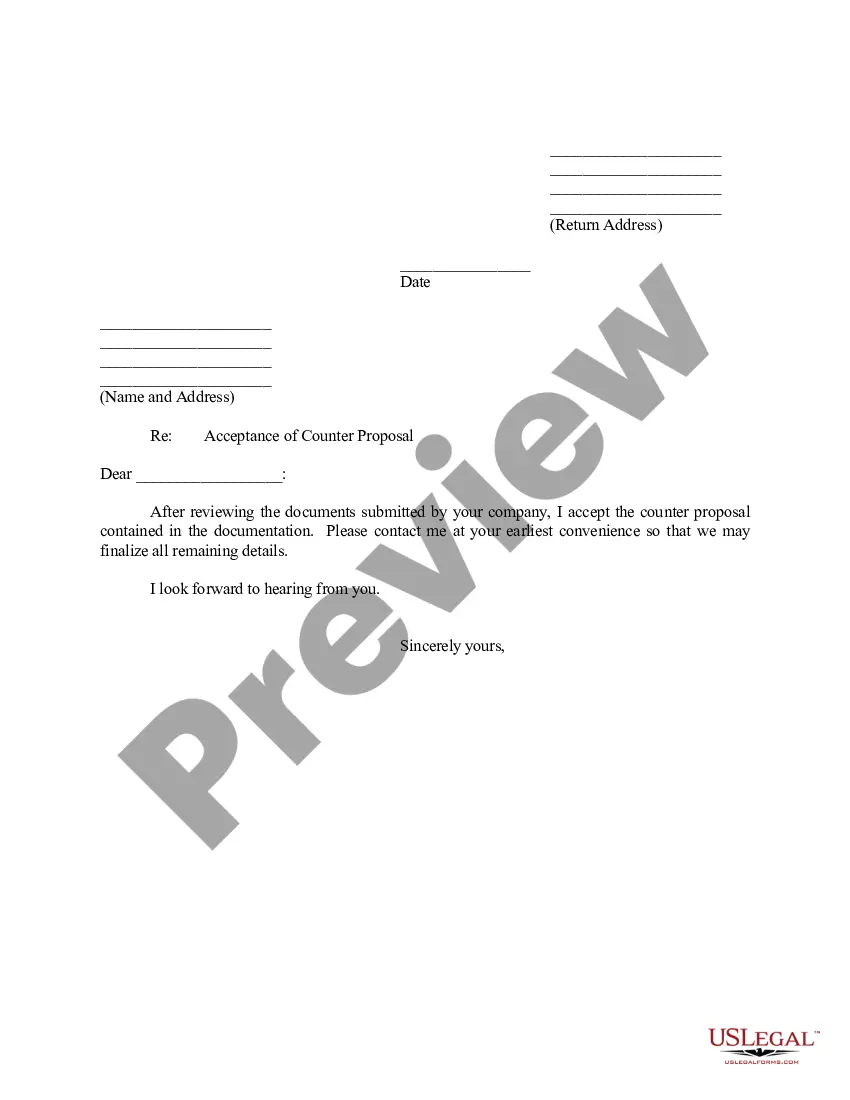
Get your form ready online
Our built-in tools help you complete, sign, share, and store your documents in one place.
Make edits, fill in missing information, and update formatting in US Legal Forms—just like you would in MS Word.
Download a copy, print it, send it by email, or mail it via USPS—whatever works best for your next step.
Sign and collect signatures with our SignNow integration. Send to multiple recipients, set reminders, and more. Go Premium to unlock E-Sign.
If this form requires notarization, complete it online through a secure video call—no need to meet a notary in person or wait for an appointment.
We protect your documents and personal data by following strict security and privacy standards.

Make edits, fill in missing information, and update formatting in US Legal Forms—just like you would in MS Word.

Download a copy, print it, send it by email, or mail it via USPS—whatever works best for your next step.

Sign and collect signatures with our SignNow integration. Send to multiple recipients, set reminders, and more. Go Premium to unlock E-Sign.

If this form requires notarization, complete it online through a secure video call—no need to meet a notary in person or wait for an appointment.

We protect your documents and personal data by following strict security and privacy standards.
Looking for another form?




Form popularity
FAQ
Subsequent Attempts: Most process servers are committed to making several attempts, usually spanning different times of the day and week, to accommodate the surprise factor essential in process serving. The industry standard is around 3-4 attempts, allowing for adapting to the needs of each specific case.
You can send the court papers by giving the post office copies of the court papers in an envelope, postage prepaid, to be sent to the other party by any form of mail requiring a signed and returned receipt. This is often called Certified Mail, Restricted Delivery by the post office.
In any event, the serving party must mail the summons, the pleading being served, and any court order authorizing an alternative means of service to the last-known business or residential address of the person being served.
Arizona law for service of process states that a server can leave “a copy of each at that individual's dwelling or usual place of abode with someone of suitable age and discretion who resides there.” This means that court documents can be left with a family member who lives in your home, as long as they are of a ...
Process servers typically follow specific protocols when no one answers the door. Usually, they'll make multiple attempts at different times and days to reach you at home. Their efforts may include visiting during evenings or weekends to ensure a higher chance of serving the court documents via personal service.
Yes, someone other than the respondent can accept served papers in Arizona under certain circumstances. If the respondent anticipates the service, they can allow a designated agent to accept the papers on their behalf so long as this individual is a legally authorized respondent.

