Acceptance Letter To College In Hillsborough
Description
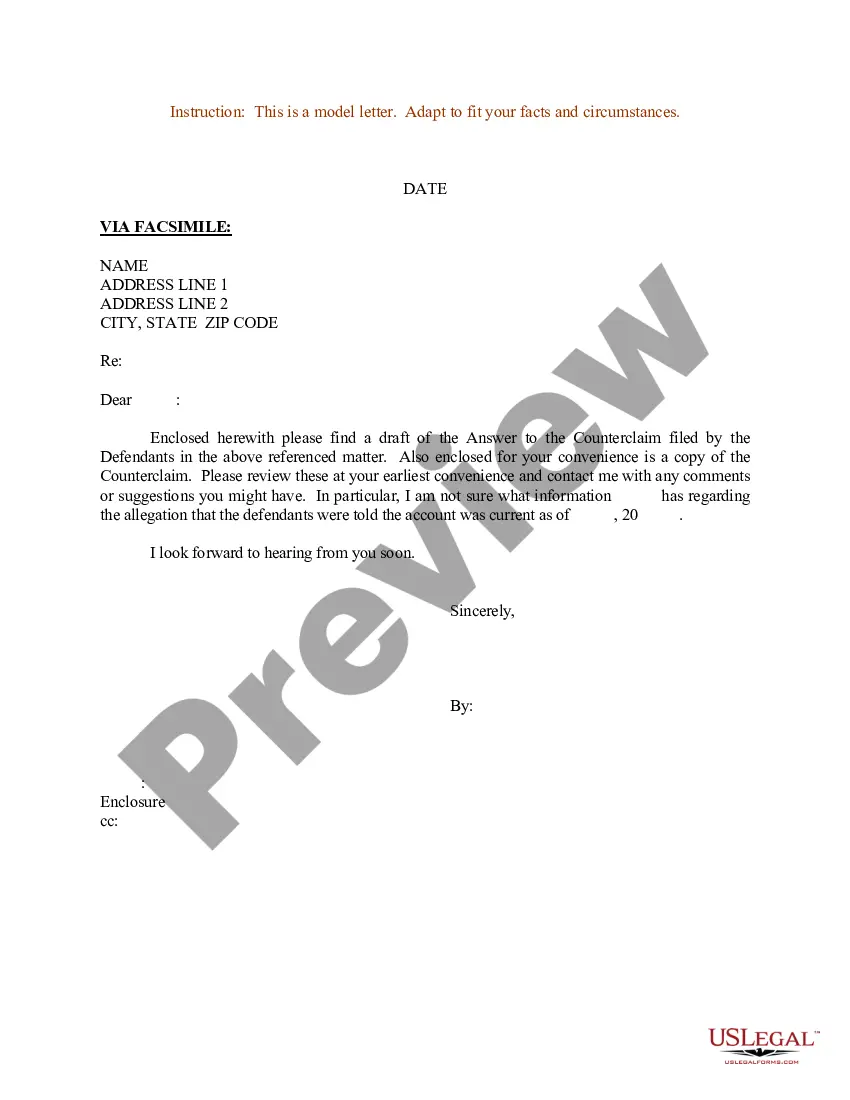
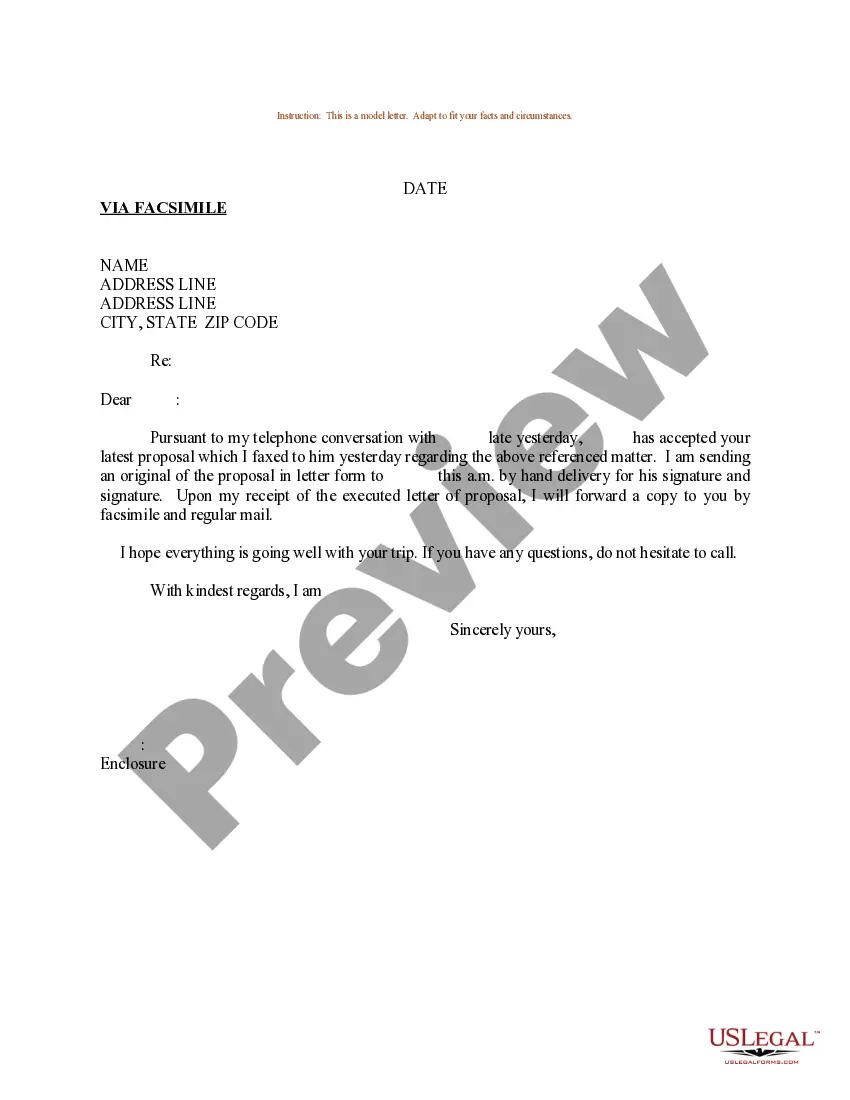
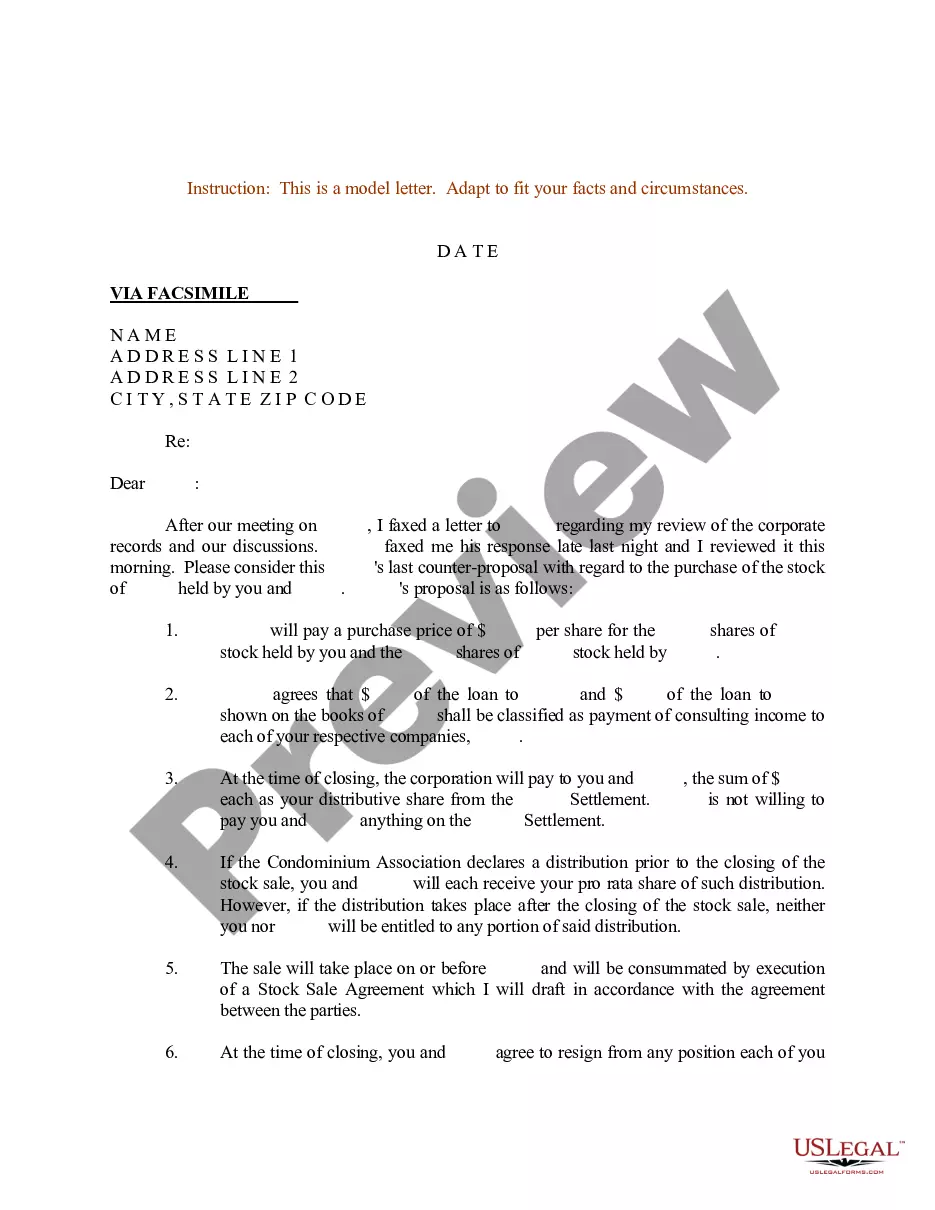
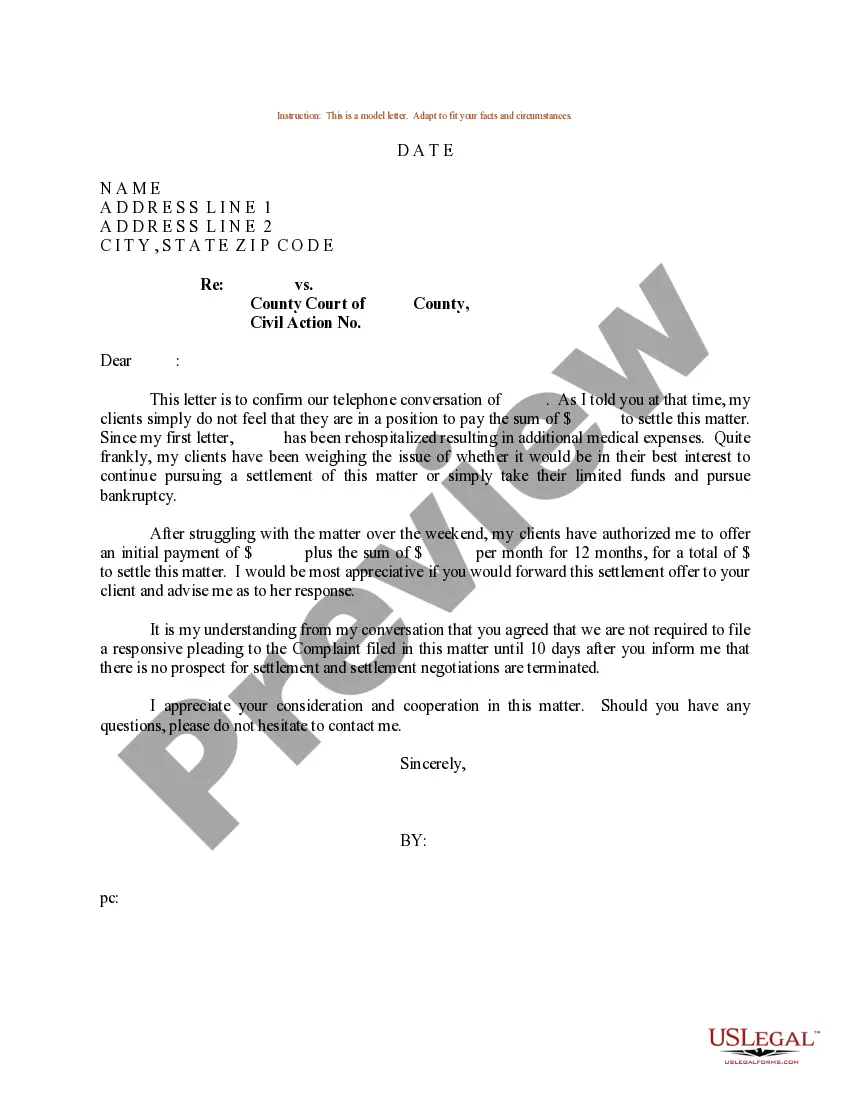
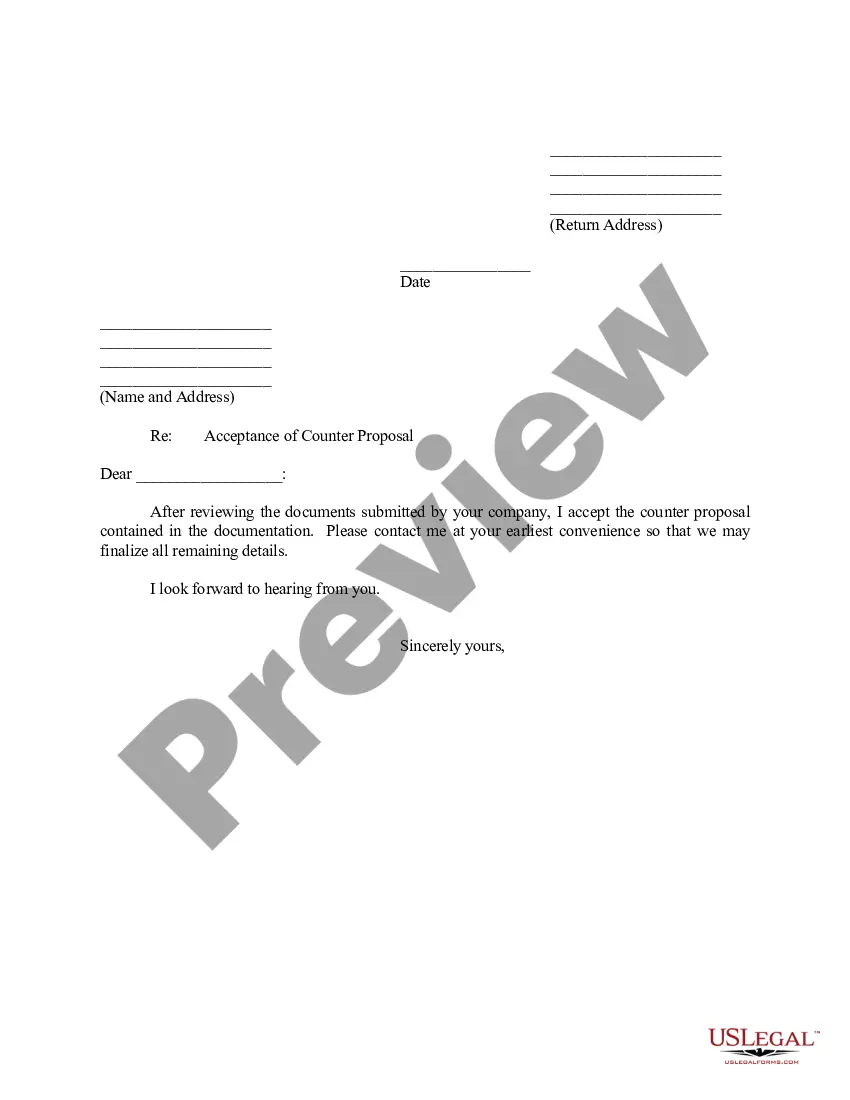
Get your form ready online
Our built-in tools help you complete, sign, share, and store your documents in one place.
Make edits, fill in missing information, and update formatting in US Legal Forms—just like you would in MS Word.
Download a copy, print it, send it by email, or mail it via USPS—whatever works best for your next step.
Sign and collect signatures with our SignNow integration. Send to multiple recipients, set reminders, and more. Go Premium to unlock E-Sign.
If this form requires notarization, complete it online through a secure video call—no need to meet a notary in person or wait for an appointment.
We protect your documents and personal data by following strict security and privacy standards.

Make edits, fill in missing information, and update formatting in US Legal Forms—just like you would in MS Word.

Download a copy, print it, send it by email, or mail it via USPS—whatever works best for your next step.

Sign and collect signatures with our SignNow integration. Send to multiple recipients, set reminders, and more. Go Premium to unlock E-Sign.

If this form requires notarization, complete it online through a secure video call—no need to meet a notary in person or wait for an appointment.

We protect your documents and personal data by following strict security and privacy standards.
Looking for another form?

Form popularity
FAQ
It can take a few weeks to a few months to hear back for a college admissions decision, depending on the type of application you submitted. Early applicants — such as early decision or early action — will generally hear back in December while regular decision applicants will receive their admission decision in April.
There's also a little bit of variation in how decisions are conveyed: you can expect many colleges to send acceptance letters by email or online portal, though some will still send a formal letter in your mailbox, too.
Hillsborough admissions is not selective with an acceptance rate of 100%. The regular admissions application deadline for Hillsborough is rolling.
It can take a few weeks to a few months to hear back for a college admissions decision, depending on the type of application you submitted. Early applicants — such as early decision or early action — will generally hear back in December while regular decision applicants will receive their admission decision in April.
The timing of decision emails depends on the specific college and their admissions process. Some colleges may send out all decisions (acceptances, rejections, and waitlists) simultaneously, while others might send them out in separate batches.
When Do College Decisions Usually Come Out? Application TimelineApplication DeadlineDecision Notification Early Decision/Early Action Mid-October to early November Mid-December Early Decision II/Early Action II Early January Mid-February Regular Decision Early January Mid-March to early April Rolling Admissions Anytime Anytime
When do you apply for college? College application typeAdmission decision Early decision Mid-December Early action Mid-December to February Regular decision March to early April Rolling admissions 4 to 6 weeks after submission
Hang in there—you'll know soon enough! Colleges that accept you will usually notify you of your acceptance between mid-March and mid-April, either through an email or as an update on your college application portal.
If you received your college acceptance letter via email, you can respond directly to that email. If the letter was sent through direct mail, consider replying with a physical letter. The college admissions board often specifies their preferred method of communication in the acceptance letter.
How to write an admissions acceptance letter Prepare the header. Begin the letter with an official header that includes the student's full name and address. Confirm the candidate's admission. Share congratulations. Explain how to accept. Include optional details. Encourage them to accept.

