Acceptance Letter In Spanish In Cuyahoga
Description
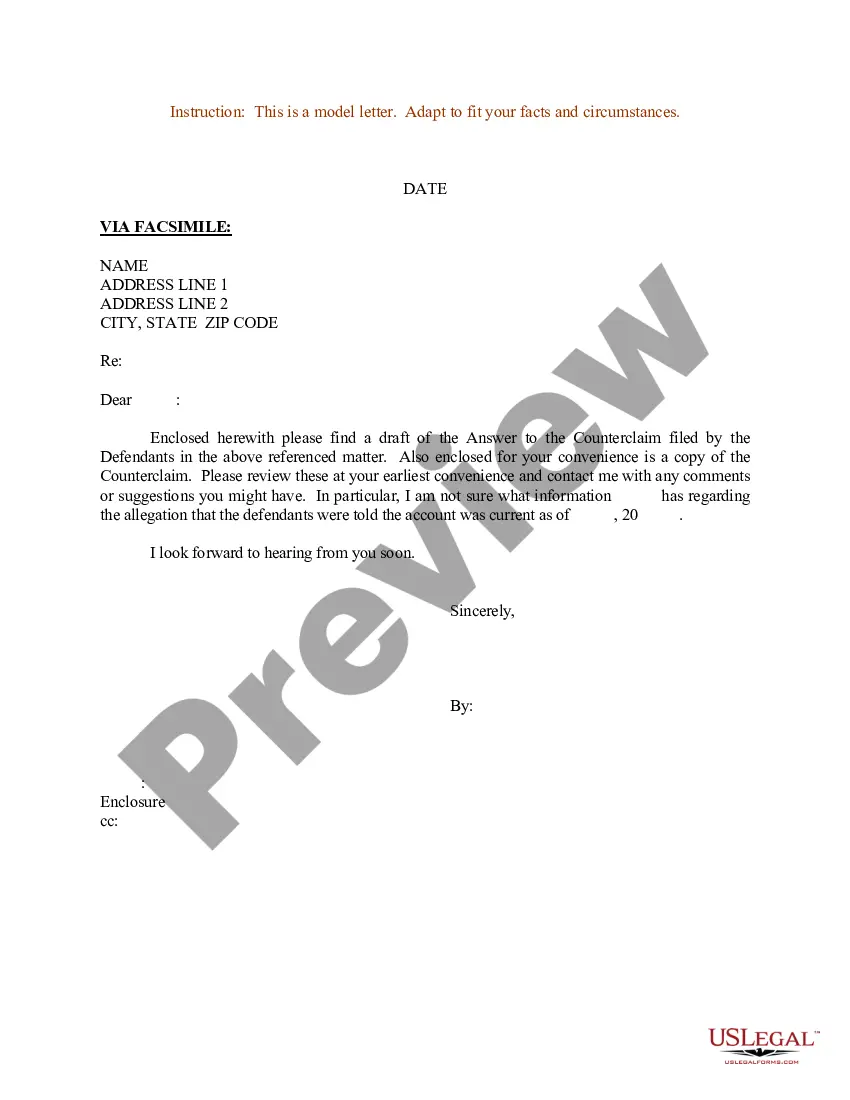
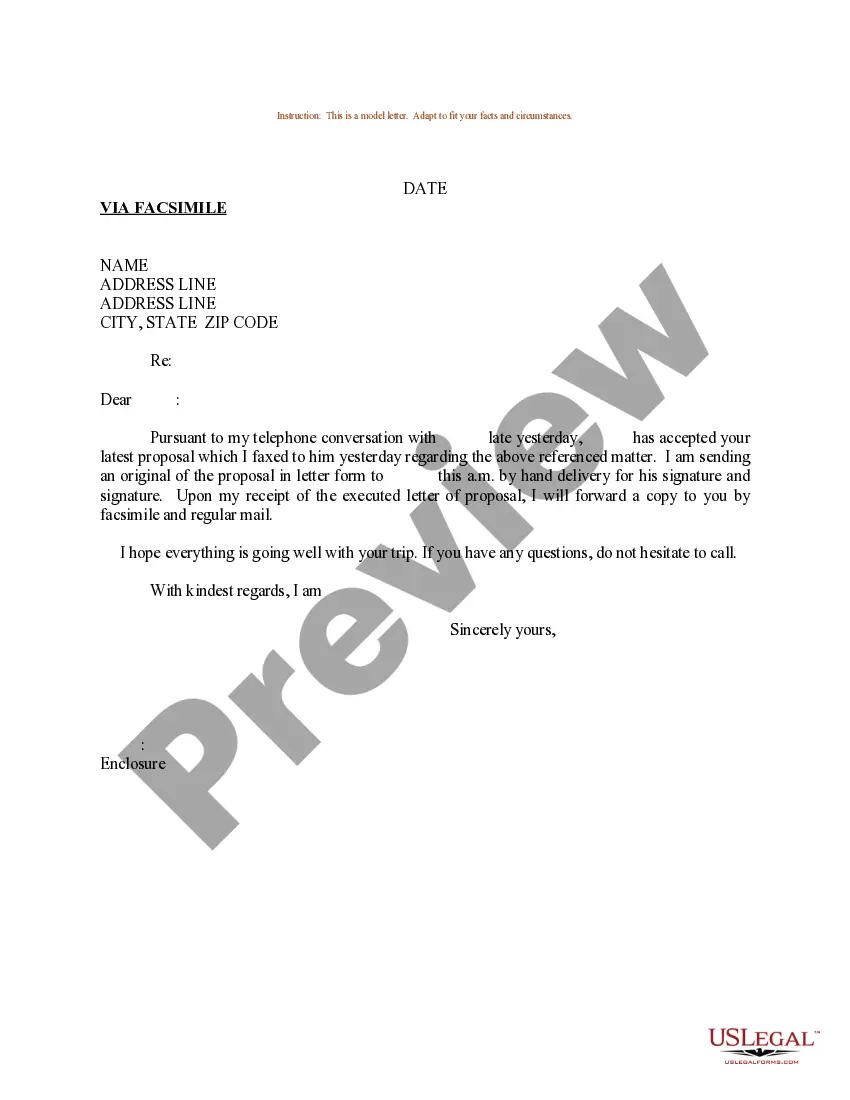
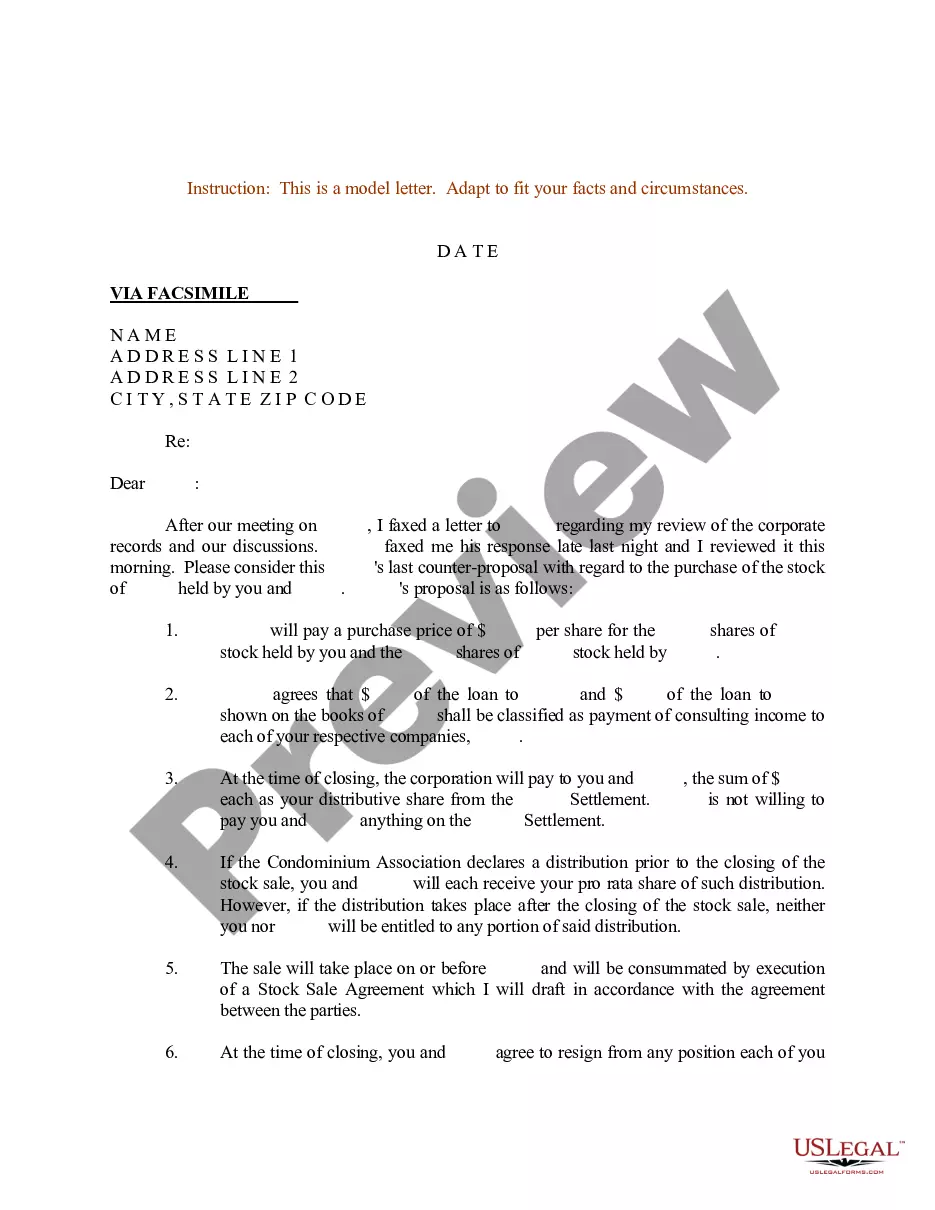
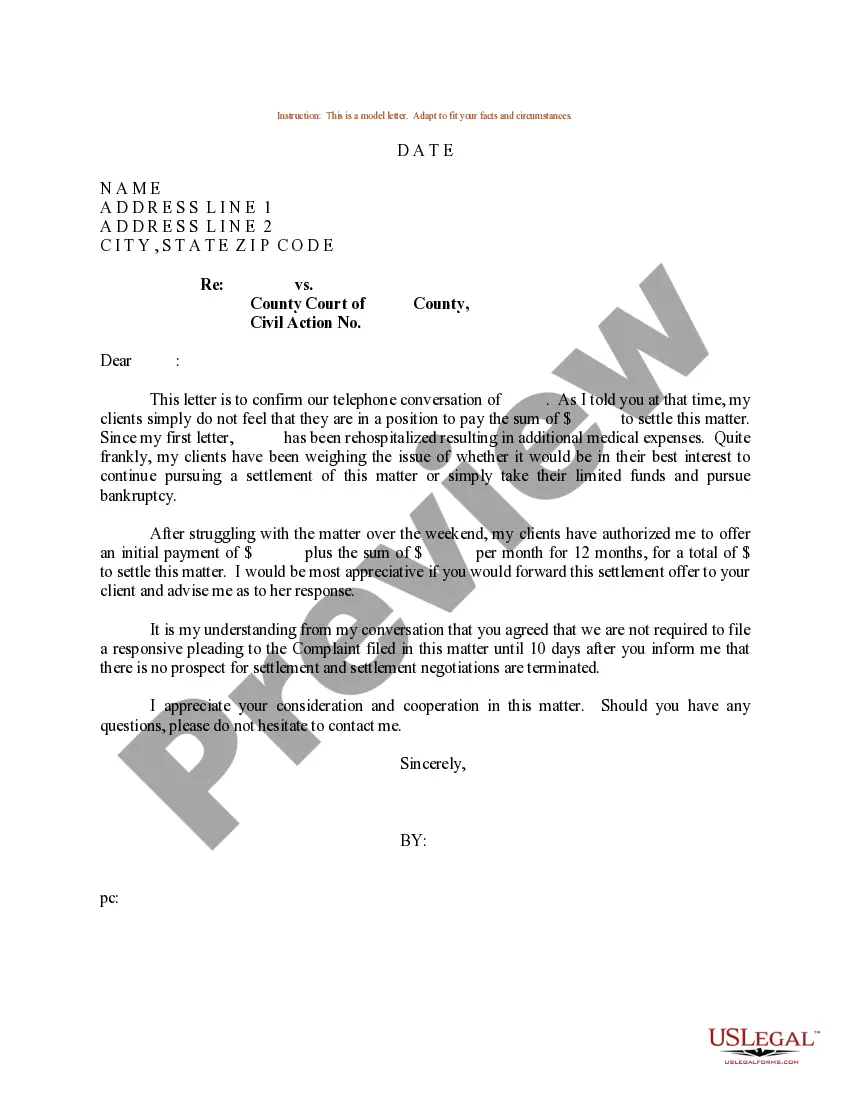
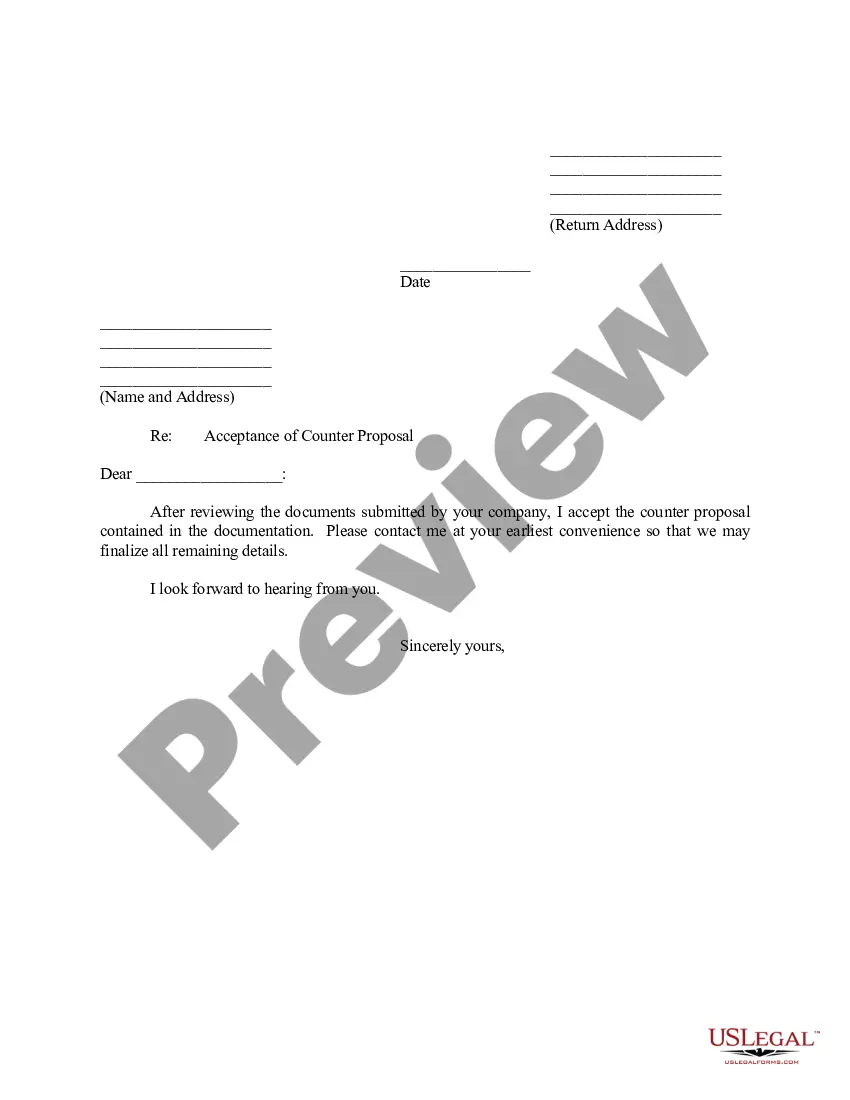
Get your form ready online
Our built-in tools help you complete, sign, share, and store your documents in one place.
Make edits, fill in missing information, and update formatting in US Legal Forms—just like you would in MS Word.
Download a copy, print it, send it by email, or mail it via USPS—whatever works best for your next step.
Sign and collect signatures with our SignNow integration. Send to multiple recipients, set reminders, and more. Go Premium to unlock E-Sign.
If this form requires notarization, complete it online through a secure video call—no need to meet a notary in person or wait for an appointment.
We protect your documents and personal data by following strict security and privacy standards.

Make edits, fill in missing information, and update formatting in US Legal Forms—just like you would in MS Word.

Download a copy, print it, send it by email, or mail it via USPS—whatever works best for your next step.

Sign and collect signatures with our SignNow integration. Send to multiple recipients, set reminders, and more. Go Premium to unlock E-Sign.

If this form requires notarization, complete it online through a secure video call—no need to meet a notary in person or wait for an appointment.

We protect your documents and personal data by following strict security and privacy standards.
Looking for another form?







Form popularity
FAQ
You will often receive a decision – a college acceptance letter, college rejection letter, or deferral – in December. For the Regular Decision cycle, you will usually receive your college acceptance letter in late-March or early-April.
While the answer to this question really depends on what colleges you're applying to, in general most decisions come out in the springtime, that is, in either March or early April. The latest you might hear back from a college will be the first week of April.
When do students receive college acceptance letters? Most students who apply regular decision receive acceptance letters between mid-March and mid-April. Students who apply Early Decision typically receive their notification in December or January.
International students must show proof of financial support to cover tuition and living expenses for one year in the amount of $29,539 and take 12 credit hours each fall and spring semester. The minimum tuition for 12 credit hours is $3,595 (due in full).
There isn't a standard order in which acceptance or rejection emails are sent out across all colleges. The timing of decision emails depends on the specific college and their admissions process.
There's no standard for how long it takes colleges to send out acceptance letters, but generally, if you applied under regular decision, you can expect letters to begin arriving between mid-March and mid-April.
“Atentamente” is a common formal closing in Spanish, which translates to “sincerely” in English. Other formal options include “Cordialmente” (cordially) and “Saludos cordiales” (warm regards). On the other hand, if you're writing a letter to a friend or family member, you can be a bit more casual in your closing.
To write a letter of acceptance, address it to the recruiter, express gratitude, confirm employment terms, format and proofread the letter, and follow up to ensure it has been received and to discuss next steps.
Carta f (plural: cartas f)
"mail a letter" in Spanish enviar una carta. volume_up. enviar una carta por correo.

