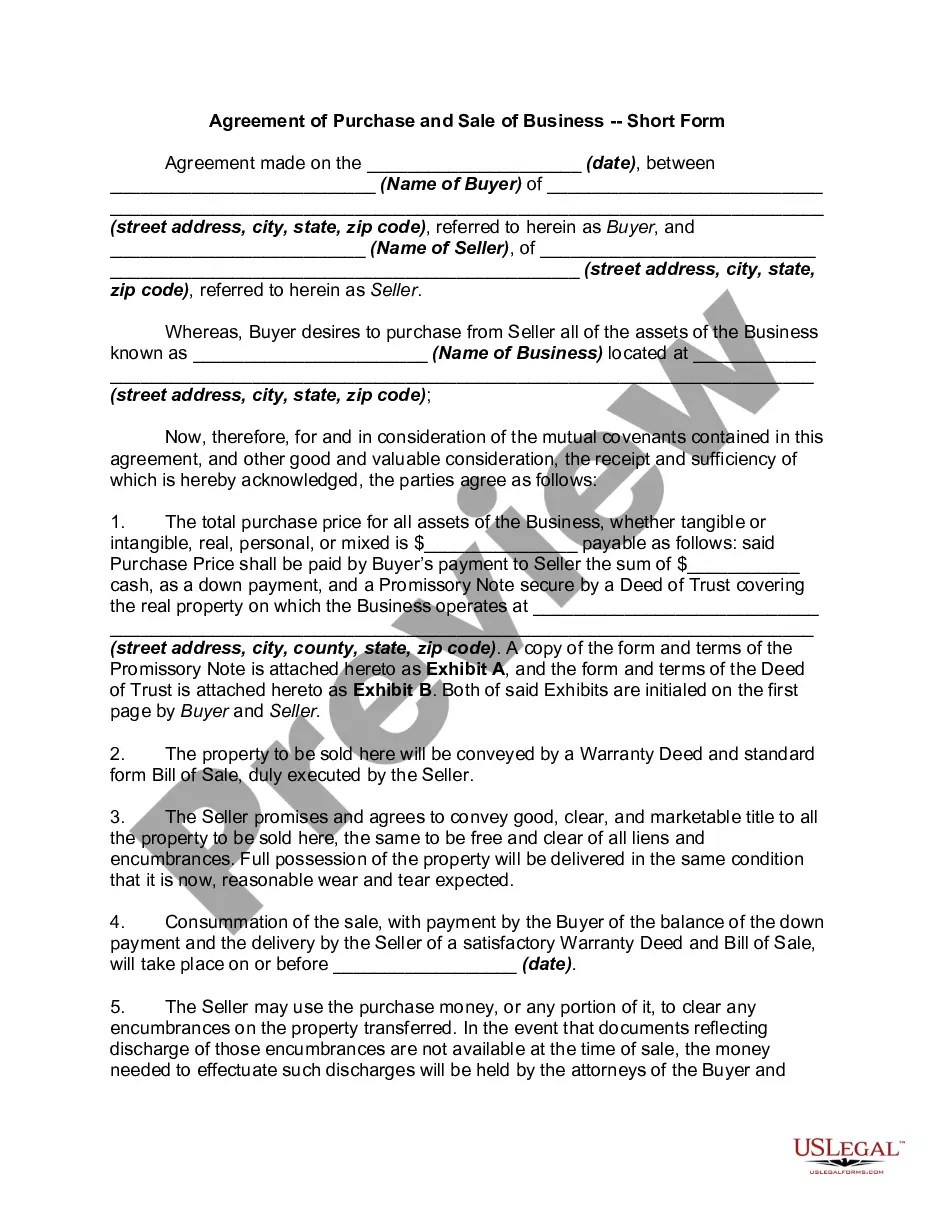
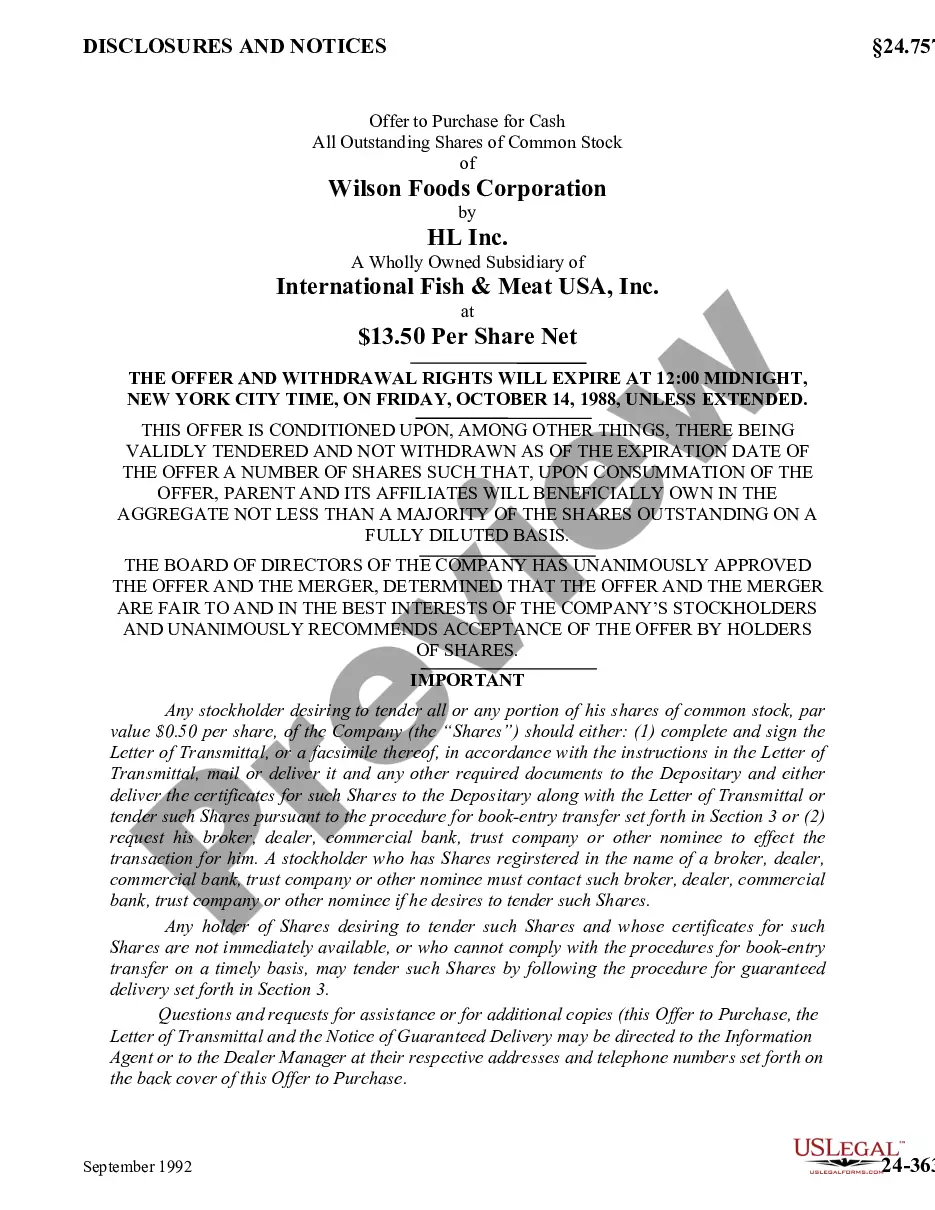
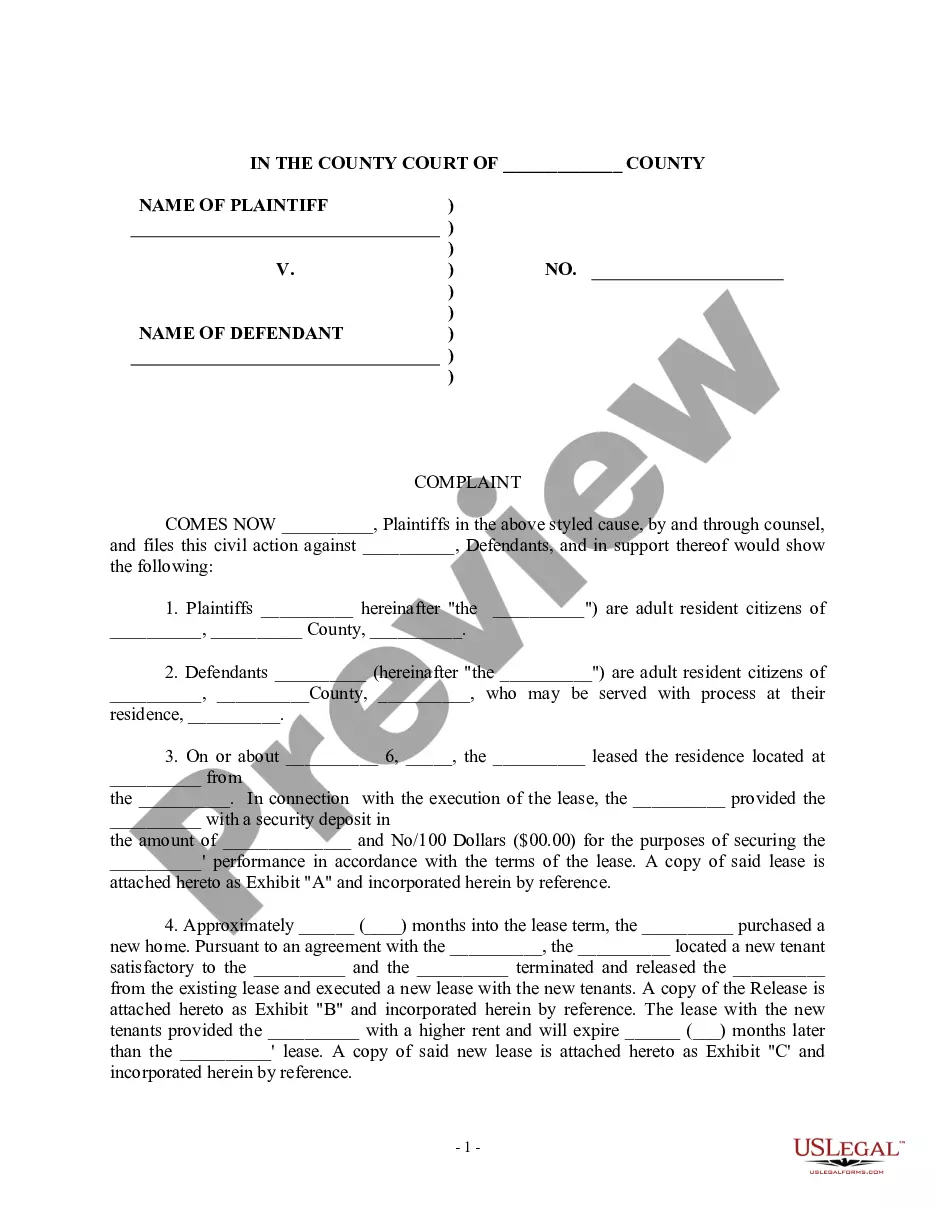
Master Sales Agreement With Doctors In Washington
Description


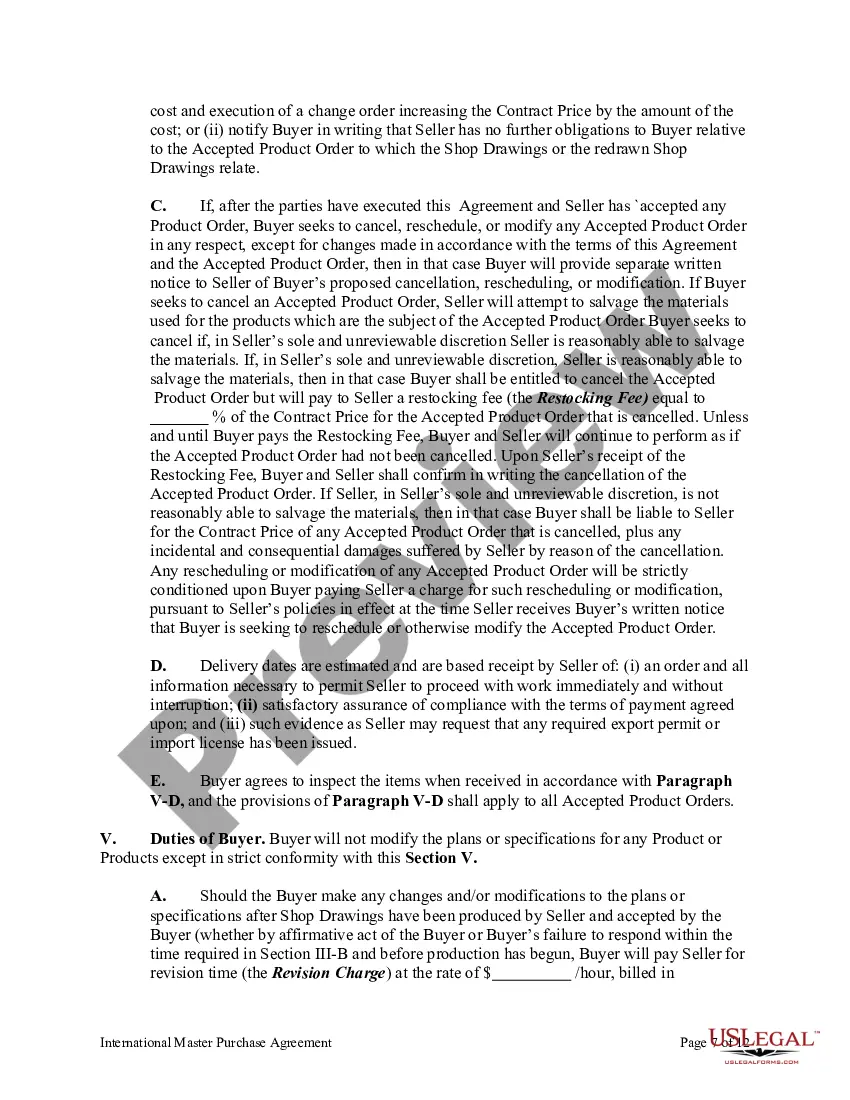
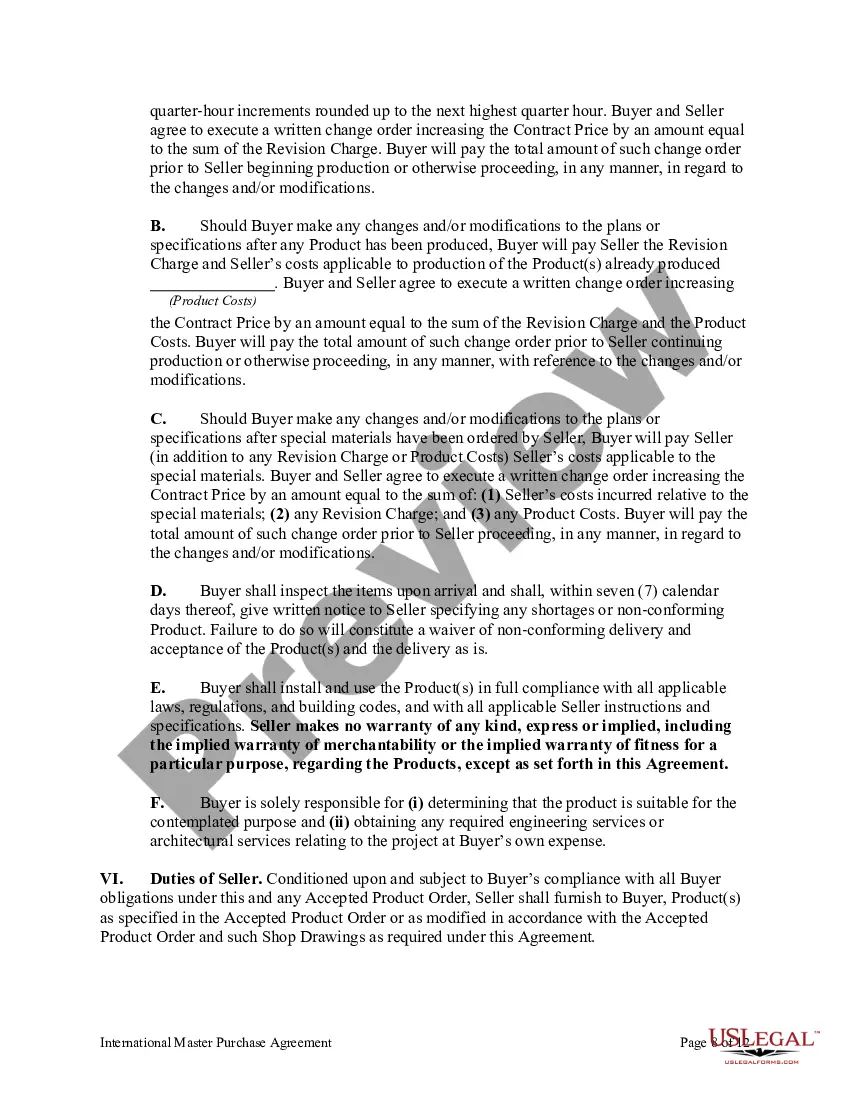
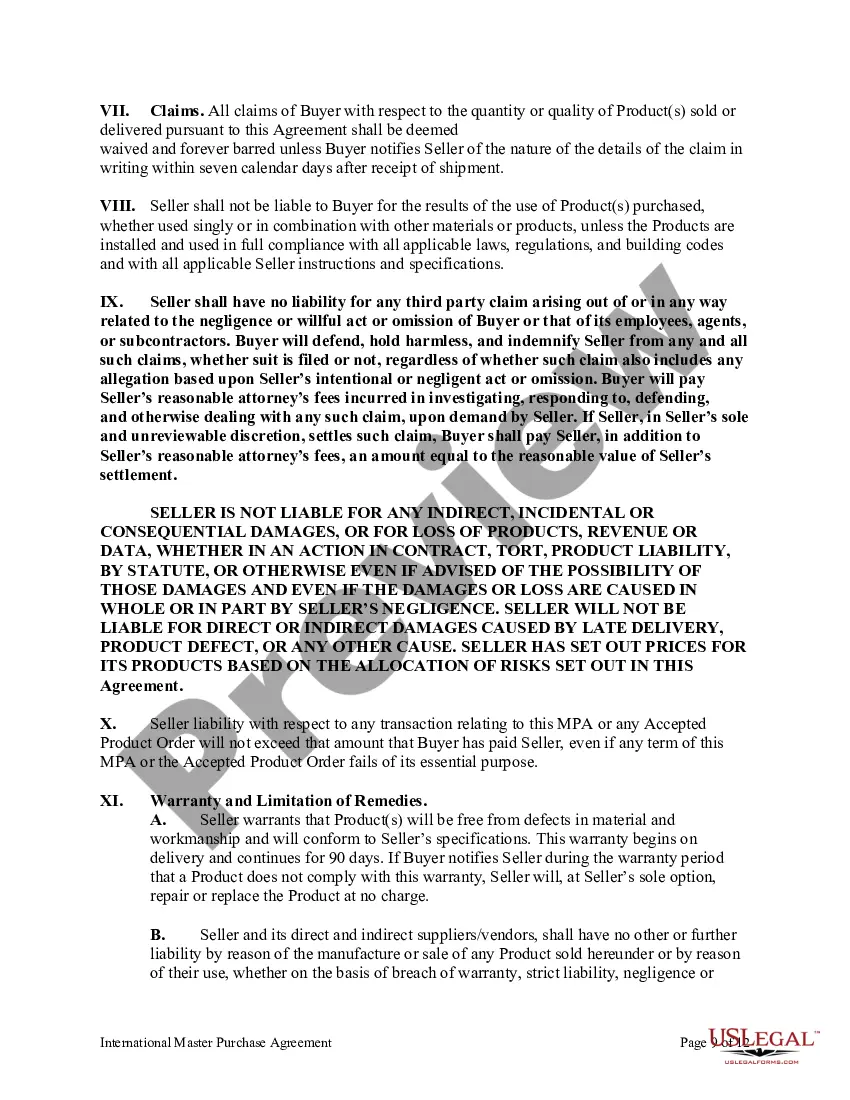
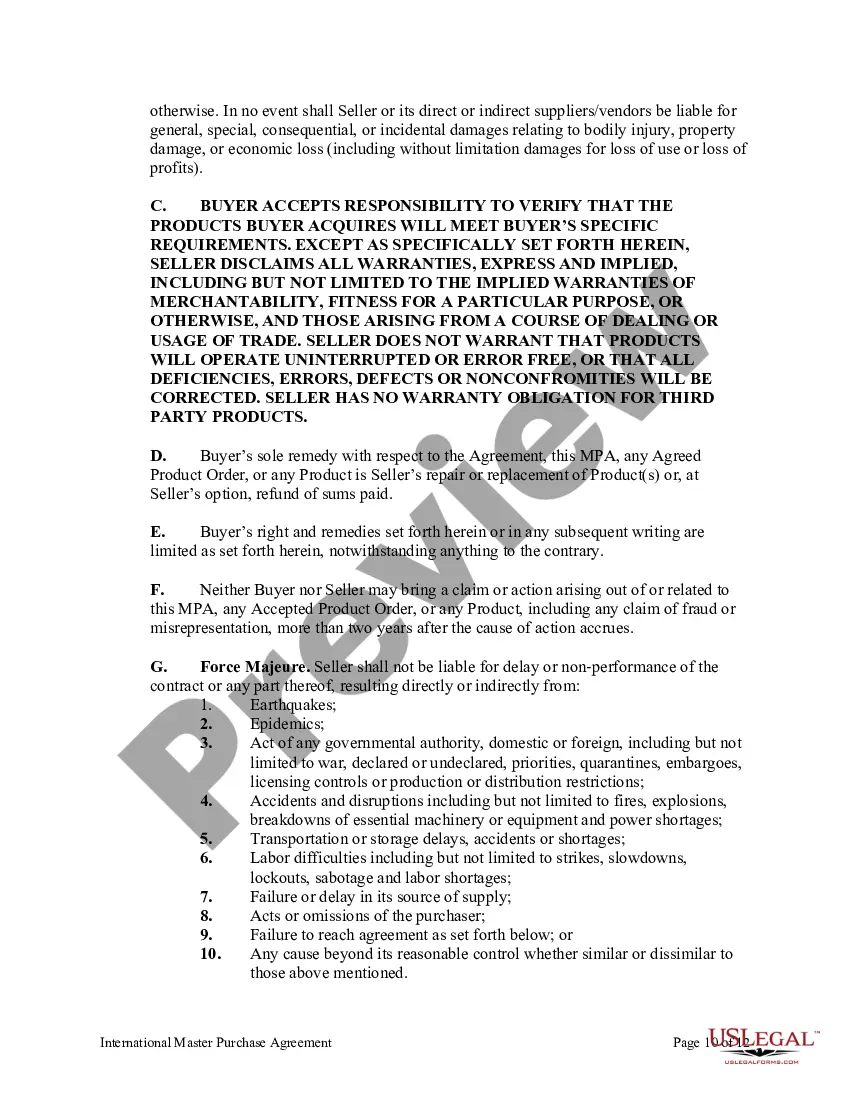



Get your form ready online
Our built-in tools help you complete, sign, share, and store your documents in one place.
Make edits, fill in missing information, and update formatting in US Legal Forms—just like you would in MS Word.
Download a copy, print it, send it by email, or mail it via USPS—whatever works best for your next step.
Sign and collect signatures with our SignNow integration. Send to multiple recipients, set reminders, and more. Go Premium to unlock E-Sign.
If this form requires notarization, complete it online through a secure video call—no need to meet a notary in person or wait for an appointment.
We protect your documents and personal data by following strict security and privacy standards.

Make edits, fill in missing information, and update formatting in US Legal Forms—just like you would in MS Word.

Download a copy, print it, send it by email, or mail it via USPS—whatever works best for your next step.

Sign and collect signatures with our SignNow integration. Send to multiple recipients, set reminders, and more. Go Premium to unlock E-Sign.

If this form requires notarization, complete it online through a secure video call—no need to meet a notary in person or wait for an appointment.

We protect your documents and personal data by following strict security and privacy standards.
Looking for another form?
Form popularity
FAQ
In November 1998, the MSA was signed by the Attorneys General of the 46 states – the remaining states had settled separately with the tobacco industry on their own. The victory resulted in tobacco companies paying the states and territories billions of dollars in yearly installments.
In 1998, 52 state and territory attorneys general signed the Master Settlement Agreement (MSA) with the four largest tobacco companies in the U.S. to settle dozens of state lawsuits brought to recover billions of dollars in health care costs associated with treating smoking-related illnesses.
Specificity: MSAs act as a broad framework, laying the groundwork for the collaboration. They define the general terms and conditions, payment structures, and dispute resolution processes that apply to all services provided by the vendor. On the other hand, SLAs are highly detailed documents.
A metropolitan statistical area (MSA), formerly known as a standard metropolitan statistical area (SMSA), is the formal definition of a region that consists of a city and surrounding communities that are linked by social and economic factors, as established by the U.S. Office of Management and Budget (OMB).
A Master Services Agreement is a set of standard Terms and Conditions that can be used for multiple campuses or Systemwide – in this instance, a unique Statement of Work (formerly referred to as Scope of Service) is drafted and linked to the MSA so that the terms apply, but the PO is unique to the Stakeholder who wrote ...
An MSA, or Master Service Agreement, is a comprehensive contract between two parties that outlines the general terms and conditions governing their business relationship. It serves as a foundation for future transactions or agreements. Its primary purpose is to speed up and simplify future agreements between parties.
When signing parties know they will continue to work together in the future, a Master Service Agreement (MSA) can simplify those future agreements and speed up the negotiation process.
It functions as a contract between two or more parties to guarantee that essential agreements are in place before any service commences. An MSA serves to minimize disagreements by providing an unmistakable description of what the parties can expect from one another.
It sets the general terms, while contracts focus on the specific details and scope of each individual project. Master agreements streamline the negotiation process by eliminating the need to renegotiate common terms for every contract, saving time and effort.
Unlike contracts that typically apply to a one-time transaction between two parties, a Master Service Agreement is intended to outline the rights and responsibility of the parties involved in an ongoing relationship, including those that pertain to: The ownership rights of a property.