Master Sales Agreement With Payment Plan In Suffolk
Description


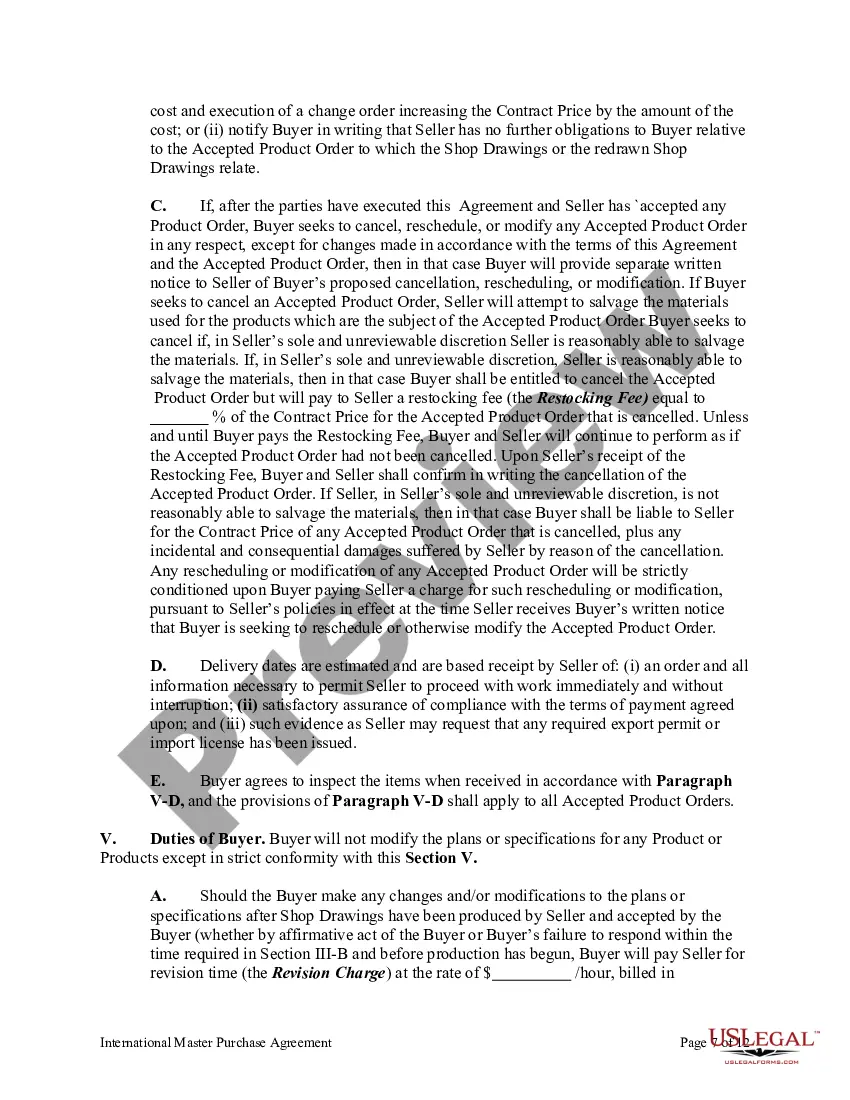
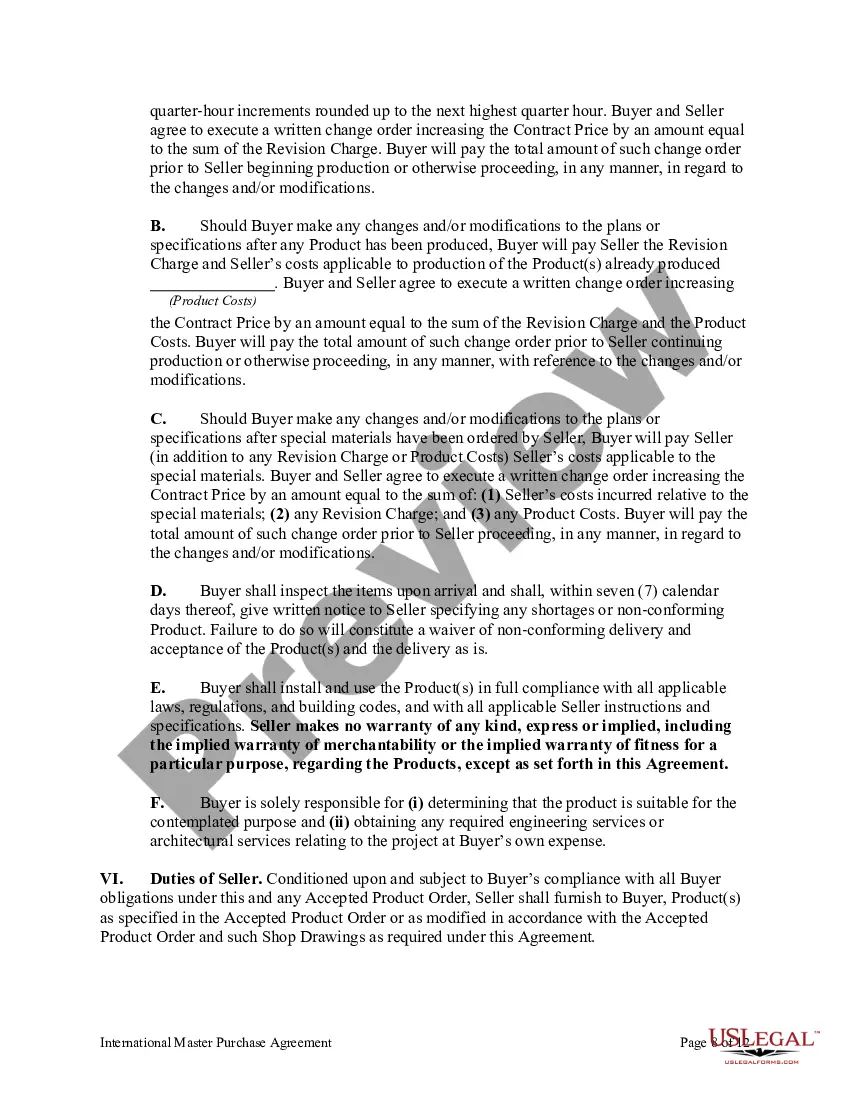
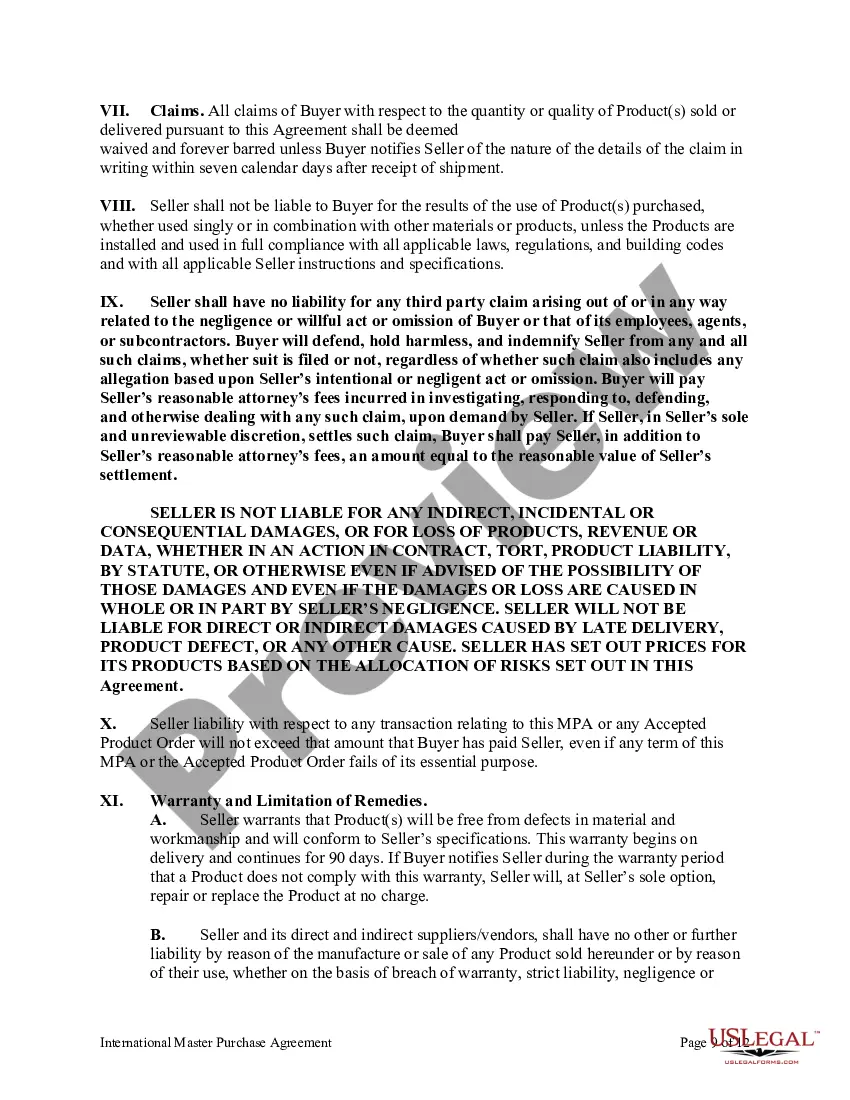
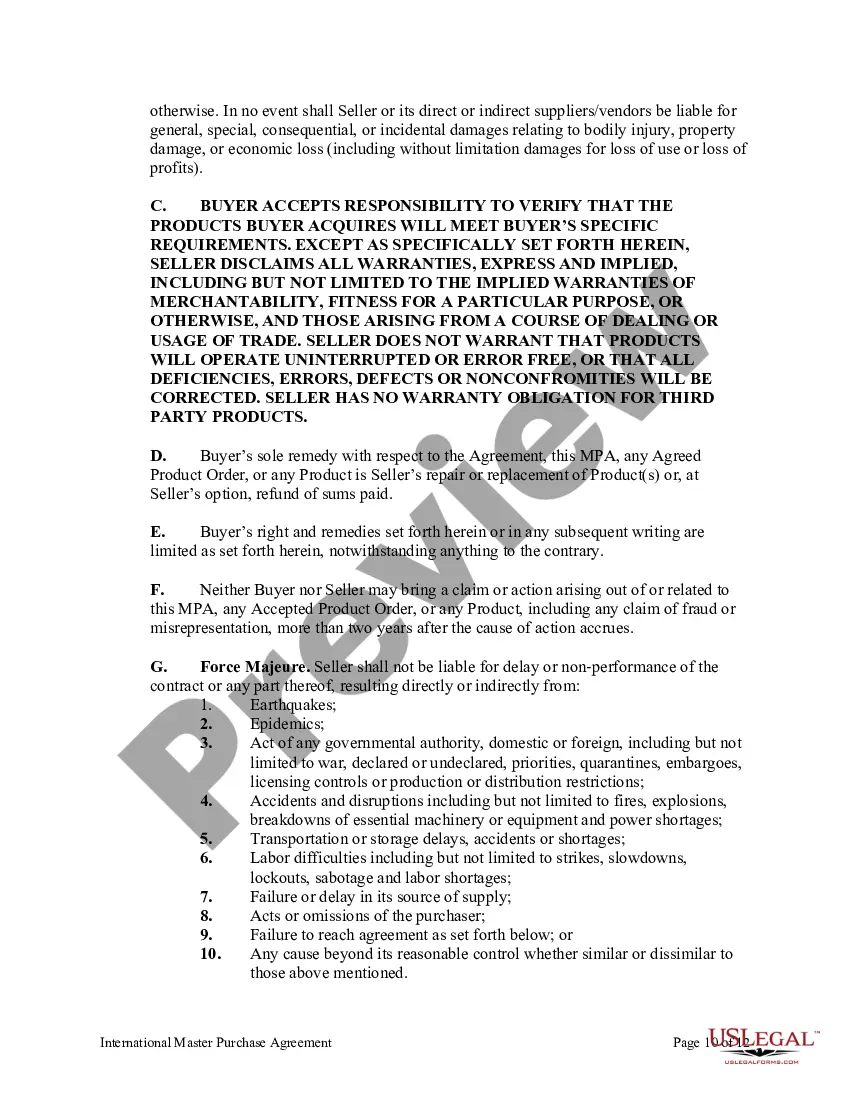



Get your form ready online
Our built-in tools help you complete, sign, share, and store your documents in one place.
Make edits, fill in missing information, and update formatting in US Legal Forms—just like you would in MS Word.
Download a copy, print it, send it by email, or mail it via USPS—whatever works best for your next step.
Sign and collect signatures with our SignNow integration. Send to multiple recipients, set reminders, and more. Go Premium to unlock E-Sign.
If this form requires notarization, complete it online through a secure video call—no need to meet a notary in person or wait for an appointment.
We protect your documents and personal data by following strict security and privacy standards.

Make edits, fill in missing information, and update formatting in US Legal Forms—just like you would in MS Word.

Download a copy, print it, send it by email, or mail it via USPS—whatever works best for your next step.

Sign and collect signatures with our SignNow integration. Send to multiple recipients, set reminders, and more. Go Premium to unlock E-Sign.

If this form requires notarization, complete it online through a secure video call—no need to meet a notary in person or wait for an appointment.

We protect your documents and personal data by following strict security and privacy standards.
Looking for another form?







Form popularity
FAQ
Conversely, an agreement can be informal and may not always be legally binding. While contracts require elements such as consideration, legality, capacity, and mutual assent to be legally valid, agreements may lack such requirements.
One significant difference between agreements and contracts lies in their enforceability. While both agreements and contracts can be legally binding, contracts generally have more legal weight and enforceability.
While the 3 elements of contract law—offer, acceptance, and consideration—are crucial, there are additional elements that ensure a contract is valid and enforceable. These include capacity, legality, and awareness.
Unlike contracts that typically apply to a one-time transaction between two parties, a Master Service Agreement is intended to outline the rights and responsibility of the parties involved in an ongoing relationship, including those that pertain to: The ownership rights of a property.
A simple sale agreement can be structured as follows: Title the document appropriately. List all parties involved in the agreement. Detail the product or service, including all rights, warranties, and limitations. Specify the duration of the contract and any important deadlines.
Sometimes, a contract covers a one-time action between parties, but what happens when the relationships or circumstances are ongoing? When signing parties know they will continue to work together in the future, a Master Service Agreement (MSA) can simplify those future agreements and speed up the negotiation process.
At its most basic, an MSA is a contract between two or more parties that establishes what terms and conditions will govern all current and future activities and responsibilities. MSAs are useful because they allow the parties to plan for the future while also speeding the ratification of future agreements.
A collective bargaining agreement (CBA) is a contract reached as a result of negotiations between representatives of a union and the employer. For this CBA, it was the intention of the negotiating parties to meet the interests of both sides.
Contracts address the specific details of a particular project, transaction, or engagement. Think of the master agreement as the foundation or umbrella under which contracts operate. It sets the general terms, while contracts focus on the specific details and scope of each individual project.
While the terms “master agreement” and “contract” are sometimes used interchangeably, there are subtle distinctions between the two. A master agreement is a broader agreement that sets the framework for future transactions or engagements between parties.
