Master Lease Agreement Vs Master Service Agreement In San Jose
Description





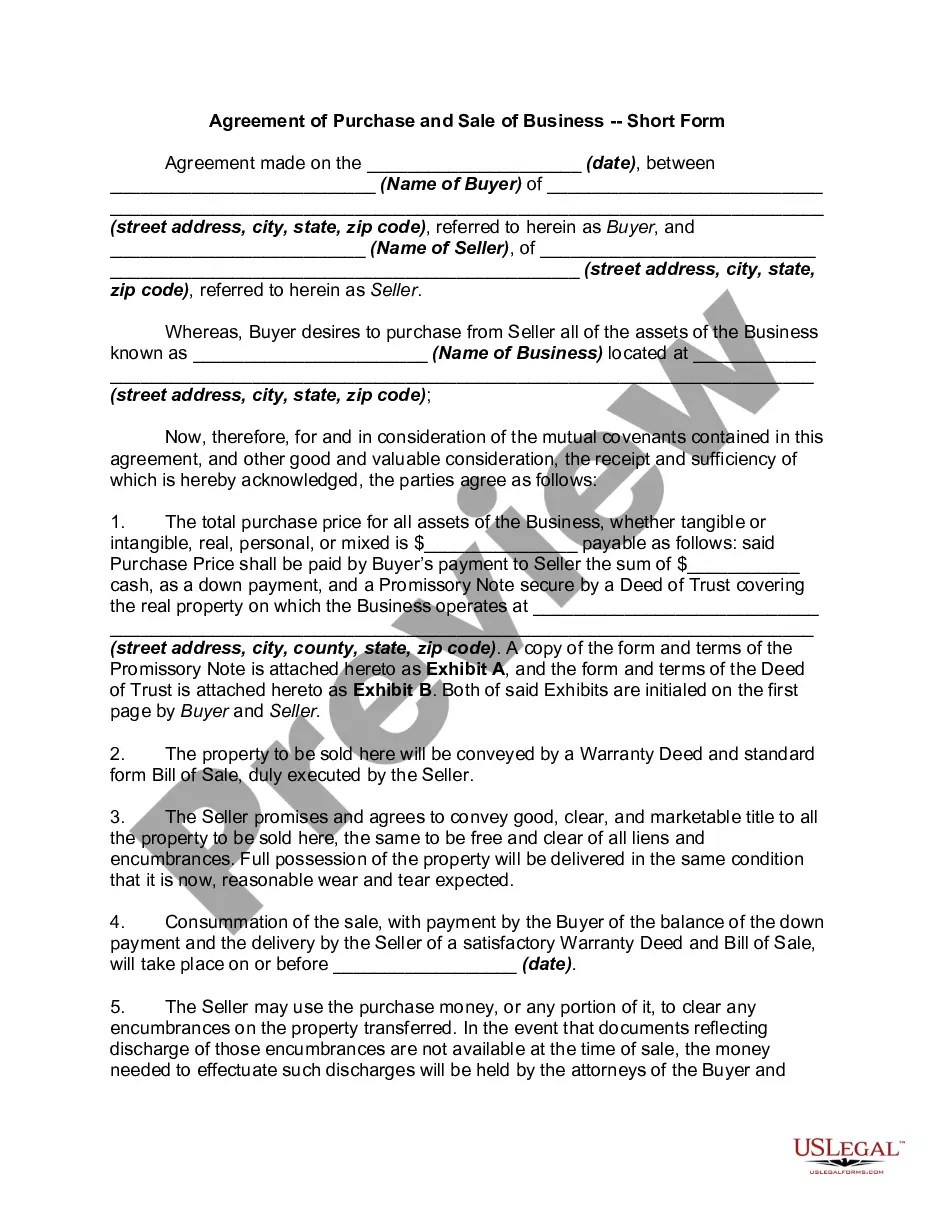
Get your form ready online
Our built-in tools help you complete, sign, share, and store your documents in one place.
Make edits, fill in missing information, and update formatting in US Legal Forms—just like you would in MS Word.
Download a copy, print it, send it by email, or mail it via USPS—whatever works best for your next step.
Sign and collect signatures with our SignNow integration. Send to multiple recipients, set reminders, and more. Go Premium to unlock E-Sign.
If this form requires notarization, complete it online through a secure video call—no need to meet a notary in person or wait for an appointment.
We protect your documents and personal data by following strict security and privacy standards.

Make edits, fill in missing information, and update formatting in US Legal Forms—just like you would in MS Word.

Download a copy, print it, send it by email, or mail it via USPS—whatever works best for your next step.

Sign and collect signatures with our SignNow integration. Send to multiple recipients, set reminders, and more. Go Premium to unlock E-Sign.

If this form requires notarization, complete it online through a secure video call—no need to meet a notary in person or wait for an appointment.

We protect your documents and personal data by following strict security and privacy standards.
Looking for another form?
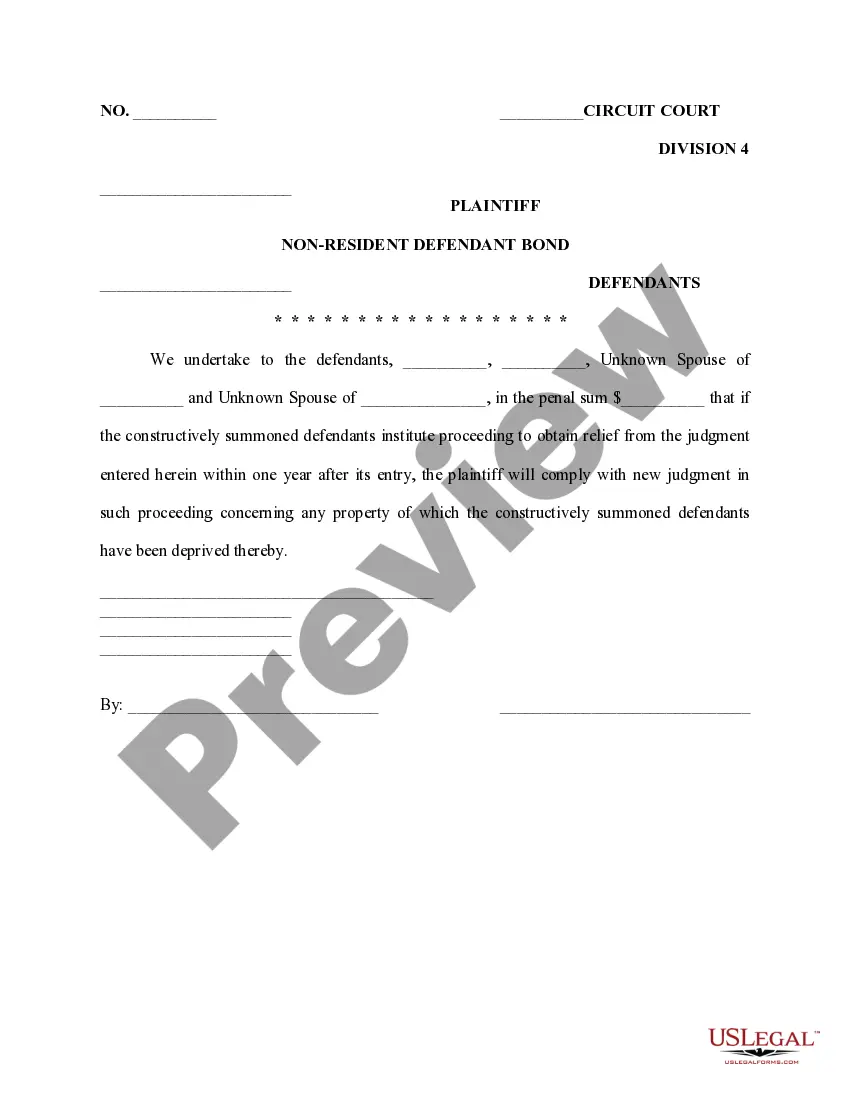

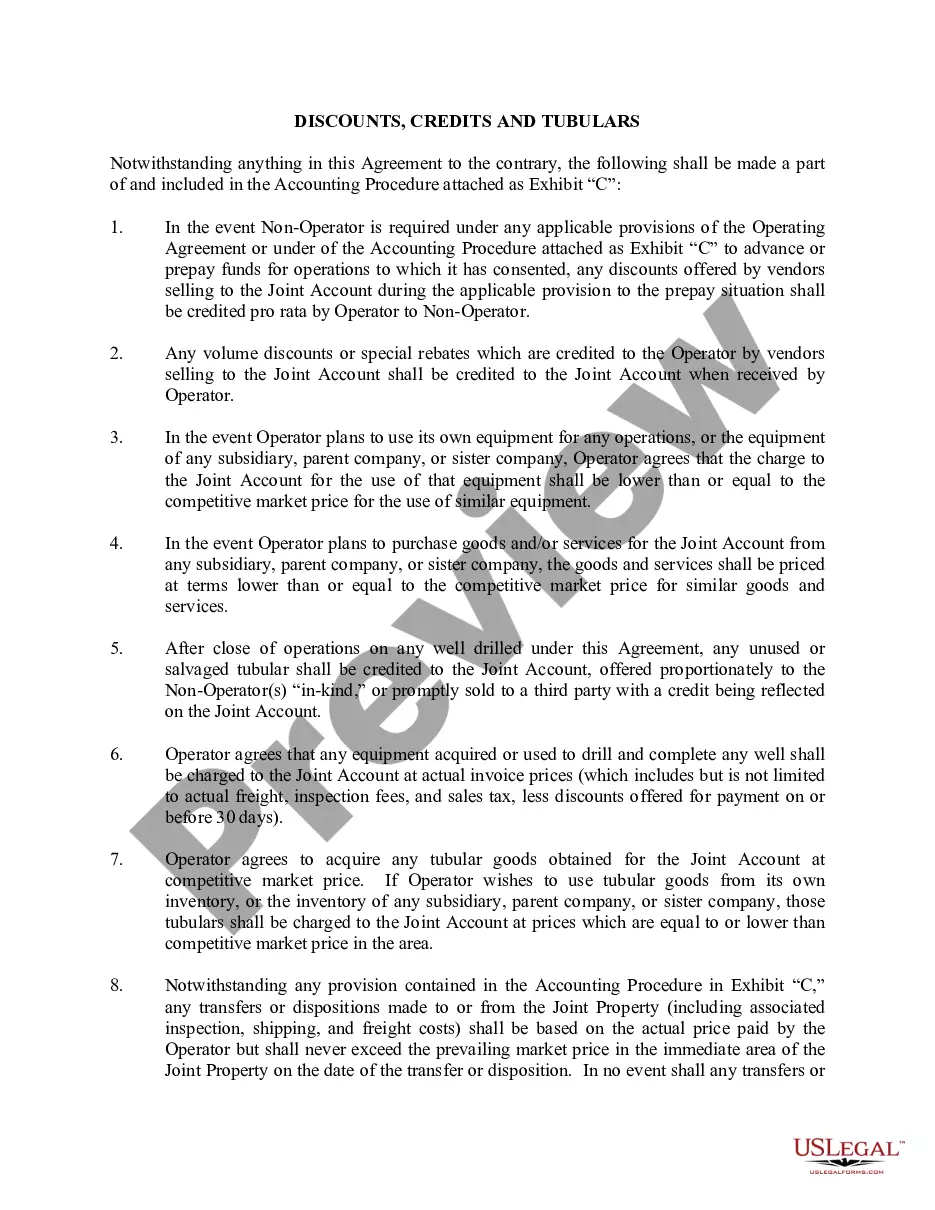
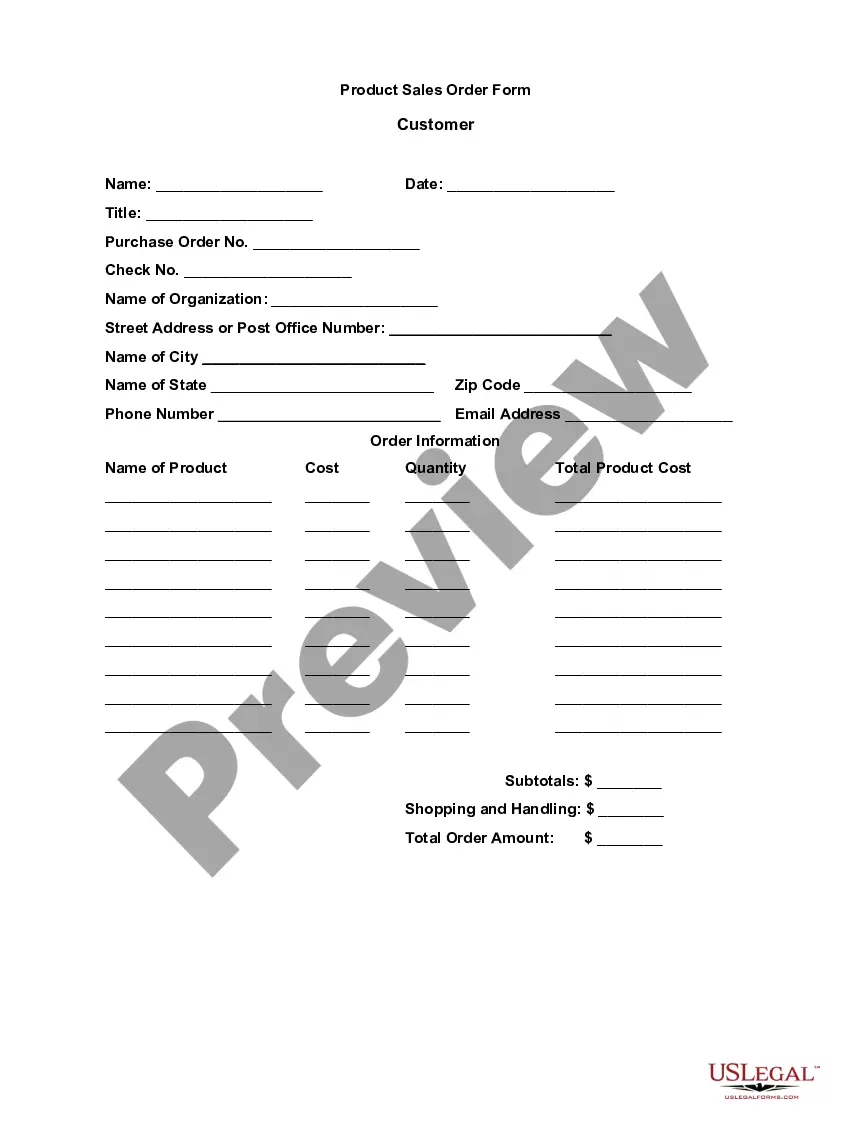

Form popularity
FAQ
An MSA is a comprehensive agreement that governs the overall business relationship between the parties, establishing general terms and conditions. On the other hand, an SLA focuses on specific performance metrics and service levels to be achieved for a particular project or service.
A Service Agreement typically includes: The description and frequency of the service covered under the contract. Terms of payment and compensation details. Responsibilities and obligations of both parties. Confidentiality and privacy obligations to be followed by your company.
Often, the terms “lease agreement” and “rental agreement” are used interchangeably to mean the same thing. But the terms can refer to two distinct types of agreements. Both leases and rental agreements are contracts that are legally binding.
Service contracts and lease contracts have different rights and responsibilities. In a lease, the lessor provides the asset to the lessee, who benefits from it throughout the lease term. In a service contract, the customer receives economic benefit from the service provided by the lessor.
Service contracts and lease contracts have different rights and responsibilities. In a lease, the lessor provides the asset to the lessee, who benefits from it throughout the lease term. In a service contract, the customer receives economic benefit from the service provided by the lessor.
Like a lease, the rental agreement will go over the landlord/tenant relationship. However, the biggest difference is that a rental agreement typically covers a much shorter period, typically one month.
Traditional master leasing is a third-party leasing strategy in which an agency becomes the primary leaseholder and leases individual units, a subset of units in a single building, or all units in an entire building. The agency then subleases to the secondary tenant.
A master lease is a legal agreement through which a master tenant (nonprofit agency, supportive housing, service provider, or government agency) leases a unit or multiple units from a property owner, who then subleases units to subtenants (bridge housing residents).
Lease accounting helps prevent off-balance-sheet financing, where companies could previously “hide” significant liabilities, primarily related to operating leases. New accounting standards require most leases to be recognized on the balance sheet, making financial reporting more transparent.
Definition and Context A master tenant is an individual who rents an apartment or house directly from the landlord and retains the right to sublet rooms or portions of the property to other tenants, known as subtenants.