Master Sales Agreement With Monthly Payments In Salt Lake
Description





Get your form ready online
Our built-in tools help you complete, sign, share, and store your documents in one place.
Make edits, fill in missing information, and update formatting in US Legal Forms—just like you would in MS Word.
Download a copy, print it, send it by email, or mail it via USPS—whatever works best for your next step.
Sign and collect signatures with our SignNow integration. Send to multiple recipients, set reminders, and more. Go Premium to unlock E-Sign.
If this form requires notarization, complete it online through a secure video call—no need to meet a notary in person or wait for an appointment.
We protect your documents and personal data by following strict security and privacy standards.

Make edits, fill in missing information, and update formatting in US Legal Forms—just like you would in MS Word.

Download a copy, print it, send it by email, or mail it via USPS—whatever works best for your next step.

Sign and collect signatures with our SignNow integration. Send to multiple recipients, set reminders, and more. Go Premium to unlock E-Sign.

If this form requires notarization, complete it online through a secure video call—no need to meet a notary in person or wait for an appointment.

We protect your documents and personal data by following strict security and privacy standards.
Looking for another form?






Form popularity
FAQ
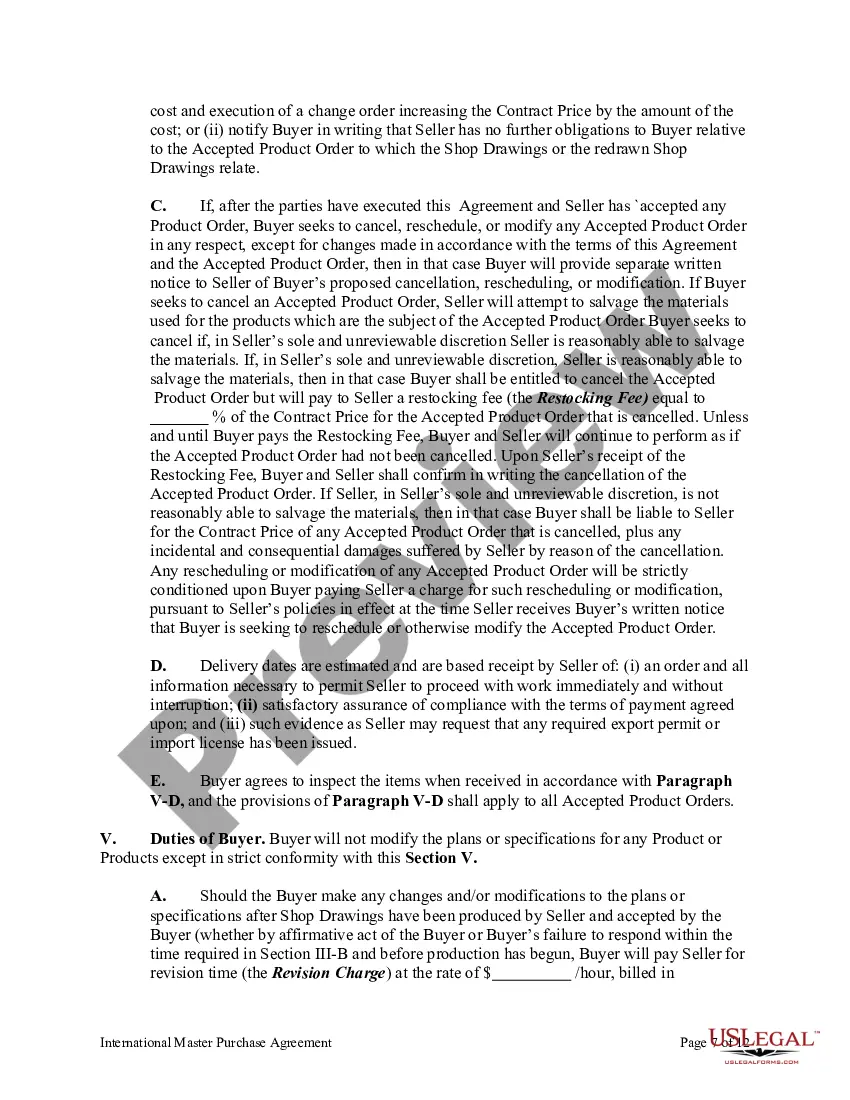
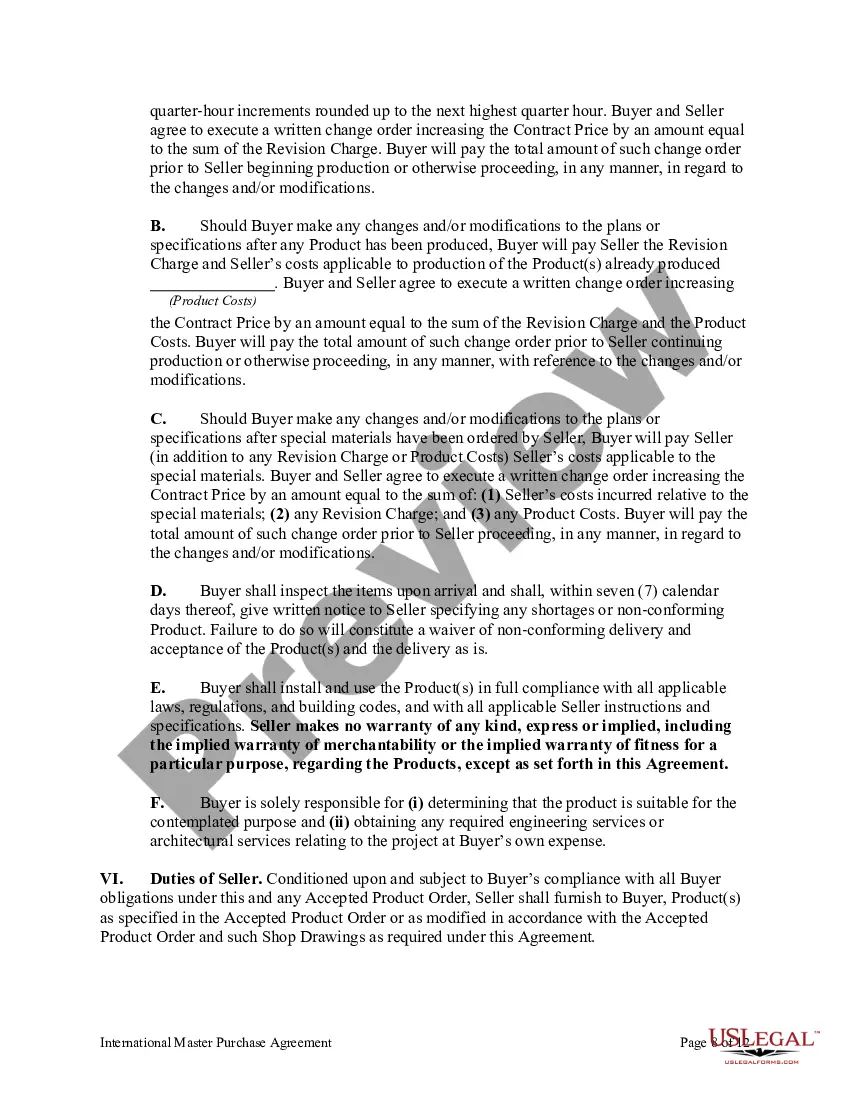
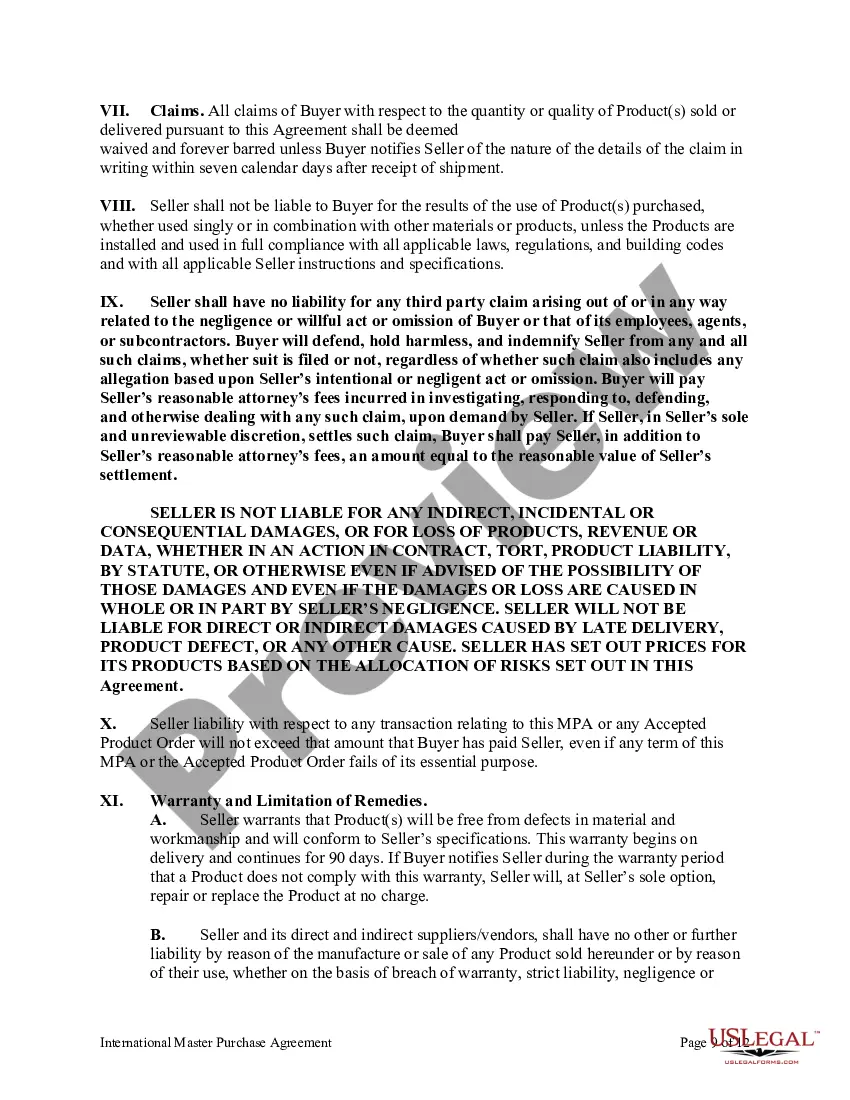
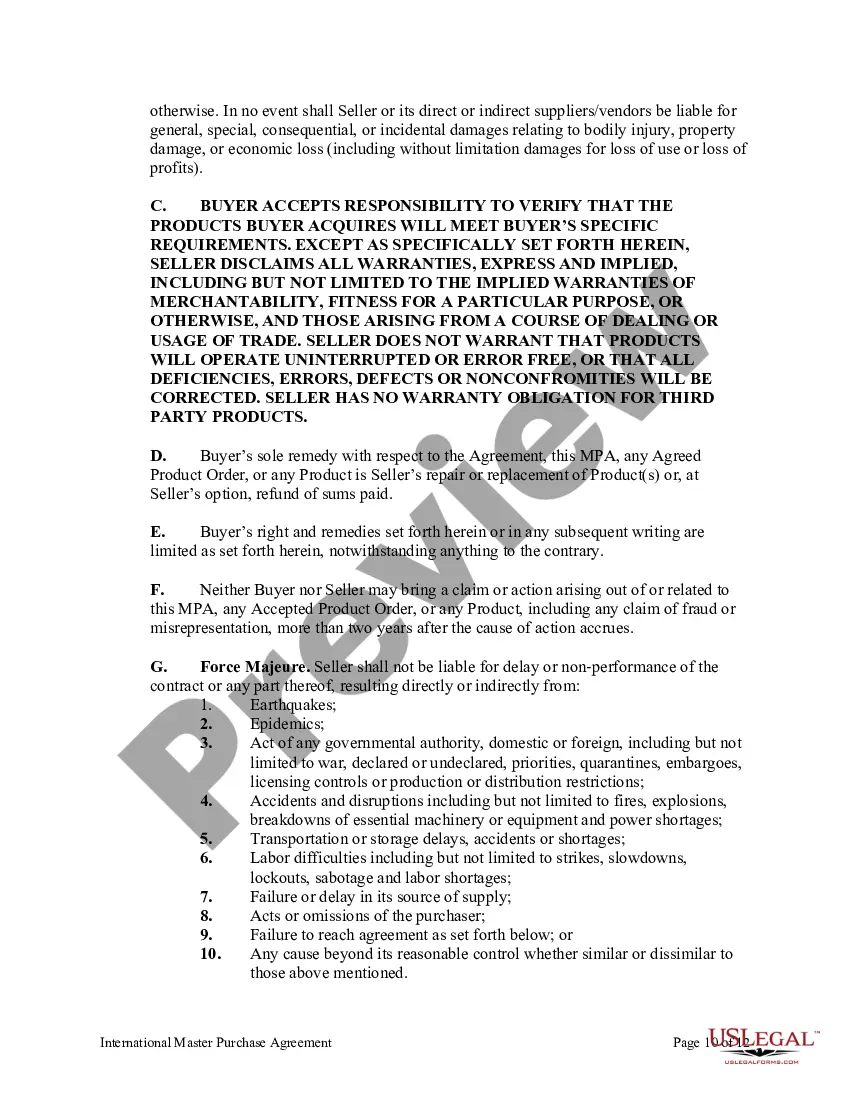
While the terms “master agreement” and “contract” are sometimes used interchangeably, there are subtle distinctions between the two. A master agreement is a broader agreement that sets the framework for future transactions or engagements between parties.
A collective bargaining agreement (CBA) is a contract reached as a result of negotiations between representatives of a union and the employer. For this CBA, it was the intention of the negotiating parties to meet the interests of both sides.
At its most basic, an MSA is a contract between two or more parties that establishes what terms and conditions will govern all current and future activities and responsibilities. MSAs are useful because they allow the parties to plan for the future while also speeding the ratification of future agreements.
A master lease is a type of lease that gives the lessee the right to control and sublease the property during the lease, while the owner retains the legal title. In this case, a housing authority or service provider would be the lessee, allowing them to sublease the property to its clients.
A master lease is a legal agreement through which a master tenant (nonprofit agency, supportive housing, service provider, or government agency) leases a unit or multiple units from a property owner, who then subleases units to subtenants (bridge housing residents).
Contracts address the specific details of a particular project, transaction, or engagement. Think of the master agreement as the foundation or umbrella under which contracts operate. It sets the general terms, while contracts focus on the specific details and scope of each individual project.
Under the terms of a master lease agreement, the lessee is held liable for the property taxes, utility bills, insurance and maintenance expenses, unlike a base rent lease, in which the lessee simply pays the base amount in rent without any additional fees.
Can I write my own contract? Yes, you can write your own contract. However, including all necessary elements is crucial to make it legally binding.
