Master Sales Agreement For Land In Pennsylvania
Description





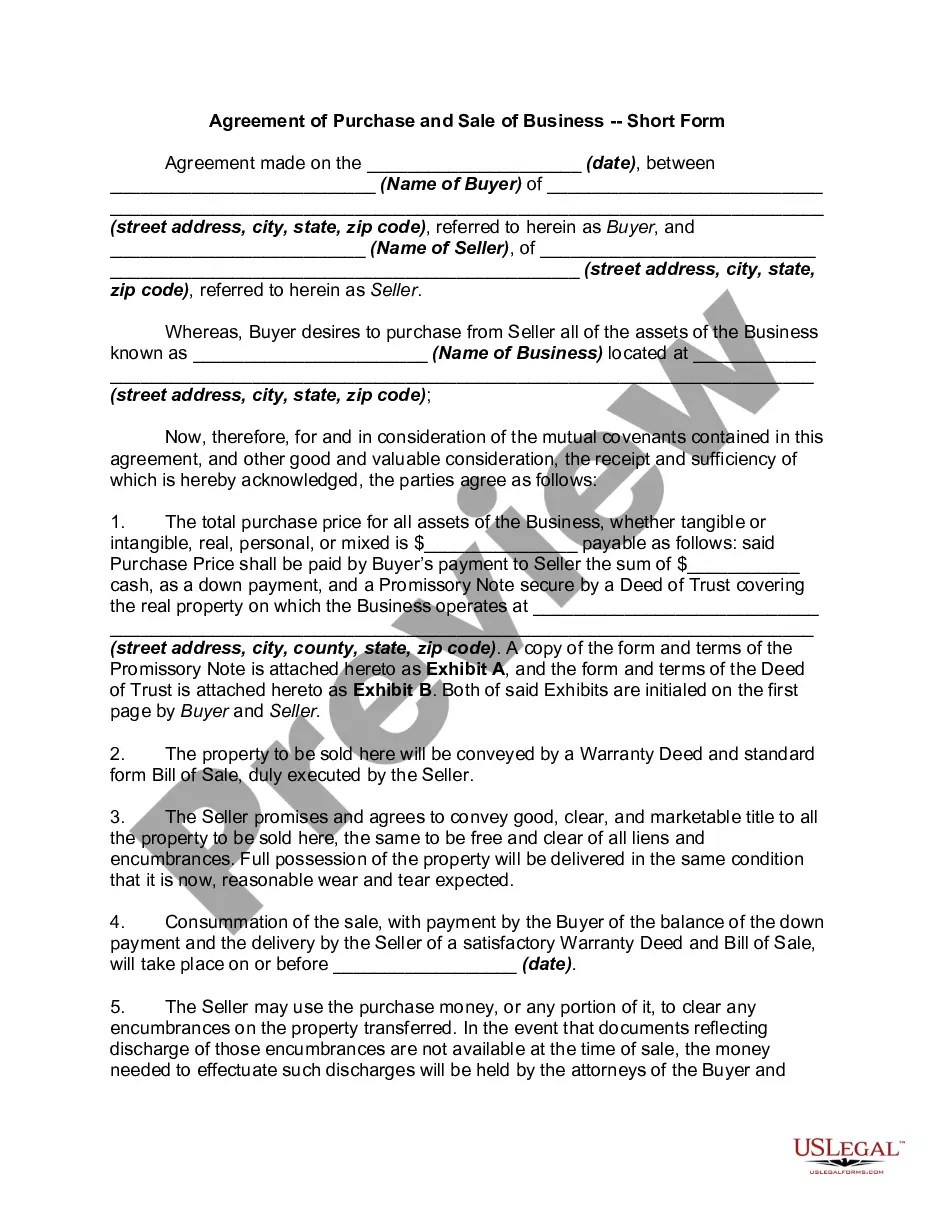
Get your form ready online
Our built-in tools help you complete, sign, share, and store your documents in one place.
Make edits, fill in missing information, and update formatting in US Legal Forms—just like you would in MS Word.
Download a copy, print it, send it by email, or mail it via USPS—whatever works best for your next step.
Sign and collect signatures with our SignNow integration. Send to multiple recipients, set reminders, and more. Go Premium to unlock E-Sign.
If this form requires notarization, complete it online through a secure video call—no need to meet a notary in person or wait for an appointment.
We protect your documents and personal data by following strict security and privacy standards.

Make edits, fill in missing information, and update formatting in US Legal Forms—just like you would in MS Word.

Download a copy, print it, send it by email, or mail it via USPS—whatever works best for your next step.

Sign and collect signatures with our SignNow integration. Send to multiple recipients, set reminders, and more. Go Premium to unlock E-Sign.

If this form requires notarization, complete it online through a secure video call—no need to meet a notary in person or wait for an appointment.

We protect your documents and personal data by following strict security and privacy standards.
Looking for another form?
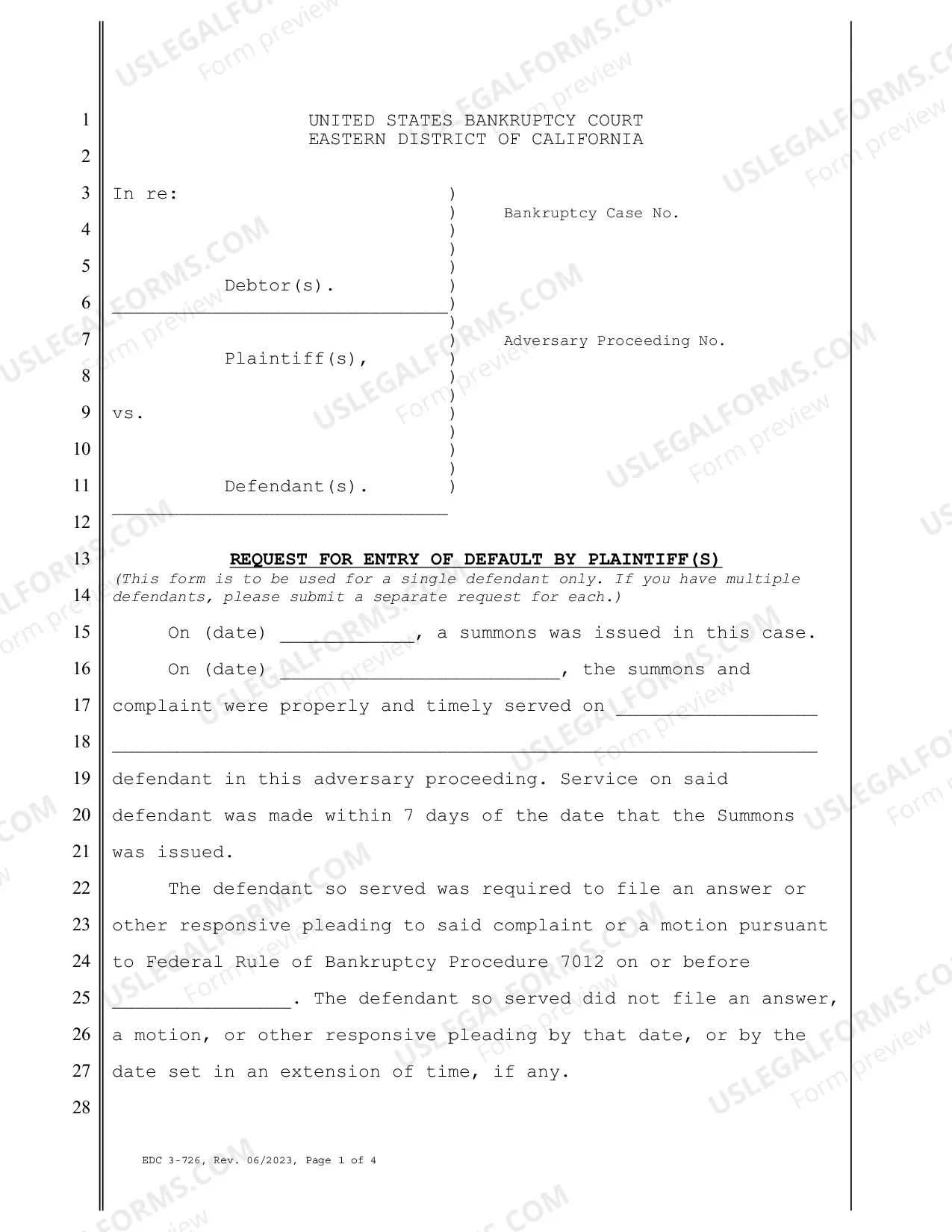


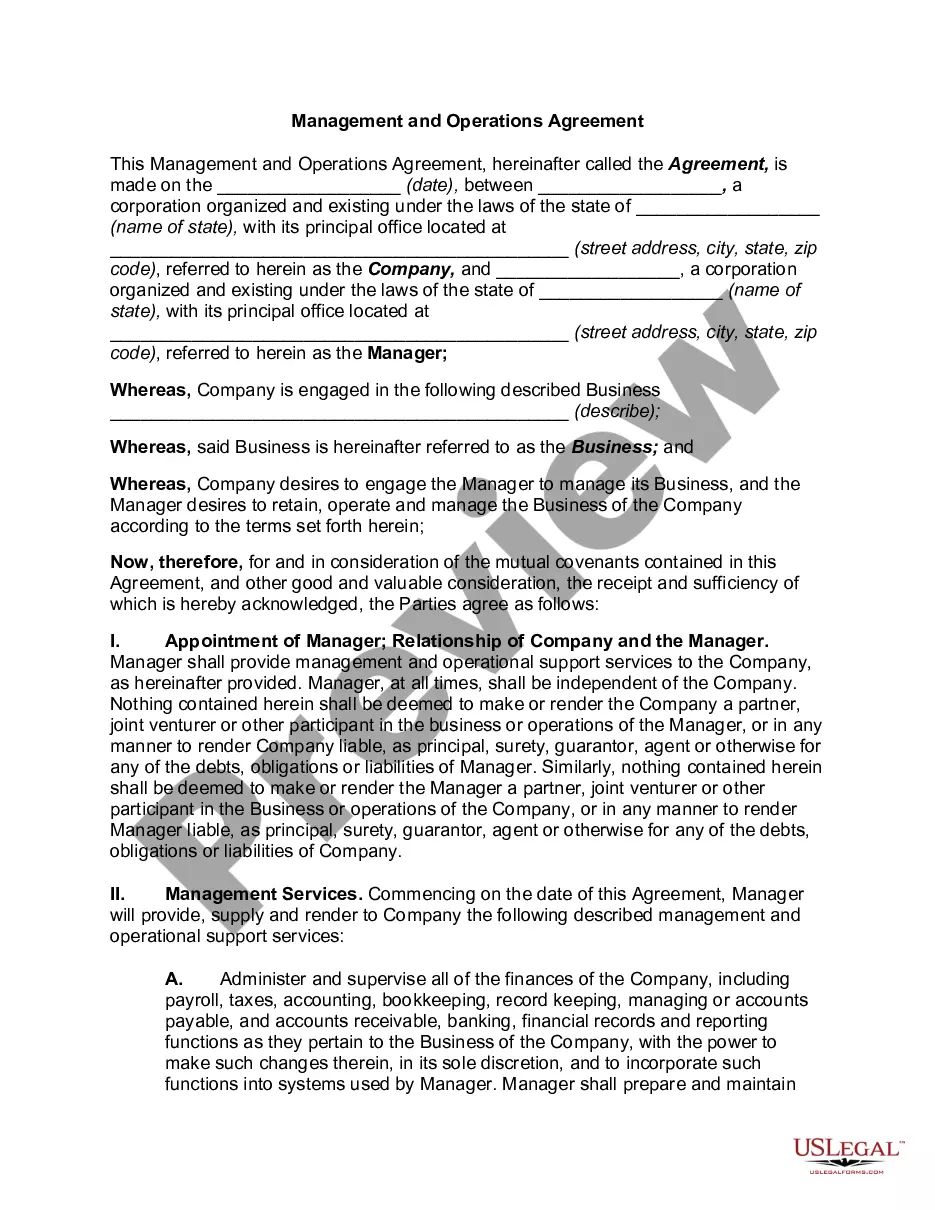
Form popularity
FAQ
Writing your own contracts is perfectly possible, and legal. But it's also an incredibly bad idea. There's two reasons for this: Property law is complicated. Because it's such a fundamental part of legislation, it's often lots and lots of different laws layered on top of each other.
(a) An agreement of sale, other than for a cemetery lot, mausoleum or cremation space or opening, shall contain: (1) The date of the agreement. (2) The names of the buyer and seller. (3) A description of the property and the interest to be conveyed.
Can I write my own contract? Yes, you can write your own contract. However, including all necessary elements is crucial to make it legally binding.
Property Title: A clear title is necessary for the transfer of ownership of the property. Issues such as liens, encumbrances, and easements must be identified and resolved before the closing of the sale. Contract Review: Real estate contracts contain many terms and conditions that can have legal implications.
A contract requires several legal requirements to be valid and enforceable: Consideration: The parties must exchange something of value. Without such an exchange, there is no agreement. Offer and Acceptance: One party must make an offer, and the other must accept it.
Some real estate contracts include — and some states require — an attorney review clause, which sets aside several days after the contract is signed for each party's attorney to review the contract. If either side wishes to back out of the deal, they can do so within that period without penalty.
