Master Sales Agreement With Sow In Oakland
Description





Get your form ready online
Our built-in tools help you complete, sign, share, and store your documents in one place.
Make edits, fill in missing information, and update formatting in US Legal Forms—just like you would in MS Word.
Download a copy, print it, send it by email, or mail it via USPS—whatever works best for your next step.
Sign and collect signatures with our SignNow integration. Send to multiple recipients, set reminders, and more. Go Premium to unlock E-Sign.
If this form requires notarization, complete it online through a secure video call—no need to meet a notary in person or wait for an appointment.
We protect your documents and personal data by following strict security and privacy standards.

Make edits, fill in missing information, and update formatting in US Legal Forms—just like you would in MS Word.

Download a copy, print it, send it by email, or mail it via USPS—whatever works best for your next step.

Sign and collect signatures with our SignNow integration. Send to multiple recipients, set reminders, and more. Go Premium to unlock E-Sign.

If this form requires notarization, complete it online through a secure video call—no need to meet a notary in person or wait for an appointment.

We protect your documents and personal data by following strict security and privacy standards.
Looking for another form?









Form popularity
FAQ
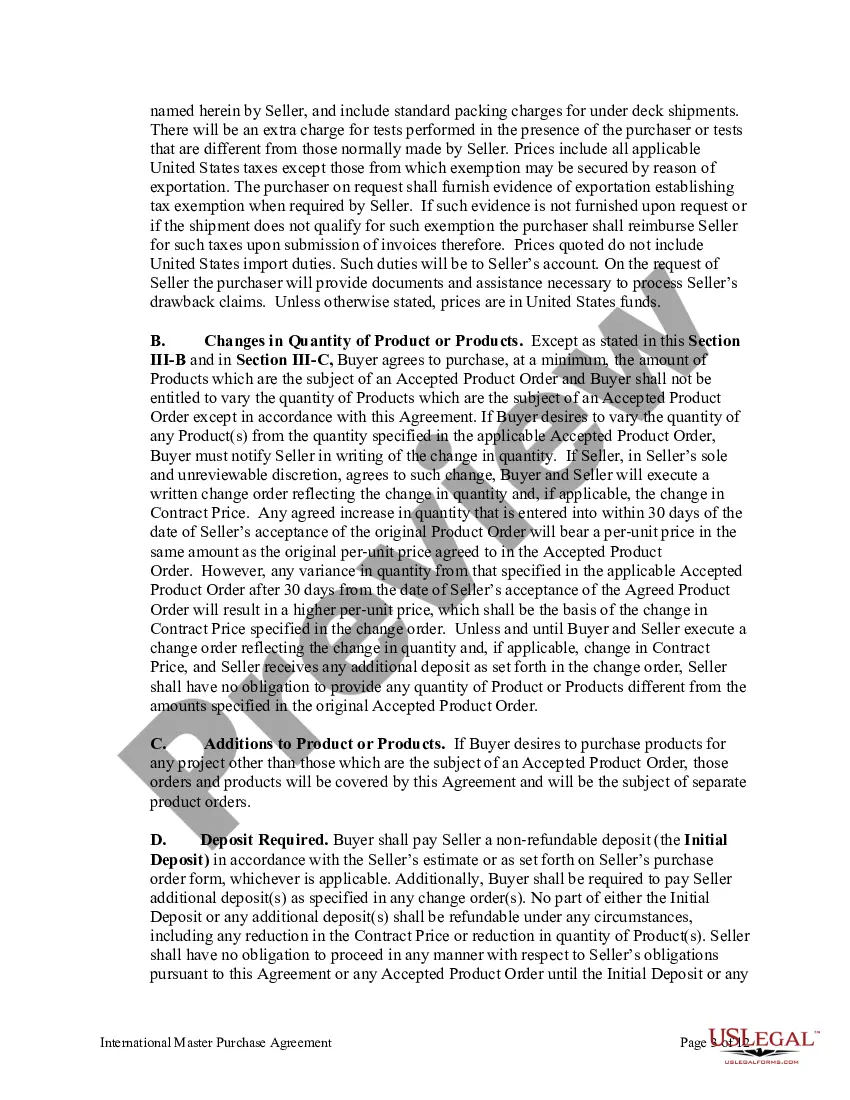
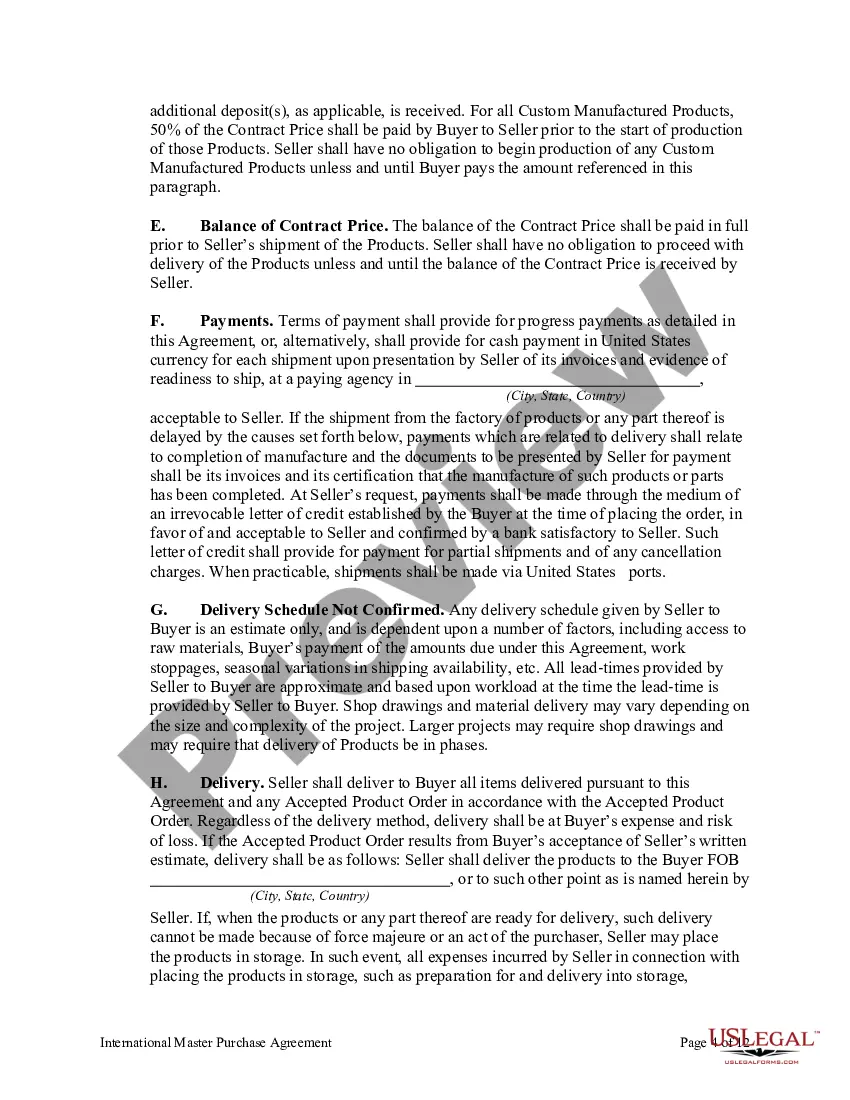
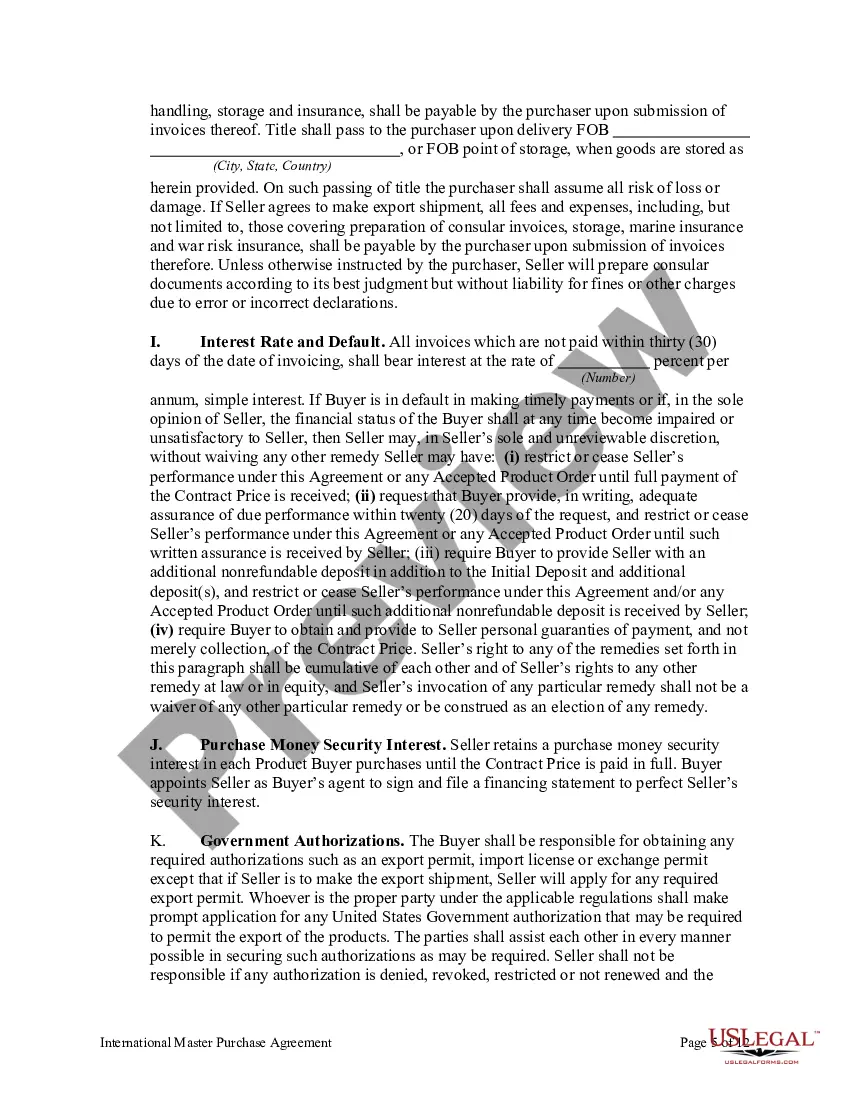
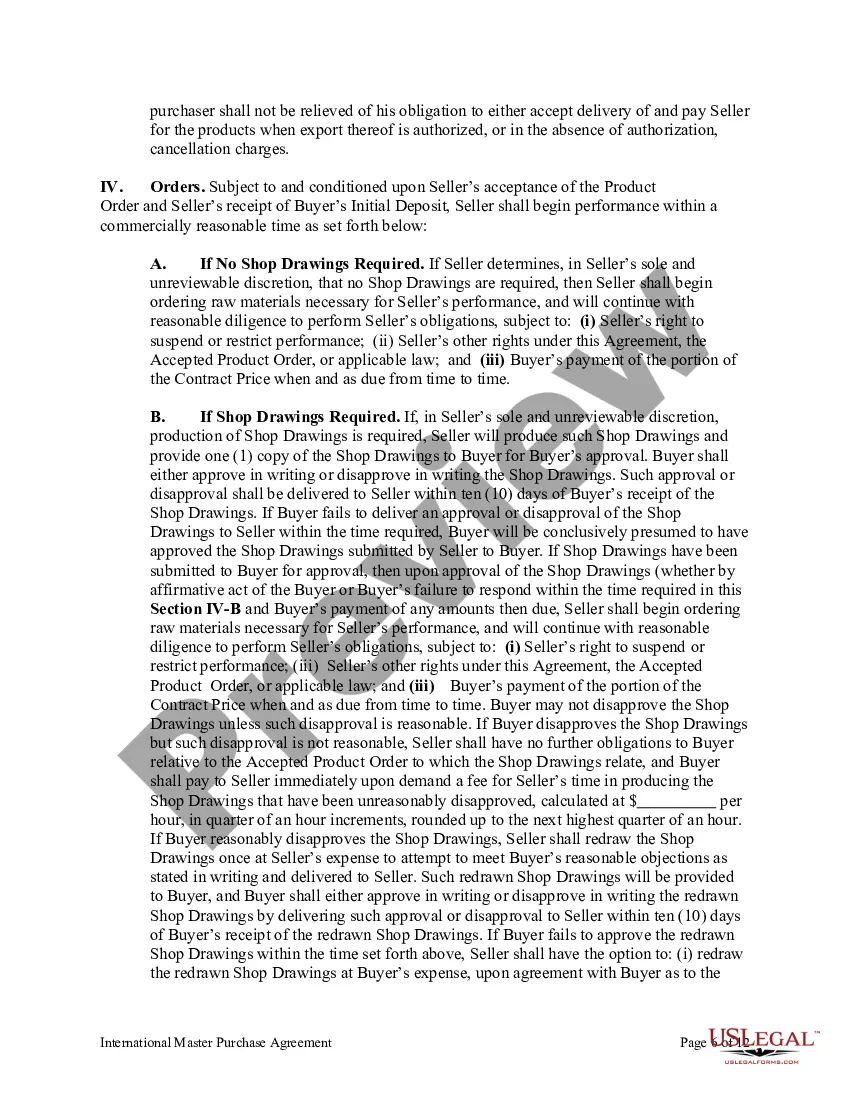
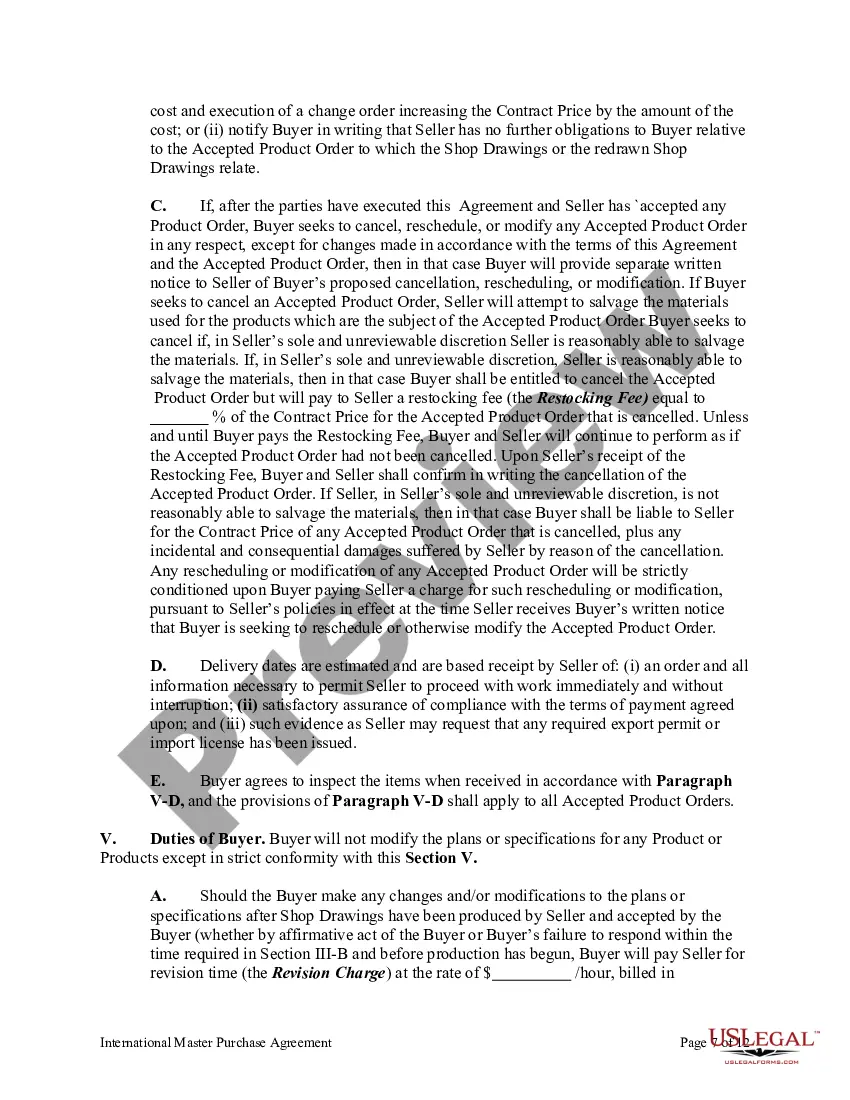
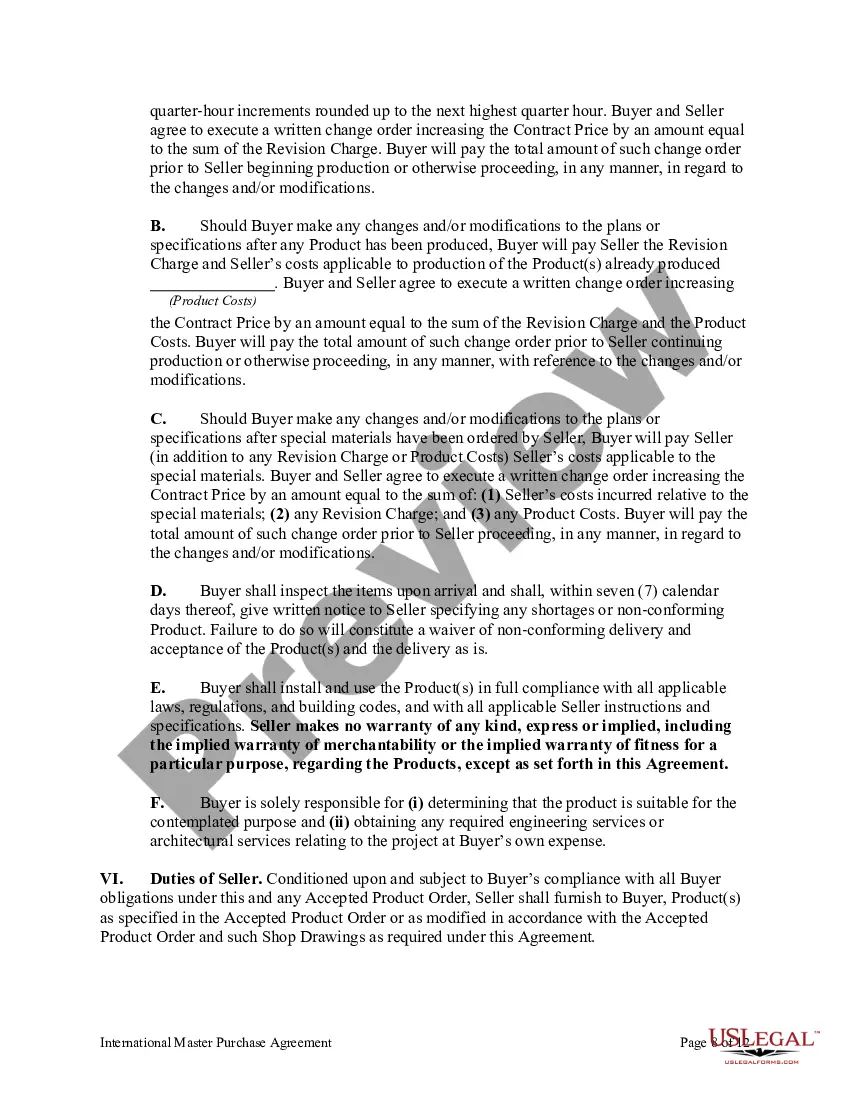
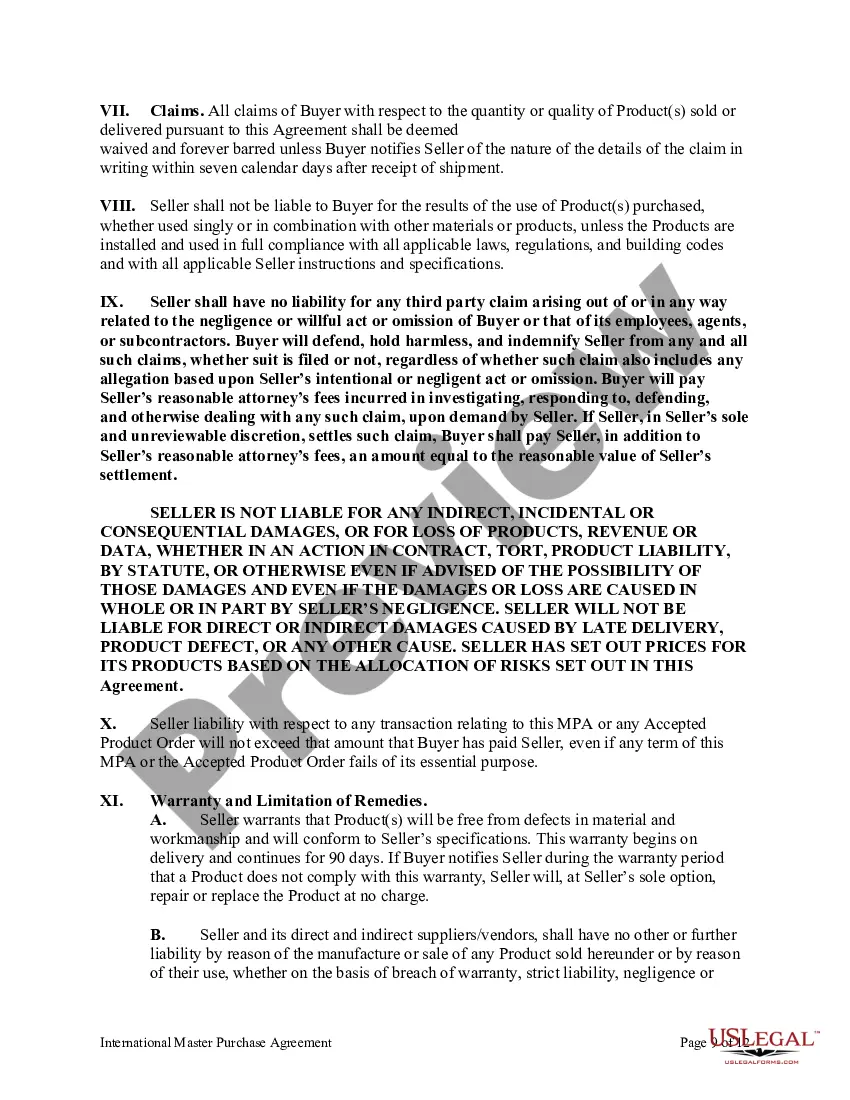
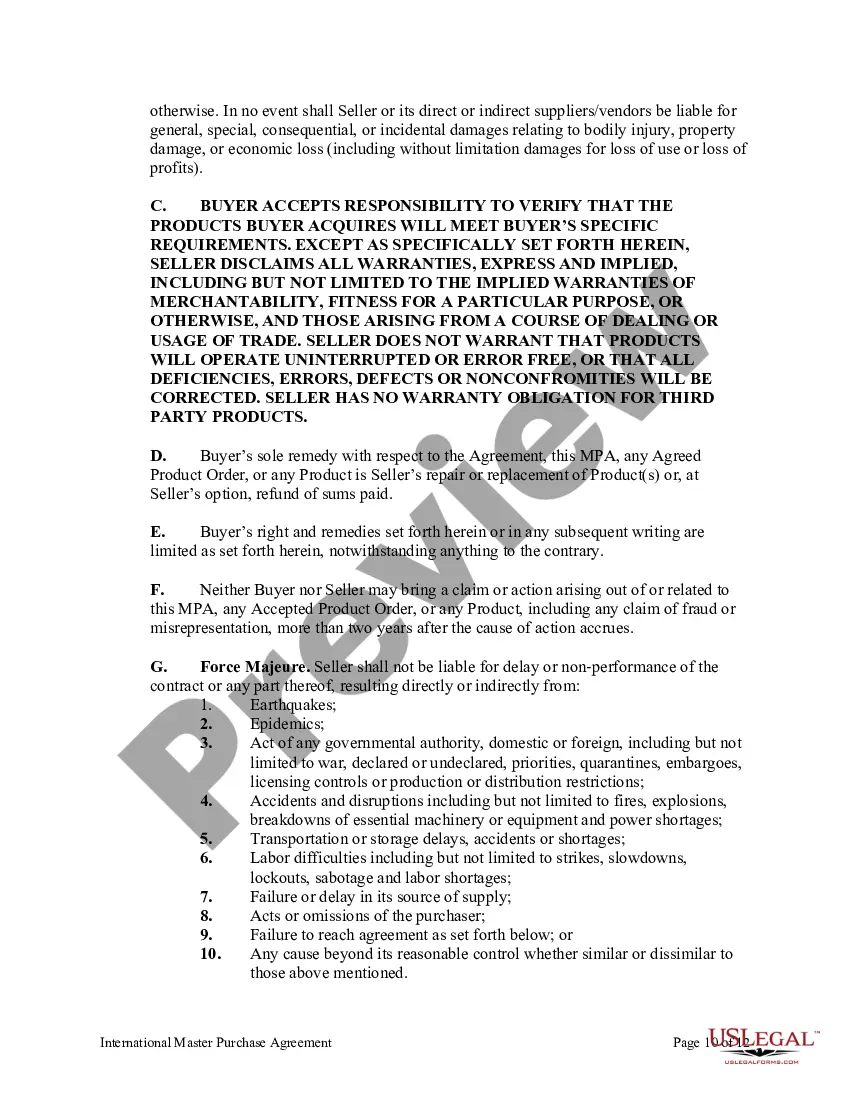
A PSA may be used for a one-time project or a short-term engagement. An MSA, on the other hand, is a broader type of agreement that sets forth the general terms and conditions under which a professional or service provider will work with a client.
An MSA establishes the overall contractual relationship between parties. In contrast, an SOW is a project-specific document. What does it cover? It seeks to cover general terms, responsibilities, and legal obligations.
How to use MSA vs SOW. Both MSAs and SOWs are used in service transaction contracts. The major difference between them is that, while an MSA sets the legal framework for the relationship between contracting parties, an SOW deals with specific projects or transactions.
In the aggregate, master supply agreements, or MSAs, are generally contracts that come into existence when a company maintains several contracts with the same supplier, and therefore seeks to streamline the process by merging them into a single agreement.
A contract is usually the last step in the negotiation process. It legally joins two or more parties and outlines the terms and conditions of the agreement. An SOW is part of a contract, going into more detail about what will be delivered in a project.
Comparing a Master Service Agreement (MSA) vs Statement of Work (SOW) is relatively straightforward. The MSA is a comprehensive, overarching contract, while the SOW is far more detailed. Although each contract is unique, the MSA and SOW fit together to complete an agreement between two businesses.
10 Tips for Successful Contract Negotiation Start with a draft. Break it down into smaller pieces. Keep your initial terms simple. Know your “why.” ... Prioritize your key objectives. Ask questions and understand your counterparty's motives. Come prepared with research.
Unlike contracts that typically apply to a one-time transaction between two parties, a Master Service Agreement is intended to outline the rights and responsibility of the parties involved in an ongoing relationship, including those that pertain to: The ownership rights of a property.
How do you create an MSA? Step-by-step instructions Establish the framework. Detail the scope of services. Set the payment terms. Agree on insurance and liability. Describe the work order process. Protect confidential information. Draft the statement of work (SOW). Specify intellectual property (IP) rights.
Define the scope and objectives: Before entering into negotiations, it's important to clearly define the scope of the agreement and the objectives of both parties. This will help ensure that everyone is on the same page and that the negotiations are focused on the key issues.
