Master Sales Agreement Form Pdf In Nevada
Description





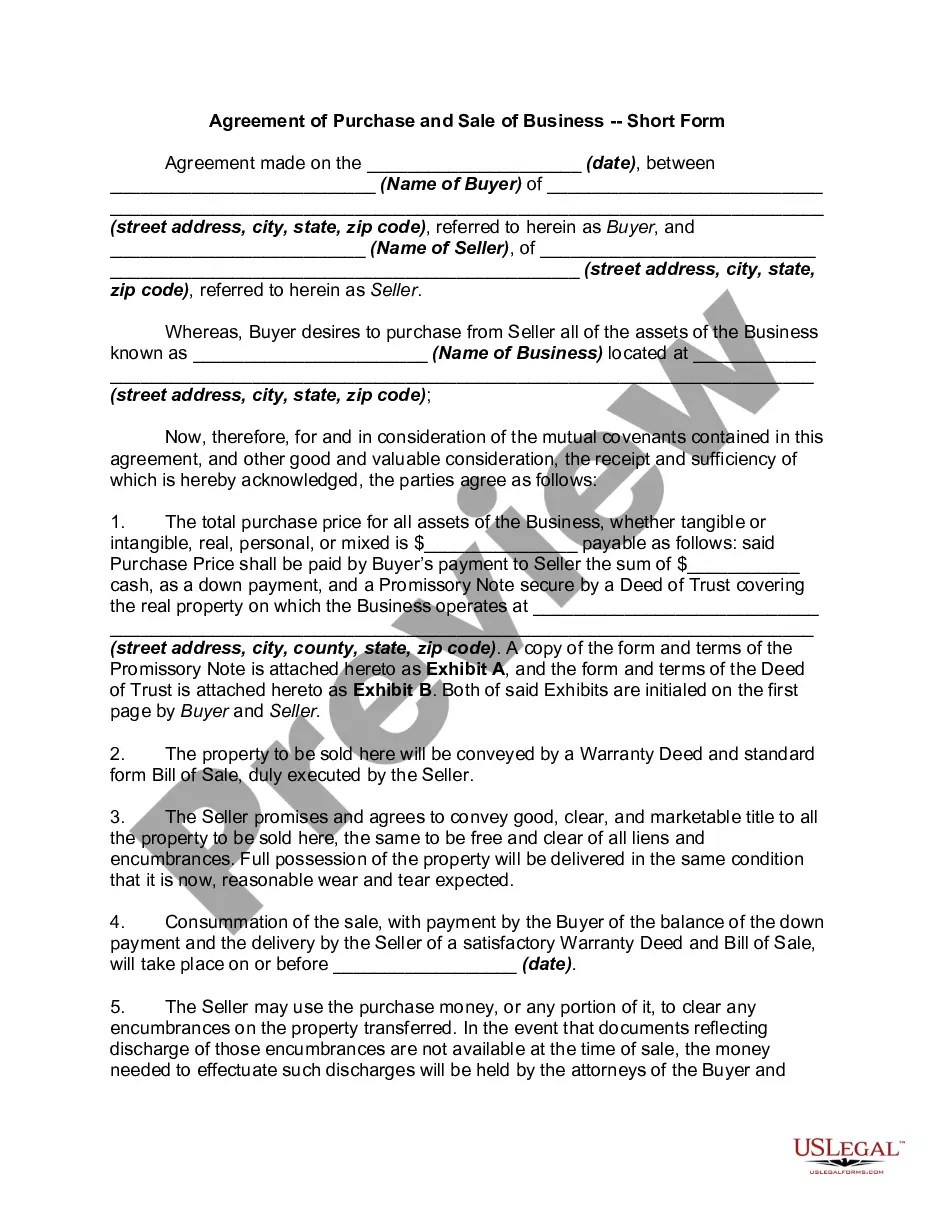
Get your form ready online
Our built-in tools help you complete, sign, share, and store your documents in one place.
Make edits, fill in missing information, and update formatting in US Legal Forms—just like you would in MS Word.
Download a copy, print it, send it by email, or mail it via USPS—whatever works best for your next step.
Sign and collect signatures with our SignNow integration. Send to multiple recipients, set reminders, and more. Go Premium to unlock E-Sign.
If this form requires notarization, complete it online through a secure video call—no need to meet a notary in person or wait for an appointment.
We protect your documents and personal data by following strict security and privacy standards.

Make edits, fill in missing information, and update formatting in US Legal Forms—just like you would in MS Word.

Download a copy, print it, send it by email, or mail it via USPS—whatever works best for your next step.

Sign and collect signatures with our SignNow integration. Send to multiple recipients, set reminders, and more. Go Premium to unlock E-Sign.

If this form requires notarization, complete it online through a secure video call—no need to meet a notary in person or wait for an appointment.

We protect your documents and personal data by following strict security and privacy standards.
Looking for another form?







Form popularity
FAQ
Unlike an SLA, an MSA covers a wider range of contractual provisions and services and is often used as a legally binding contract between vendors and clients.
Specify governing law. Identify the working relationship. Clearly define the scope of work. Specify what benefits, if any, the contractor will receive. Assign intellectual property. Include confidentiality clauses. Include a termination clause.
In summary, Terms of Service are designed for individual users and are used in B2C relationships, while Master Service Agreements are tailored for business-to-business relationships and provide a comprehensive framework for ongoing service provision between companies.
In summary, ToS are used for consumer-facing agreements and are specific to individual users, while MSAs are used in B2B relationships and serve as overarching agreements between businesses.
Governing area: An MSA is an umbrella that covers the entire client-vendor relationship. It establishes the overarching principles governing all interactions, projects, and services provided by the vendor throughout the partnership. In contrast, an SLA zooms in on a specific service within that relationship.
An MSA, or Master Service Agreement, is a comprehensive contract between two parties that outlines the general terms and conditions governing their business relationship. It serves as a foundation for future transactions or agreements. Its primary purpose is to speed up and simplify future agreements between parties.
Types of agreements under Indian Contract Act, 1872 Valid agreement. Section 11 of the Indian Contract Act, 1872. Void agreement. Section 24 of the Indian Contract Act, 1872. Wagering Agreements. Contingent Agreement. Voidable agreement. Express and implied agreements. Illegal Agreements.
A master service agreement, sometimes known as a framework agreement, is a contract reached between parties, in which the parties agree to most of the terms that will govern future transactions or future agreements.
In IT and ITSM, the terms "Master Service Agreement" and "Service Level Agreement" are often used interchangeably.
In the MCA, the parties agree, amongst other things, on the in-scope products and general confirmation terms. Specific trade details are then agreed in Transactions Supplements once a trade has been entered into.
