Master Agreement In In Maricopa
Description


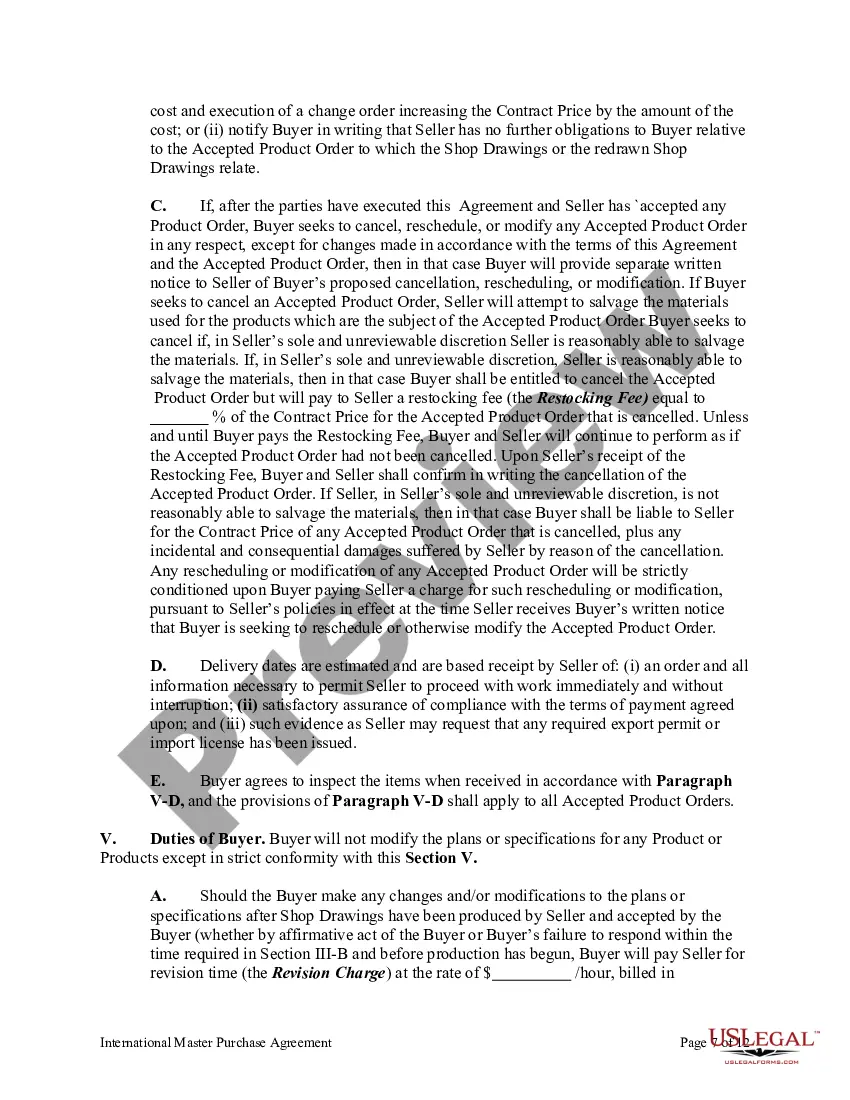
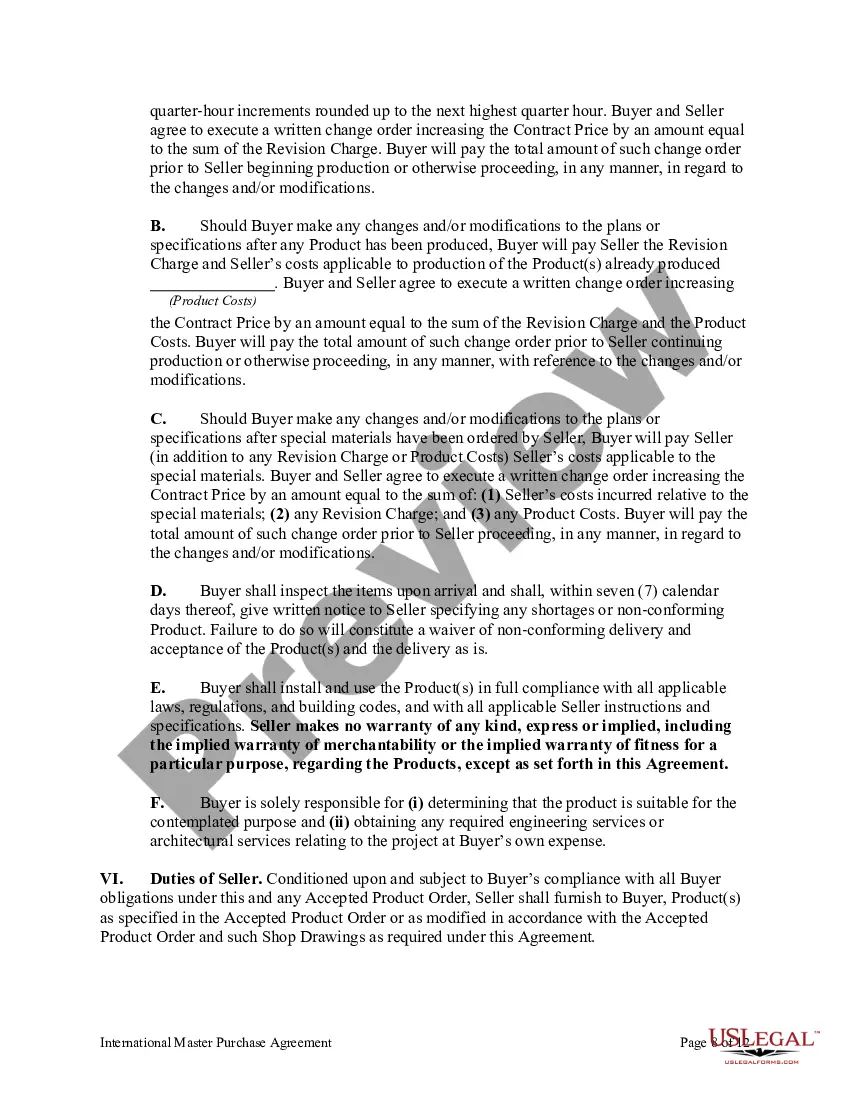
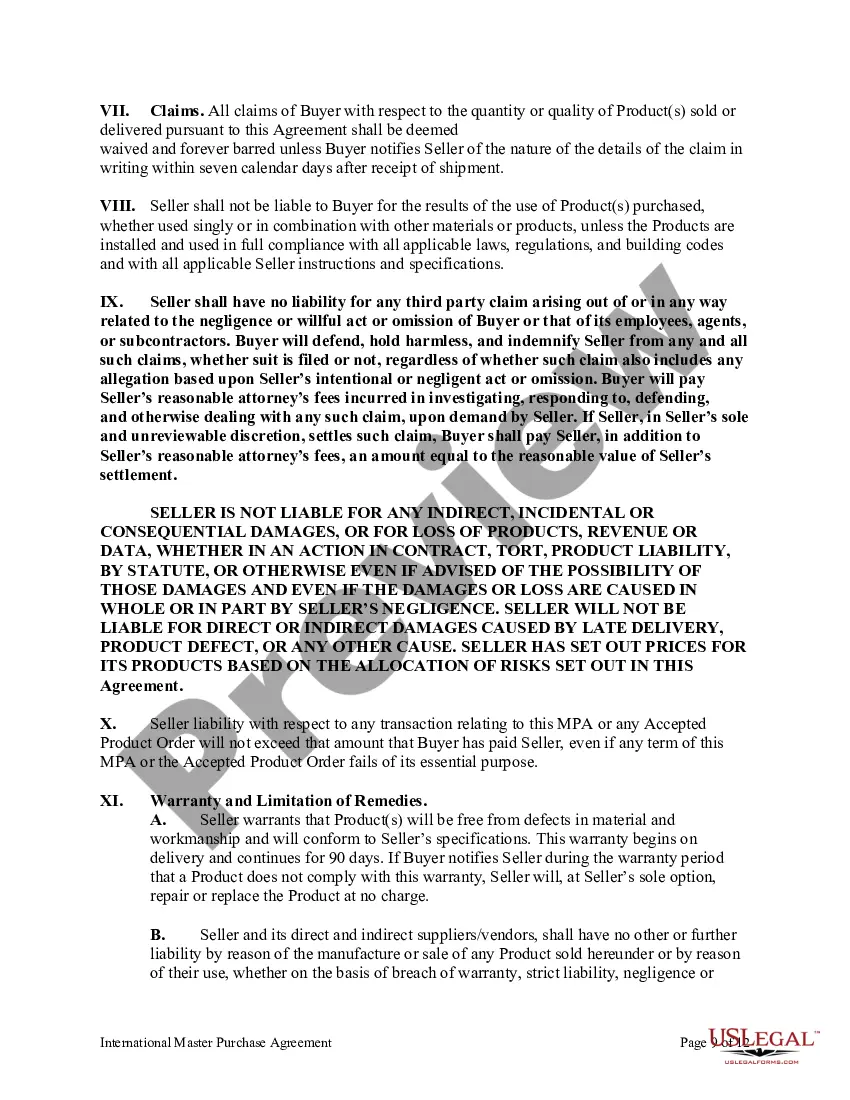
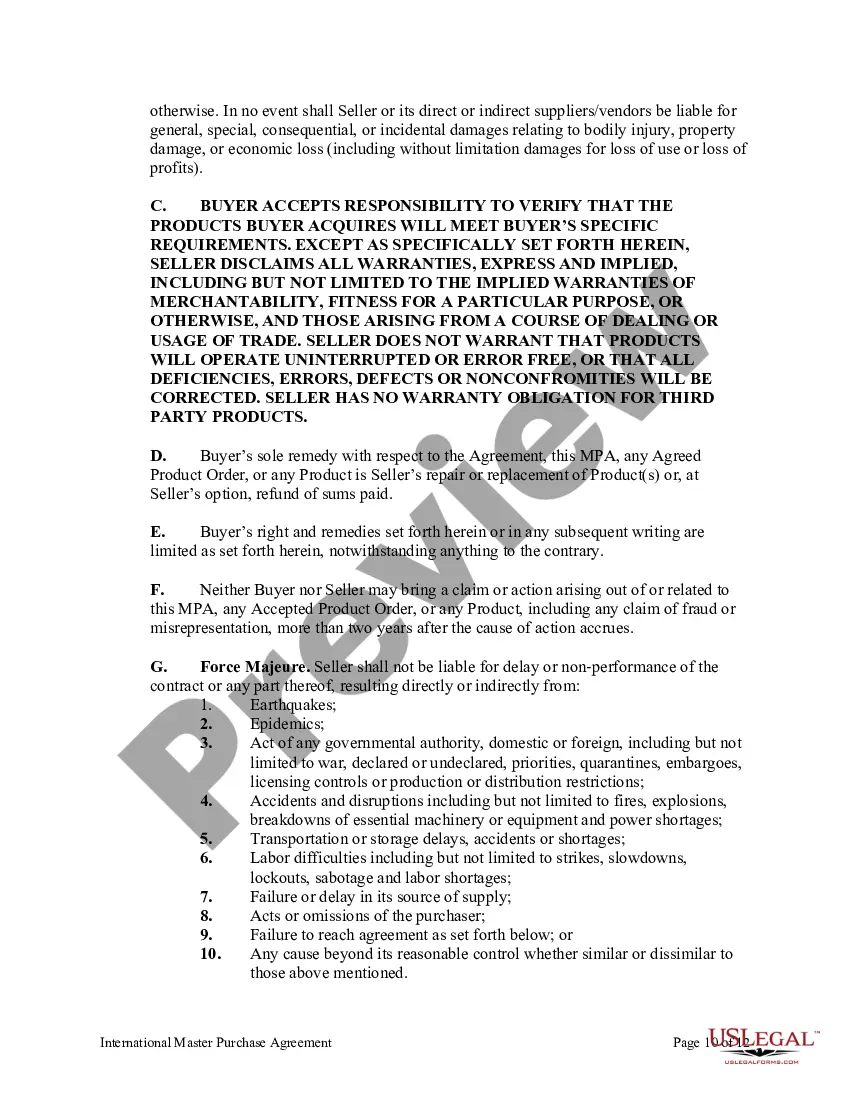



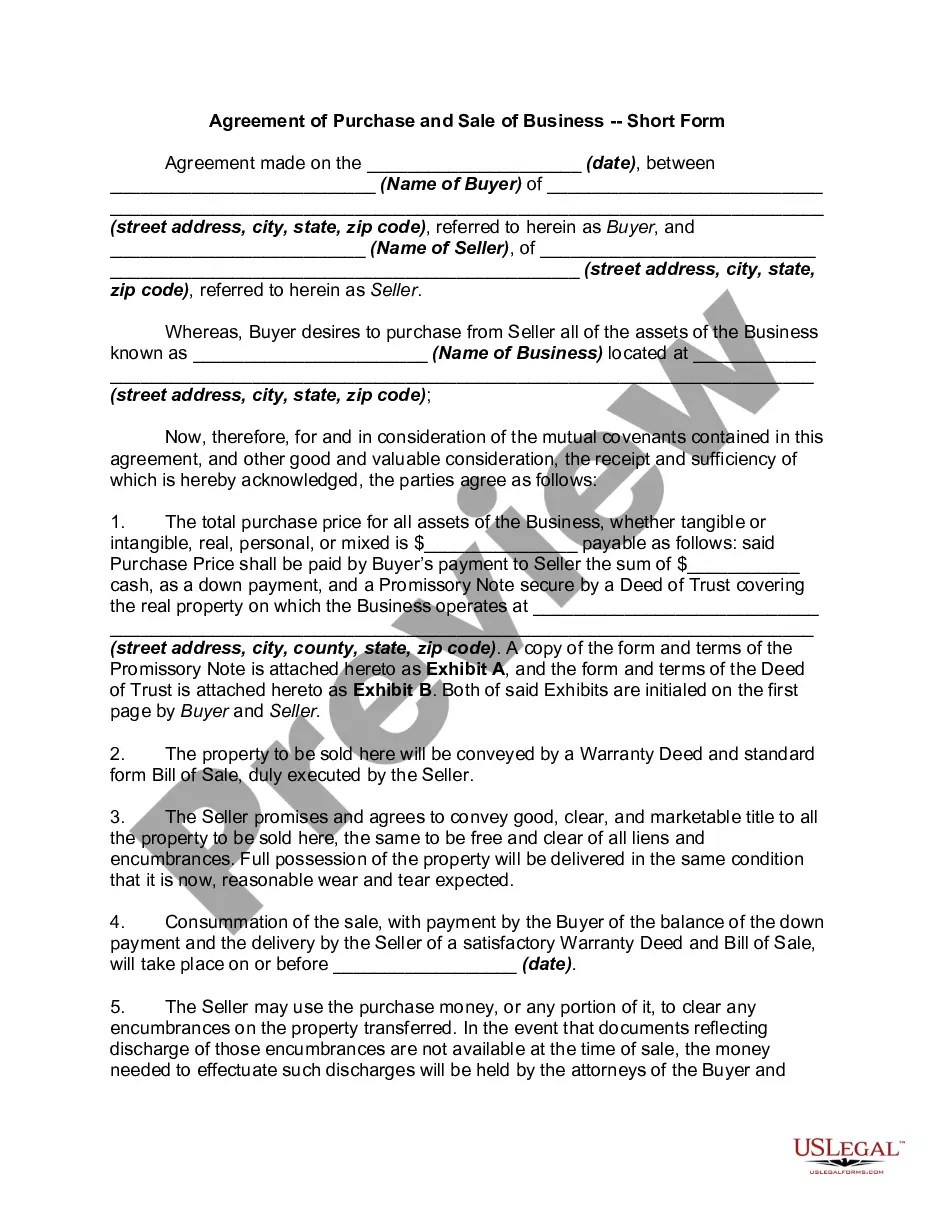
Get your form ready online
Our built-in tools help you complete, sign, share, and store your documents in one place.
Make edits, fill in missing information, and update formatting in US Legal Forms—just like you would in MS Word.
Download a copy, print it, send it by email, or mail it via USPS—whatever works best for your next step.
Sign and collect signatures with our SignNow integration. Send to multiple recipients, set reminders, and more. Go Premium to unlock E-Sign.
If this form requires notarization, complete it online through a secure video call—no need to meet a notary in person or wait for an appointment.
We protect your documents and personal data by following strict security and privacy standards.

Make edits, fill in missing information, and update formatting in US Legal Forms—just like you would in MS Word.

Download a copy, print it, send it by email, or mail it via USPS—whatever works best for your next step.

Sign and collect signatures with our SignNow integration. Send to multiple recipients, set reminders, and more. Go Premium to unlock E-Sign.

If this form requires notarization, complete it online through a secure video call—no need to meet a notary in person or wait for an appointment.

We protect your documents and personal data by following strict security and privacy standards.
Looking for another form?








Form popularity
FAQ
Site License Master Enabling Agreeements These MEAs are established after the completion of an advertised solicitation. These MEAs select qualified firms to design, energy improvements on campuses.
An MSA, or Master Service Agreement, is a comprehensive contract between two parties that outlines the general terms and conditions governing their business relationship. It serves as a foundation for future transactions or agreements. Its primary purpose is to speed up and simplify future agreements between parties.
A Master Service Agreement provides a legal framework that protects the interests of both parties. The agreement clearly outlines the rights and responsibilities of each party, which can be essential in case of disputes or litigation.
In the MCA, the parties agree, amongst other things, on the in-scope products and general confirmation terms. Specific trade details are then agreed in Transactions Supplements once a trade has been entered into.
A master agreement is a document that outlines the terms and conditions of an agreement between two or more parties. It's common to use a master agreement when there are multiple agreements in place with one company, such as if they have separate contracts for services, warranties, and deliveries.
A master service agreement, sometimes known as a framework agreement, is a contract reached between parties, in which the parties agree to most of the terms that will govern future transactions or future agreements.
A master relationship agreement is a standardized contract between that allows two parties to do business together and work toward a common goal.
An MSA, or Master Service Agreement, is a comprehensive contract between two parties that outlines the general terms and conditions governing their business relationship. It serves as a foundation for future transactions or agreements. Its primary purpose is to speed up and simplify future agreements between parties.
Why use a Master Service Agreement? An MSA simplifies and streamlines the contract negotiation process. By establishing the deal's terms at the outset, both parties create a business relationship while still continuing to refine their rights, responsibilities and expectations.
