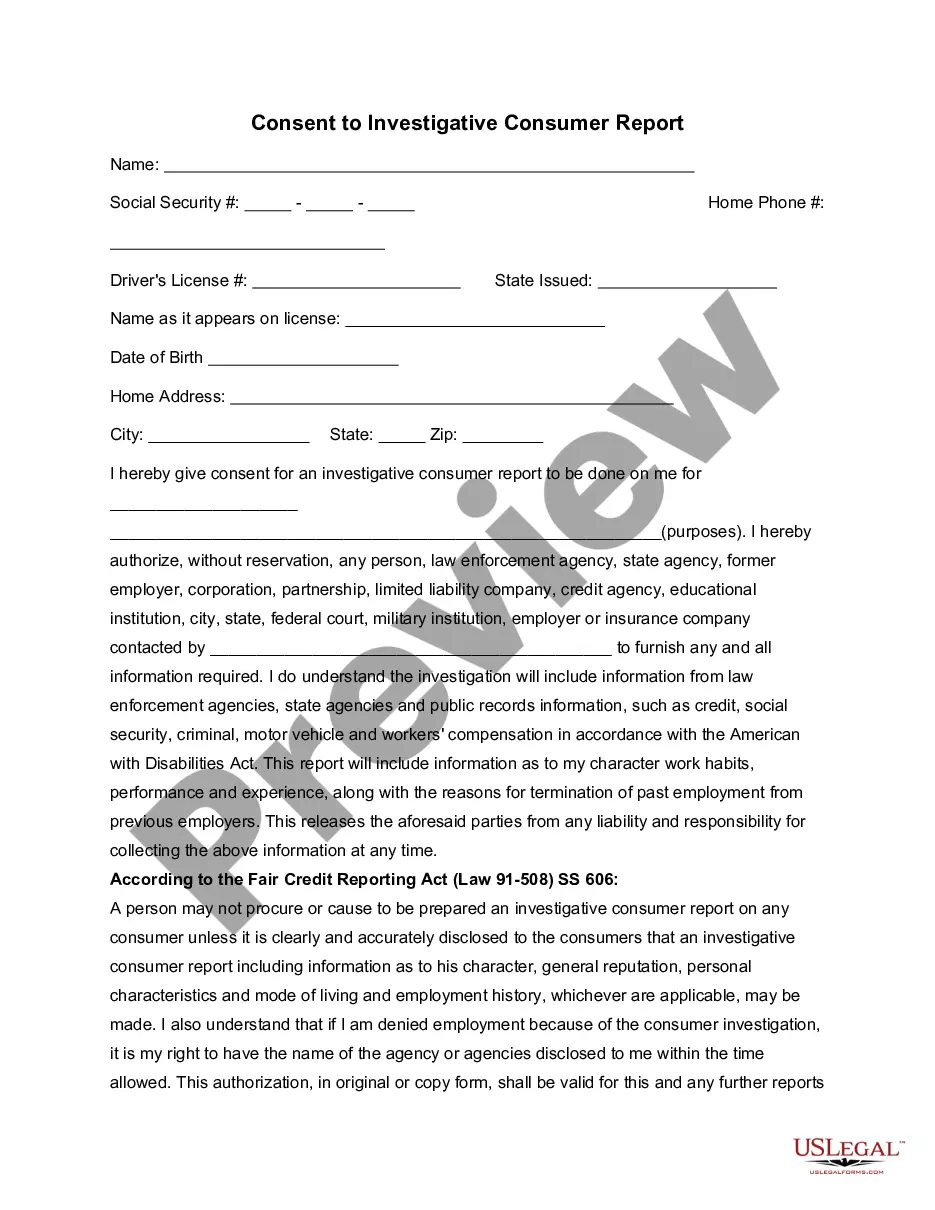
Collective Agreement For Public Service In Cuyahoga
Description


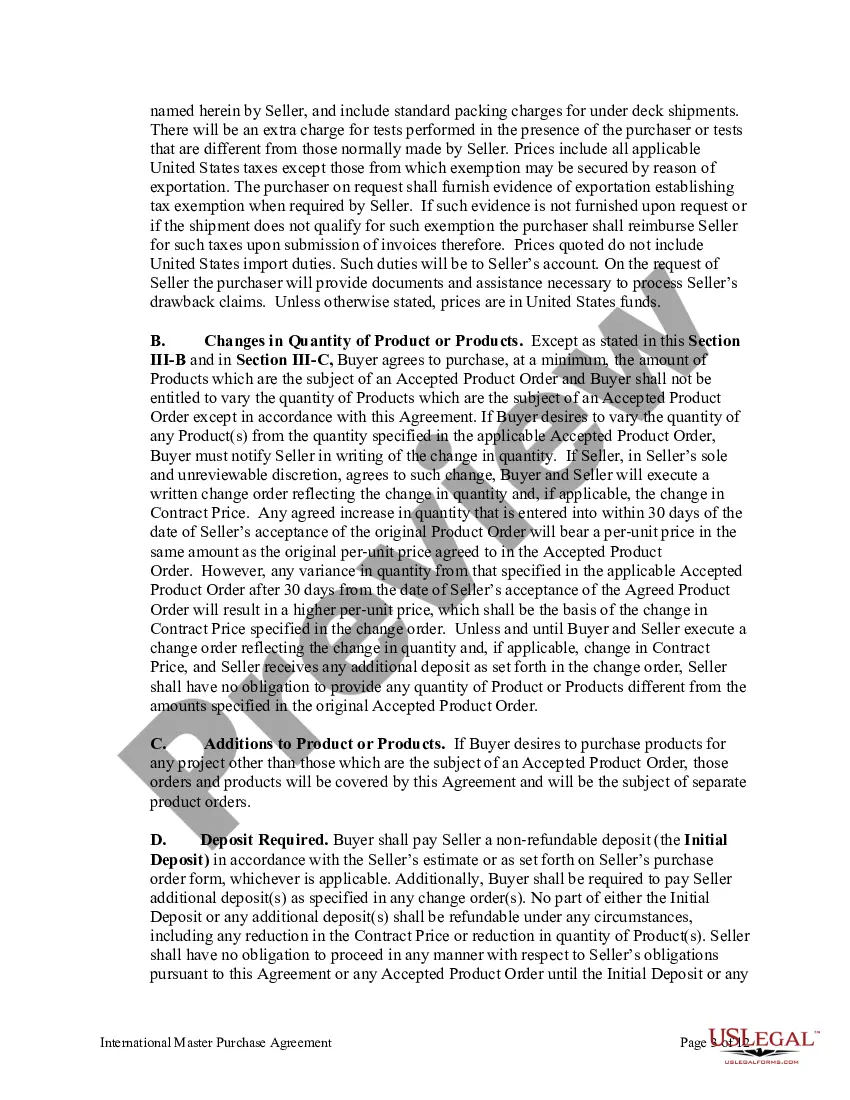



Get your form ready online
Our built-in tools help you complete, sign, share, and store your documents in one place.
Make edits, fill in missing information, and update formatting in US Legal Forms—just like you would in MS Word.
Download a copy, print it, send it by email, or mail it via USPS—whatever works best for your next step.
Sign and collect signatures with our SignNow integration. Send to multiple recipients, set reminders, and more. Go Premium to unlock E-Sign.
If this form requires notarization, complete it online through a secure video call—no need to meet a notary in person or wait for an appointment.
We protect your documents and personal data by following strict security and privacy standards.

Make edits, fill in missing information, and update formatting in US Legal Forms—just like you would in MS Word.

Download a copy, print it, send it by email, or mail it via USPS—whatever works best for your next step.

Sign and collect signatures with our SignNow integration. Send to multiple recipients, set reminders, and more. Go Premium to unlock E-Sign.

If this form requires notarization, complete it online through a secure video call—no need to meet a notary in person or wait for an appointment.

We protect your documents and personal data by following strict security and privacy standards.
Looking for another form?
Form popularity
FAQ
Most Collective Bargaining Agreements contain the following common elements: (1) a union recognition clause, (2) a management rights clause, (3) union rights provisions, (4) prohibitions on strikes and lockouts, (5) a union security clause, (6) nondiscrimination provisions, (7) grievance and arbitration procedures, (8) ...
The kinds of terms and conditions covered by a collective agreement typically include wages and benefits, as well as terms and conditions of employment that relate to e.g., job postings; obligations and responsibilities of the employer, the employee and the union; and a dispute resolution process (usually a grievance ...
The kinds of terms and conditions covered by a collective agreement typically include wages and benefits, as well as terms and conditions of employment that relate to e.g., job postings; obligations and responsibilities of the employer, the employee and the union; and a dispute resolution process (usually a grievance ...
Collective Bargaining Agreements The Office of Labor Management Standards maintains a file of public and private sector contracts, organized by employer. In many cases, full text of the contracts is available in pdf format.
Collective agreements must: a statement that most personal grievances. Personal grievance. An action that an employee can take against a current or former employer when they have an employment issue they cannot resolve. a statement that sexual harassment. Harassment.
Your union and employer must bargain in good faith about wages, hours, and other terms and conditions of employment until they agree on a labor contract or reach a stand-off or “impasse.” If negotiations reach an impasse, an employer can impose terms and conditions so long as it offered them to the union before impasse ...
The negotiation process consists of five steps, each of which must consider elements of negotiation such as communication, party relationships, alternatives or options, legitimacy of the conflict, the interests of each party, and the commitment of each party to resolving the conflict.
The 5 Stages of Collective Bargaining Preparing for bargaining. Conducting negotiations. Ratifying the contract. Resolving a contract dispute. Changing or clarifying the contract.
Answer: Collective bargaining is a voluntary process used to determine terms and conditions of work and regulate relations between employers, workers and their organizations, leading to the conclusion of a collective agreement.
These need to be completed sequentially, as it's hard to progress from one stage to the other if each is not properly completed. Stage 1 – Preparation. Stage 2 – Devise a Strategy. Stage 3 – Negotiate an Agreement.