Master Sales Agreement With Payment Plan In California
Description





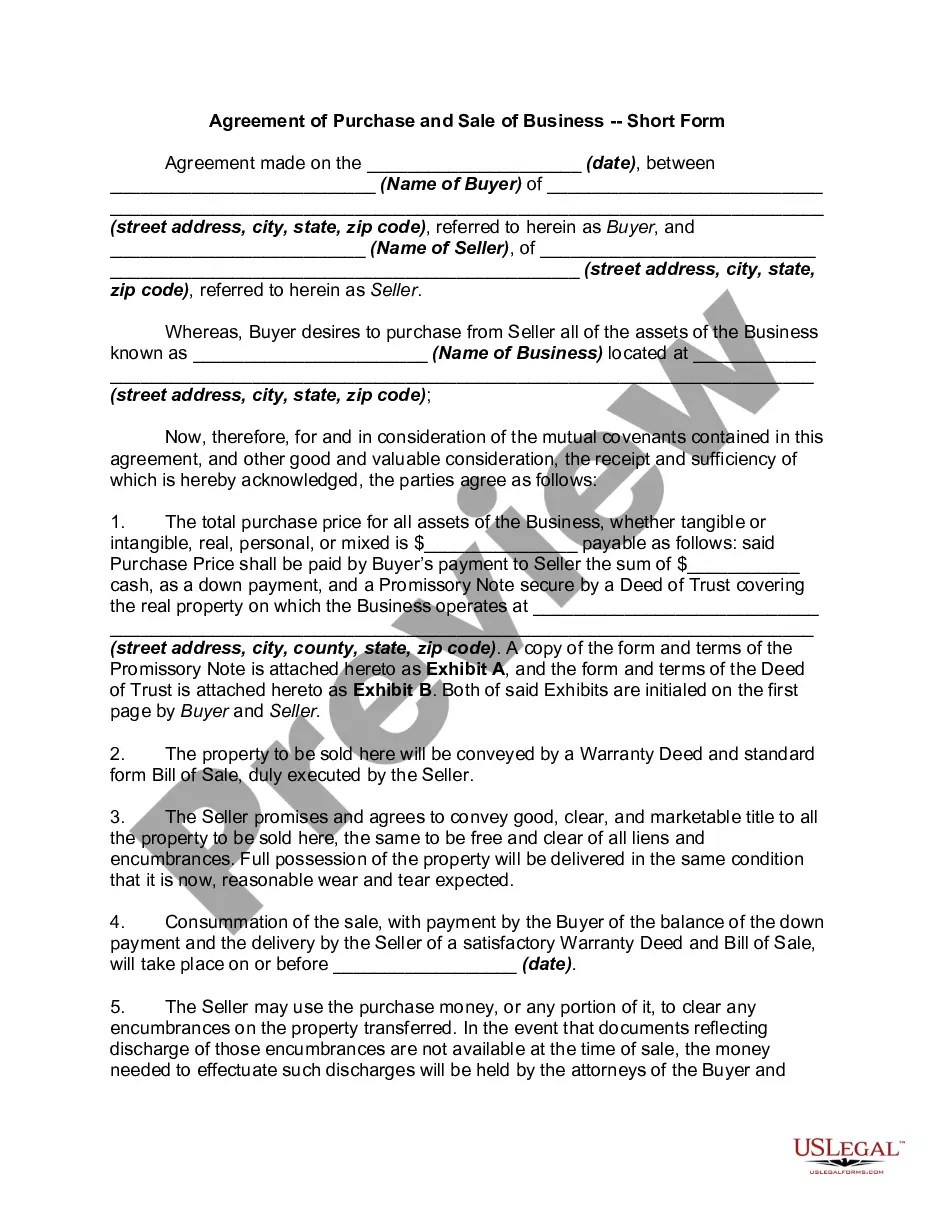
Get your form ready online
Our built-in tools help you complete, sign, share, and store your documents in one place.
Make edits, fill in missing information, and update formatting in US Legal Forms—just like you would in MS Word.
Download a copy, print it, send it by email, or mail it via USPS—whatever works best for your next step.
Sign and collect signatures with our SignNow integration. Send to multiple recipients, set reminders, and more. Go Premium to unlock E-Sign.
If this form requires notarization, complete it online through a secure video call—no need to meet a notary in person or wait for an appointment.
We protect your documents and personal data by following strict security and privacy standards.

Make edits, fill in missing information, and update formatting in US Legal Forms—just like you would in MS Word.

Download a copy, print it, send it by email, or mail it via USPS—whatever works best for your next step.

Sign and collect signatures with our SignNow integration. Send to multiple recipients, set reminders, and more. Go Premium to unlock E-Sign.

If this form requires notarization, complete it online through a secure video call—no need to meet a notary in person or wait for an appointment.

We protect your documents and personal data by following strict security and privacy standards.
Looking for another form?
Form popularity
FAQ
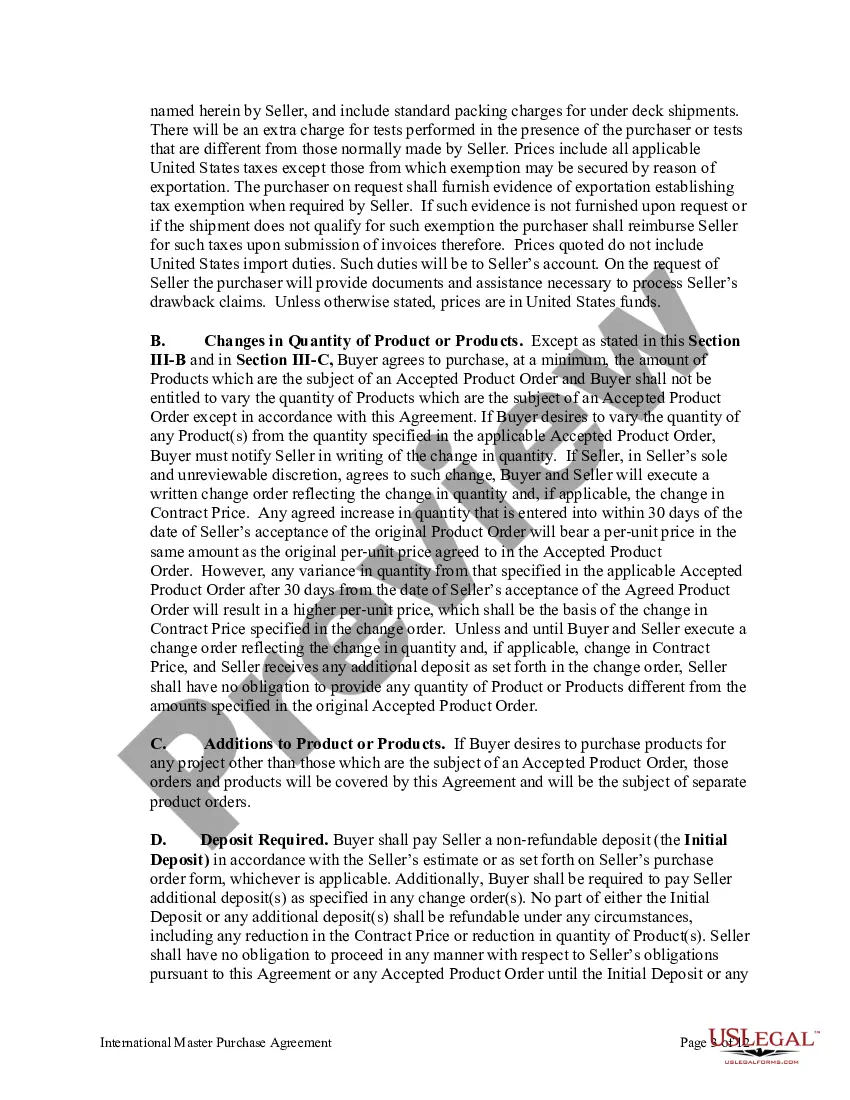
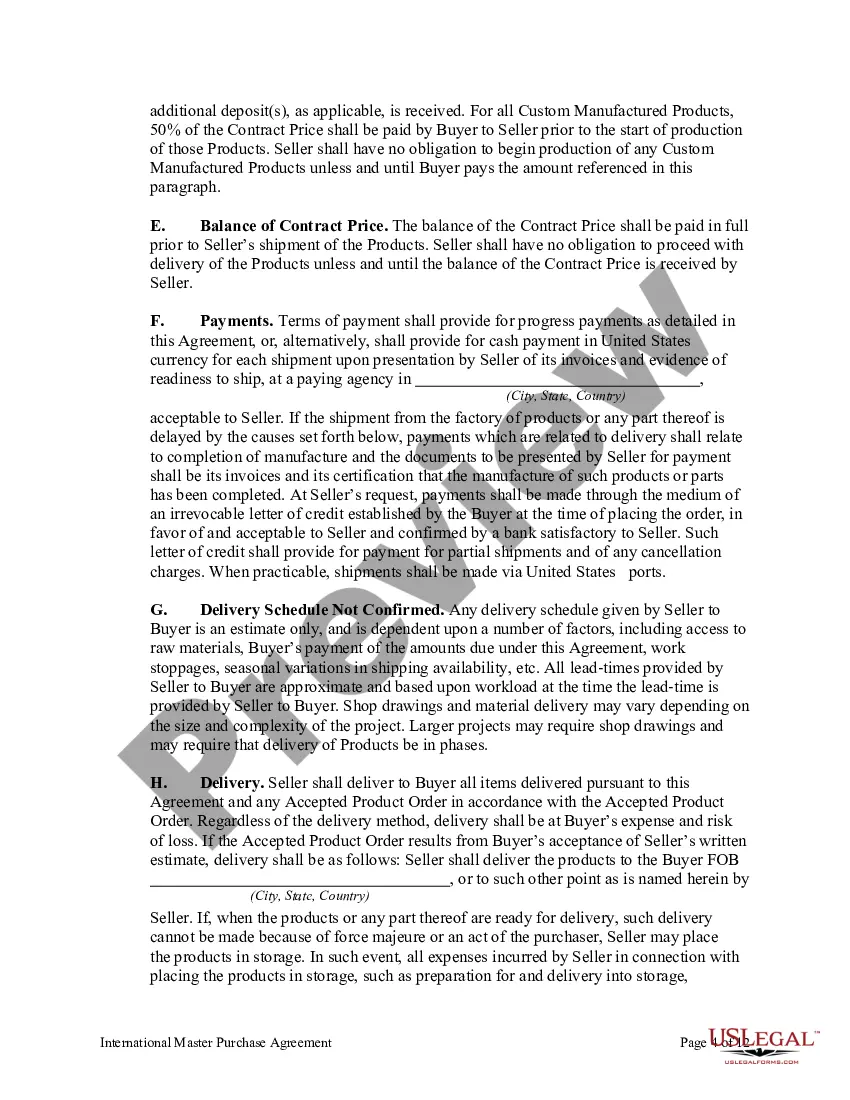
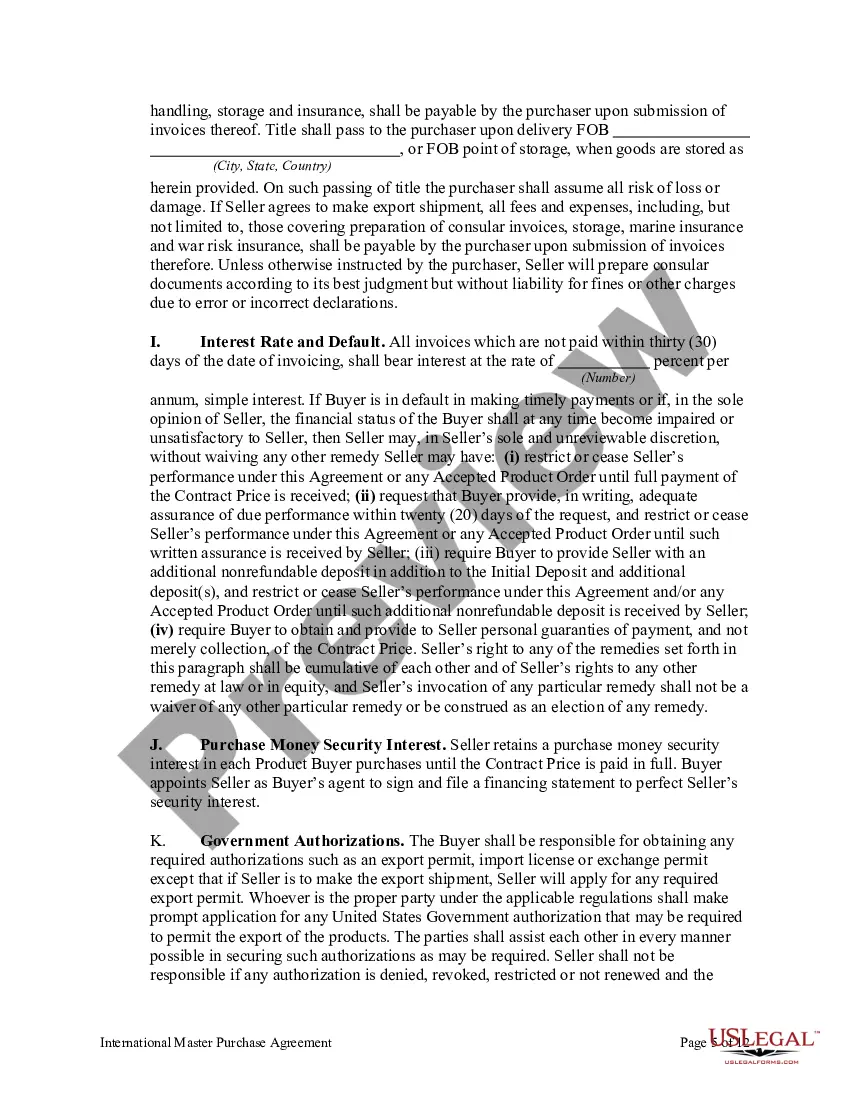
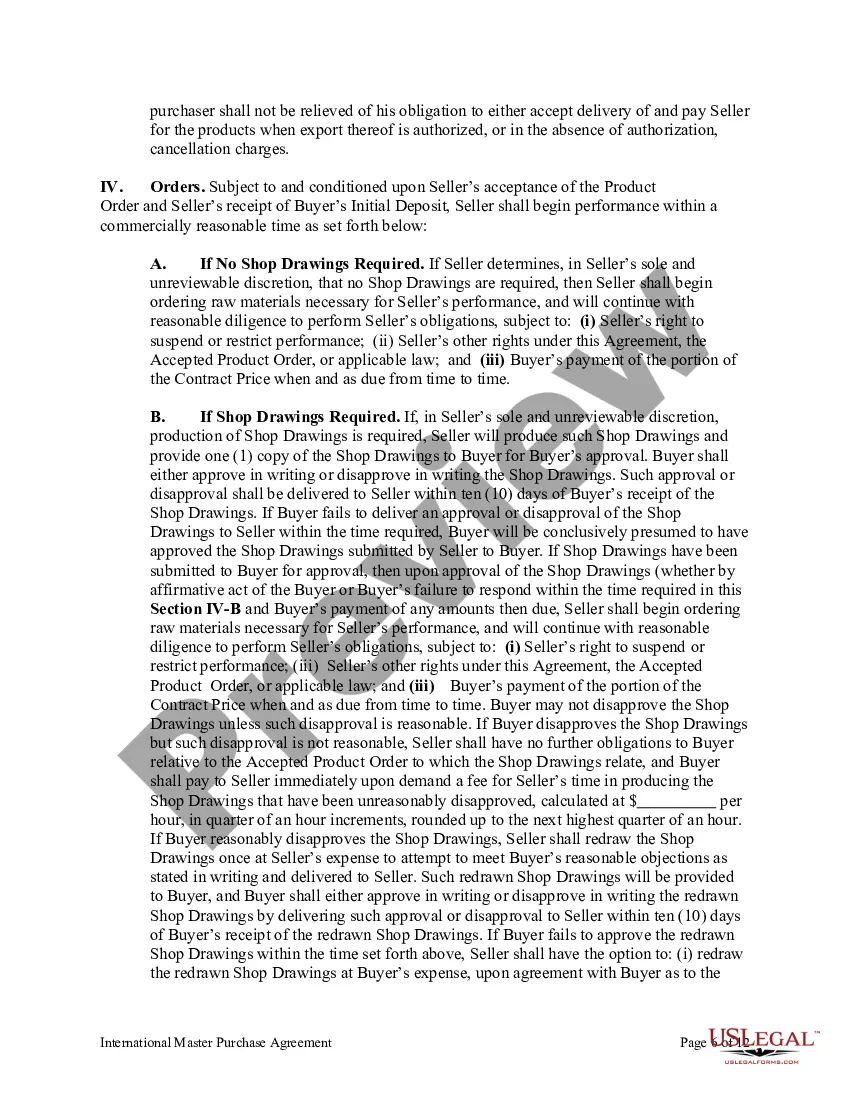
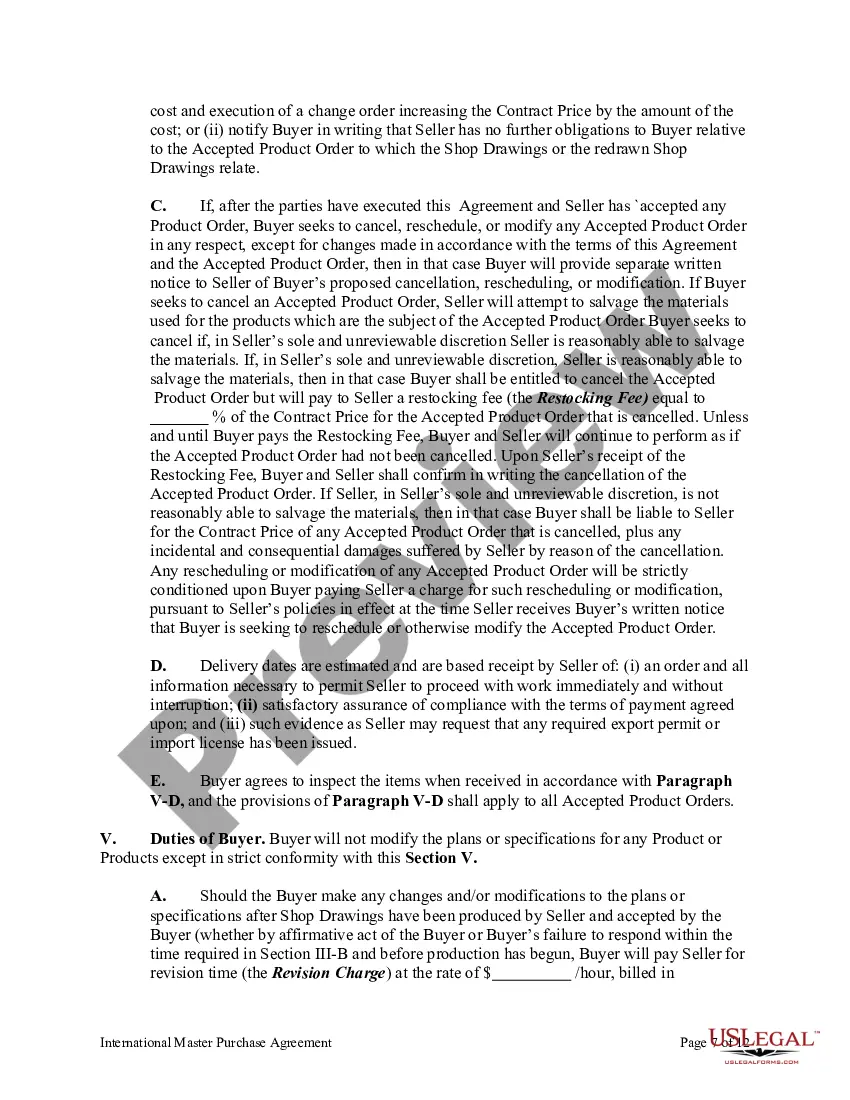
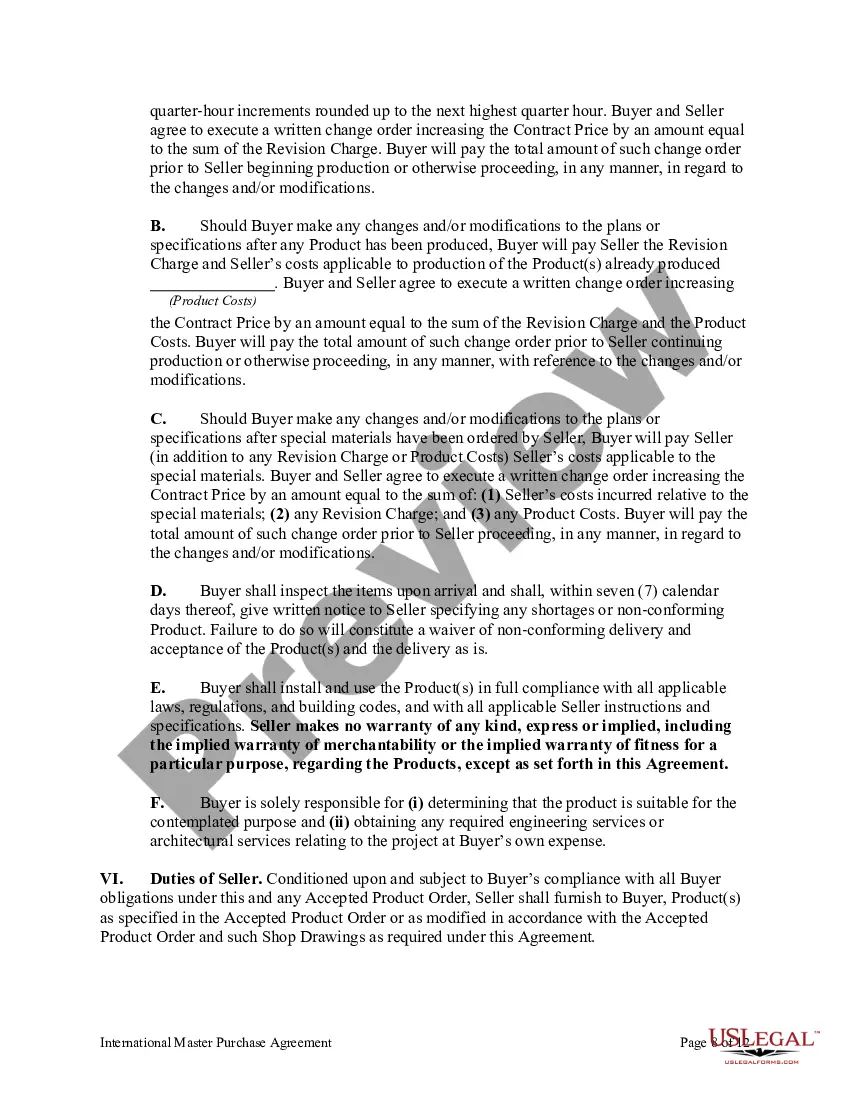
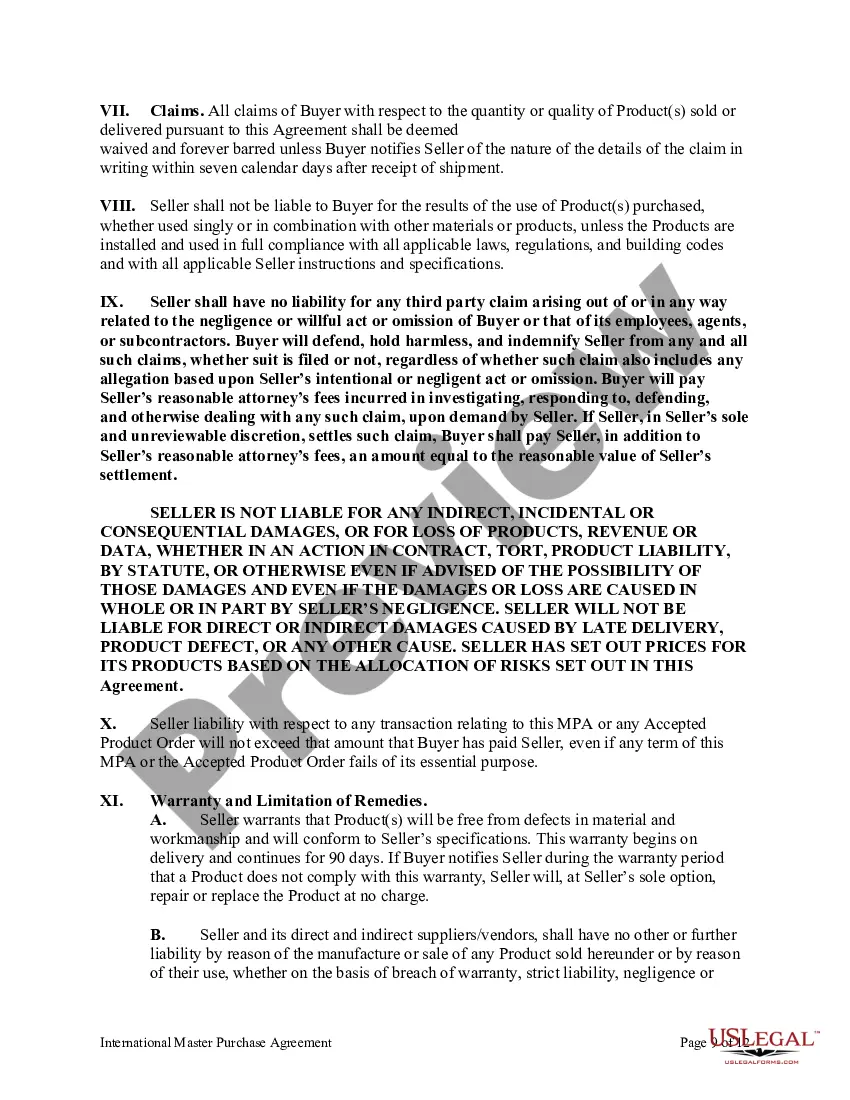
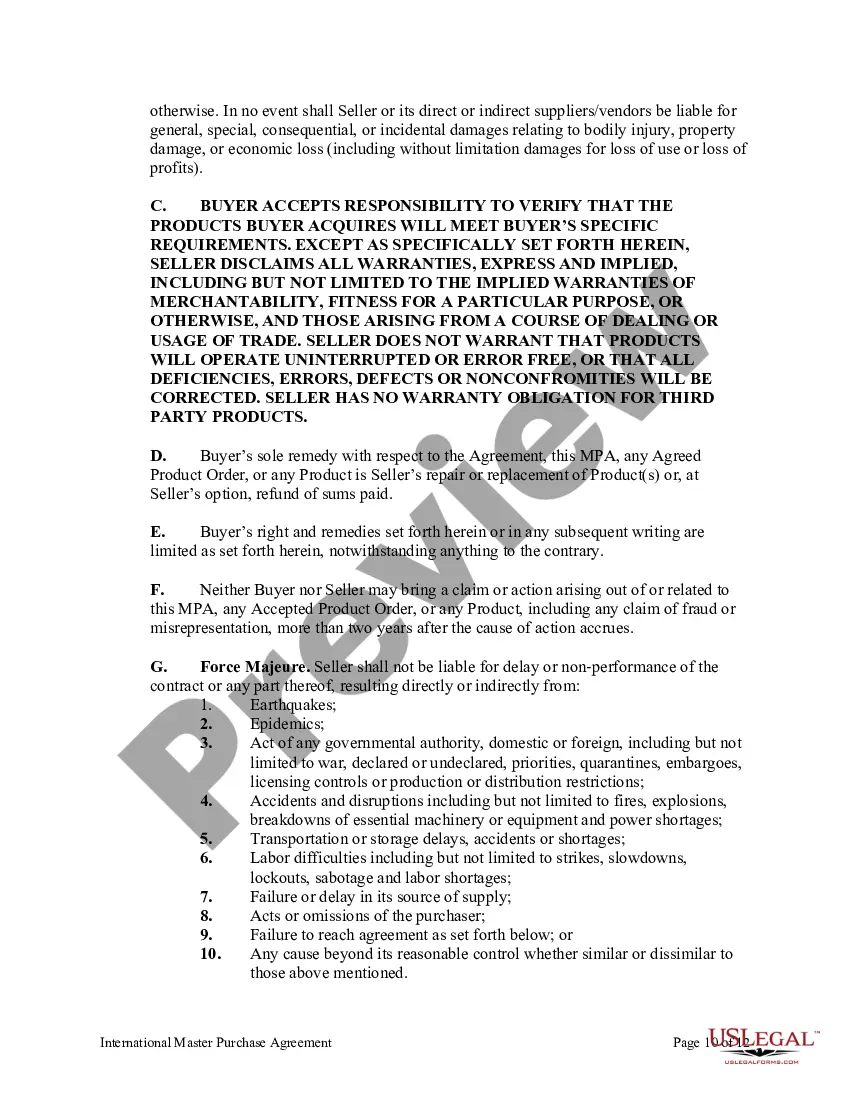
Unlike contracts that typically apply to a one-time transaction between two parties, a Master Service Agreement is intended to outline the rights and responsibility of the parties involved in an ongoing relationship, including those that pertain to: The ownership rights of a property.
With installment sales, you or the real estate escrow person (REEP) may report the sale or transfer as an installment sale if there will be at least one payment made after the tax year of the sale.
California will forgive tax debt via a Franchise Tax Board Offer in Compromise. An FTB Offer in Compromise is an agreement between the California state taxing authorities, the FTB, and the taxpayer to settle the tax debt for less than the amount owed. FTB Offers are not someone everyone qualifies for.
Setting up the payment plan Calculate the total amount due and the payment schedule. Determine the payment amounts, due dates and payment method. Write the agreement, detailing the payment plan. Include the date of the agreement and the parties involved. Get both parties to sign the agreement.
Under California Revenue and Taxation Code Section 19255, the statute of limitations to collect unpaid state tax debts is 20 years from the assessment date, but there are situations that may extend the period or allow debts to remain due and payable.
Drafting the payment plan agreement Brainstorm payment plan parameters and write them down. Identify key terms and conditions applicable to both parties. Draft a payment plan agreement with all the details noted in the previous step. List the payment plan schedule and payment amounts.
The OIC Program allows you to offer a lesser amount for payment of a non-disputed final tax liability . Generally, we approve an OIC when the amount offered represents the most we can expect to collect within a reasonable period of time .
Yes, California offers taxpayers the option to set up a California state tax payment plan. You'll need to meet some basic eligibility requirements in order to be approved. Once that's done, you will make consistent monthly payments.
A Payment Plan Agreement should include the following details: Names and contact information of both the creditor and debtor. Description of the debt being repaid. Total amount owed. Payment schedule, including due dates and amounts. Interest rate (if applicable) Consequences of late or missed payments.
Write the contract in six steps Start with a contract template. Open with the basic information. Describe in detail what you have agreed to. Include a description of how the contract will be ended. Write into the contract which laws apply and how disputes will be resolved. Include space for signatures.
