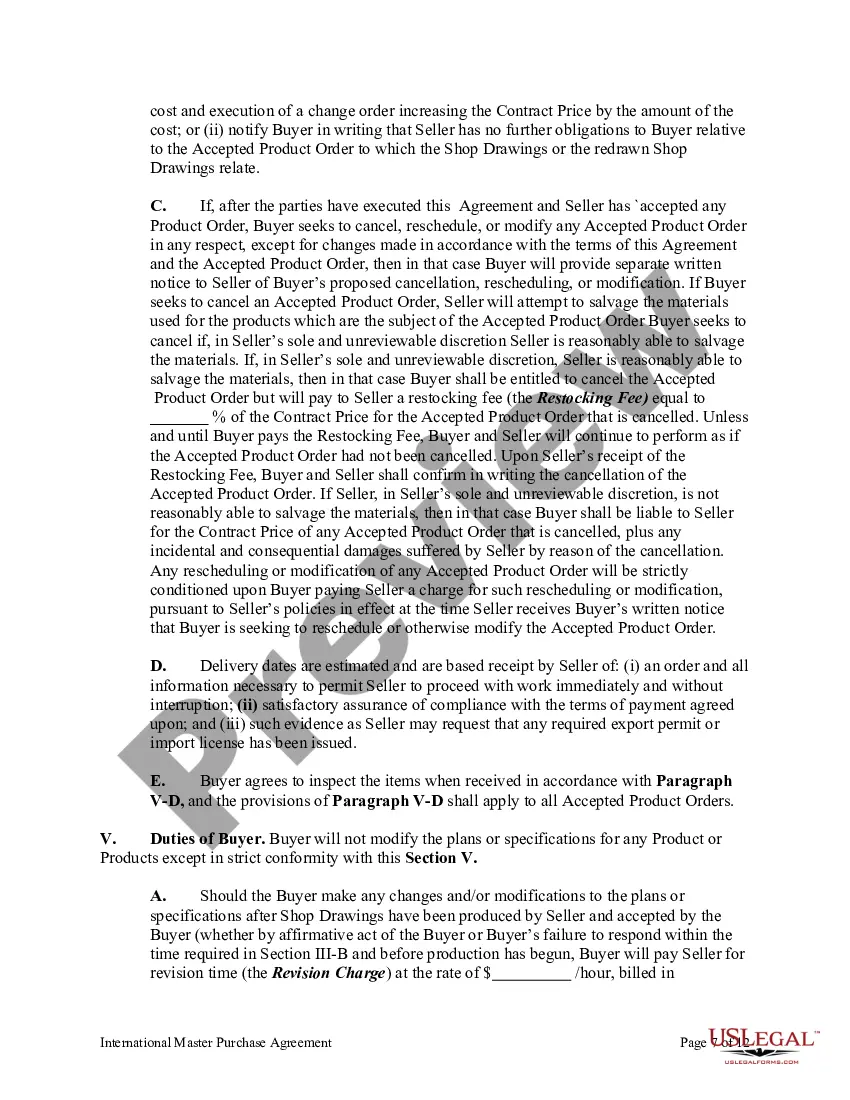
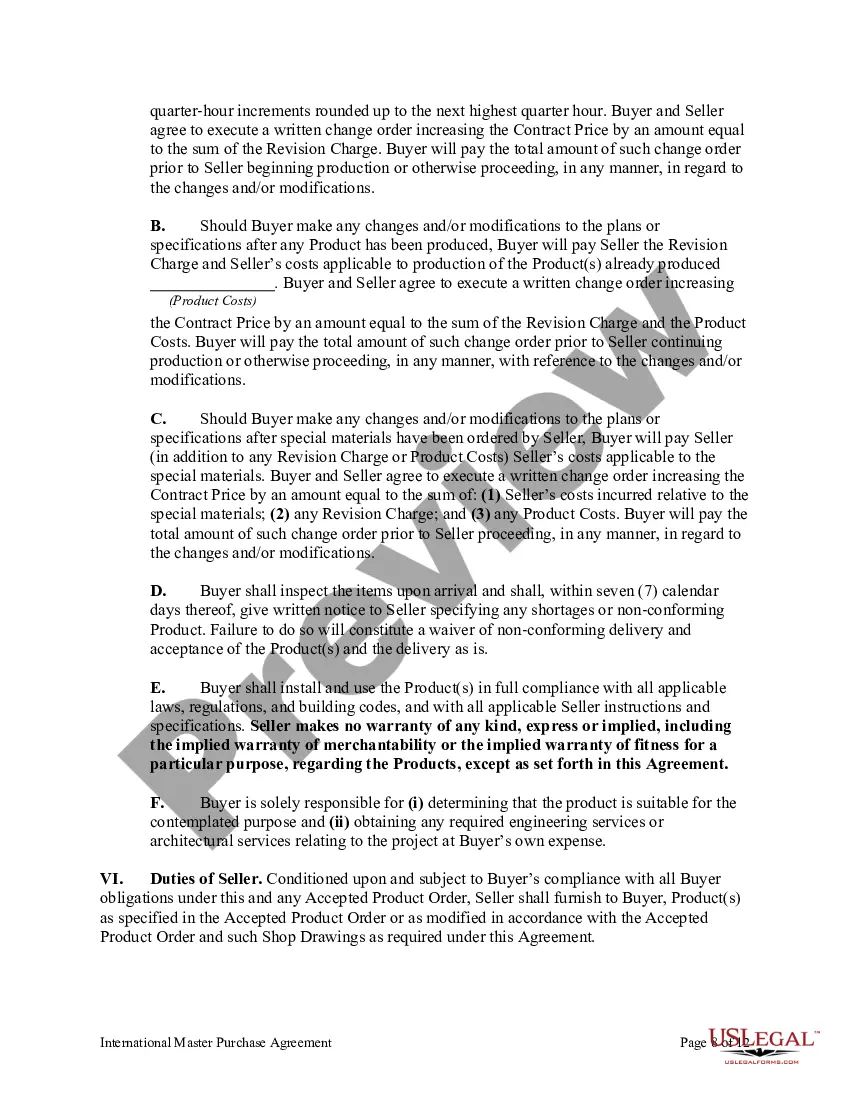
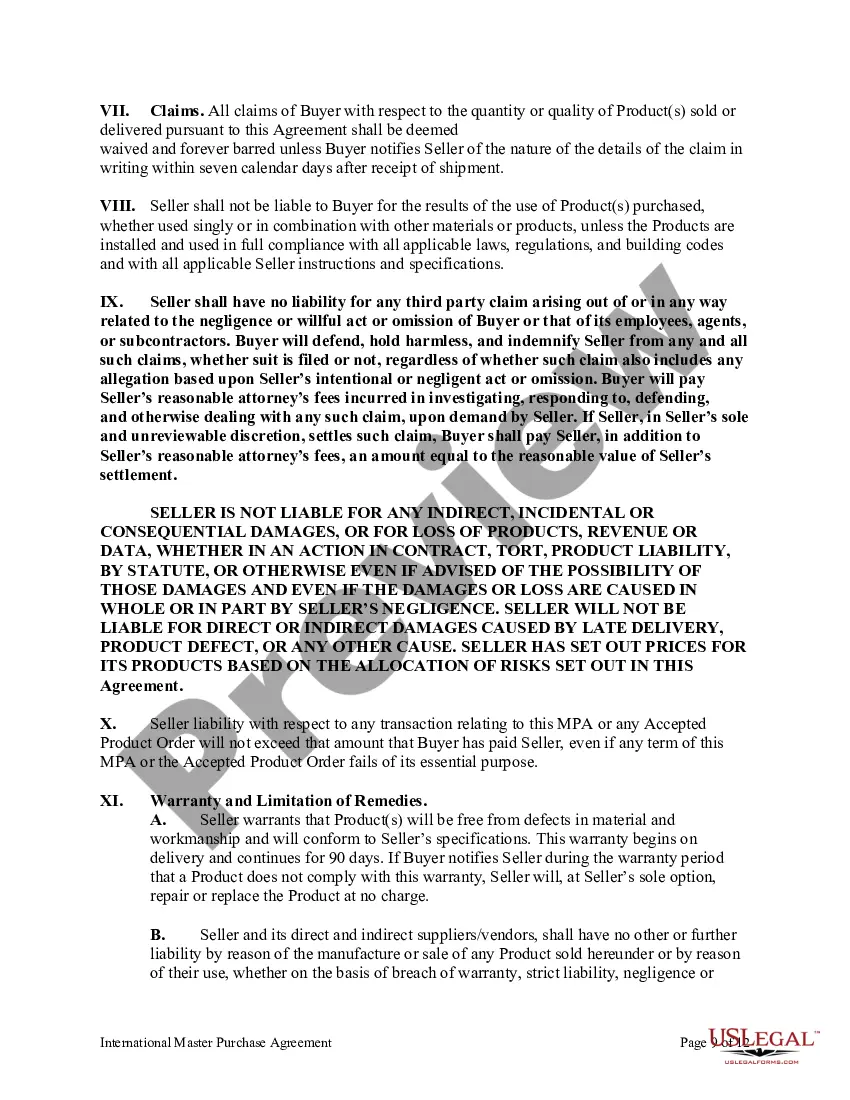
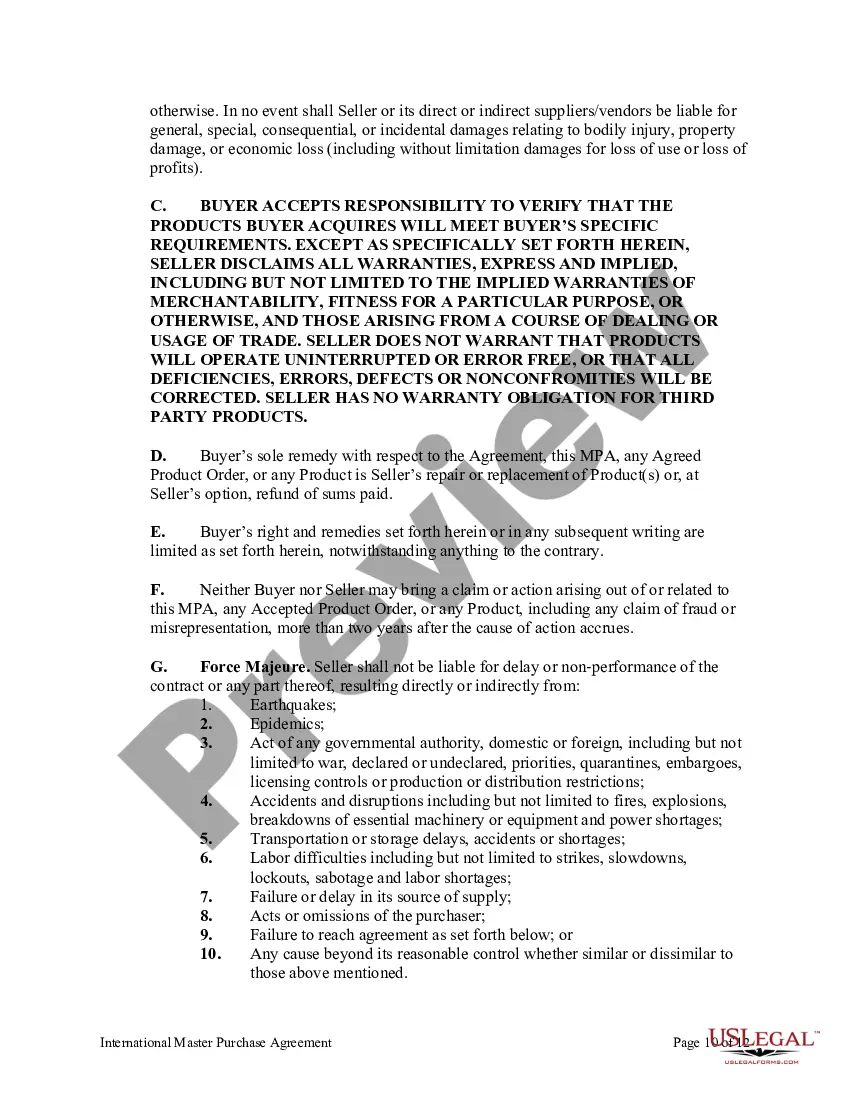
Master Agreement For Services In Arizona
Description





Get your form ready online
Our built-in tools help you complete, sign, share, and store your documents in one place.
Make edits, fill in missing information, and update formatting in US Legal Forms—just like you would in MS Word.
Download a copy, print it, send it by email, or mail it via USPS—whatever works best for your next step.
Sign and collect signatures with our SignNow integration. Send to multiple recipients, set reminders, and more. Go Premium to unlock E-Sign.
If this form requires notarization, complete it online through a secure video call—no need to meet a notary in person or wait for an appointment.
We protect your documents and personal data by following strict security and privacy standards.

Make edits, fill in missing information, and update formatting in US Legal Forms—just like you would in MS Word.

Download a copy, print it, send it by email, or mail it via USPS—whatever works best for your next step.

Sign and collect signatures with our SignNow integration. Send to multiple recipients, set reminders, and more. Go Premium to unlock E-Sign.

If this form requires notarization, complete it online through a secure video call—no need to meet a notary in person or wait for an appointment.

We protect your documents and personal data by following strict security and privacy standards.
Looking for another form?







Form popularity
FAQ
Scope: PSAs typically define the terms for a specific project or task, while MSAs cover the general terms of the business relationship across multiple projects. Detail: MSAs are broader in scope, whereas PSAs provide detailed descriptions of the services, including project timelines, deliverables, and specific tasks.
While the terms of service may be referenced in the MSA, they are just one component of the overall agreement. The MSA provides a more comprehensive framework for the business relationship, while the terms of service focus on specific usage and conduct guidelines for customers.
A master service agreement (MSA) is a legal contract that establishes fundamental agreements between two parties. MSAs allow vendors and clients to agree on basic terms at the outset of a business relationship before any business commences.
How do you create an MSA? Step-by-step instructions Establish the framework. Detail the scope of services. Set the payment terms. Agree on insurance and liability. Describe the work order process. Protect confidential information. Draft the statement of work (SOW). Specify intellectual property (IP) rights.
There is a big difference between a master service agreement (MSA) and a service level agreement (SLA) in India. An MSA sets the terms and conditions for the services provided by one party to another, whereas an SLA sets the agreed-upon performance standards for an organization's services.
Service Agreements can be made between individuals, a business and an individual, or between two or more businesses. Having a Service Agreement in place is equally as important for service providers as for the receivers of services.
SLAs often commit organisations to targets or quality standards, while MoUs are often used for more informal relationships.
A PSA may be used for a one-time project or a short-term engagement. An MSA, on the other hand, is a broader type of agreement that sets forth the general terms and conditions under which a professional or service provider will work with a client.
