Master Sales Agreement With Payment Plan In Alameda
Description


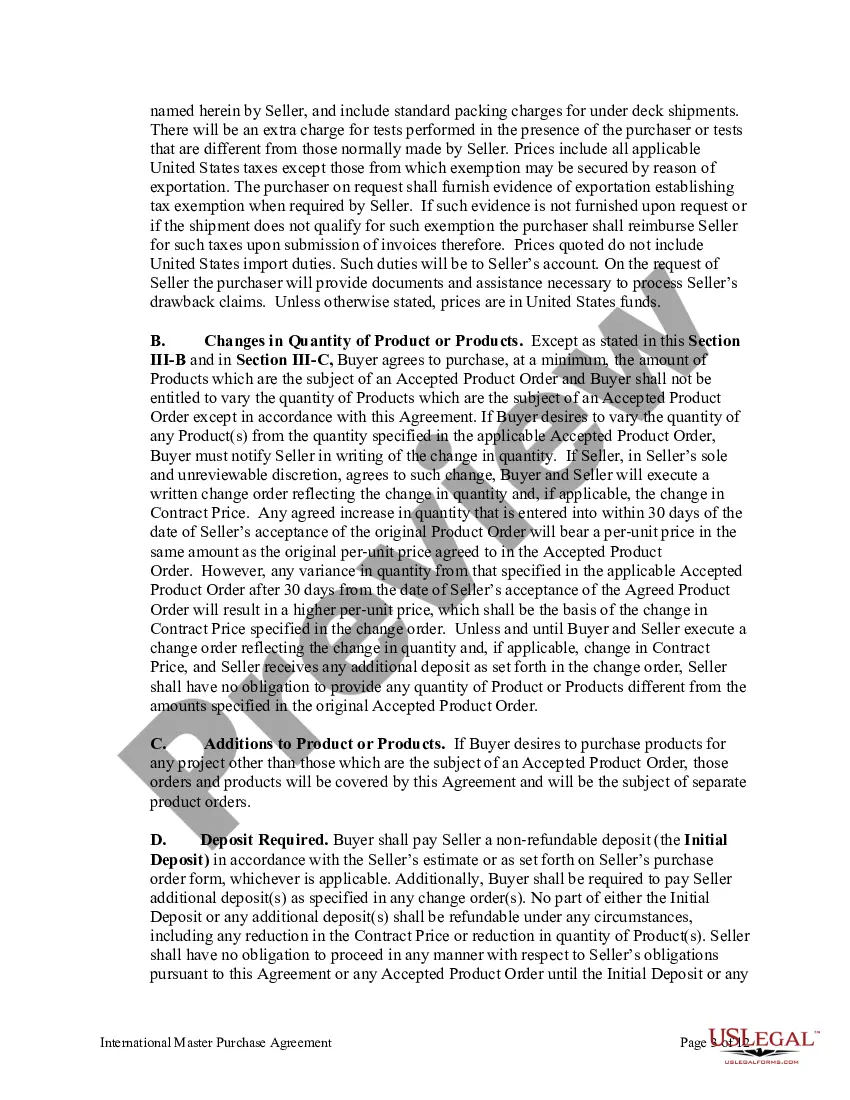
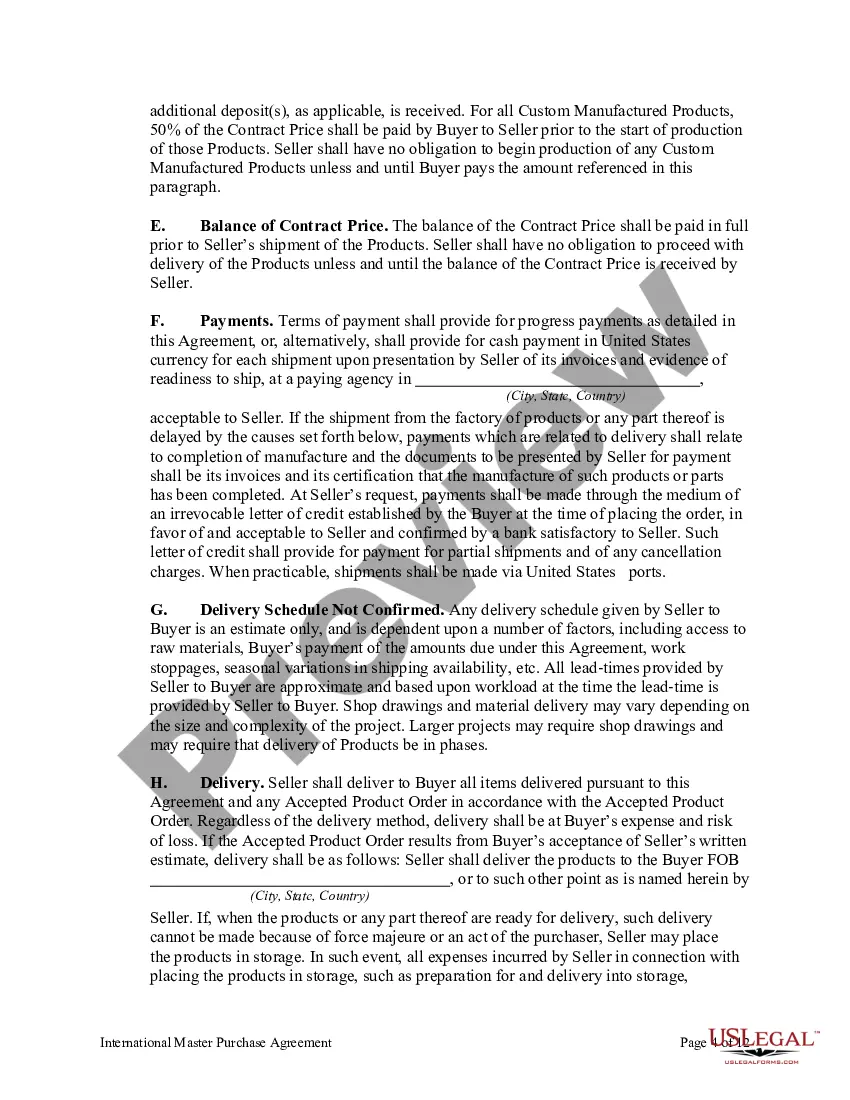
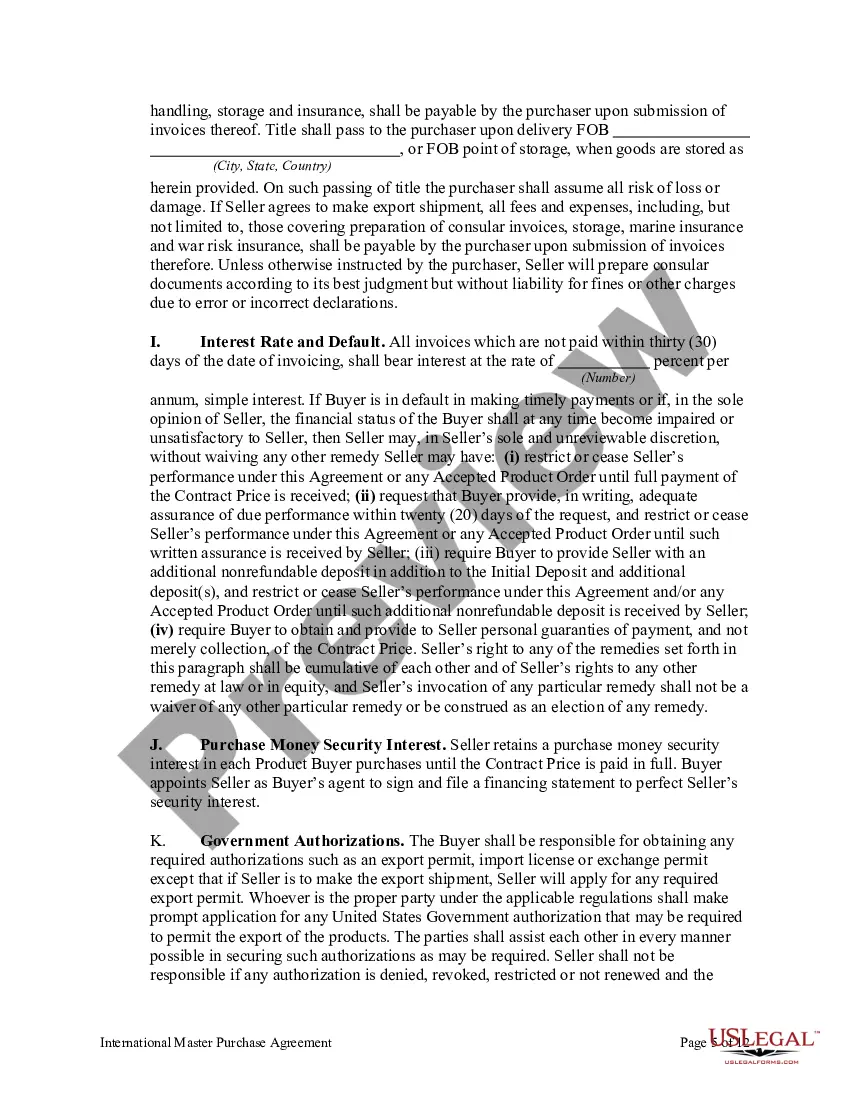
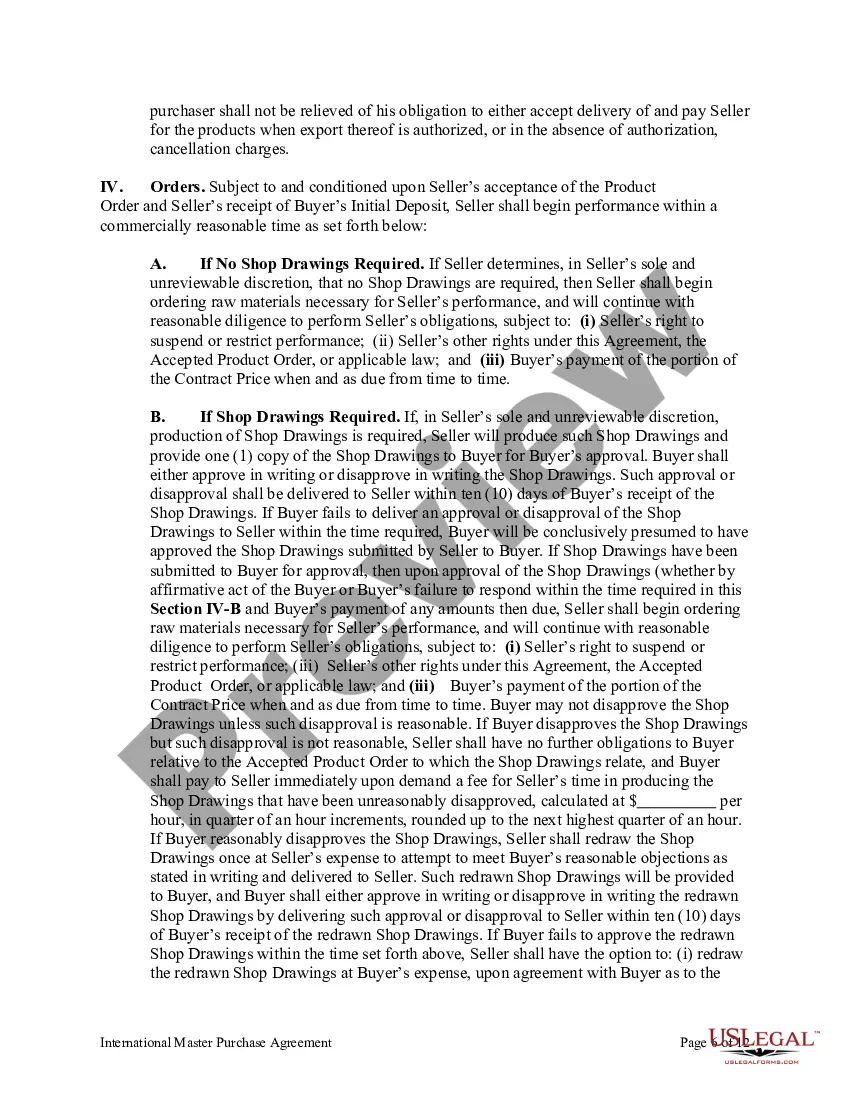
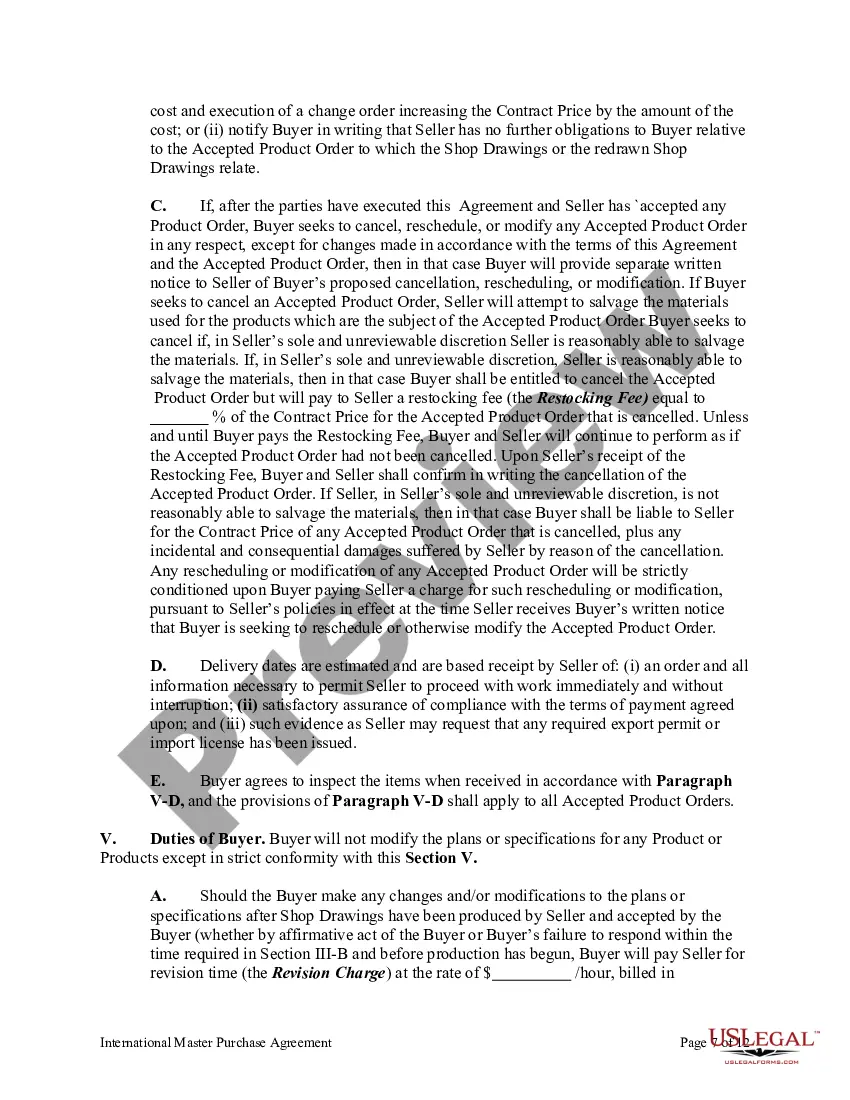
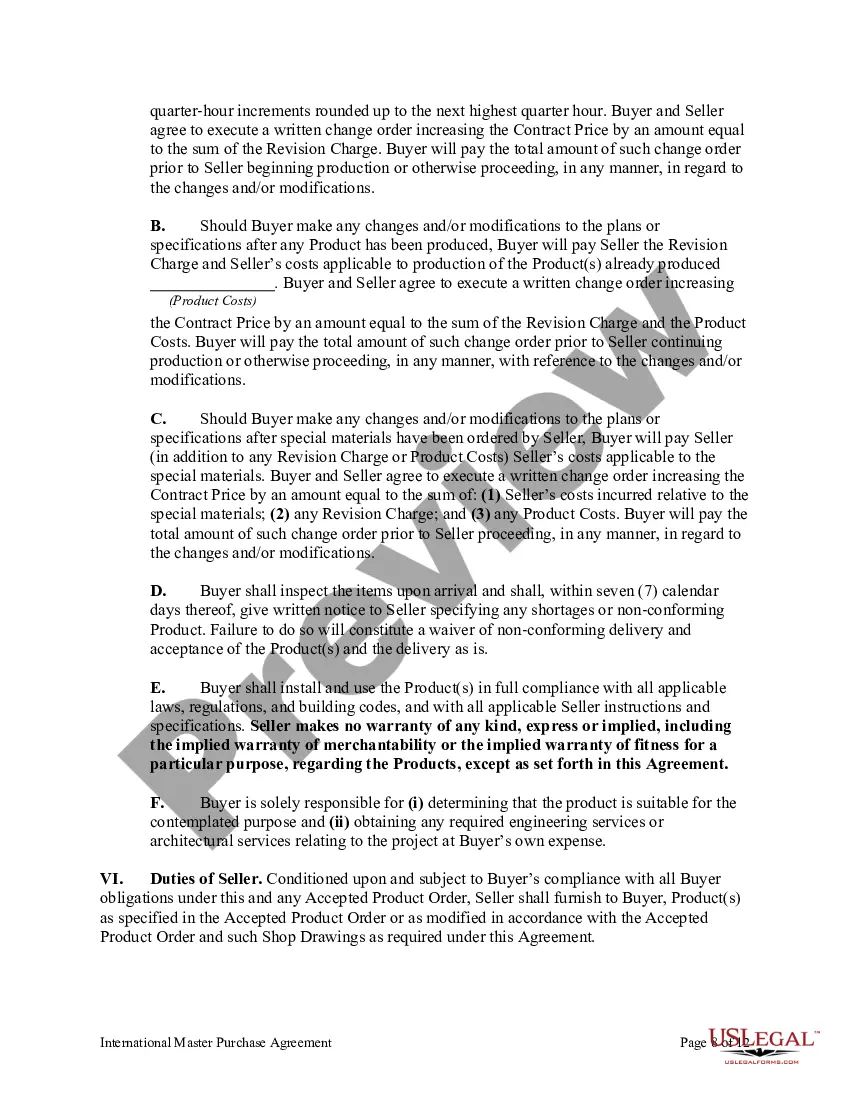
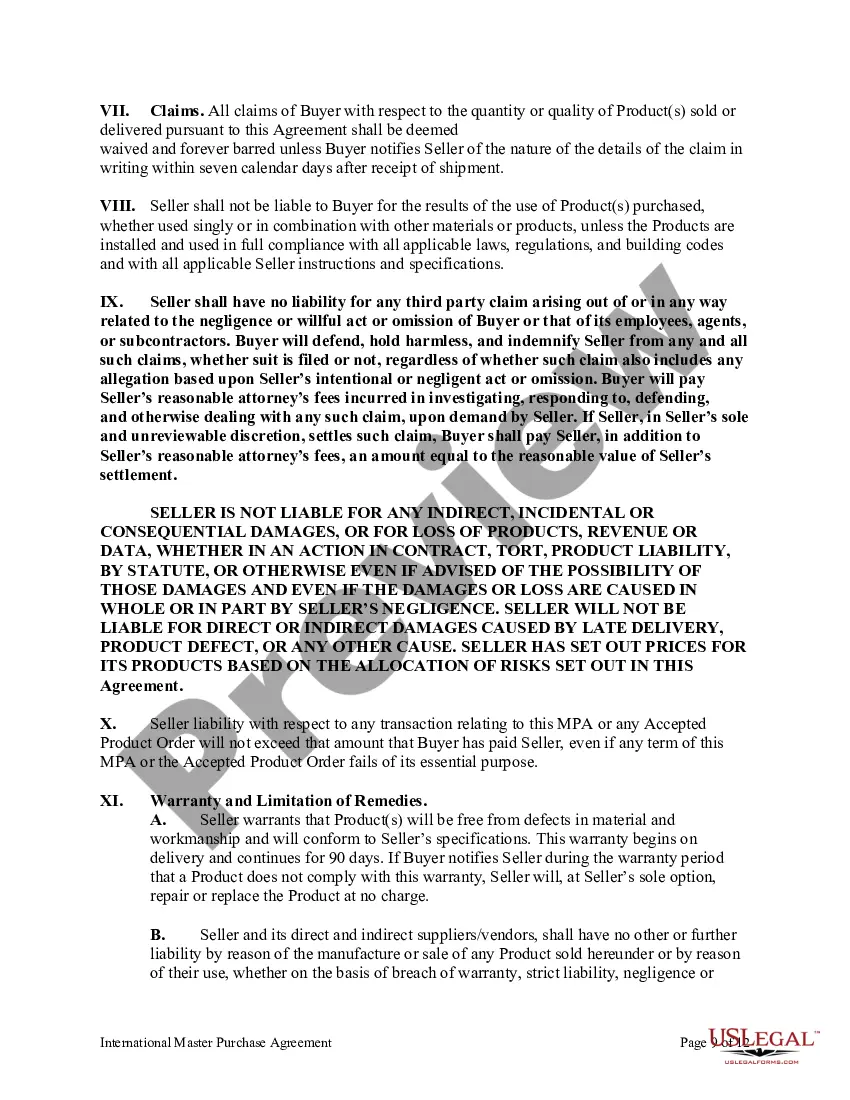
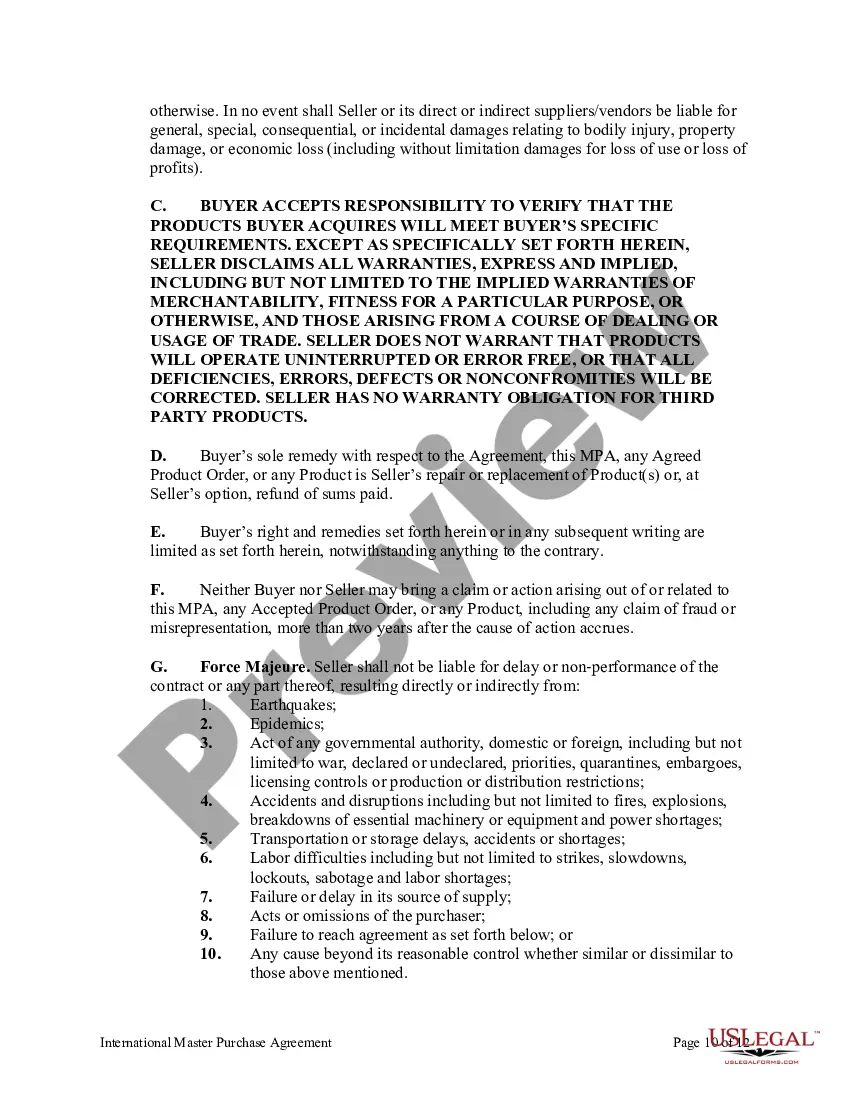



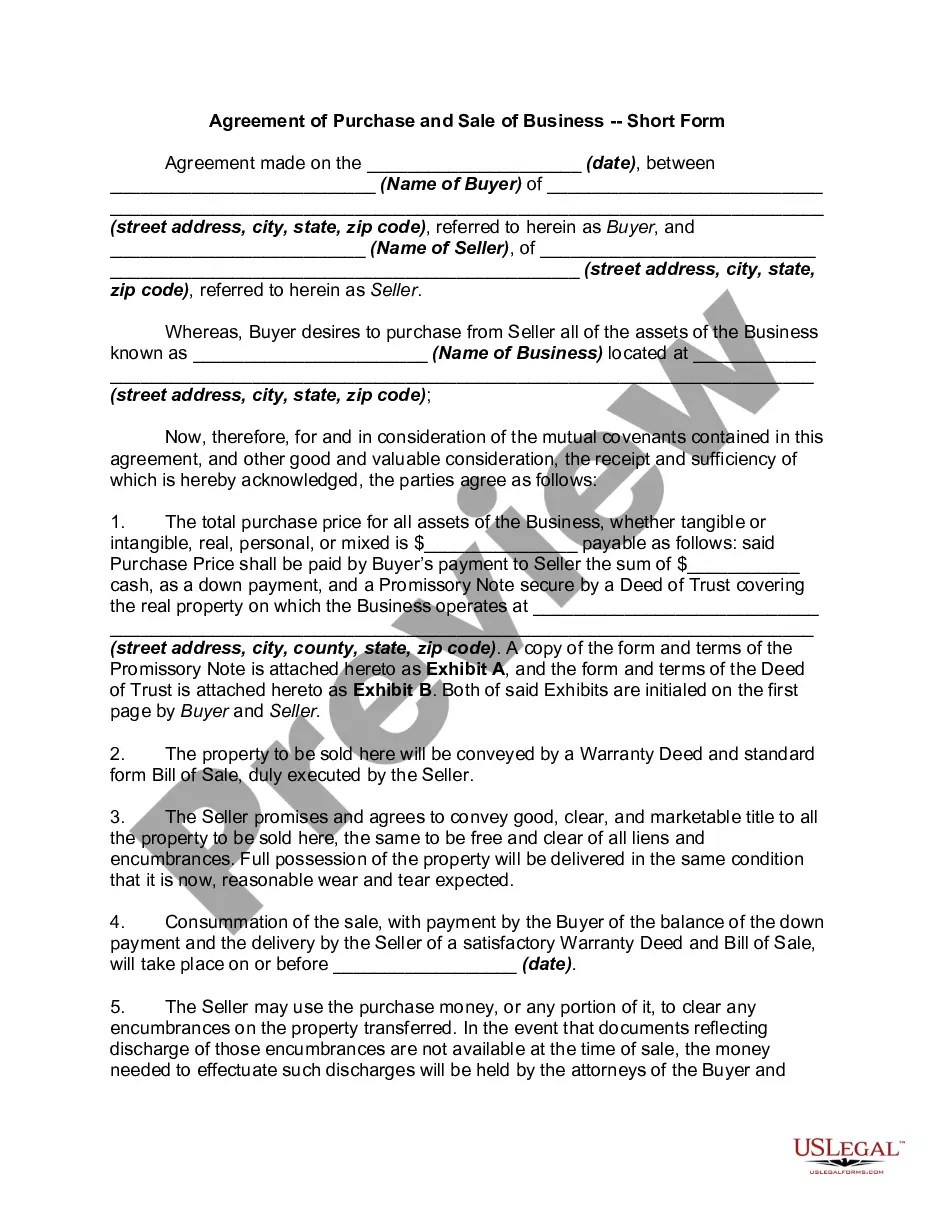
Get your form ready online
Our built-in tools help you complete, sign, share, and store your documents in one place.
Make edits, fill in missing information, and update formatting in US Legal Forms—just like you would in MS Word.
Download a copy, print it, send it by email, or mail it via USPS—whatever works best for your next step.
Sign and collect signatures with our SignNow integration. Send to multiple recipients, set reminders, and more. Go Premium to unlock E-Sign.
If this form requires notarization, complete it online through a secure video call—no need to meet a notary in person or wait for an appointment.
We protect your documents and personal data by following strict security and privacy standards.

Make edits, fill in missing information, and update formatting in US Legal Forms—just like you would in MS Word.

Download a copy, print it, send it by email, or mail it via USPS—whatever works best for your next step.

Sign and collect signatures with our SignNow integration. Send to multiple recipients, set reminders, and more. Go Premium to unlock E-Sign.

If this form requires notarization, complete it online through a secure video call—no need to meet a notary in person or wait for an appointment.

We protect your documents and personal data by following strict security and privacy standards.
Looking for another form?
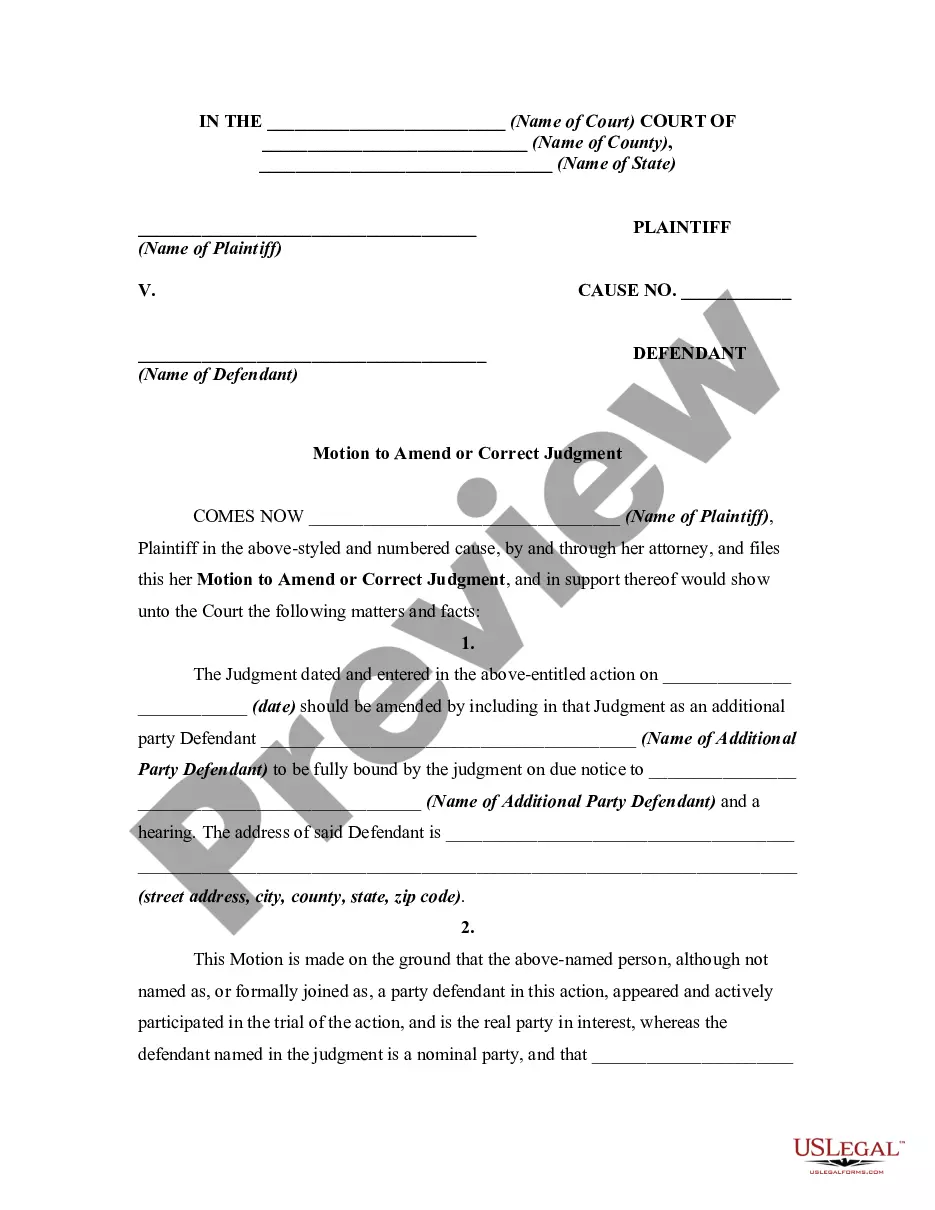
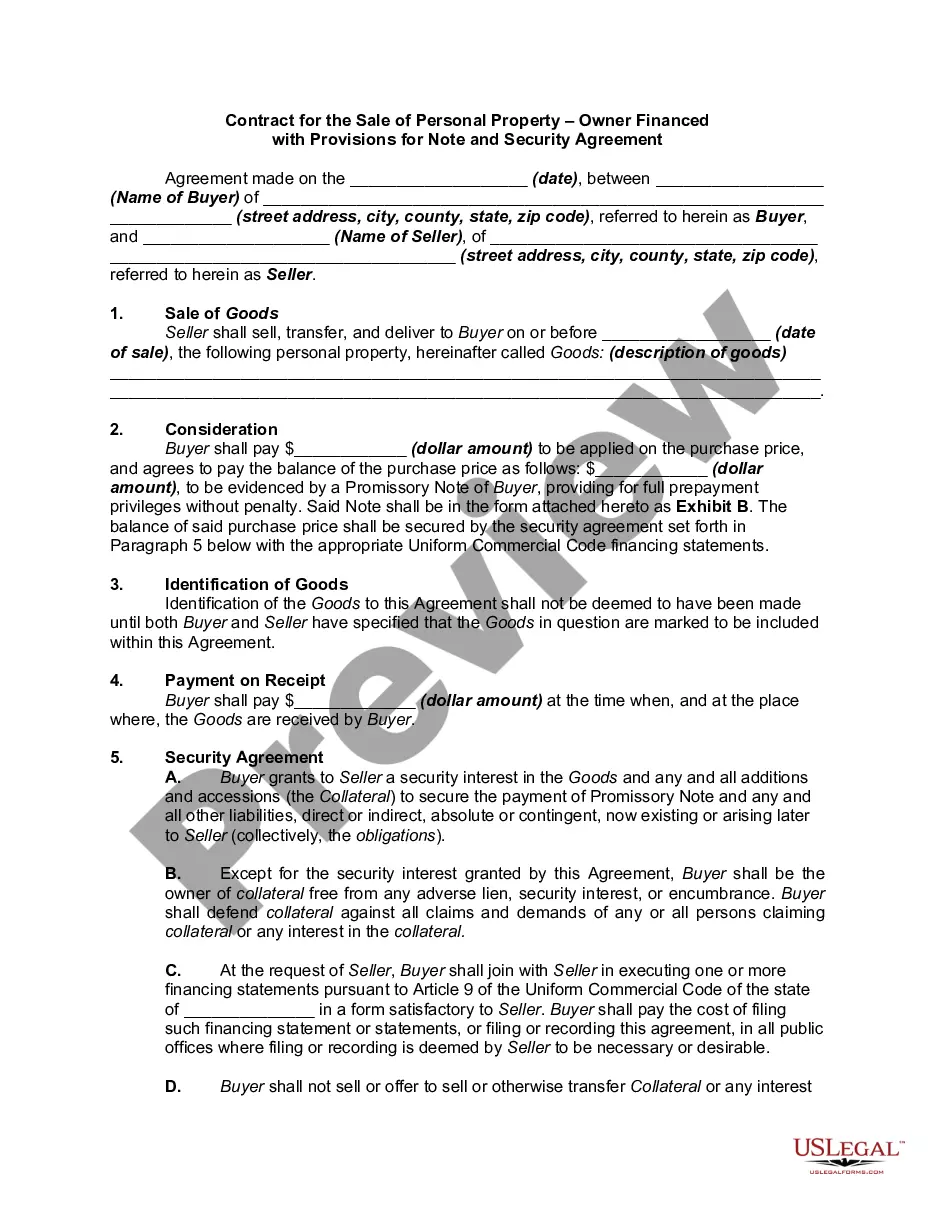

Form popularity
FAQ
A master service agreement (MSA) is a fundamental contract outlining the scope of the relationship between two parties, including terms and conditions for current and future activities and responsibilities.
A SLA is not a contract. The SLA document should be seen as a list of targets, rather than a legal binding agreement. The parties should be aware that the SLA itself does not guarantee that the expected service levels will always be met or that penalties will be imposed if they are not met.
Both involve the meeting of minds and exchange of promises, but a contract typically entails a more formalized arrangement, often documented in writing, and carries legal enforceability. Conversely, an agreement can be informal and may not always be legally binding.
Sometimes, a contract covers a one-time action between parties, but what happens when the relationships or circumstances are ongoing? When signing parties know they will continue to work together in the future, a Master Service Agreement (MSA) can simplify those future agreements and speed up the negotiation process.
Unlike contracts that typically apply to a one-time transaction between two parties, a Master Service Agreement is intended to outline the rights and responsibility of the parties involved in an ongoing relationship, including those that pertain to: The ownership rights of a property.
Among its main provisions, the Rent Ordinance: Regulates and limits rent increases for most rental units. Regulates and limits the grounds for which a landlord may terminate a tenancy, and may require relocation payments for tenants who are displaced from a rental unit through no fault of their own.
Find out. For a simplified look at Los Angeles rent control, look here. Los Angeles, Santa Monica, Beverly Hills, and West Hollywood have rent control, but Glendale, Burbank, Torrance, Pasadena, Downey, and other cities nearby have nothing like it.
Key Elements to Include in a Payment Agreement Personal Details. Like all legal documents, payment agreements identify the people involved. Project Details. Payment Details. Payment Deadlines. Payment Method. Exit Clause. Steps for Solving Disagreements. Non-Disclosure Agreements.
Best Practices for Wording Payment Terms on Invoices You Need to State Your Payment Terms and Conditions on the Invoice. Your Invoice Payment Terms Should be Clear and Easy to Understand. Your Invoice Payment Terms Should be Fair. Your Invoices Should Include Standard Information.
How to draft a contract? Introduction and parties involved. The first step in drafting a contract is to identify the parties involved. Definitions and interpretations. Rights and obligations of each party. Payment terms and conditions. Termination and renewal provisions. Dispute resolution mechanisms.