Termination Of Contract For Frustration In Palm Beach
Description
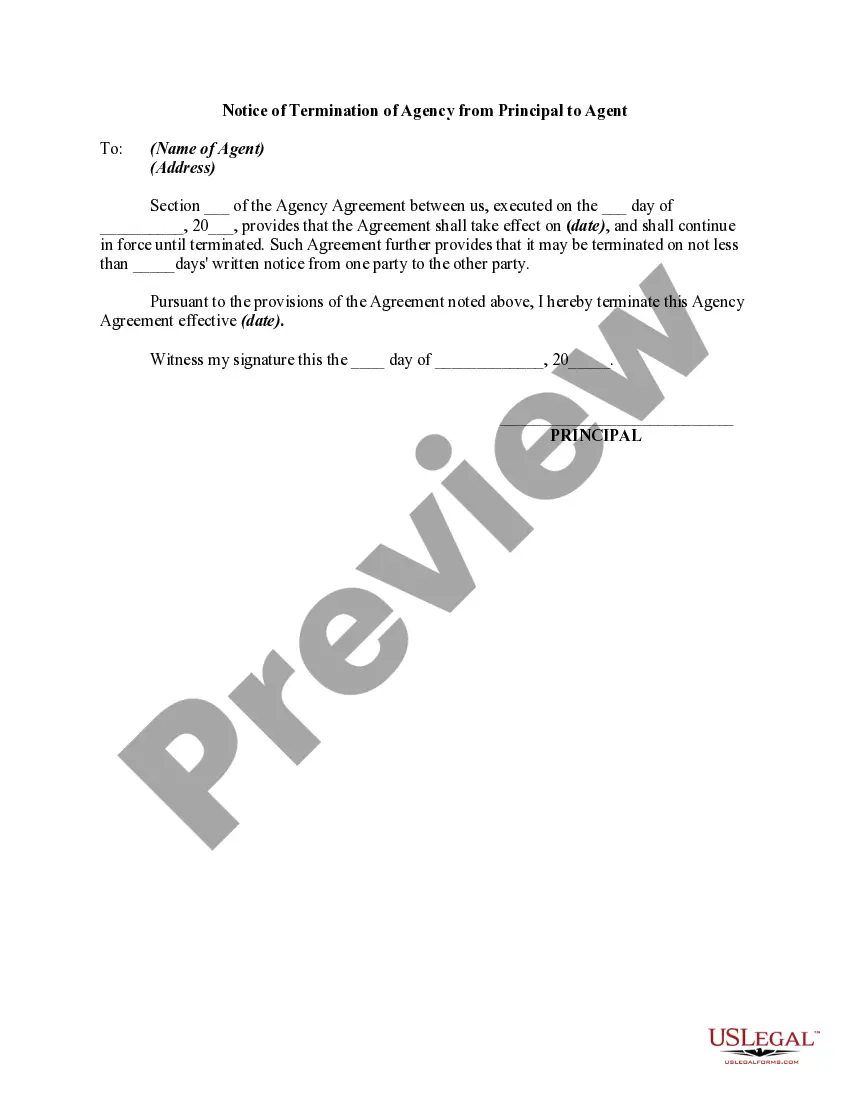
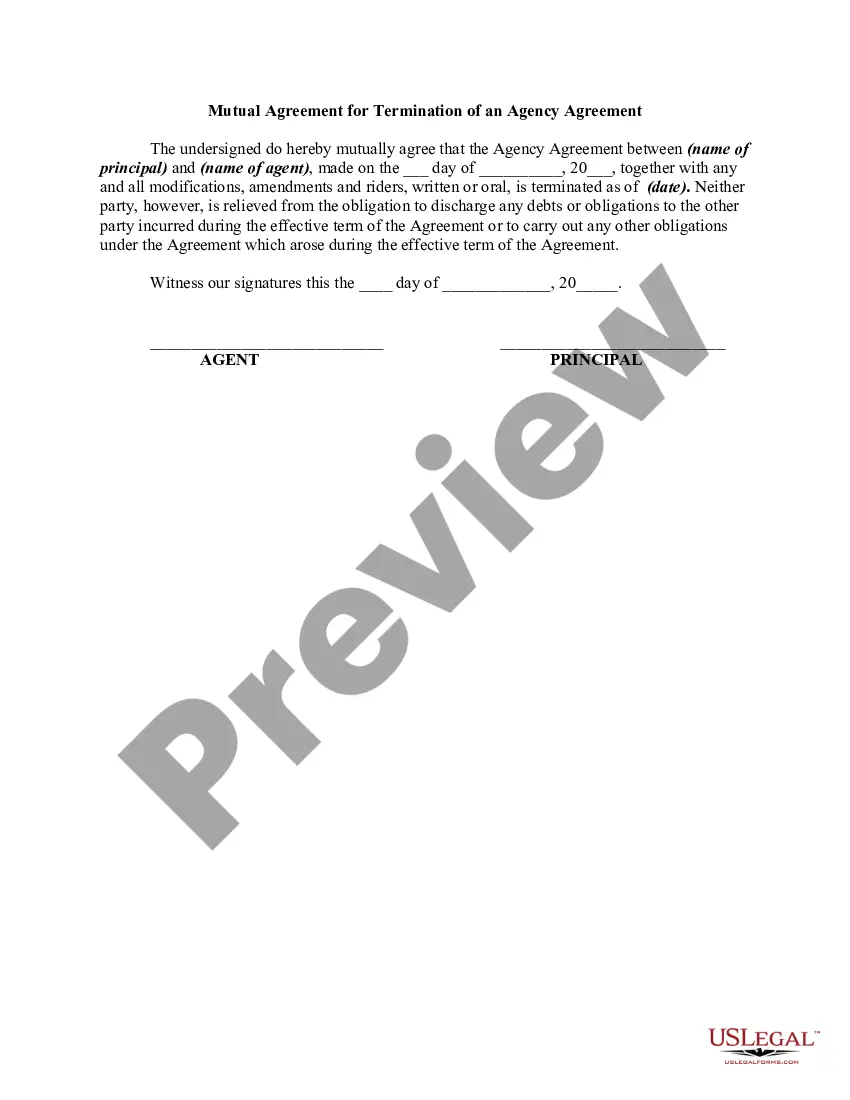
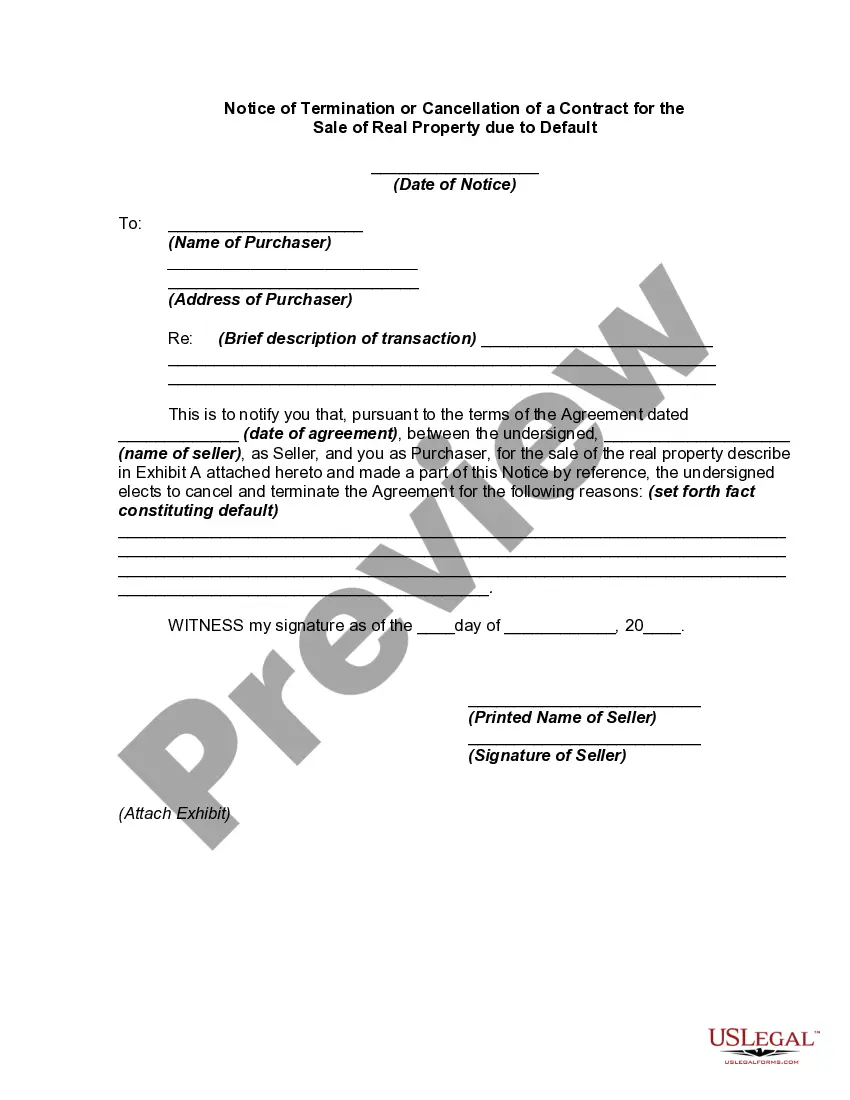
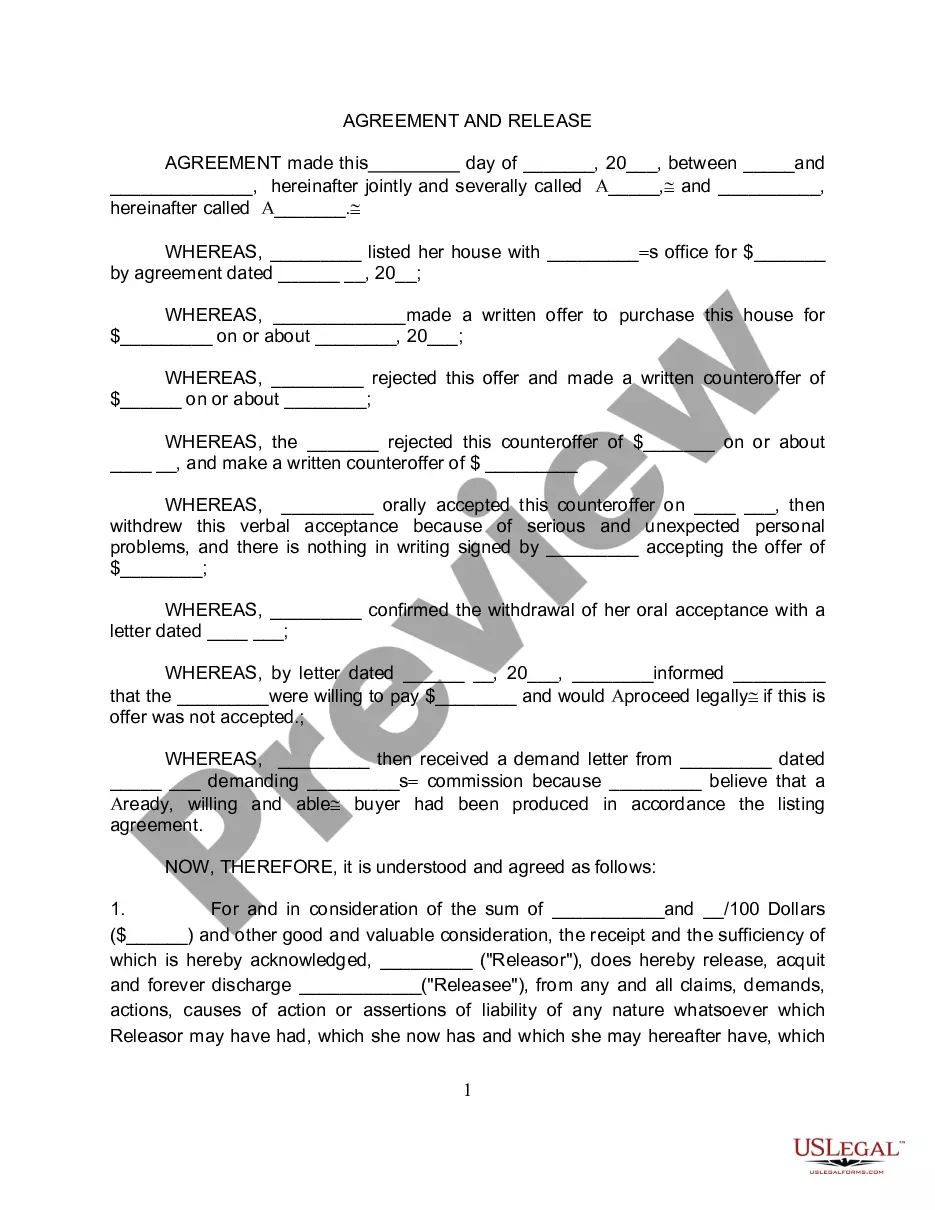
Get your form ready online
Our built-in tools help you complete, sign, share, and store your documents in one place.
Make edits, fill in missing information, and update formatting in US Legal Forms—just like you would in MS Word.
Download a copy, print it, send it by email, or mail it via USPS—whatever works best for your next step.
Sign and collect signatures with our SignNow integration. Send to multiple recipients, set reminders, and more. Go Premium to unlock E-Sign.
If this form requires notarization, complete it online through a secure video call—no need to meet a notary in person or wait for an appointment.
We protect your documents and personal data by following strict security and privacy standards.

Make edits, fill in missing information, and update formatting in US Legal Forms—just like you would in MS Word.

Download a copy, print it, send it by email, or mail it via USPS—whatever works best for your next step.

Sign and collect signatures with our SignNow integration. Send to multiple recipients, set reminders, and more. Go Premium to unlock E-Sign.

If this form requires notarization, complete it online through a secure video call—no need to meet a notary in person or wait for an appointment.

We protect your documents and personal data by following strict security and privacy standards.
Looking for another form?






Form popularity
FAQ
“Frustration of purpose” is a common law doctrine. Under contract law, an excuse can be used by a buyer for non-performance of contractual duties when a later and unforeseen event impedes the buyer's purpose for entering into the contract, and the seller at the time of entering the contract knew of the buyer's purpose.
Parties can eliminate the defense, by specifically naming frustrating events in the contract—for example, the contract could say that the parties have contemplated and accept the risk of possible law changes, or that they accept the risk of pandemics, or major weather events—things that could constitute frustration of ...
The frustration of a contract refers to a legal concept when unforeseen events or circumstances occur that make it impossible or difficult for the parties to fulfill them. These unforeseen circumstances fundamentally alter the terms of the agreement, making it unenforceable, commercially unviable, or impossible.
The Restatement (Second) of Contracts § 265 provides that frustration of purpose may excuse a party's performance when: (1) a party's principal purpose is substantially frustrated; (2) such party is not at fault; and (3) the contract was made on the basic assumption that the cause of the frustration would not occur.
At common law, where frustration is established the contract is terminated automatically (in futuro); there is no option to discharge or to perform and, at common law, the loss resulting from the termination lies where it falls (although there are limited exceptions to that rule).
Examples of Contract Frustration Legal Changes: If new laws or regulations make the performance of a contract illegal, the contract can be frustrated. Death or Incapacity: In contracts involving personal services, the death or incapacity of the individual providing the service can lead to frustration.
Tips for Writing an Effective Termination of Contract Letter Be Clear and Direct: Clearly state the reason for termination and the effective date. Avoid ambiguity to prevent misunderstandings. Maintain Professional Tone: Regardless of the circumstances, use a respectful and professional tone.
Parties can eliminate the defense, by specifically naming frustrating events in the contract—for example, the contract could say that the parties have contemplated and accept the risk of possible law changes, or that they accept the risk of pandemics, or major weather events—things that could constitute frustration of ...
Notice of termination of employment No agreement may require or permit an employee to give a period of notice longer than that required of the employer. Notice of termination of a contract of employment must be given in writing, except when it is given by an illiterate employee.

