Contract Termination Without Notice In New York
Description
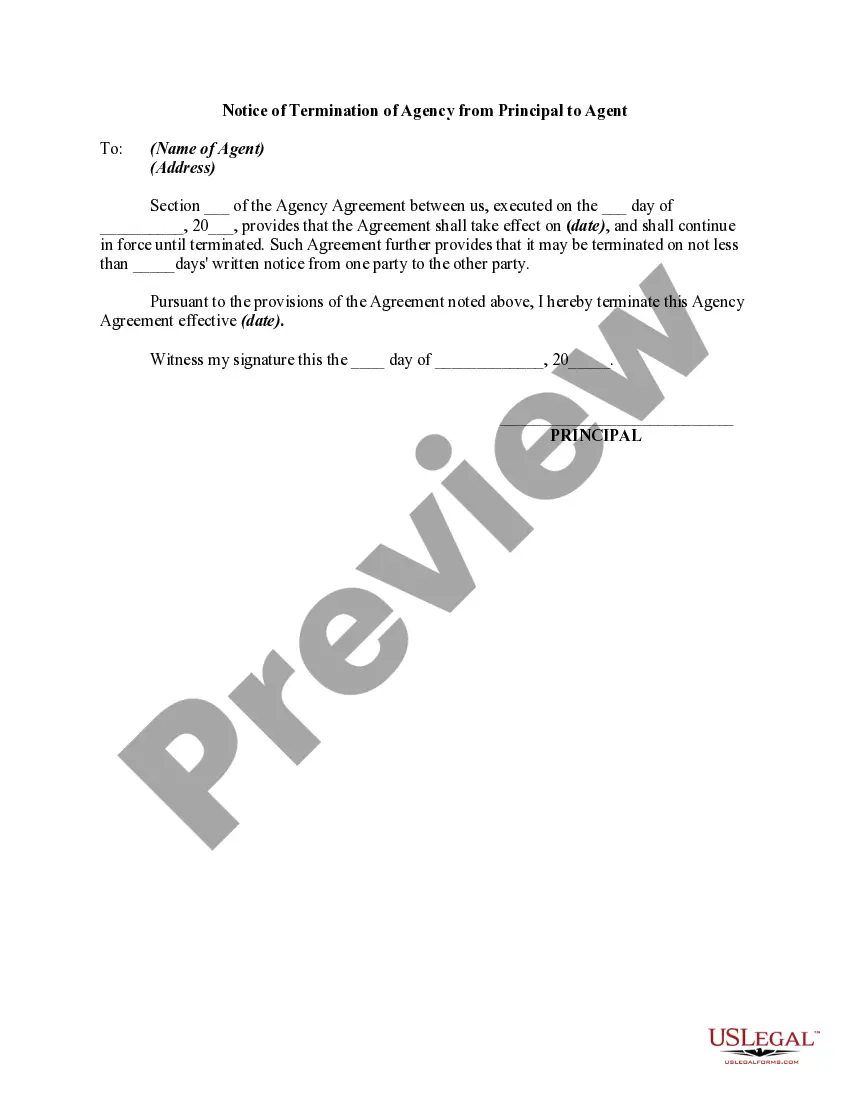
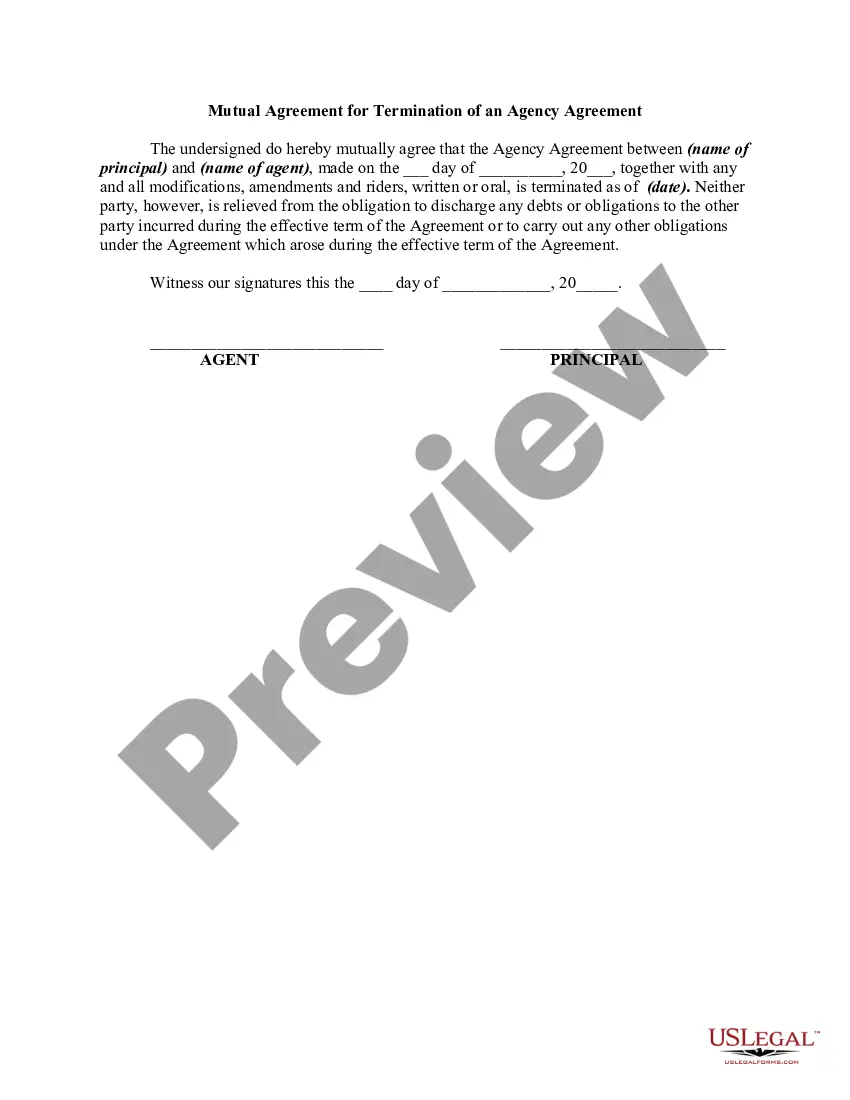
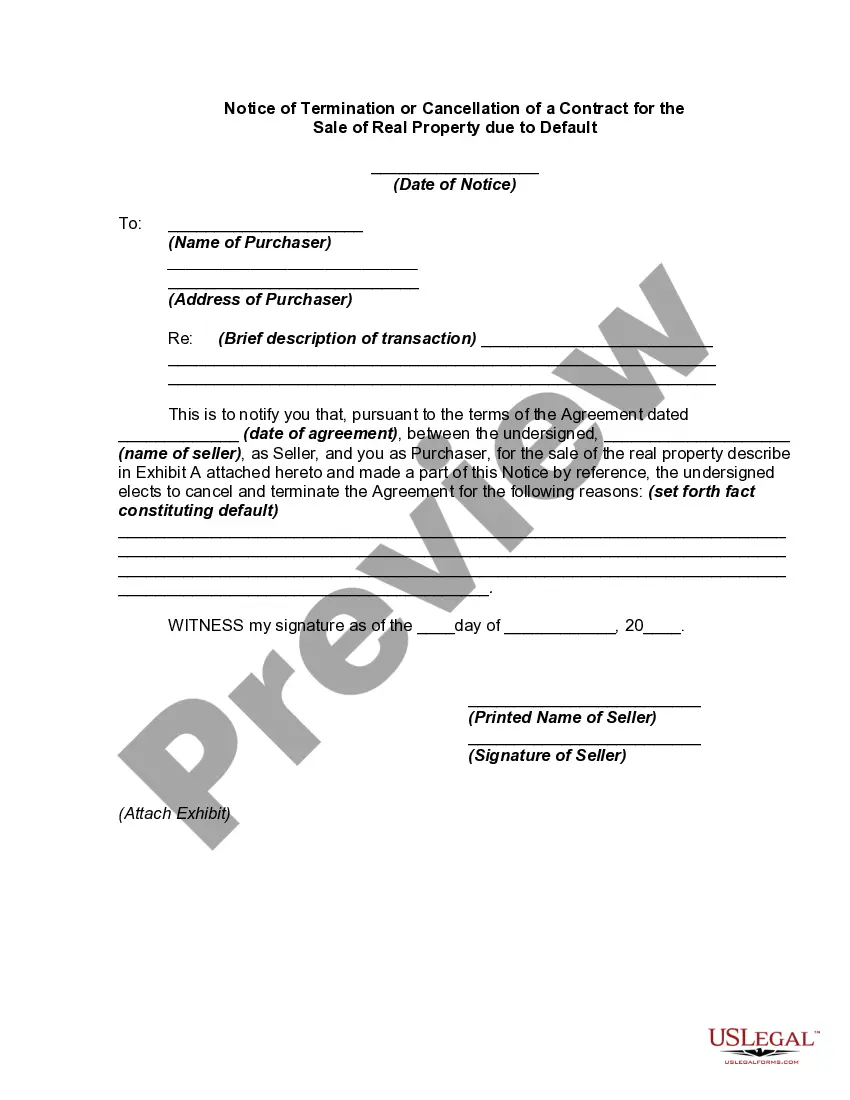

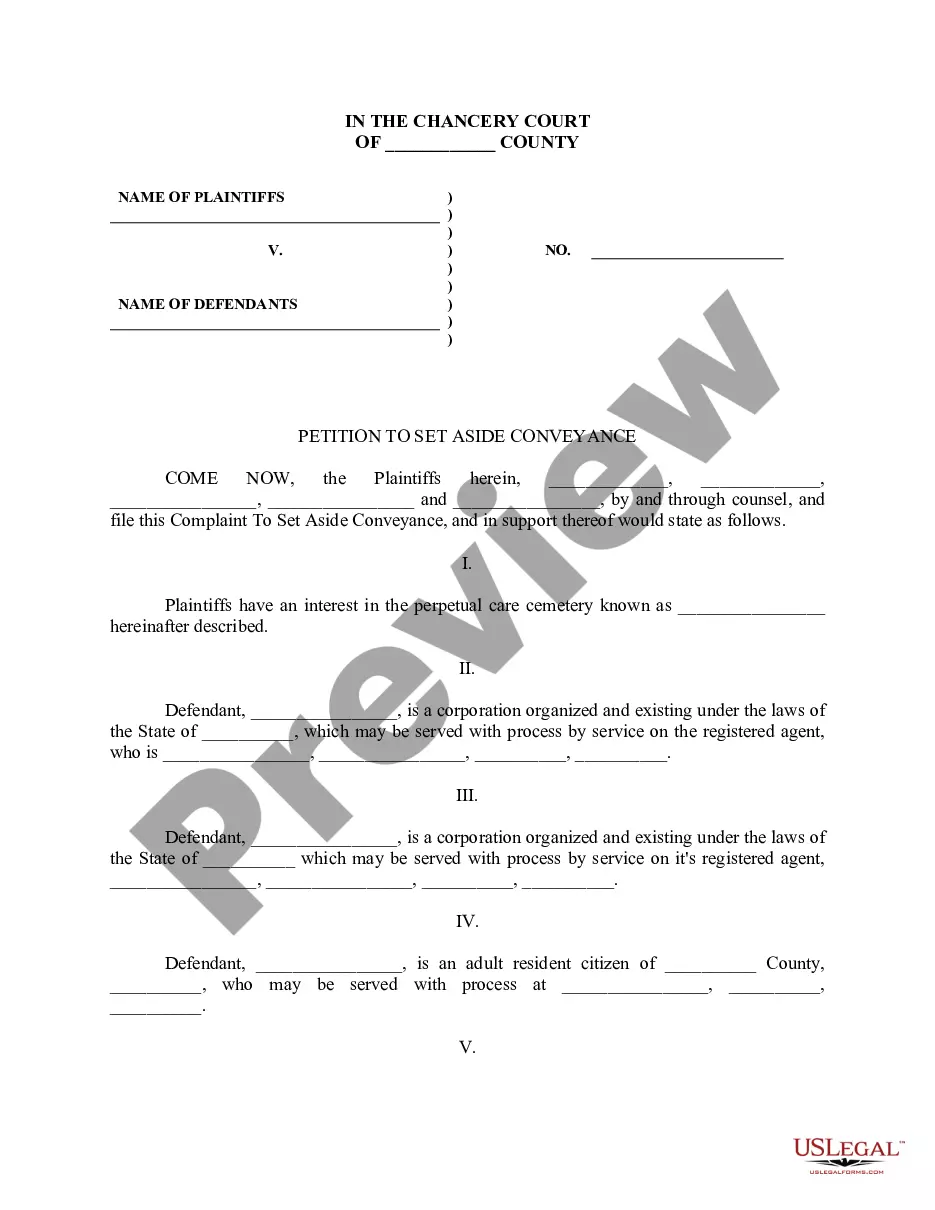
Get your form ready online
Our built-in tools help you complete, sign, share, and store your documents in one place.
Make edits, fill in missing information, and update formatting in US Legal Forms—just like you would in MS Word.
Download a copy, print it, send it by email, or mail it via USPS—whatever works best for your next step.
Sign and collect signatures with our SignNow integration. Send to multiple recipients, set reminders, and more. Go Premium to unlock E-Sign.
If this form requires notarization, complete it online through a secure video call—no need to meet a notary in person or wait for an appointment.
We protect your documents and personal data by following strict security and privacy standards.

Make edits, fill in missing information, and update formatting in US Legal Forms—just like you would in MS Word.

Download a copy, print it, send it by email, or mail it via USPS—whatever works best for your next step.

Sign and collect signatures with our SignNow integration. Send to multiple recipients, set reminders, and more. Go Premium to unlock E-Sign.

If this form requires notarization, complete it online through a secure video call—no need to meet a notary in person or wait for an appointment.

We protect your documents and personal data by following strict security and privacy standards.
Looking for another form?





Form popularity
FAQ
Breach of the contract: All contract parties have a responsibility to perform obligations ing to the contract. If a party fails to perform them, blocks the other party from performing the same, or violates the terms of the contract, they will have breached the contract, and the contract can be terminated.
Termination provisions often mandate specific requirements for ending a contract, such as providing written notice within a specified time-frame (commonly known as a “notice period”). Failure to adhere to these provisions may result in breach of contract, exposing the breaching party to liability for damages.
The employer may not terminate the contract before the time. The reason for this rule is that parties bind themselves in the contract for a specific time period and the commitment should be honoured. Recently in two cases, the Labour court had to determine this issue again.
The New York State Labor Law provides as follows: Section 195. Notice and record-keeping requirements Every employer shall: 6. notify any employee terminated from employment, in writing, of the exact date of such termination as well as the exact date of cancellation of employee benefits connected with such termination.
By agreement: The parties agree to end the contract by agreement, with another contract. by breach of contract: The innocent party has a right of termination for breach of contract, when party does not deliver what was promised and is in repudiatory breach, or another agreed standard of breach.
The best way to end a contract early is to speak with the party you're in contract with. Simple negotiation is often all it takes to reach a favorable resolution. If they don't agree to ending the contract early, consider getting a lawyer to help you determine your next best step.
Under federal law, you have three days to cancel the following contracts: Door-to-door sales contracts for more than $25.00; Home improvement loans; Contracts for more than $25.00 that is not made at the seller's normal place of business.
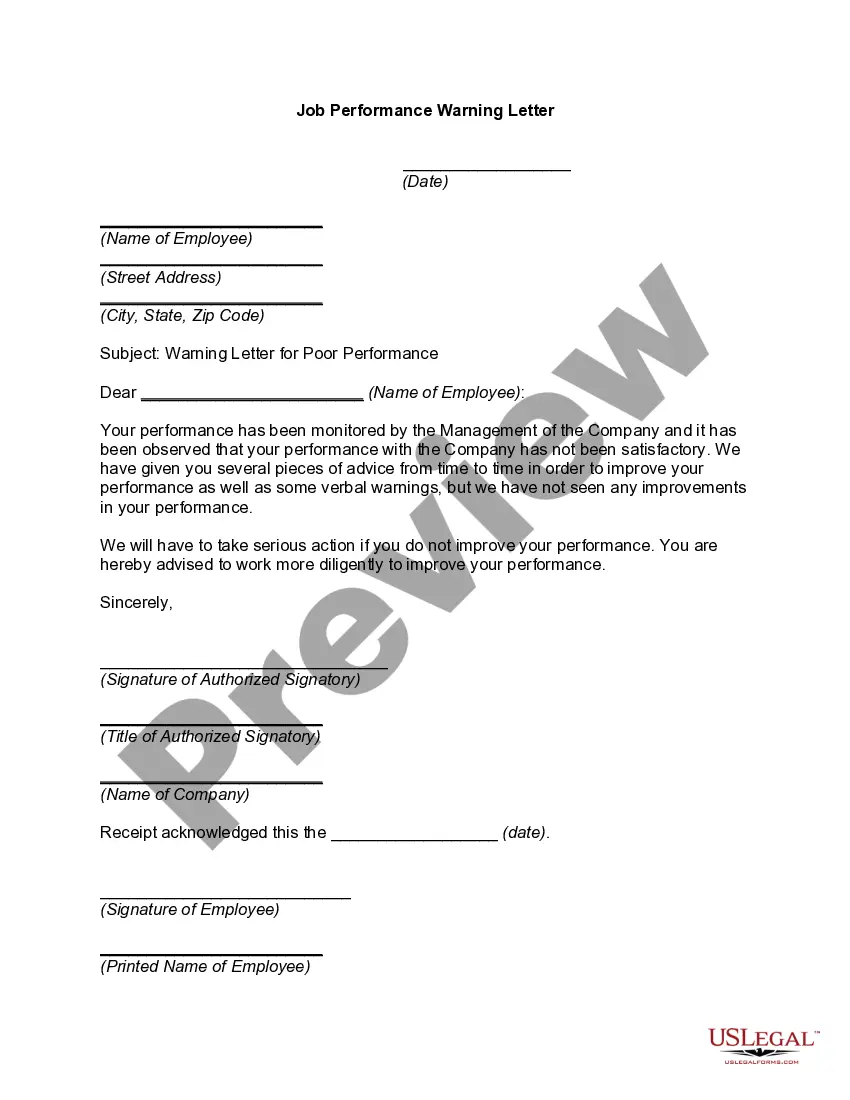
New York Law requires companies to give adequate notice and documentation to terminated employees.
Dear Employee Name, This letter serves as formal notification that your employment with Company Name will be terminated effective Date of Termination. Over the course of your employment, we have made several efforts to address concerns regarding your performance in your role as Employee's Position.
N.Y. Labor Law, § 195(6) requires employers to provide written notice to discharged employees, stating the effective date of termination. The notice must also provide the exact date that any employee benefits, such as health, accident, and life insurance, will cease.

