Termination Of Contract Without Cause In Middlesex
Description
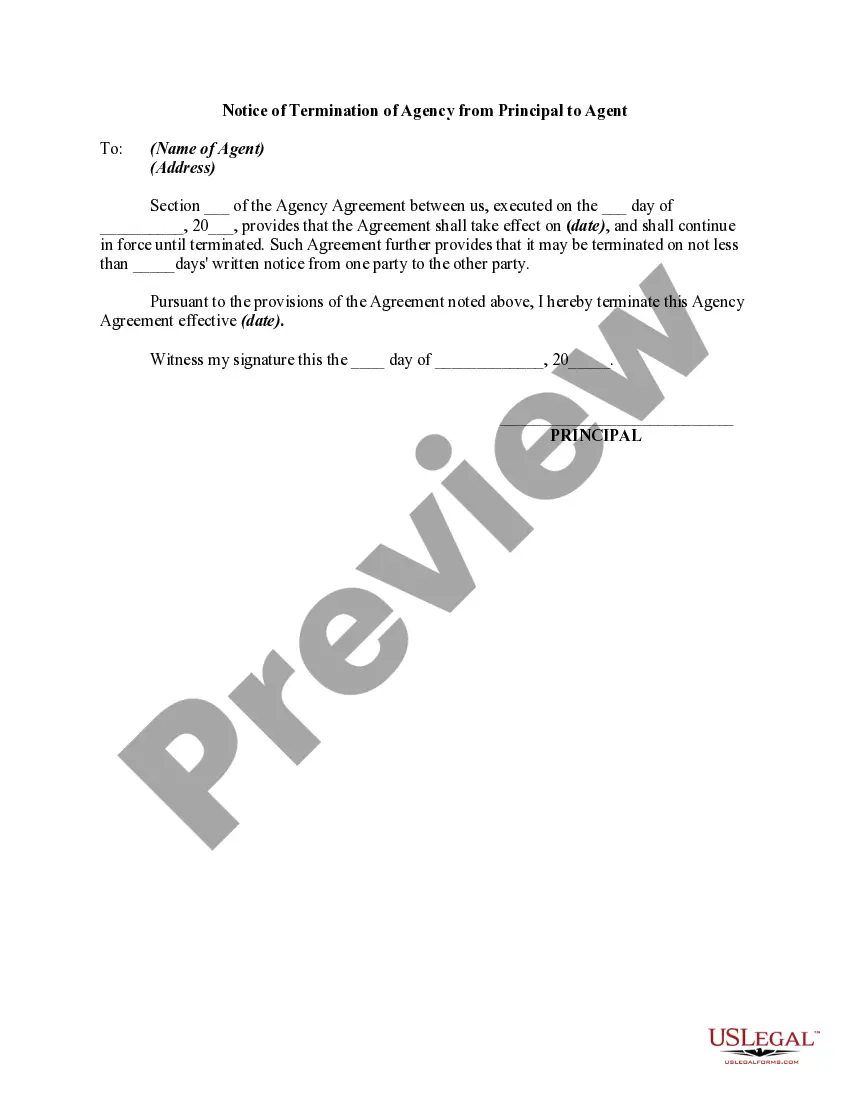
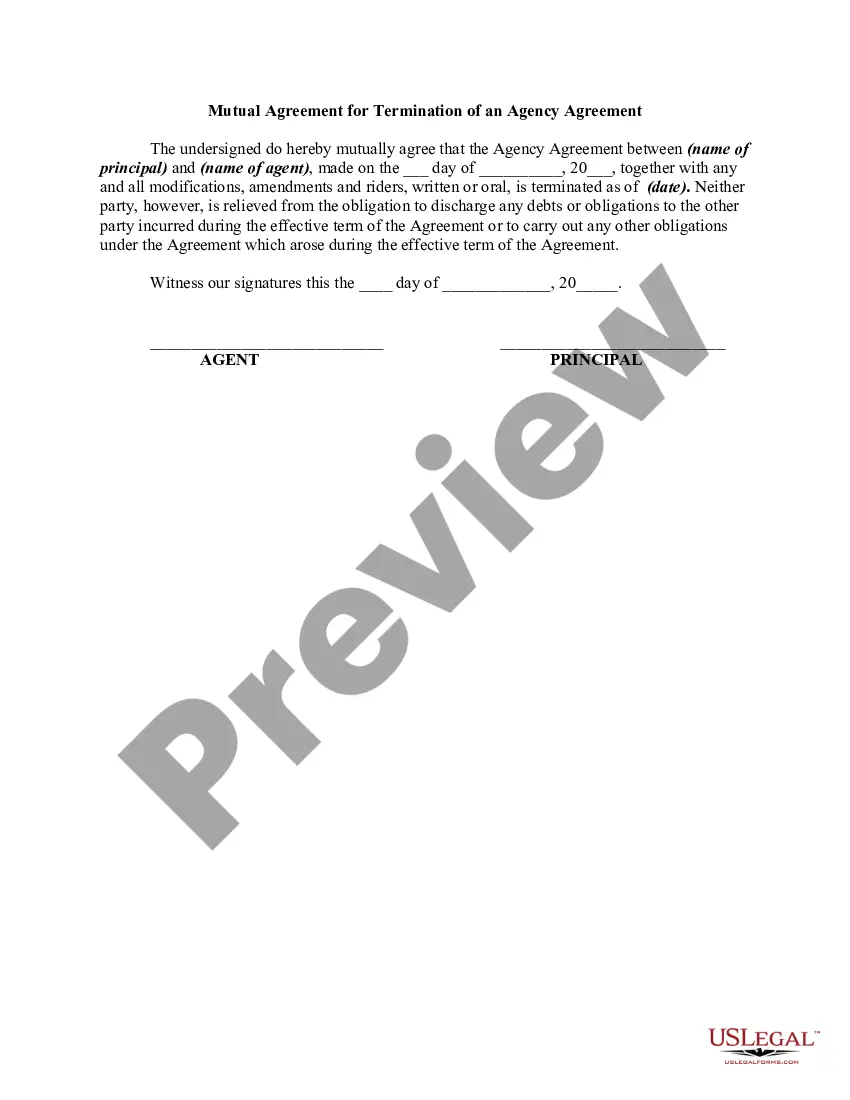
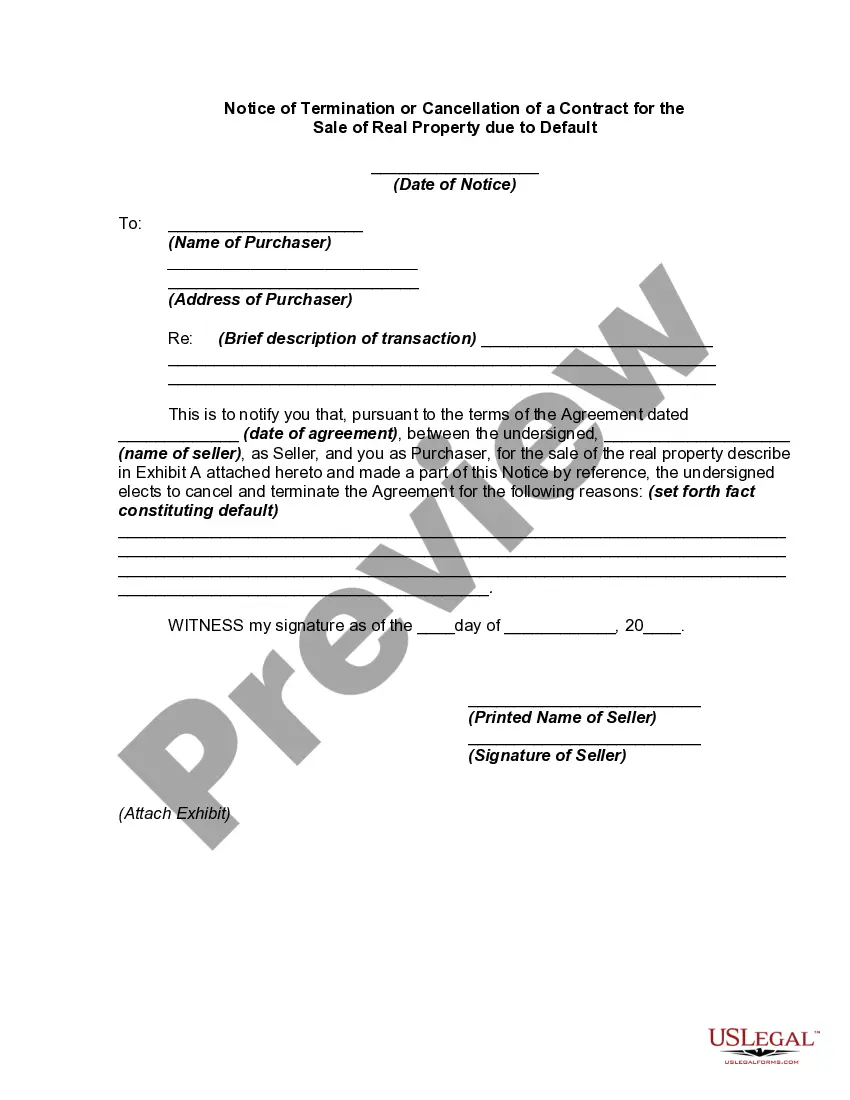
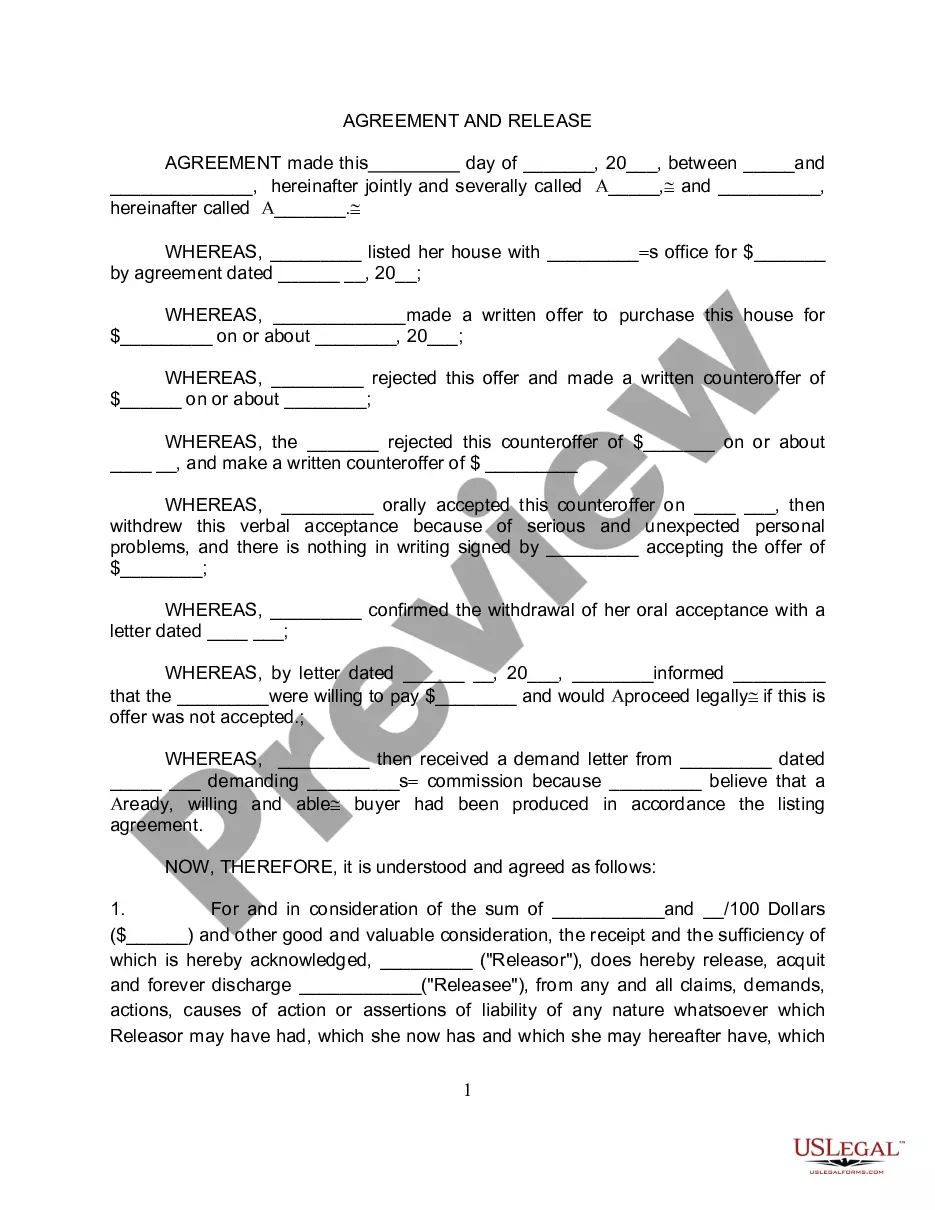
Get your form ready online
Our built-in tools help you complete, sign, share, and store your documents in one place.
Make edits, fill in missing information, and update formatting in US Legal Forms—just like you would in MS Word.
Download a copy, print it, send it by email, or mail it via USPS—whatever works best for your next step.
Sign and collect signatures with our SignNow integration. Send to multiple recipients, set reminders, and more. Go Premium to unlock E-Sign.
If this form requires notarization, complete it online through a secure video call—no need to meet a notary in person or wait for an appointment.
We protect your documents and personal data by following strict security and privacy standards.

Make edits, fill in missing information, and update formatting in US Legal Forms—just like you would in MS Word.

Download a copy, print it, send it by email, or mail it via USPS—whatever works best for your next step.

Sign and collect signatures with our SignNow integration. Send to multiple recipients, set reminders, and more. Go Premium to unlock E-Sign.

If this form requires notarization, complete it online through a secure video call—no need to meet a notary in person or wait for an appointment.

We protect your documents and personal data by following strict security and privacy standards.
Looking for another form?



Form popularity
FAQ
Under California's employment law, proving a wrongful termination claim depends on whether the termination was unlawful because it: breached the employment contract, breached the implied covenant of good faith and fair dealing, or. violated a public policy.
Termination for convenience For example, some contracts contain a clause that says that a contract can be terminated at any point so long as the 30-day notice period has been met. This means that parties can end the contract without any cause.
2. Termination at Will. Termination at will lets you end a contract without needing a specific reason—so long as you follow legal and contractual obligations. While most common in employment agreements, it also applies to service contracts, business partnerships, and leases.
Is California an At-Will State and What Does that Mean? Yes, California is an at-will state. Legally, that means an employer can terminate an employee for any reason and without warning. The opposite is true as well.
How to Build a Case to Prove Wrongful Termination Document Your Communication with Your Employer. Your employer's own words are a valuable resource when proving a pattern of discrimination or retaliation. Collect Evidence of Your Performance. Create a Timeline. Keep Careful Records. Contact Eyewitnesses. Speak with a Lawyer.
The type of evidence you will need depends on the type of wrongful termination case you have. Evidence can be in the form of your testimony, witness statements, “me too” victims, documents, communications, and recordings. Evidence of a particular pattern, practice, and policy may also be relevant.
Being fired without cause means an employer is letting an employee go, but not because of serious workplace misconduct. Conversely, being fired with cause means the employee committed a serious breach of conduct in their workplace, which led to their termination.
There are several ways a contract can end, including: Expiry of the fixed term. Both parties agree to end the contract, known as 'release' Exercising a break clause included in the contract agreement. If the contract was founded on a misrepresentation, error, or fraud, a party may rescind the agreement.
A Termination Without Cause clause is a contractual provision that allows one or both parties to terminate the agreement without stating a specific reason or cause, typically upon providing advance written notice and subject to certain conditions or consequences.
How a Contract can be Terminated? In ance with your contract. A contract may allow a party or both parties to elect to bring it to an end, for no specific reason. Termination for breach of contract. Discharge by agreement. Recission. Force majeure. Frustration. Void contract.

