Termination Of Contract For Frustration In Florida
Description
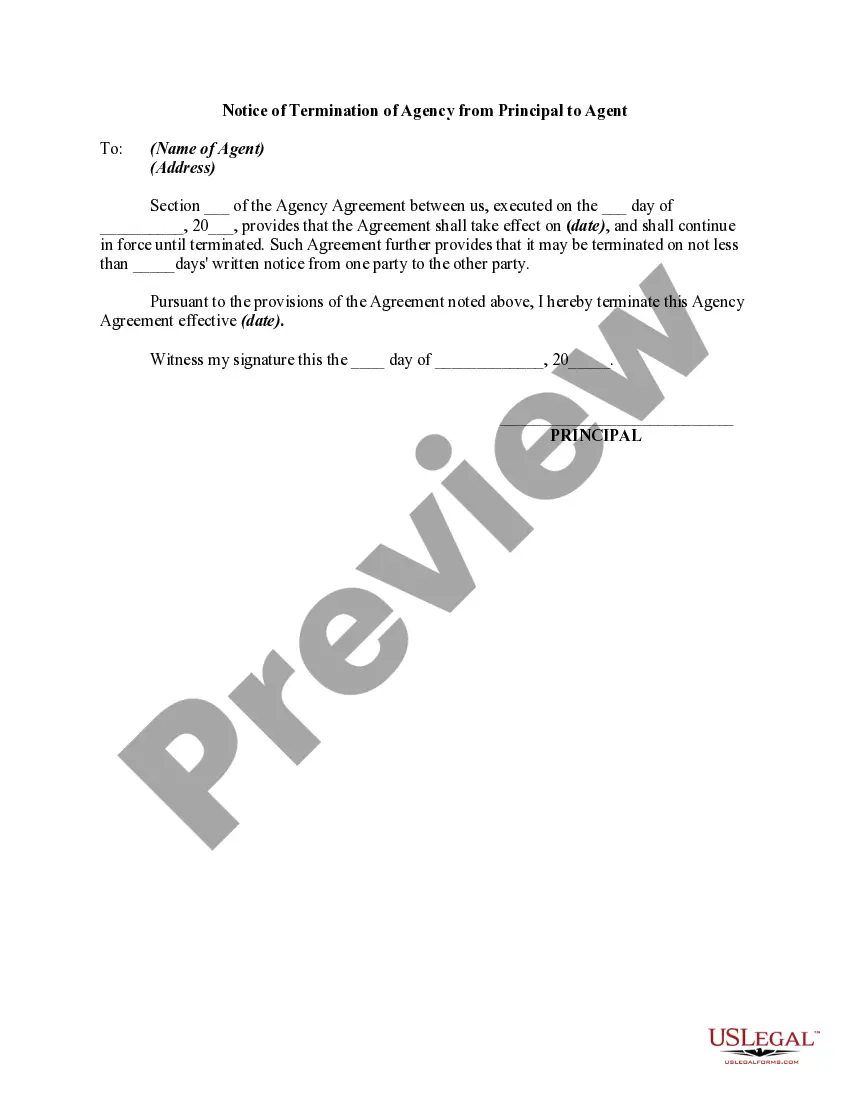
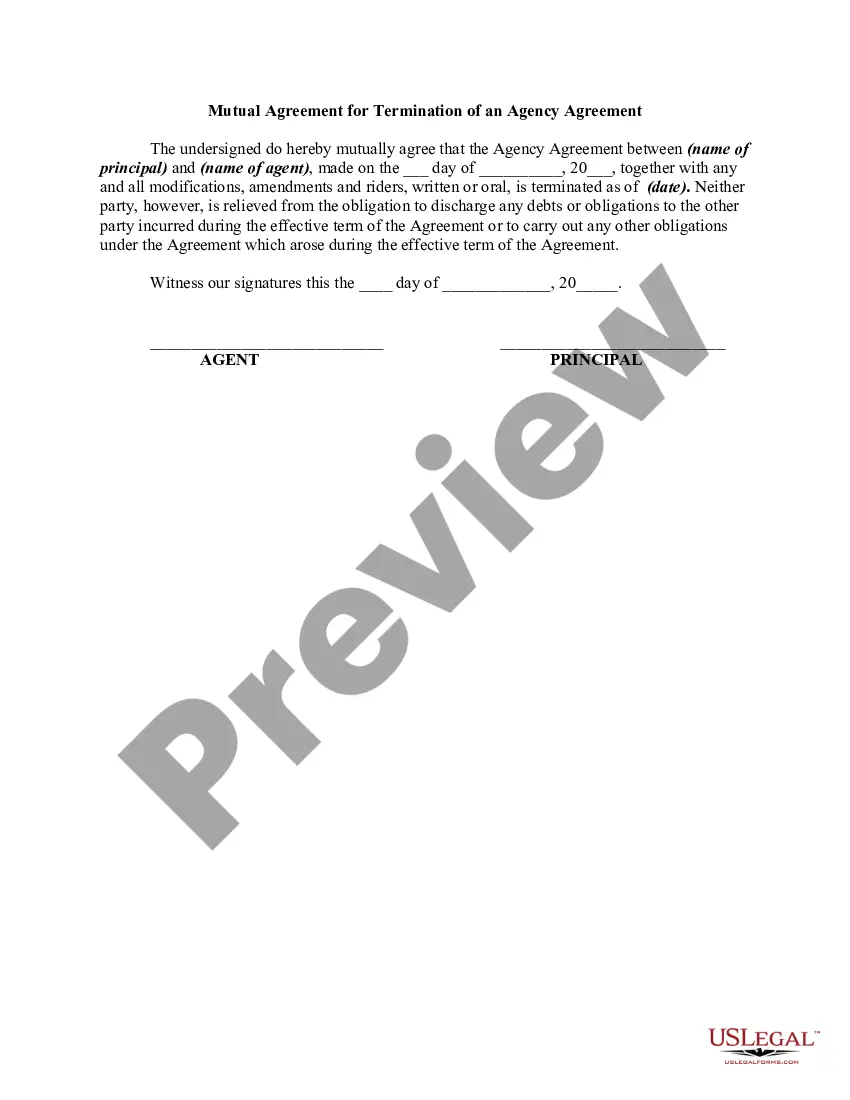
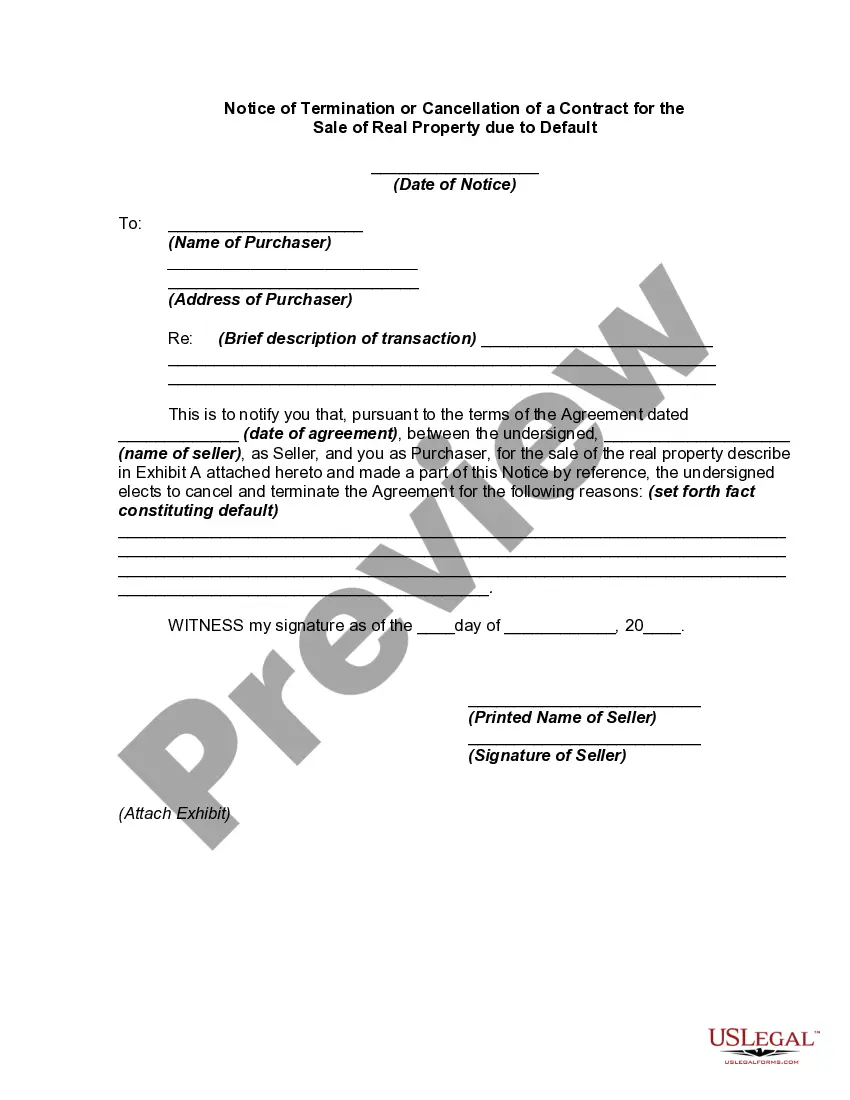

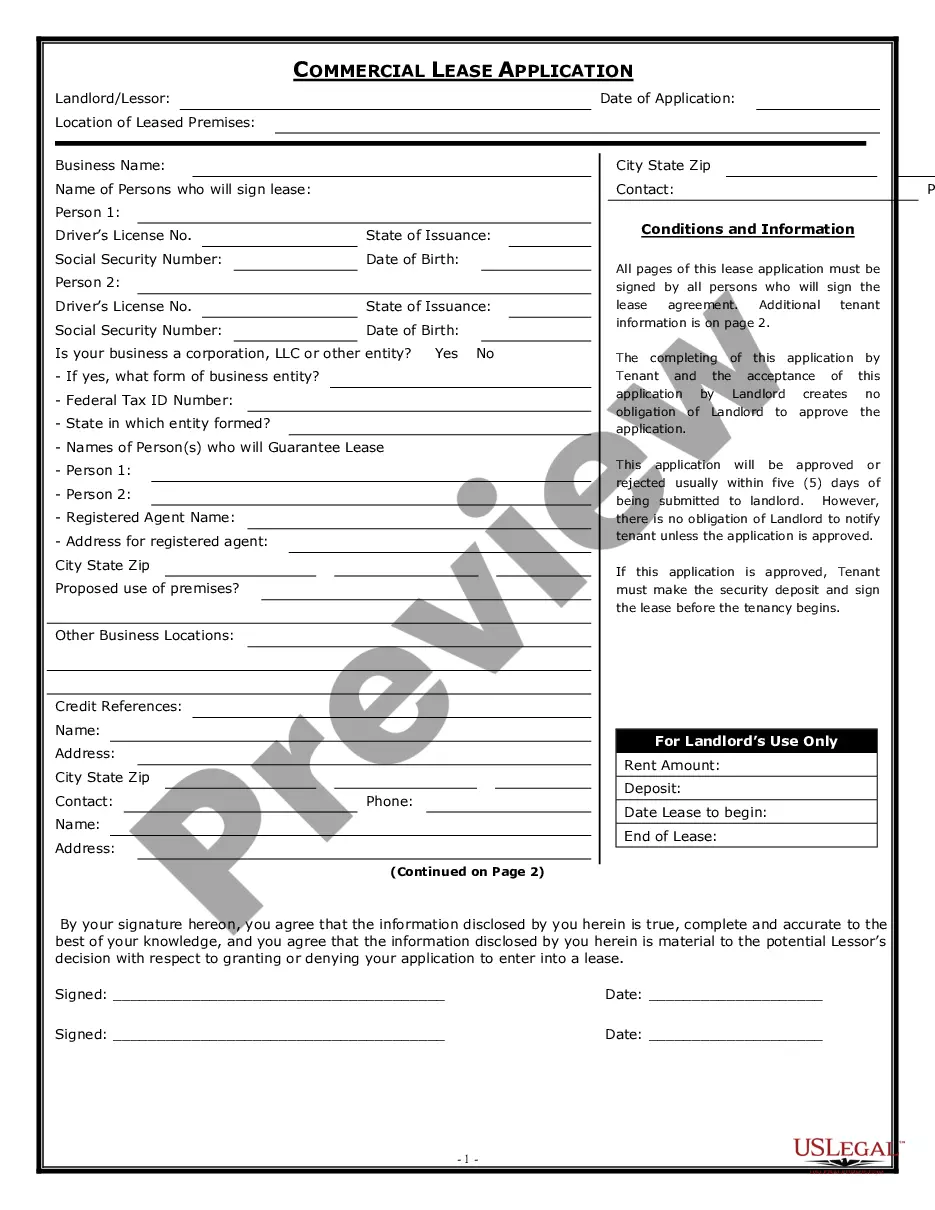
Get your form ready online
Our built-in tools help you complete, sign, share, and store your documents in one place.
Make edits, fill in missing information, and update formatting in US Legal Forms—just like you would in MS Word.
Download a copy, print it, send it by email, or mail it via USPS—whatever works best for your next step.
Sign and collect signatures with our SignNow integration. Send to multiple recipients, set reminders, and more. Go Premium to unlock E-Sign.
If this form requires notarization, complete it online through a secure video call—no need to meet a notary in person or wait for an appointment.
We protect your documents and personal data by following strict security and privacy standards.

Make edits, fill in missing information, and update formatting in US Legal Forms—just like you would in MS Word.

Download a copy, print it, send it by email, or mail it via USPS—whatever works best for your next step.

Sign and collect signatures with our SignNow integration. Send to multiple recipients, set reminders, and more. Go Premium to unlock E-Sign.

If this form requires notarization, complete it online through a secure video call—no need to meet a notary in person or wait for an appointment.

We protect your documents and personal data by following strict security and privacy standards.
Looking for another form?







Form popularity
FAQ
For example, if a law changes that make selling cars illegal, then contracts that involve cars will likely be frustrated. This is because the performance of that contract cannot be performed, by either party to a contract, and this arises from the illegality prohibiting performance.
Under Florida law, the “defense of frustration of purpose refers to the condition surrounding contracting parties where one of the parties finds that the purposes for which it bargained, and which purposes were known to the other contracting party, have been frustrated to the extent that the Page 2 breaching party is ...
At common law, where frustration is established the contract is terminated automatically (in futuro); there is no option to discharge or to perform and, at common law, the loss resulting from the termination lies where it falls (although there are limited exceptions to that rule).
Effect on the contract The case of Hirji Mulji v Cheong Yue Steamship Co Ltd 1926 AC 497 confirms the effect of frustration is that it brings the contract to an immediate end, whether or not the parties wish this to be the result. In other words, it is void, not voidable (as is the case for repudiatory breaches).
As mentioned earlier, frustration is a rare remedy in contract law. Since it discharges the contract, it effectively terminates the parties' future obligations. However, it's important to remember that frustration isn't a cure-all solution and not all contractual disputes can be resolved through this doctrine.
Frustration occurs whenever the law recognizes that without default of either party a contractual obligation has become incapable of being performed because the circumstances in which performance is called for would render it a thing radically different from that which was undertaken by the contract.”
Frustration of contract will occur if one of the parties dies or becomes incapacitated. The obvious reason for this is that they can't fulfil their contractual obligations anymore. Importantly, this only applies if the party is an individual, not a company or other legal entity.
How a Contract can be Terminated? In ance with your contract. A contract may allow a party or both parties to elect to bring it to an end, for no specific reason. Termination for breach of contract. Discharge by agreement. Recission. Force majeure. Frustration. Void contract.
The frustration of a contract refers to a legal concept when unforeseen events or circumstances occur that make it impossible or difficult for the parties to fulfill them. These unforeseen circumstances fundamentally alter the terms of the agreement, making it unenforceable, commercially unviable, or impossible.

