Cancellation Form Fillable With Qr Code In Contra Costa
Description
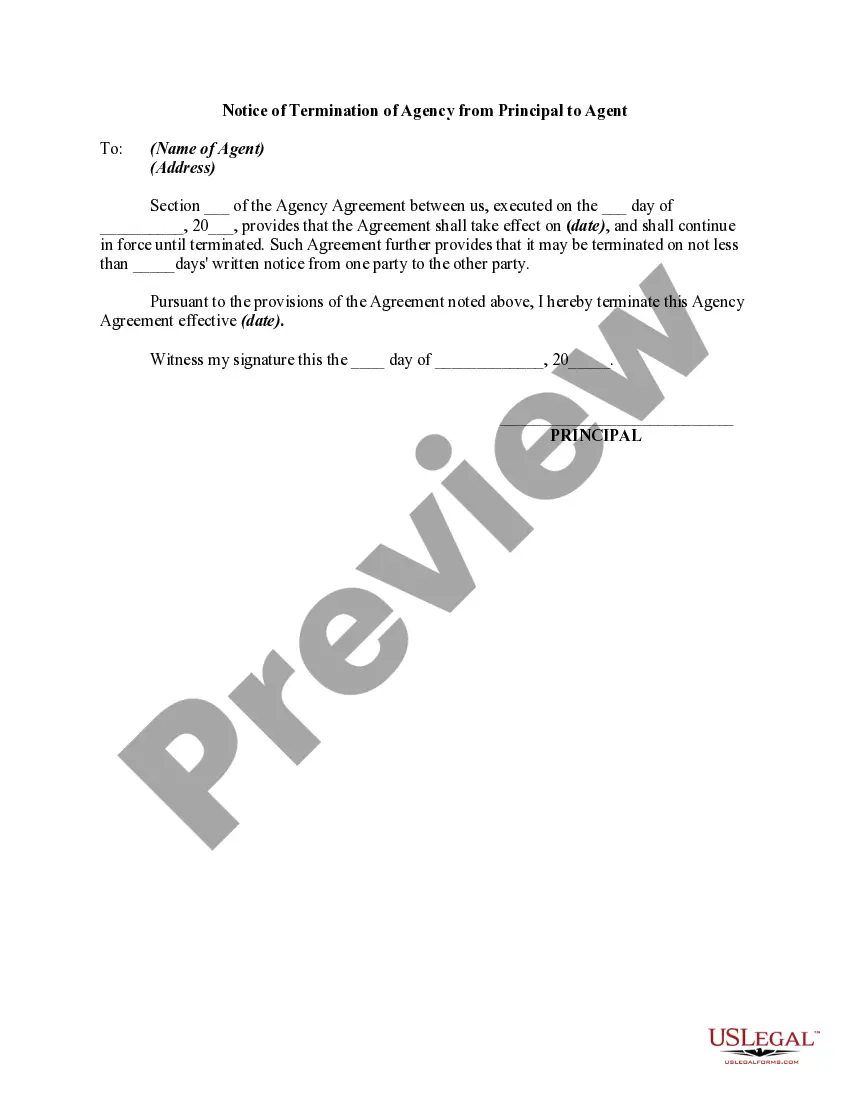
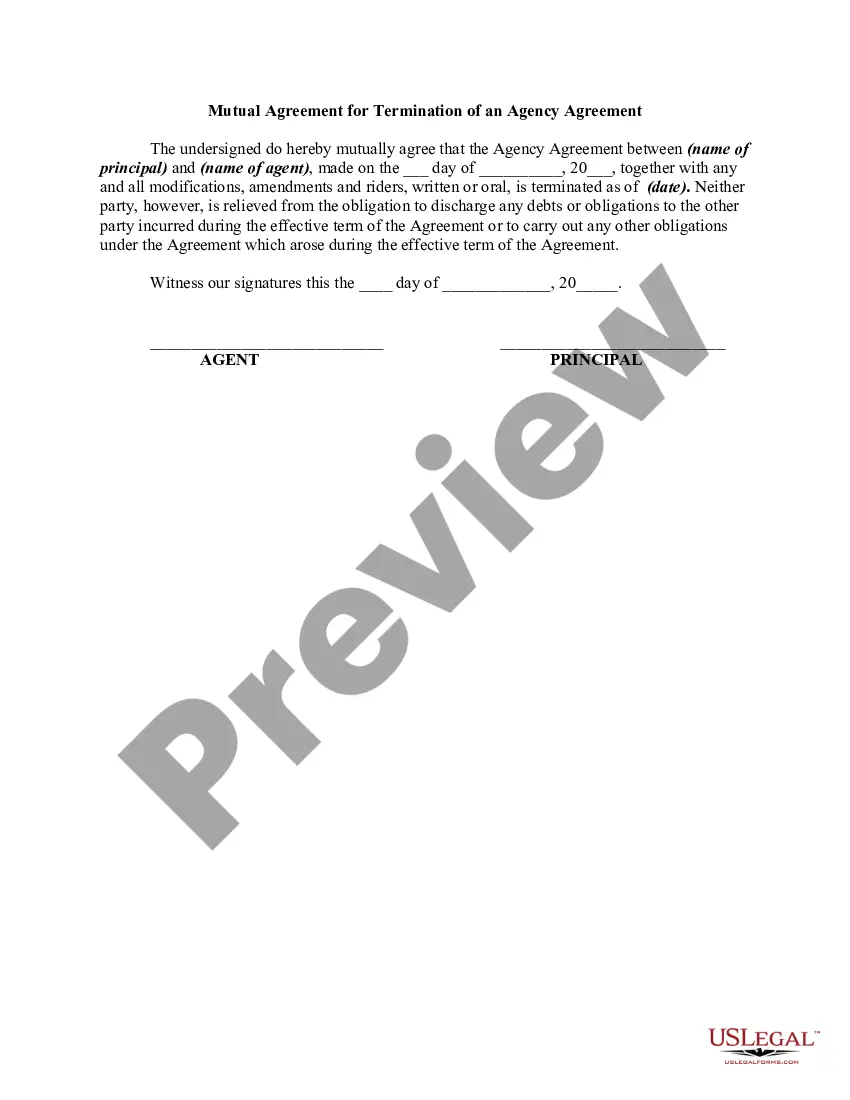
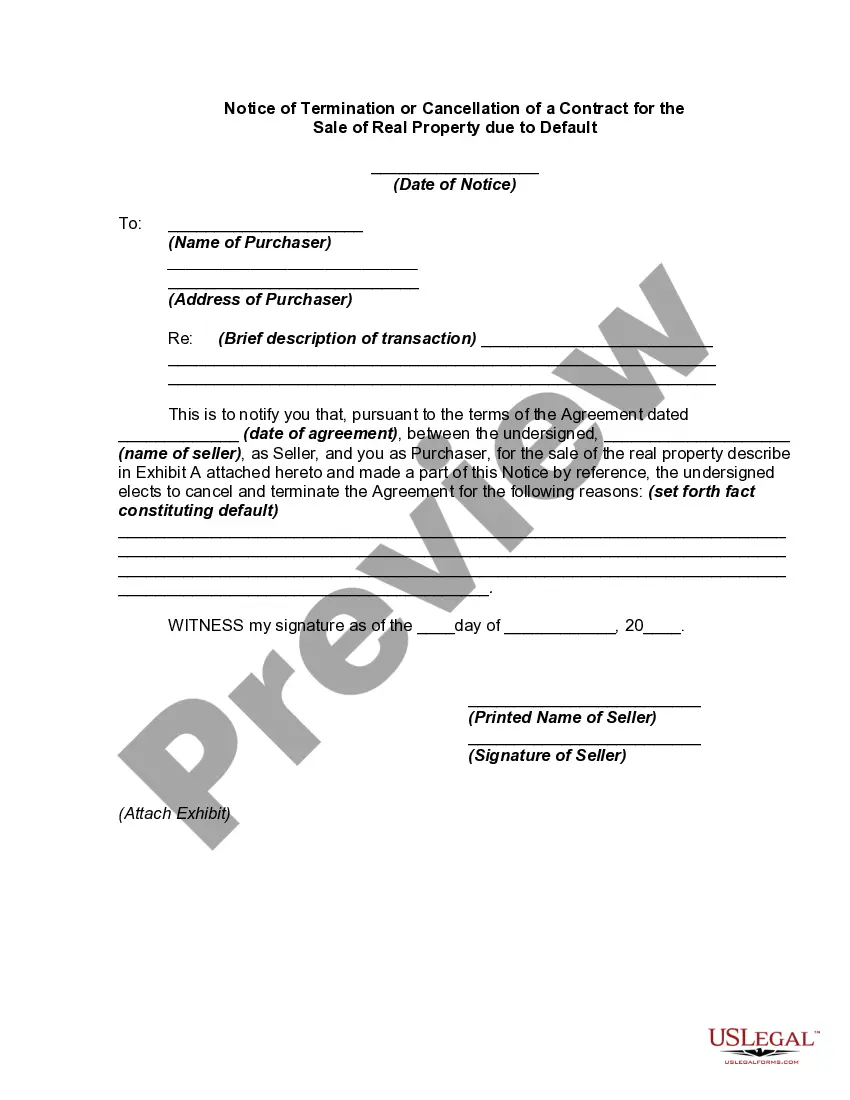
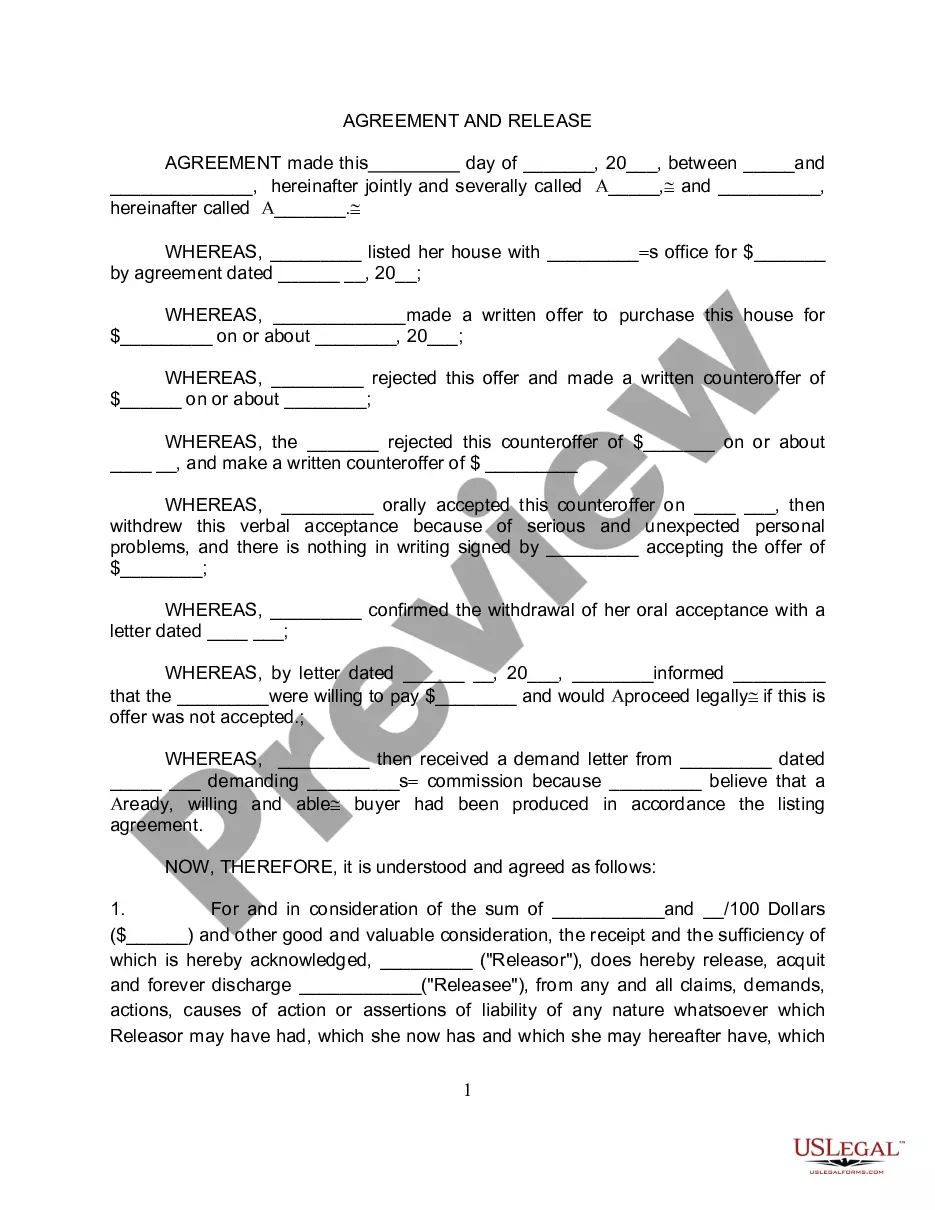
Get your form ready online
Our built-in tools help you complete, sign, share, and store your documents in one place.
Make edits, fill in missing information, and update formatting in US Legal Forms—just like you would in MS Word.
Download a copy, print it, send it by email, or mail it via USPS—whatever works best for your next step.
Sign and collect signatures with our SignNow integration. Send to multiple recipients, set reminders, and more. Go Premium to unlock E-Sign.
If this form requires notarization, complete it online through a secure video call—no need to meet a notary in person or wait for an appointment.
We protect your documents and personal data by following strict security and privacy standards.

Make edits, fill in missing information, and update formatting in US Legal Forms—just like you would in MS Word.

Download a copy, print it, send it by email, or mail it via USPS—whatever works best for your next step.

Sign and collect signatures with our SignNow integration. Send to multiple recipients, set reminders, and more. Go Premium to unlock E-Sign.

If this form requires notarization, complete it online through a secure video call—no need to meet a notary in person or wait for an appointment.

We protect your documents and personal data by following strict security and privacy standards.
Looking for another form?









Form popularity
FAQ
If you own and occupy your principal place of residence on January 1, you may apply for a Homeowner's Exemption that would exempt $7,000 of your home's assessed value from taxation. This would result in a savings of approximately $70 per year on your property tax bill.
State Property Tax Postponement Program – Seniors The State Controller's Property Tax Postponement Program allows homeowners who are 62 and over and who meet other requirements to file for a postponement.
Ask for Your Property Tax Card. Don't Build. Limit Curb Appeal. Research Neighboring Homes. Allow the Assessor Access to Your Home. Walk the Home With the Assessor. Look for Exemptions. Appeal Your Tax Bill.
Lower My Property Taxes Decline In Value / Prop 8. Calamity / Property Destroyed. Disabled Veterans' Exemption. Homeowners' Exemption. Nonprofit Exemptions. Transfers Between Family Members. Transfer of Base Year Value to Replacement Dwelling. Assessment Appeal.
How is my tax bill calculated? The assessed value from the Assessor's Office is multiplied by the tax rate to get the ad valorem tax amount. The remaining amount of the bill consists of special assessments and late penalties, if applicable.

