Contract Termination For Cause Examples In Chicago
Description

Get your form ready online
Our built-in tools help you complete, sign, share, and store your documents in one place.
Make edits, fill in missing information, and update formatting in US Legal Forms—just like you would in MS Word.
Download a copy, print it, send it by email, or mail it via USPS—whatever works best for your next step.
Sign and collect signatures with our SignNow integration. Send to multiple recipients, set reminders, and more. Go Premium to unlock E-Sign.
If this form requires notarization, complete it online through a secure video call—no need to meet a notary in person or wait for an appointment.
We protect your documents and personal data by following strict security and privacy standards.

Make edits, fill in missing information, and update formatting in US Legal Forms—just like you would in MS Word.

Download a copy, print it, send it by email, or mail it via USPS—whatever works best for your next step.

Sign and collect signatures with our SignNow integration. Send to multiple recipients, set reminders, and more. Go Premium to unlock E-Sign.

If this form requires notarization, complete it online through a secure video call—no need to meet a notary in person or wait for an appointment.

We protect your documents and personal data by following strict security and privacy standards.
Looking for another form?
Form popularity
FAQ
Examples of Termination for Cause insubordinate or willfully disobedient to the employer's lawful orders; intoxicated or under the influence of illicit drugs if these are not related to a disability; excessively and unjustifiably absent or late; harassing or abusive towards other employees, clients or customers; or.
If the prosecutor, for example, argues that juror number 3 is married to a defense attorney, this would be a situation of implied bias. Based on the legitimacy of the argument, the judge may agree and juror number 3 would be removed for cause.
The best way to end a contract early is to speak with the party you're in contract with. Simple negotiation is often all it takes to reach a favorable resolution. If they don't agree to ending the contract early, consider getting a lawyer to help you determine your next best step.
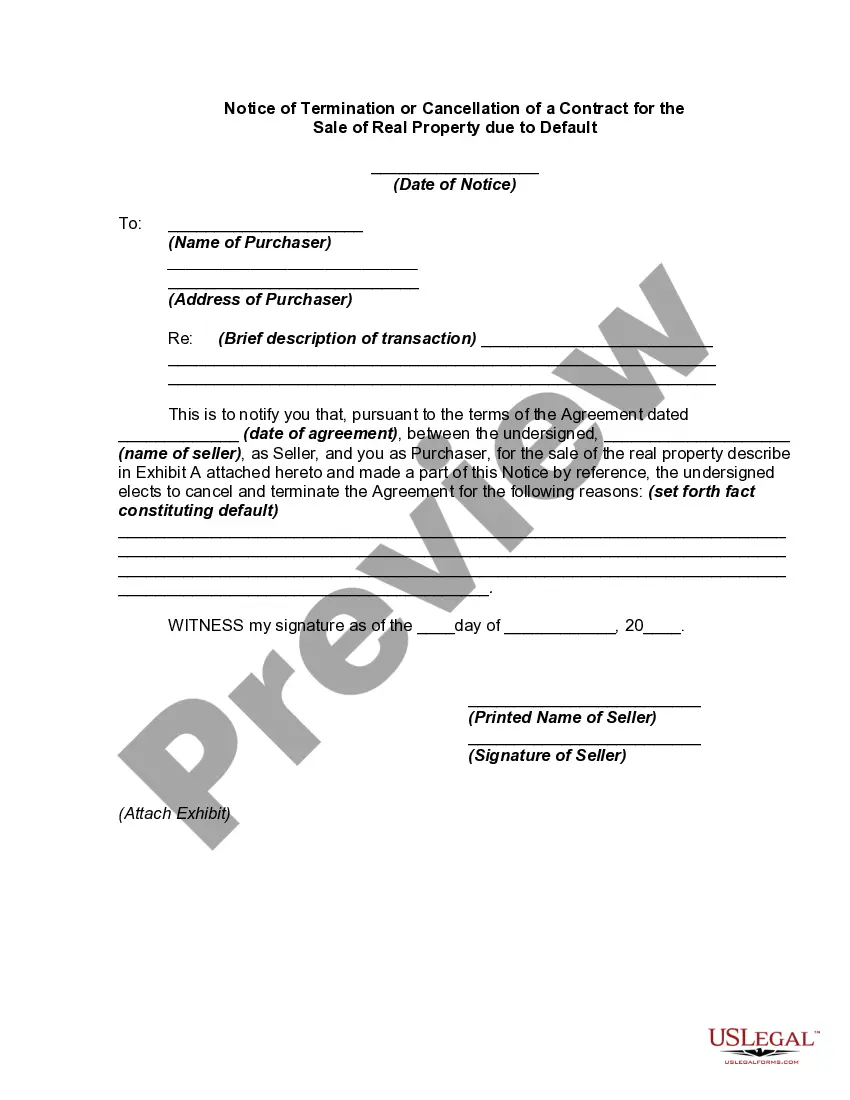
Termination for cause occurs when a party's actions or inactions cause the contract to break down. This could be because they've failed or refused to perform their contractual obligations and breached the contract, for example.
Termination for cause is the dismissal of an employee for a satisfactory reason. An employee may be fired for various reasons that may include misconduct, fraud and disclosure of confidential information.
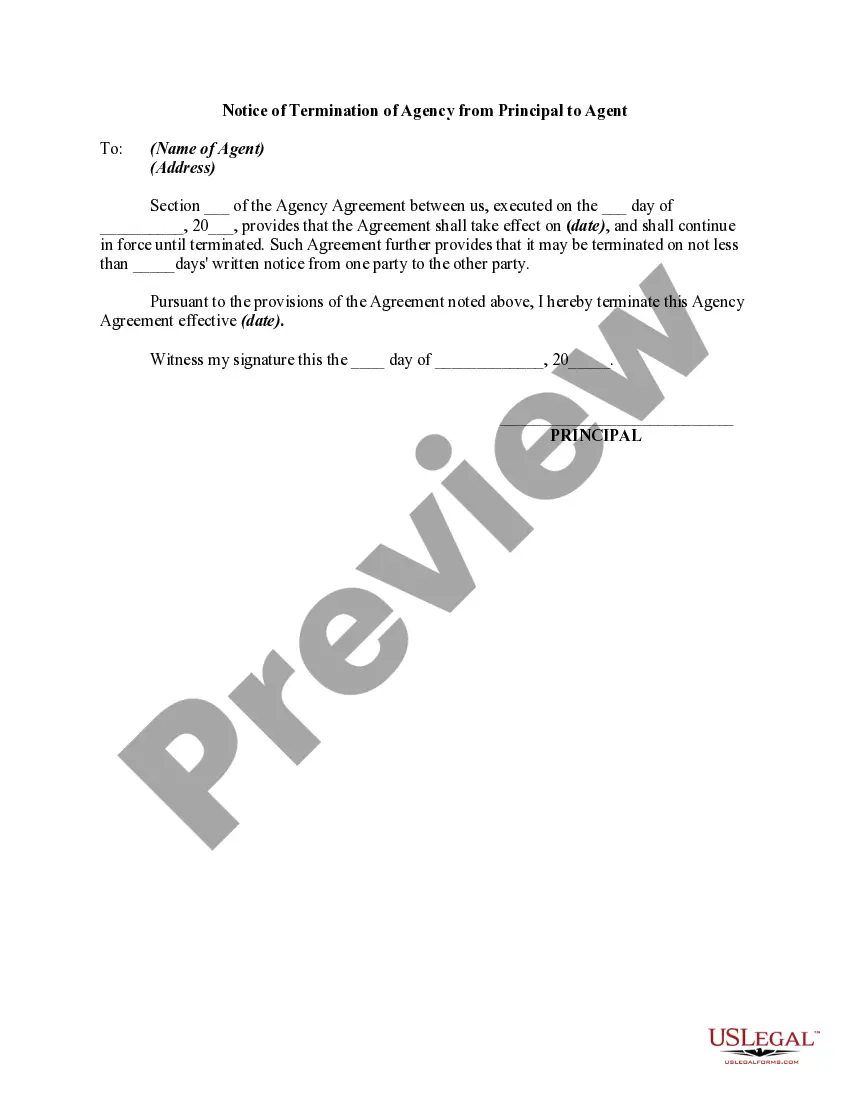
Dear Recipient's Name, I am writing to formally notify you of the termination of our contract, dated Contract Date, for Description of the Contract/Services. ing to the terms of our agreement, this letter serves as a Number of Days days' notice, and the contract will officially end on Termination Date.
Termination for cause clauses allow parties to terminate an agreement due to the other party's inaction or actions or a breach of contract. For example, suppose a software development project depends on parties completing their contractual duties by .
The term “Termination for Cause” shall mean termination because of Executive's personal dishonesty, incompetence, willful misconduct, any breach of fiduciary duty involving personal profit, intentional failure to perform stated duties, willful violation of any law, rule, or regulation (other than traffic violations or ...
Employer may terminate Employee's employment immediately and without prior notice upon the occurrence of any of the following events, each of which shall be deemed “Reasonable Cause” for termination: (i) Employee commits any act of gross negligence, fraud, dishonesty, or willful violation of any law or material ...

