Contract Termination Without Notice In California
Description
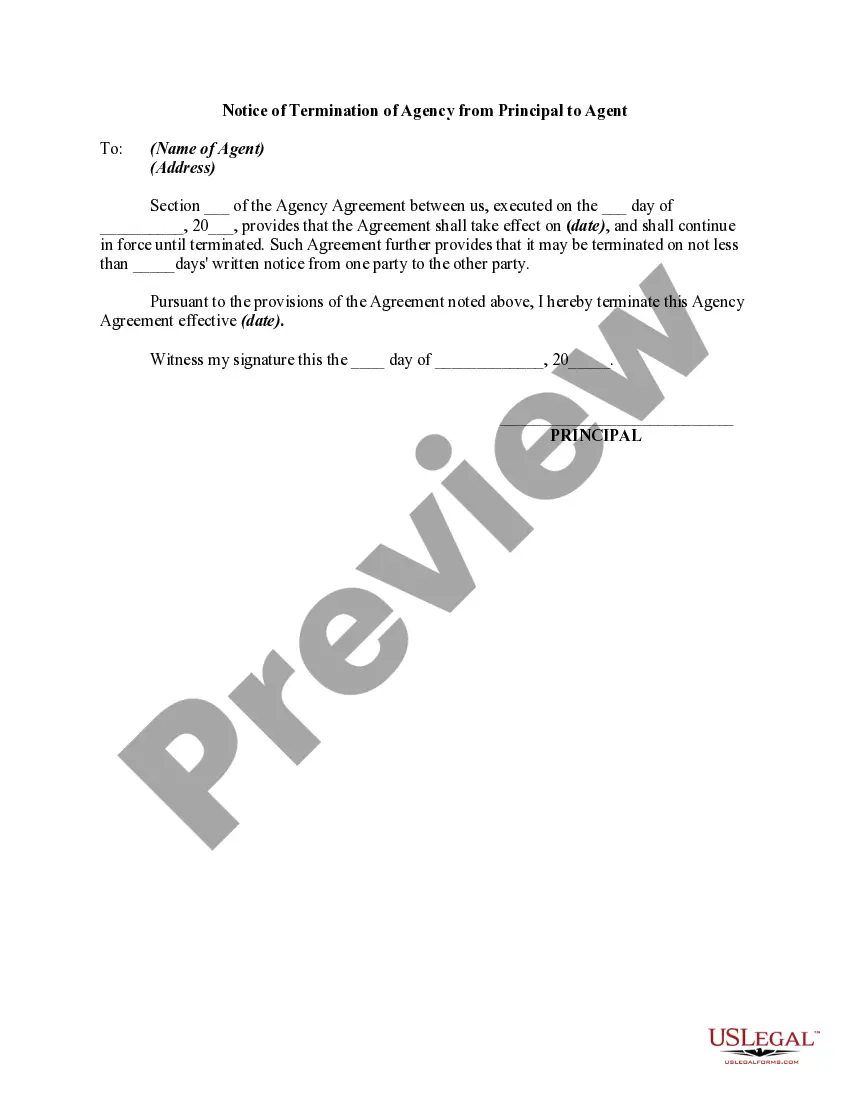
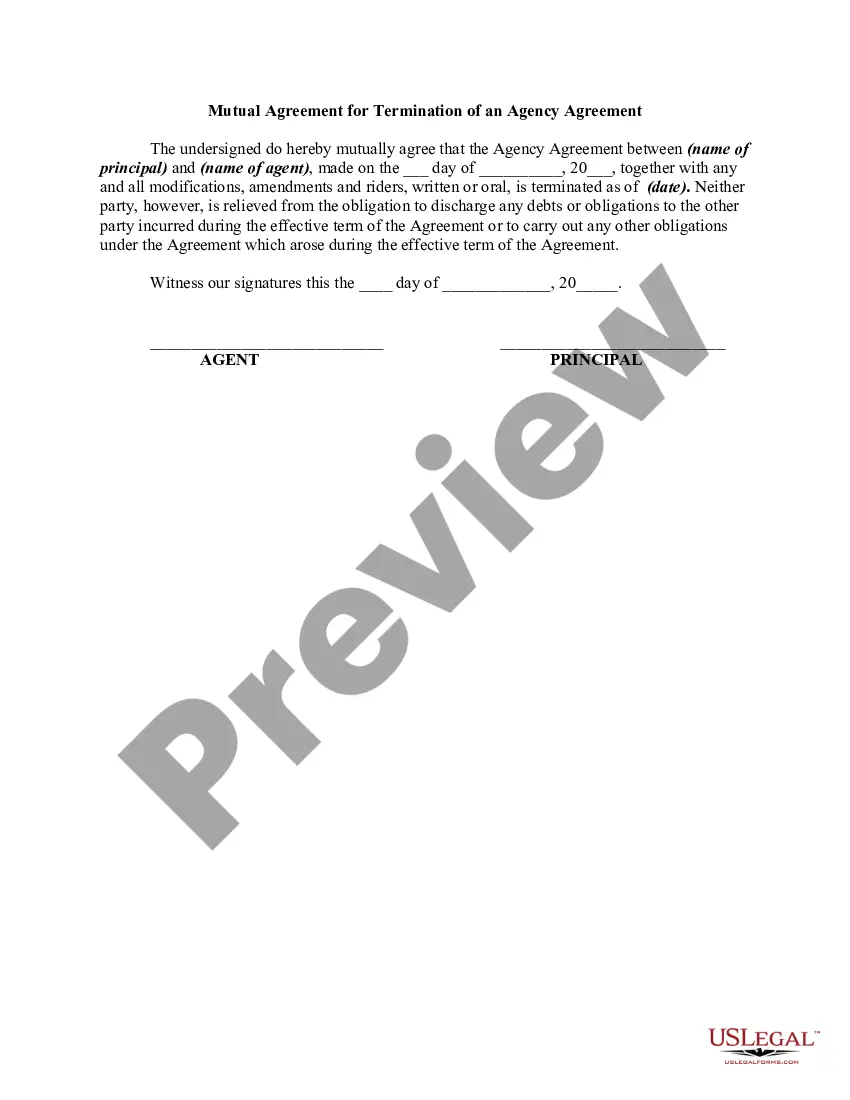
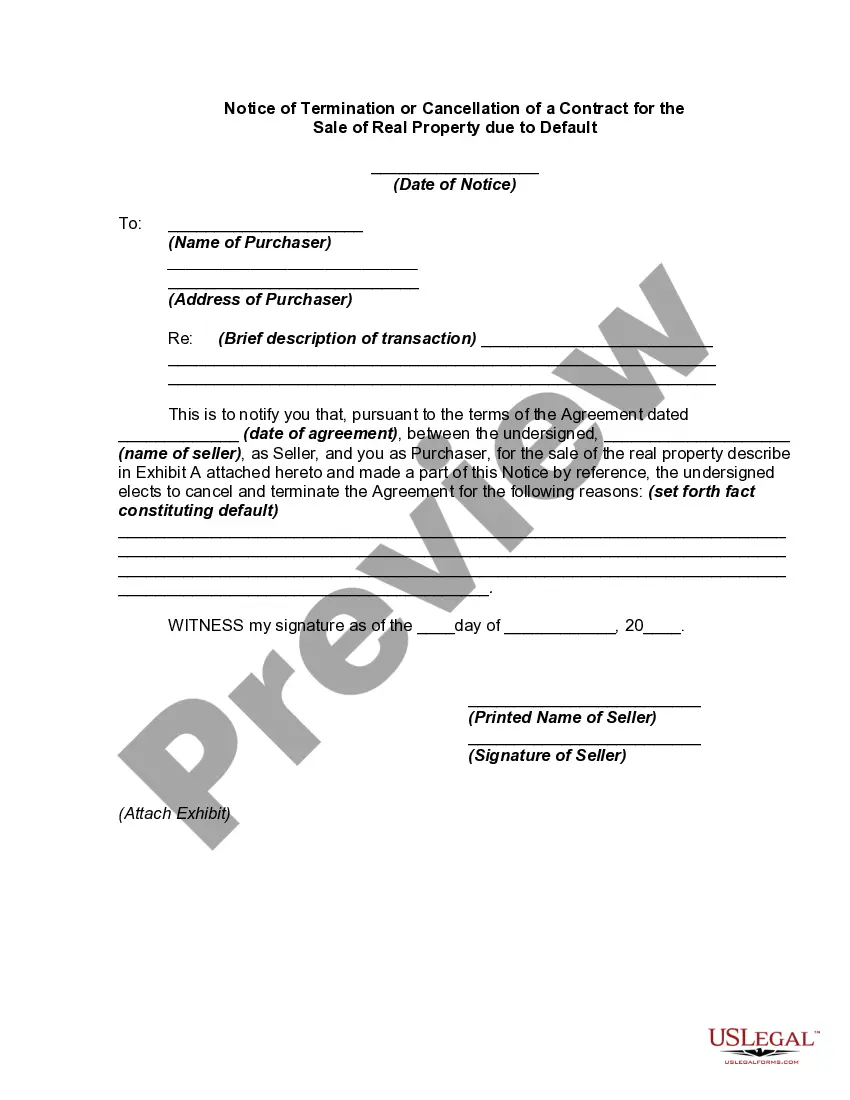
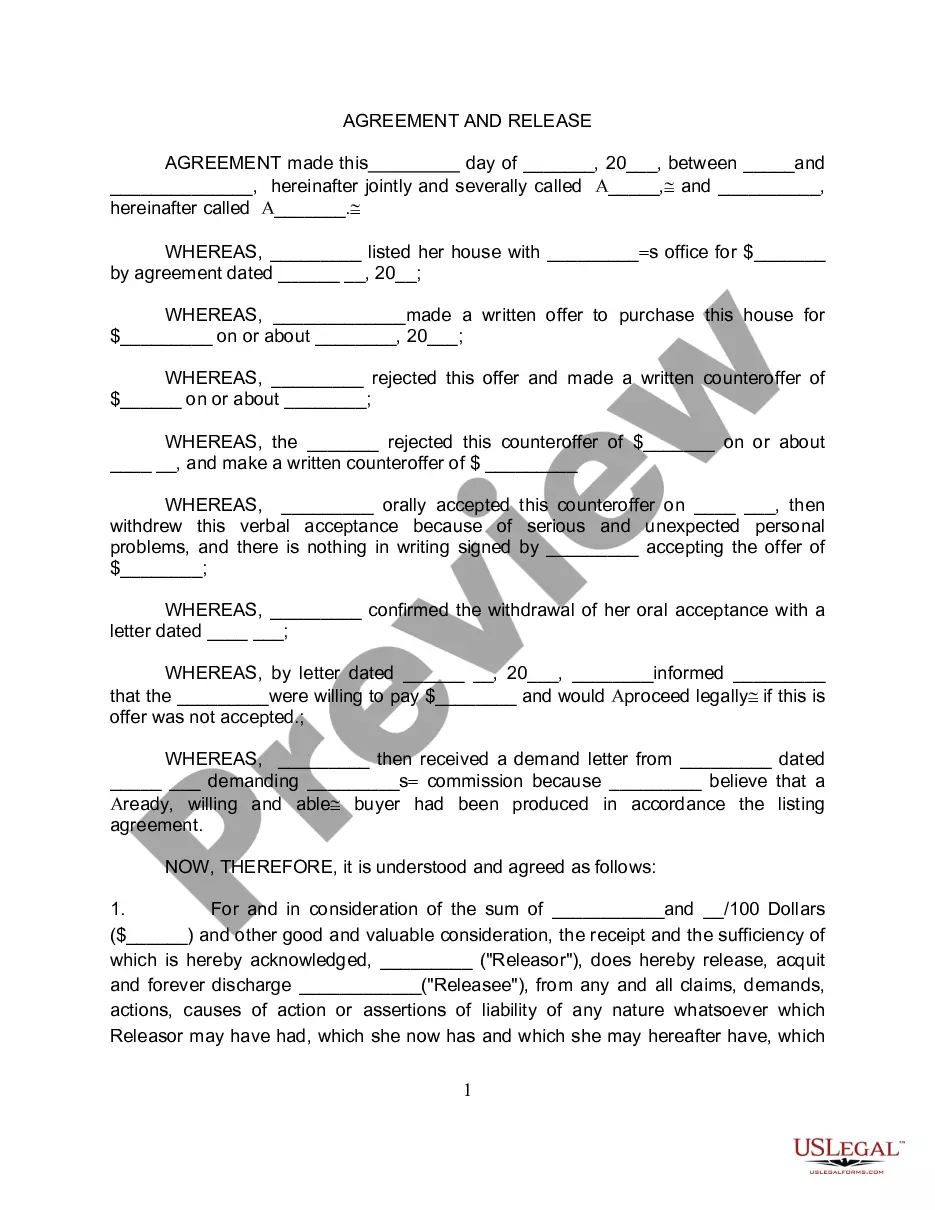
Get your form ready online
Our built-in tools help you complete, sign, share, and store your documents in one place.
Make edits, fill in missing information, and update formatting in US Legal Forms—just like you would in MS Word.
Download a copy, print it, send it by email, or mail it via USPS—whatever works best for your next step.
Sign and collect signatures with our SignNow integration. Send to multiple recipients, set reminders, and more. Go Premium to unlock E-Sign.
If this form requires notarization, complete it online through a secure video call—no need to meet a notary in person or wait for an appointment.
We protect your documents and personal data by following strict security and privacy standards.

Make edits, fill in missing information, and update formatting in US Legal Forms—just like you would in MS Word.

Download a copy, print it, send it by email, or mail it via USPS—whatever works best for your next step.

Sign and collect signatures with our SignNow integration. Send to multiple recipients, set reminders, and more. Go Premium to unlock E-Sign.

If this form requires notarization, complete it online through a secure video call—no need to meet a notary in person or wait for an appointment.

We protect your documents and personal data by following strict security and privacy standards.
Looking for another form?









Form popularity
FAQ
The seven-minute rule allows employers to round employee time to the nearest quarter-hour. The seven-minute rule is a payroll rule that allows employers to round down employee time of 1-7 minutes. However, employee work time of 8-14 minutes must be rounded up and counted as a quarter-hour of work.
Proving a case of wrongful termination involves presenting compelling evidence, such as the following: Employment Records: Maintain detailed records of employment, including performance evaluations, commendations, and any documents indicating positive job performance.
Yes, in the state of California, employers must provide immediate notice to all terminated employees. Beginning with the January 1, 2022 enactment of California Senate Bill No. 657, employers have the option to distribute these notices electronically.
Under California's employment law, proving a wrongful termination claim depends on whether the termination was unlawful because it: breached the employment contract, breached the implied covenant of good faith and fair dealing, or. violated a public policy.
“The short answer is yes: In many to most circumstances, employees can be fired without notice,” says Sonya Smallets, an employment law attorney at Minnis & Smallets in San Francisco, California.
Regardless of what your grounds are, notice is required to terminate any contract. Typically, this notice will come in the form of a written document that clearly explains your decision to terminate the contract, why you wish to do so, and on what grounds.
In California, an employee can be fired without being written up due to the state's at-will employment doctrine. Employers are not legally required to provide written warnings or follow a specific disciplinary process before termination, unless stipulated in an employment contract or collective bargaining agreement.
Is the employer required to send a separation notice to every employee upon termination? Yes, in the state of California, employers must provide immediate notice to all terminated employees. Beginning with the January 1, 2022 enactment of California Senate Bill No.
Required notices: Provide the employee with necessary notices, such as: Notice to Employee as to Change in Relationship. For Your Benefit (Form DE 2320) COBRA and Cal-COBRA notices. HIPP Notice to Terminating Employee (Form DHCS-9061)
Your termination could be wrongful if your employer fired you: Due to discrimination. In violation of a federal or state labor law. Because you reported and refused to participate in harassment.

