Contract Termination Without Cause In Allegheny
Description
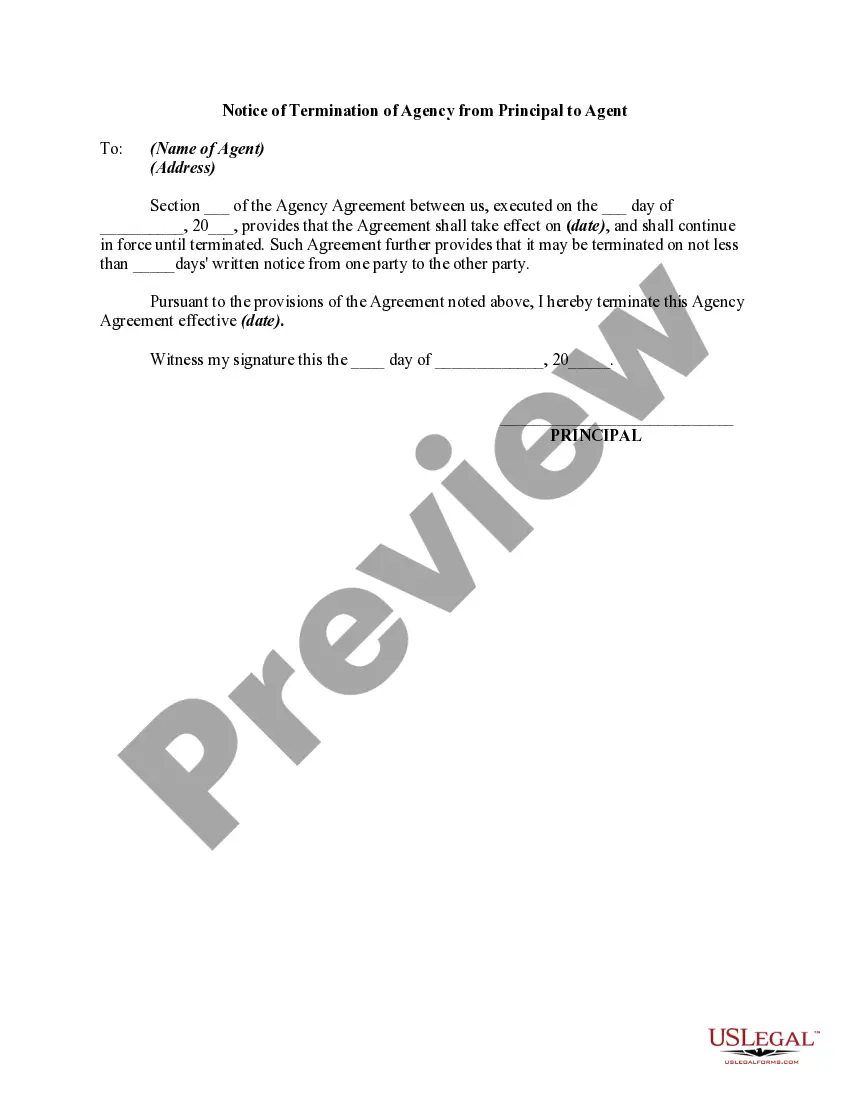
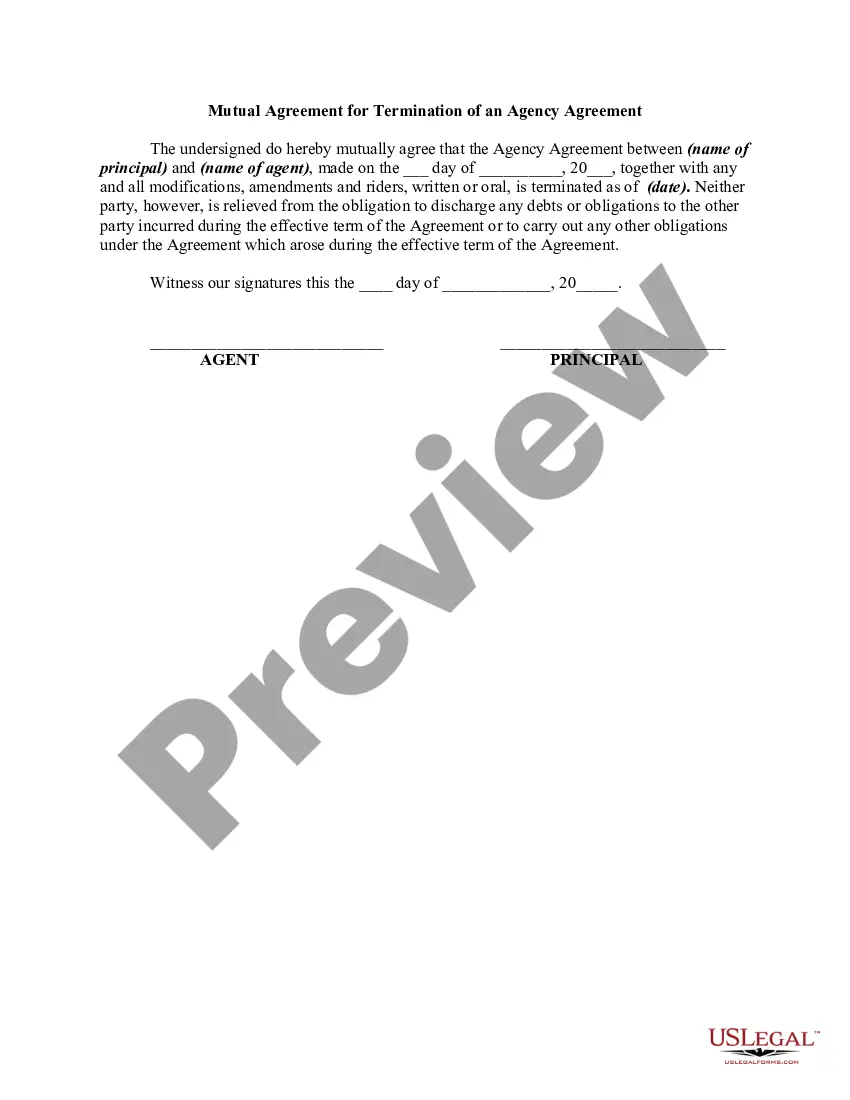
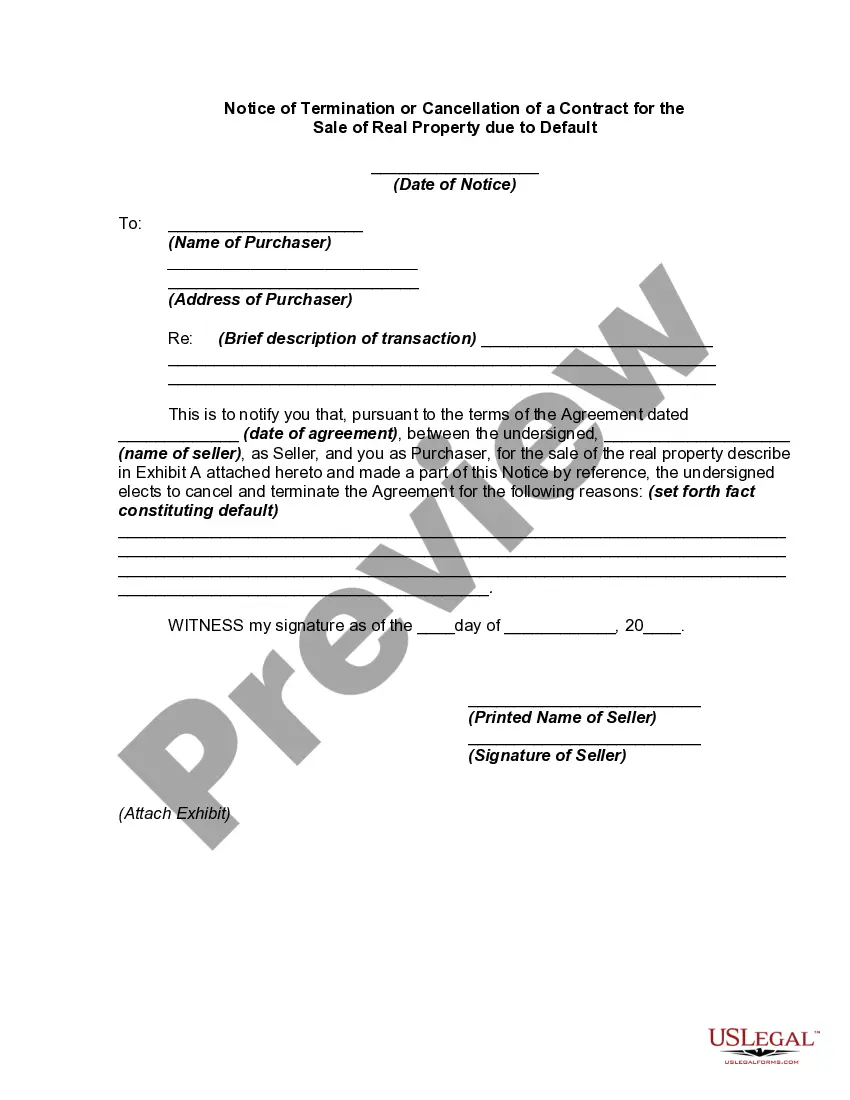
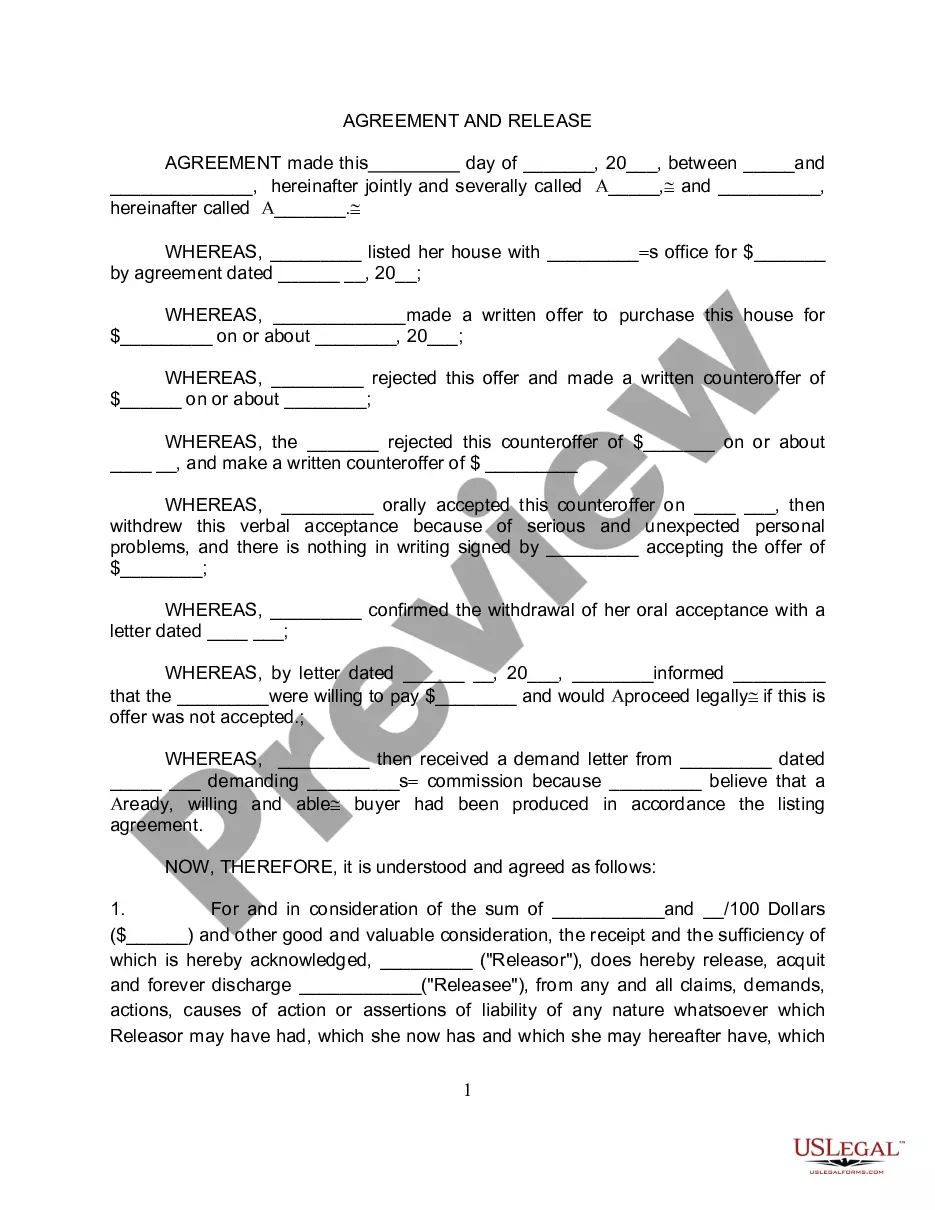
Get your form ready online
Our built-in tools help you complete, sign, share, and store your documents in one place.
Make edits, fill in missing information, and update formatting in US Legal Forms—just like you would in MS Word.
Download a copy, print it, send it by email, or mail it via USPS—whatever works best for your next step.
Sign and collect signatures with our SignNow integration. Send to multiple recipients, set reminders, and more. Go Premium to unlock E-Sign.
If this form requires notarization, complete it online through a secure video call—no need to meet a notary in person or wait for an appointment.
We protect your documents and personal data by following strict security and privacy standards.

Make edits, fill in missing information, and update formatting in US Legal Forms—just like you would in MS Word.

Download a copy, print it, send it by email, or mail it via USPS—whatever works best for your next step.

Sign and collect signatures with our SignNow integration. Send to multiple recipients, set reminders, and more. Go Premium to unlock E-Sign.

If this form requires notarization, complete it online through a secure video call—no need to meet a notary in person or wait for an appointment.

We protect your documents and personal data by following strict security and privacy standards.
Looking for another form?






Form popularity
FAQ
Just causes refer to situations where the employee has committed acts that warrant termination due to misconduct or failure to meet obligations. These causes are well-delineated under Article 297 of the Labor Code.
Termination for cause occurs when a party's actions or inactions cause the contract to break down. This could be because they've failed or refused to perform their contractual obligations and breached the contract, for example.
Contract end due to a breach. A contract can end where one party has breached an essential term of the contract and the other party decides to end the contract because of that breach.
Key reasons for termination include fraud or mistakes during formation, changes in law rendering the contract illegal, breaches by any party, and mutually agreed-upon terms for ending the contract under specific circumstances.
A Contract may identify the conditions under which an involved Party could Terminate it due to another Party's material Breach of Contract. This can include. Becoming Bankrupt or Insolvent.
A Termination Without Cause clause is a contractual provision that allows one or both parties to terminate the agreement without stating a specific reason or cause, typically upon providing advance written notice and subject to certain conditions or consequences.
A Termination Without Cause clause is a contractual provision that allows one or both parties to terminate the agreement without stating a specific reason or cause, typically upon providing advance written notice and subject to certain conditions or consequences.
An employer may terminate the services of an “at will” employee, with or without cause, at any time — as long as an employee is not let go for an unlawful purpose, such as age or racial discrimination.
A contract without termination provisions will simply lapse till the end of the term but it might be possible to negotiate an early termination with the other side. However, this option will only be available if the other side is willing to negotiate and you may be liable for early termination damages.
Termination With Cause clauses are crucial in various types of contracts involving significant obligations, risks, or potential losses, where a material breach or default by one party may severely impact the other party's interests.

