Competition Non Competition For Sale In San Antonio
Description

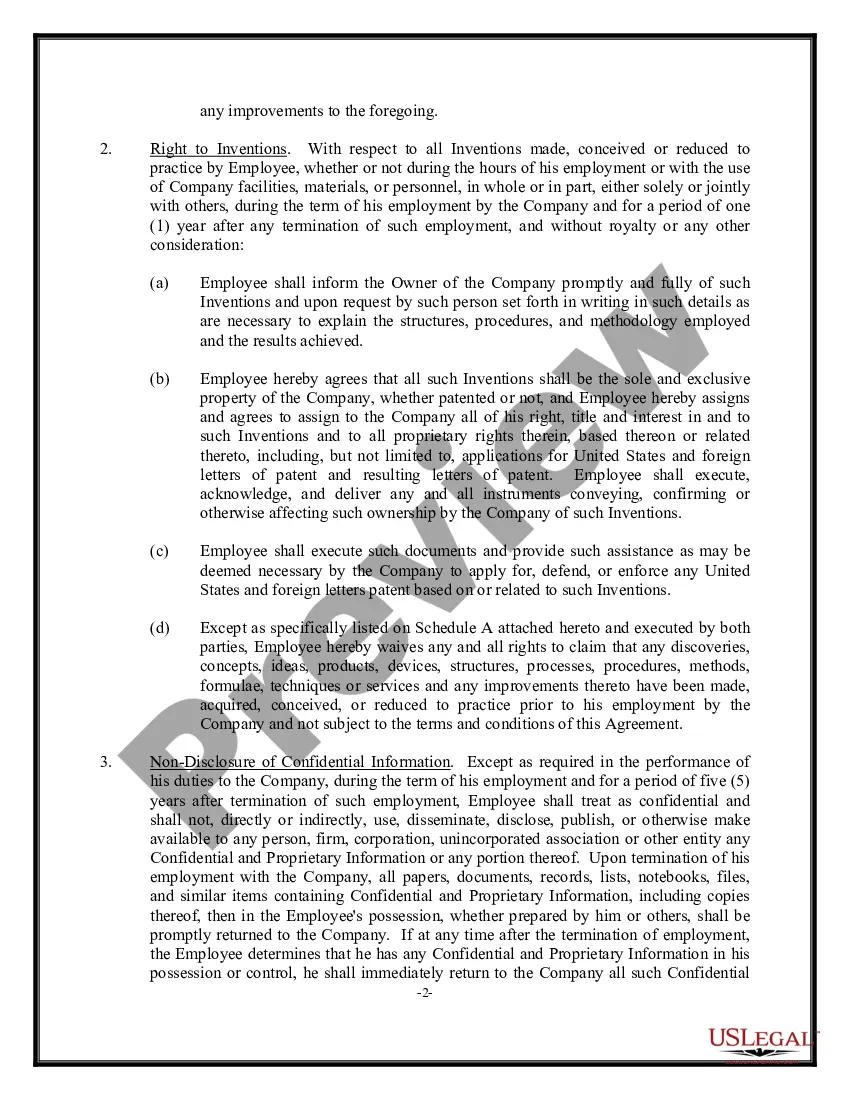
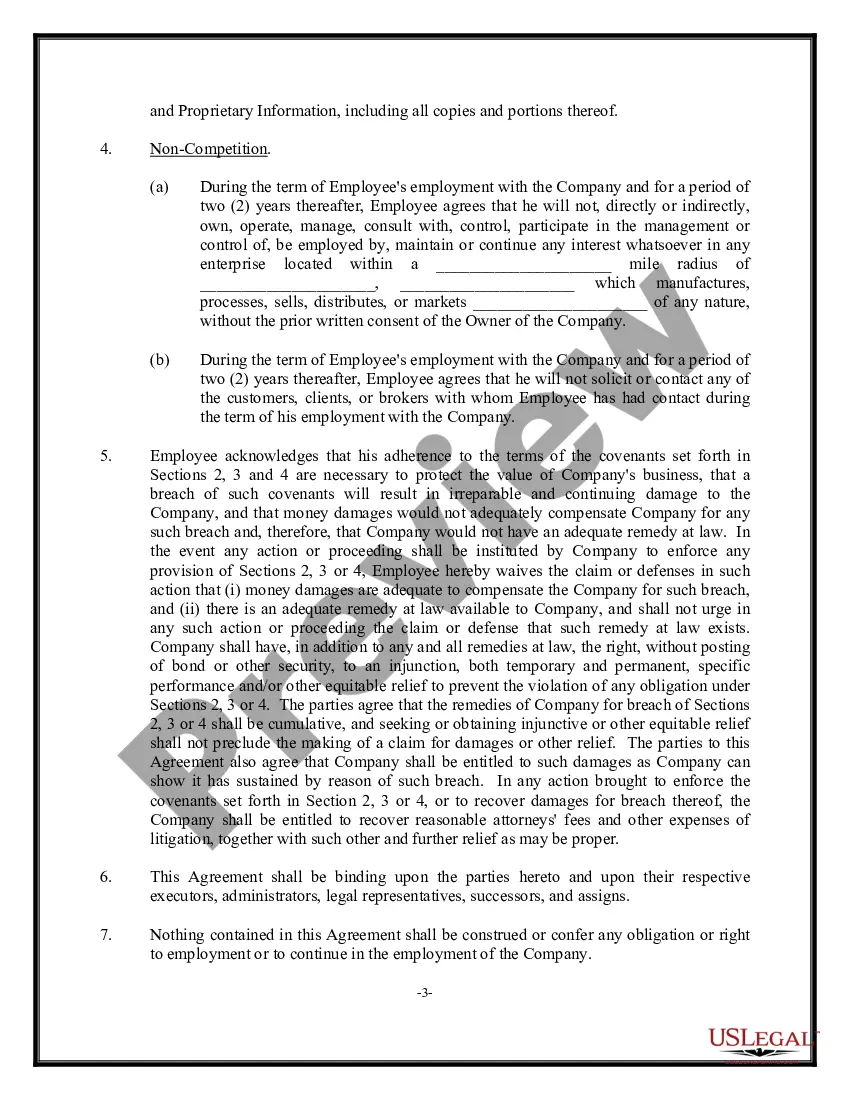
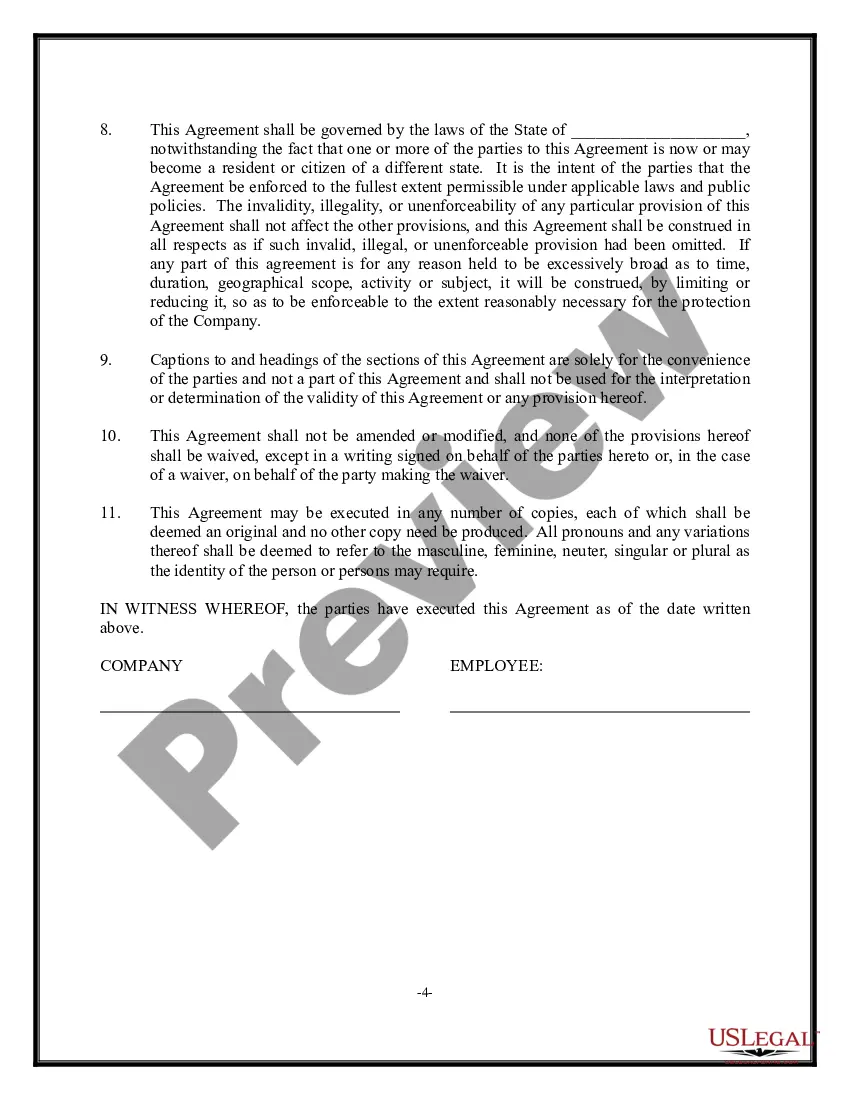
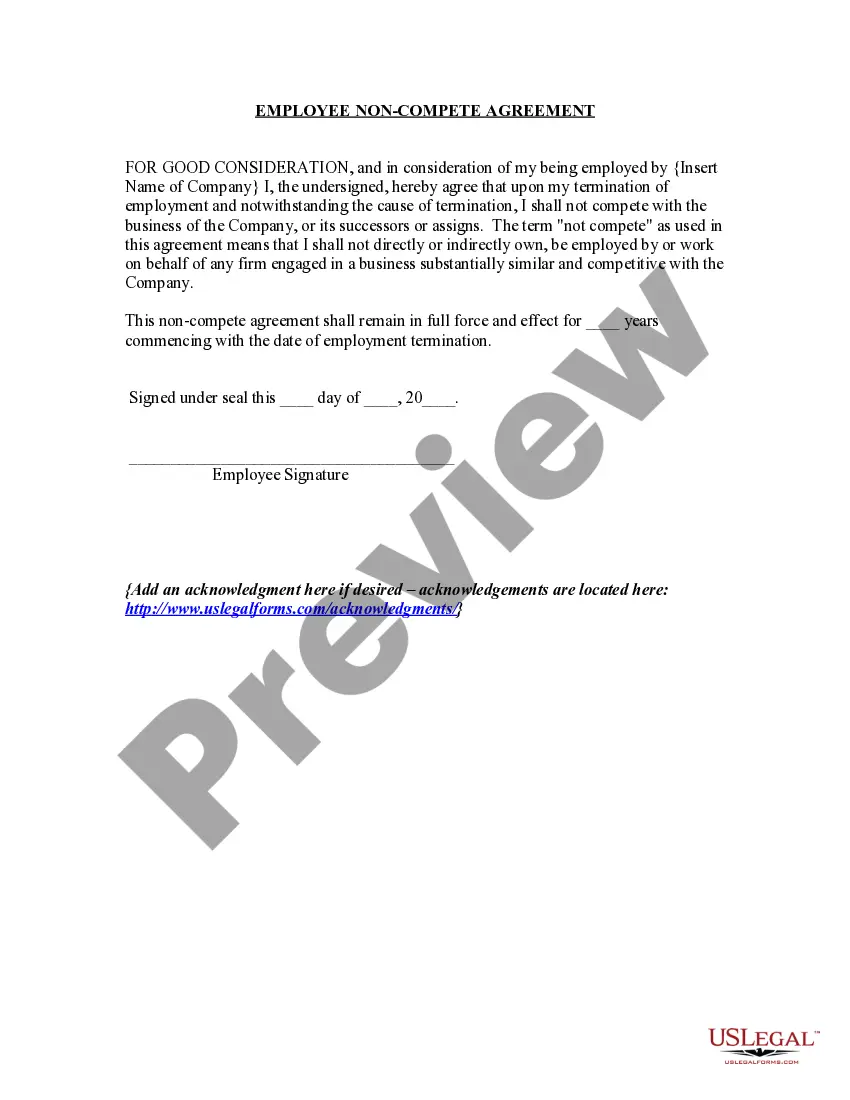
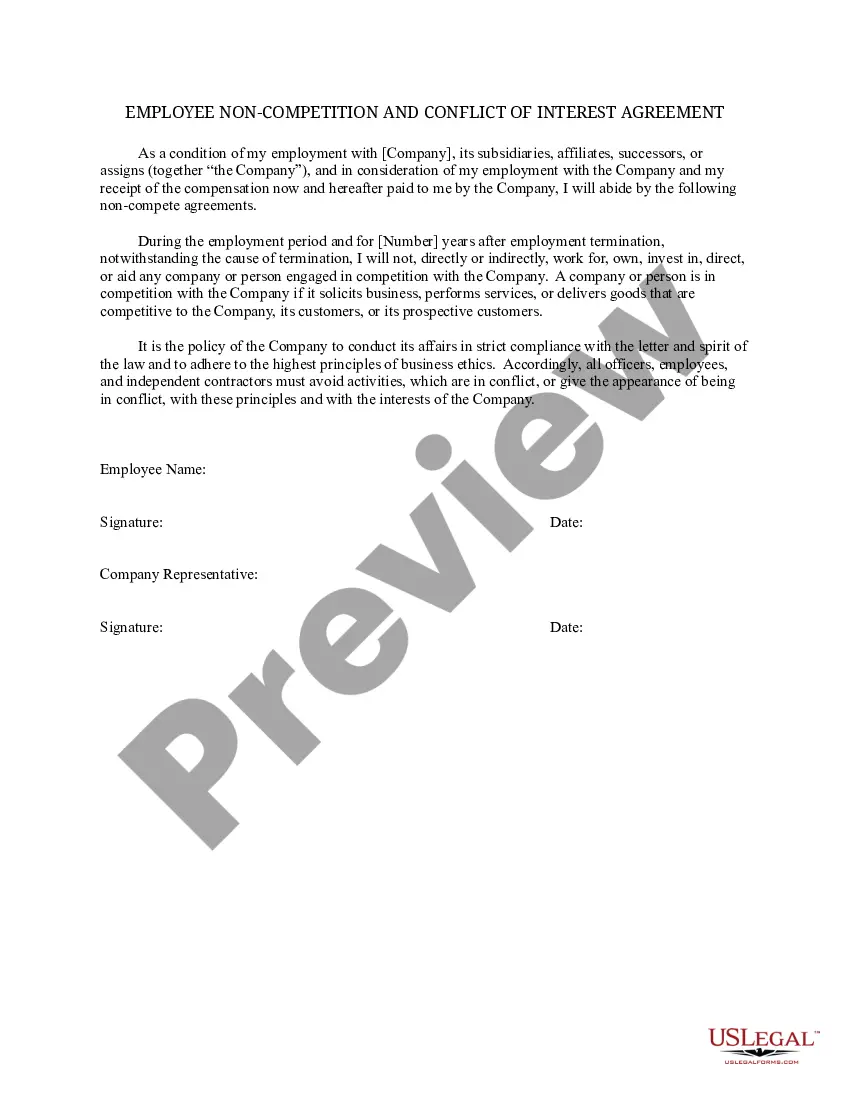
Get your form ready online
Our built-in tools help you complete, sign, share, and store your documents in one place.
Make edits, fill in missing information, and update formatting in US Legal Forms—just like you would in MS Word.
Download a copy, print it, send it by email, or mail it via USPS—whatever works best for your next step.
Sign and collect signatures with our SignNow integration. Send to multiple recipients, set reminders, and more. Go Premium to unlock E-Sign.
If this form requires notarization, complete it online through a secure video call—no need to meet a notary in person or wait for an appointment.
We protect your documents and personal data by following strict security and privacy standards.

Make edits, fill in missing information, and update formatting in US Legal Forms—just like you would in MS Word.

Download a copy, print it, send it by email, or mail it via USPS—whatever works best for your next step.

Sign and collect signatures with our SignNow integration. Send to multiple recipients, set reminders, and more. Go Premium to unlock E-Sign.

If this form requires notarization, complete it online through a secure video call—no need to meet a notary in person or wait for an appointment.

We protect your documents and personal data by following strict security and privacy standards.
Looking for another form?





Form popularity
FAQ
Compensation: An employer must offer some benefit to the employee in exchange for limiting future opportunities. For new employees, the job offer itself is generally considered sufficient compensation. Still, existing employees asked to sign a covenant not to compete may be entitled to a raise or promotion.
Non-compete agreements are generally taxed as ordinary income to the seller, which from the seller's perspective is less than desirable. But, for a buyer, it is expensed as incurred, which is desirable for the buyer but not the seller.
Non-compete agreements can represent between 0.3% to 7.0% of the value of an acquired business enterprise, depending on the industry segment. The upcoming FTC rule to ban most of these agreements starting in September 2024 could significantly alter the market dynamics and perceived value of these agreements.
Reasonableness: Non-compete agreements must be reasonable in terms of their scope and duration. This means that the restrictions must be no broader than necessary to protect the legitimate business interests of the employer, such as protecting trade secrets, confidential information, and/or customer relationships.
While Texas courts generally disfavor non-compete agreements, they will enforce a non-compete covenant if it is executed for valid consideration, contains reasonable geographic, temporal, and activity restrictions, and protects the employer's legitimate business interests.
At Xite Realty, we always recommend our clients hire attorneys to review legal documents before signing. Negotiate the smallest non-compete radius. A reasonable non-compete radius should be between three to five miles. We've seen radius as large as 20 miles!
Legal Actions Employers May Take. If an employee violates their non-compete agreement, an employer may take various legal actions. One of the more common remedies sought by employers is an injunction to prohibit the employee from further engaging in activities that contravene the agreement.
One of the responsibilities is to liquidate the company and one of the rights is to enforce contracts. So theoretically, the company, even if it is closed, could attempt to enforce the non-compete and it may have a responsibility to do so for the benefit of the owners of the company.
Several factors can void or limit the enforceability of a non-compete agreement, including overly broad restrictions, unreasonable time frames or geographical limits, lack of consideration (such as compensation or job opportunities provided in exchange for the agreement), and violation of public policy.
The General Rule in California: Covenants Not to Compete Are Not Enforceable. Any discussion of California law on non-compete agreements starts with the general principle. As the California Supreme Court ruled in its landmark decision on the topic, Edwards v. Arthur Andersen LLP, 44 Cal.
