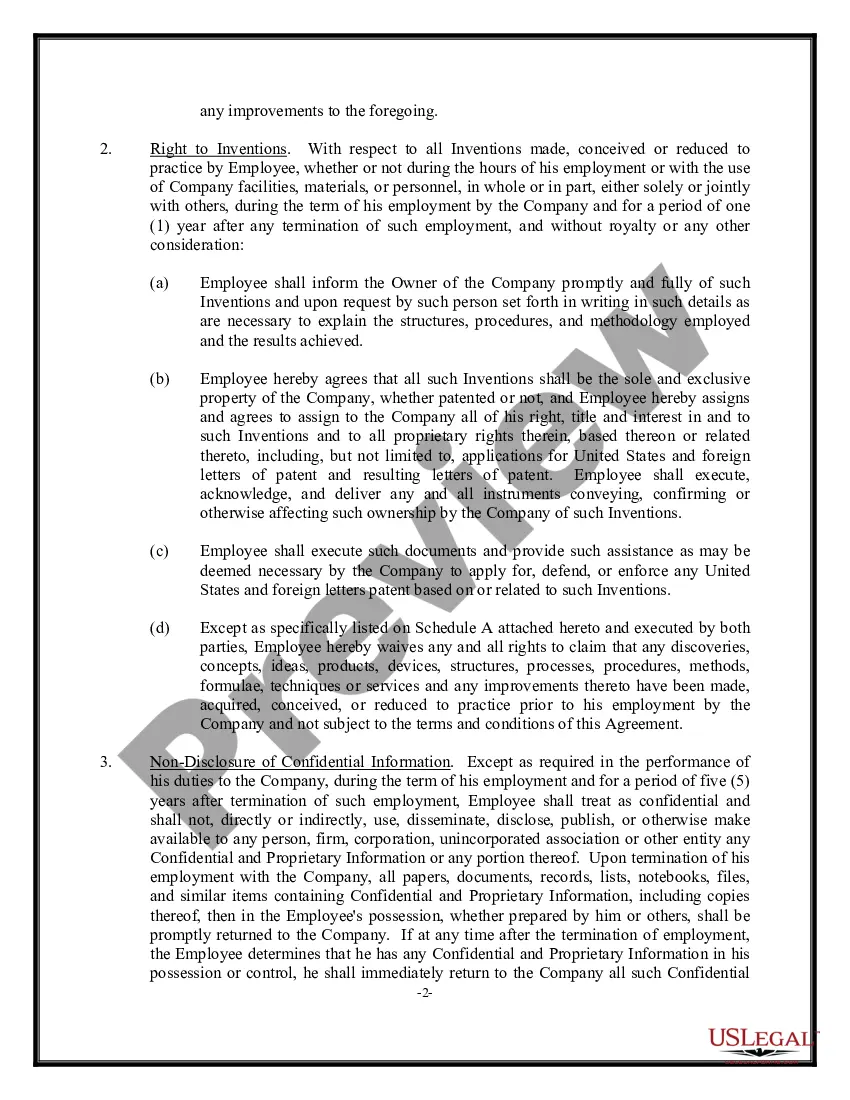
Types Of Unfair Competition In Philadelphia
Description
Get your form ready online
Our built-in tools help you complete, sign, share, and store your documents in one place.
Make edits, fill in missing information, and update formatting in US Legal Forms—just like you would in MS Word.
Download a copy, print it, send it by email, or mail it via USPS—whatever works best for your next step.
Sign and collect signatures with our SignNow integration. Send to multiple recipients, set reminders, and more. Go Premium to unlock E-Sign.
If this form requires notarization, complete it online through a secure video call—no need to meet a notary in person or wait for an appointment.
We protect your documents and personal data by following strict security and privacy standards.

Make edits, fill in missing information, and update formatting in US Legal Forms—just like you would in MS Word.

Download a copy, print it, send it by email, or mail it via USPS—whatever works best for your next step.

Sign and collect signatures with our SignNow integration. Send to multiple recipients, set reminders, and more. Go Premium to unlock E-Sign.

If this form requires notarization, complete it online through a secure video call—no need to meet a notary in person or wait for an appointment.

We protect your documents and personal data by following strict security and privacy standards.
Looking for another form?

Form popularity
FAQ
One popular type of unfair advantage is developing unique characteristics of your product and treating them as a trade secret or protecting them with IP laws to prevent others from copying them. Coca-Cola is famous for keeping the secret recipe for its drink to the point that this is now part of its brand story.
“Unfair competition is any unlawful, unfair or fraudulent business act or practice and unfair, deceptive, untrue or misleading advertising.”
For example: trademark infringement and misappropriation (which often invokes the Right of Publicity). It is helpful to think of examples of unfair competition rather than attempt to define the term in the abstract. Other practices that fall into the area of unfair competition include: false advertising.
Two common examples of unfair competition are trademark infringement and misappropriation . The right to publicity is often invoked in misappropriation issues. Other practices that fall into the area of unfair competition include: False advertising.
Two common examples of unfair competition are trademark infringement and misappropriation .
Unfair competition is conduct by a market participant which gains or seeks to gain an advantage over its rivals through misleading, deceptive, dishonest, fraudulent, coercive or unconscionable conduct in trade or commerce.
Named Acts of Unfair Competition These are actions specifically defined in the Law, such as: -product imitation, -service imitation, -bribery, -hindering access to the market -unfair advertising.
Fair competition requires the prevention of unlawful acts as well as acts that are contrary to honest practices. In cases of unfair competition, competitors and consumers' associations are allowed claims under civil law for the elimination of unlawful acts under the Federal Act against Unfair Competition 1984 (UWG).
The meaning of unfair competition can vary depending on jurisdiction and specific circumstances, but it generally involves practices that mislead consumers, damage a competitor's reputation, or improperly appropriate the efforts or goodwill of another business.
Unfair competition is a deceptive or wrongful business practice that harms consumers or a business. Unfair competition is a business tort designed to stop unfair practices from creating a competitive advantage. Federal and state laws, like antitrust laws, protect businesses' efforts to stand out from their competitors.