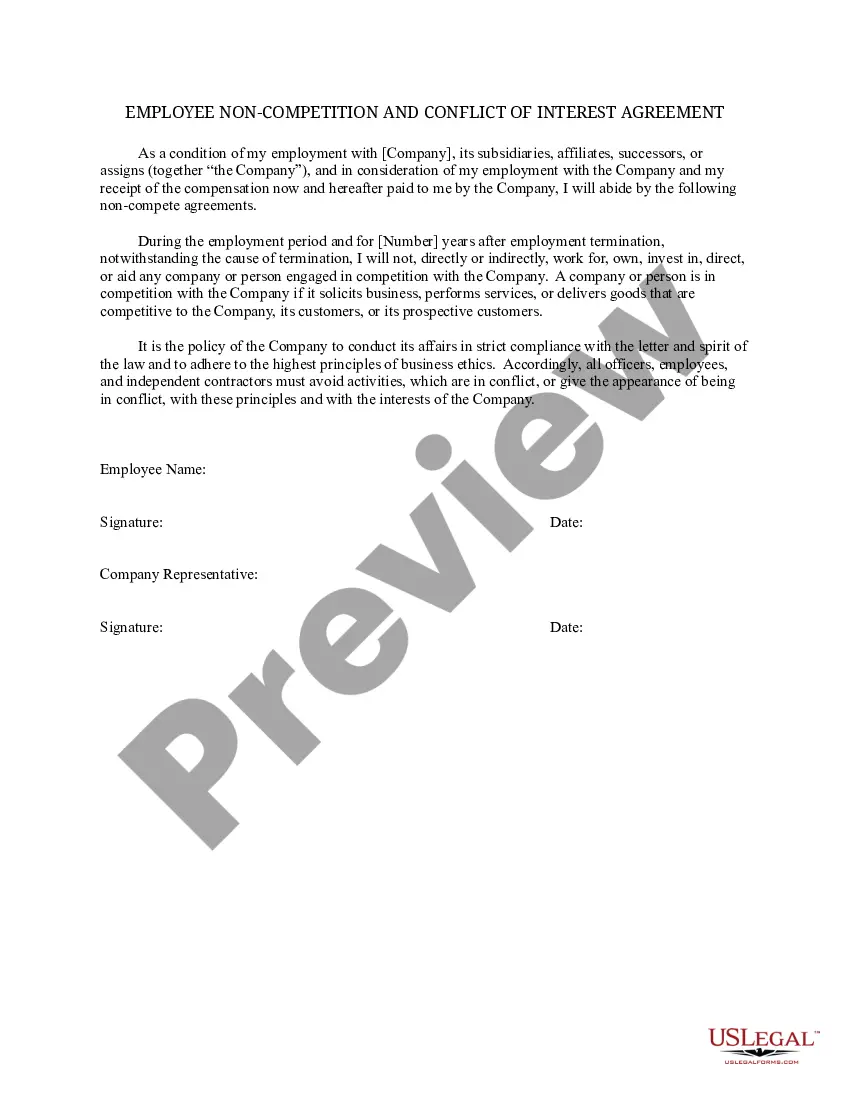
Competition Non Competition For Resources In Orange
Description

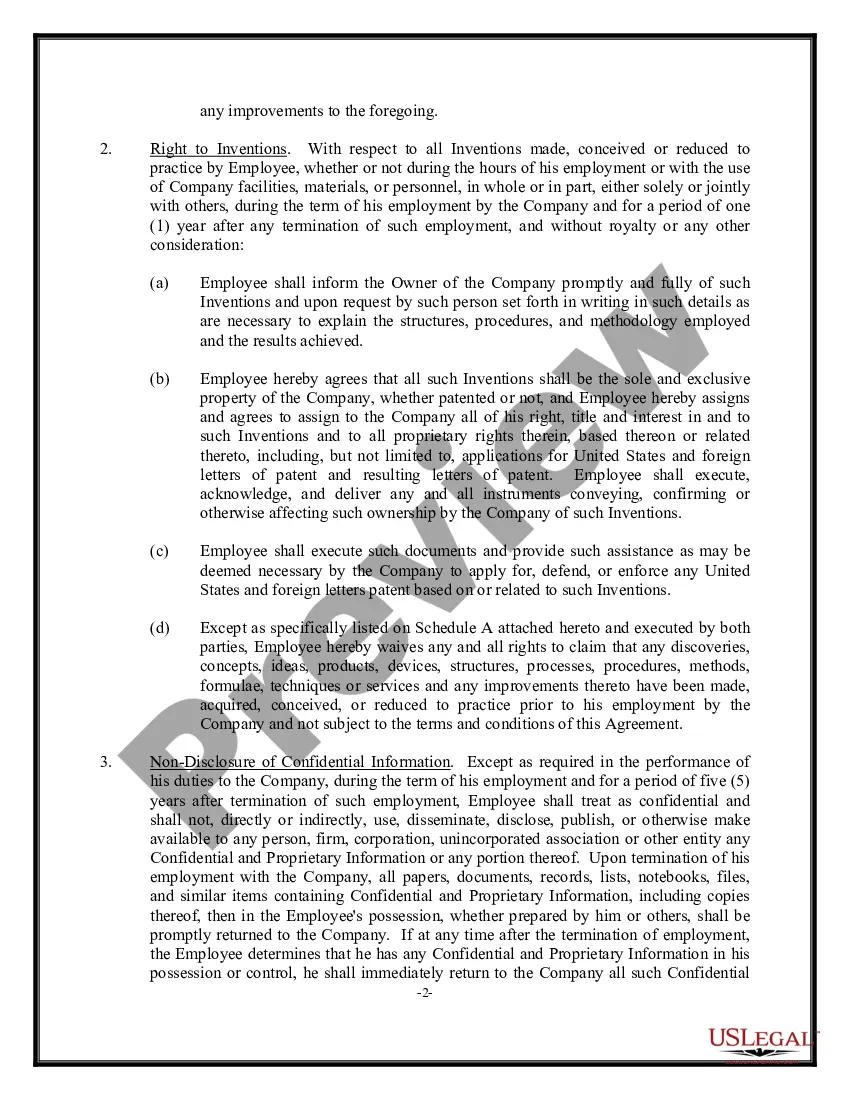
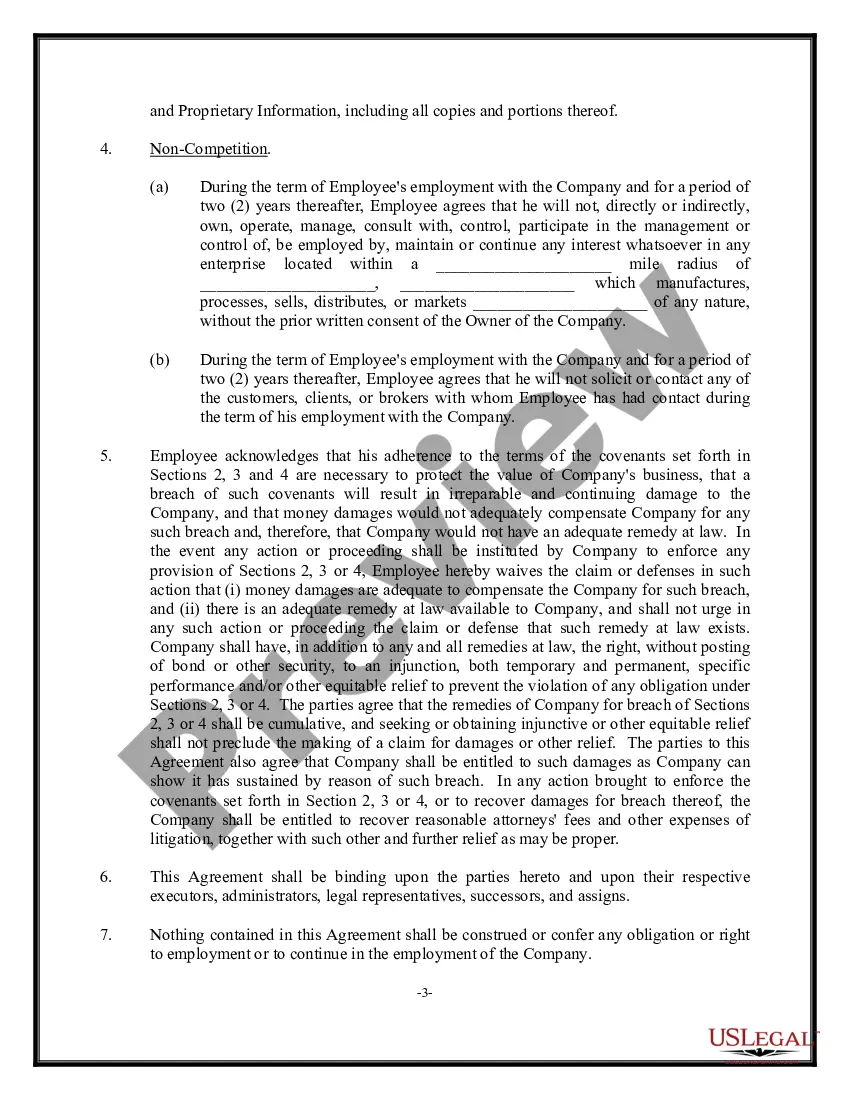
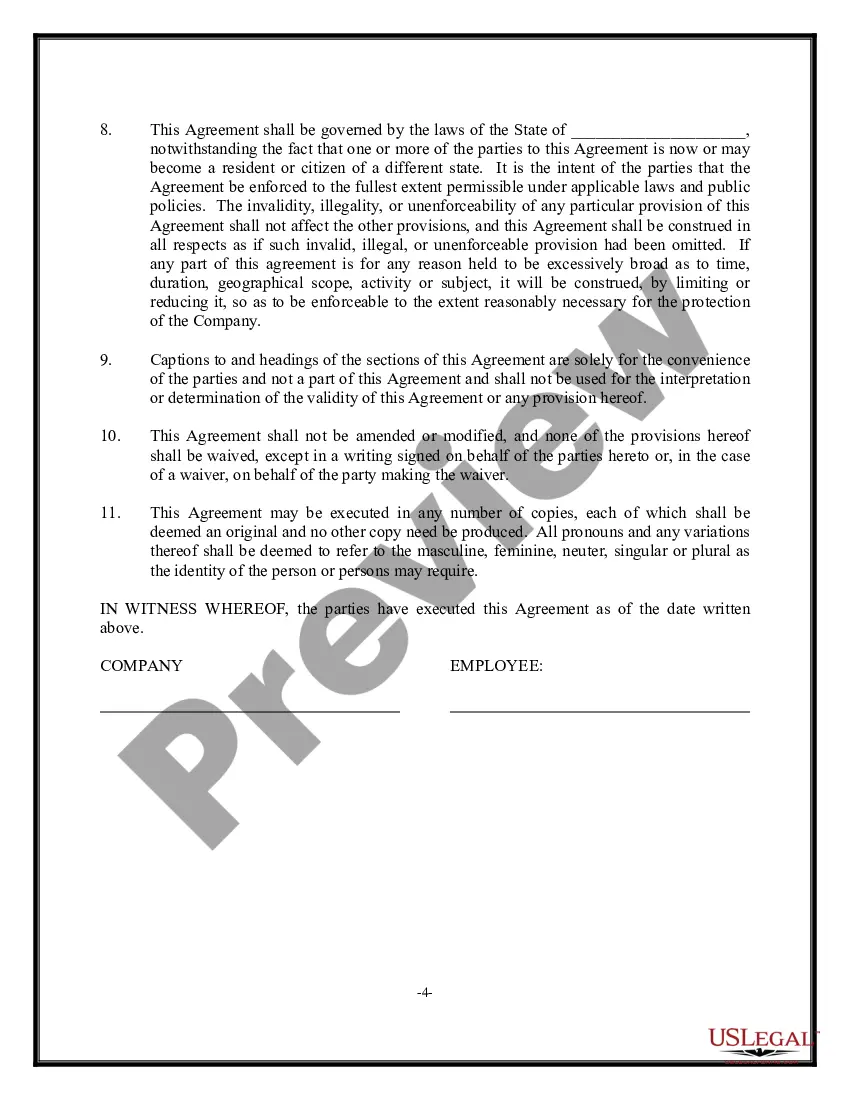
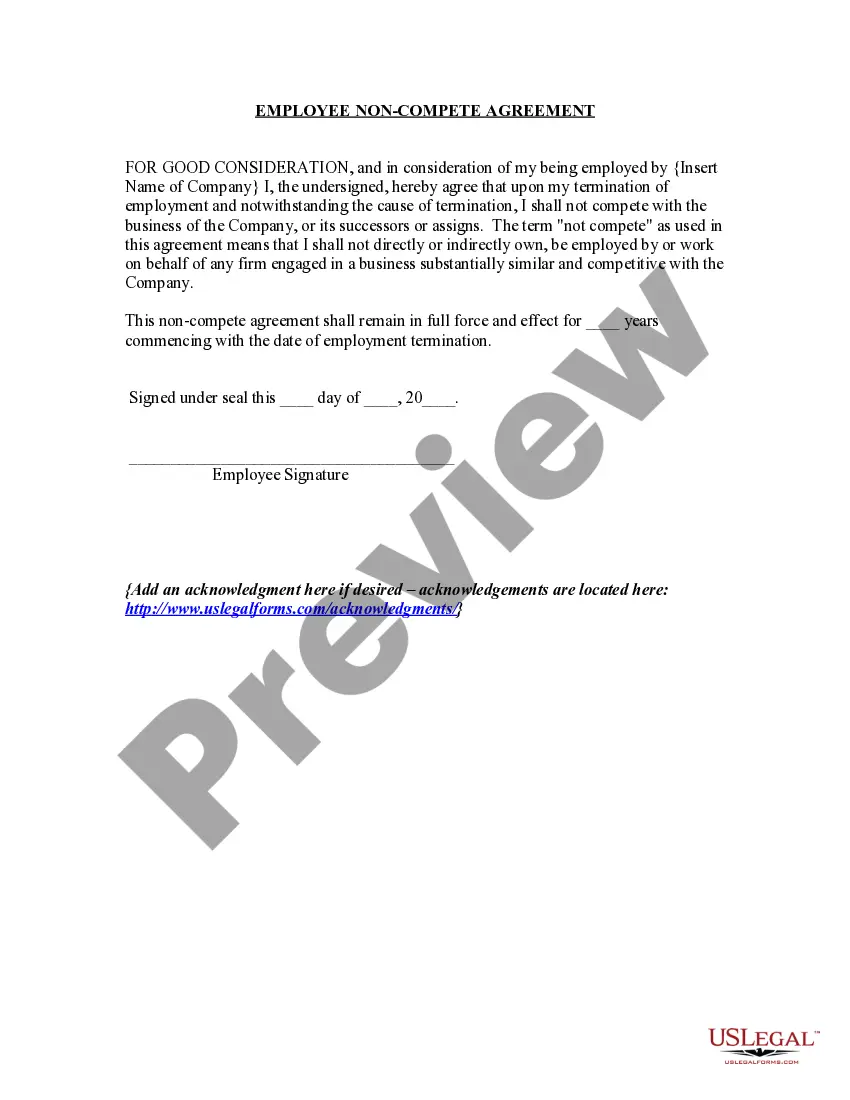
Get your form ready online
Our built-in tools help you complete, sign, share, and store your documents in one place.
Make edits, fill in missing information, and update formatting in US Legal Forms—just like you would in MS Word.
Download a copy, print it, send it by email, or mail it via USPS—whatever works best for your next step.
Sign and collect signatures with our SignNow integration. Send to multiple recipients, set reminders, and more. Go Premium to unlock E-Sign.
If this form requires notarization, complete it online through a secure video call—no need to meet a notary in person or wait for an appointment.
We protect your documents and personal data by following strict security and privacy standards.

Make edits, fill in missing information, and update formatting in US Legal Forms—just like you would in MS Word.

Download a copy, print it, send it by email, or mail it via USPS—whatever works best for your next step.

Sign and collect signatures with our SignNow integration. Send to multiple recipients, set reminders, and more. Go Premium to unlock E-Sign.

If this form requires notarization, complete it online through a secure video call—no need to meet a notary in person or wait for an appointment.

We protect your documents and personal data by following strict security and privacy standards.
Looking for another form?








Form popularity
FAQ
An example among animals could be the case of cheetahs and lions; since both species feed on similar prey, they are negatively impacted by the presence of the other because they will have less food, however, they still persist together, despite the prediction that under competition one will displace the other.
Several factors can void or limit the enforceability of a non-compete agreement, including overly broad restrictions, unreasonable time frames or geographical limits, lack of consideration (such as compensation or job opportunities provided in exchange for the agreement), and violation of public policy.
LEGAL OVERVIEW Restraints on trade, such as noncompetes, are disfavored. However, Tennessee courts will uphold noncompetes in certain situations. First, the agreement must be supported by consideration. Second, the employer must have an interest that can only be protected through enforcement of the noncompete.
The trick is that the agreement doesn't terminate at the end of your time with that company. By signing a non-compete agreement, you are agreeing to not work as a competitor even after your employment with the company has ended. In most cases, it does not matter whether you were laid off, fired, or if you resigned.
Competition will occur between organisms in an ecosystem when their niches overlap, they both try to use the same resource and the resource is in short supply. Animals compete for food, water and space to live.
Enforceability in Tennessee Courts Non-compete agreements are generally not favored by the courts in Tennessee, which view them as a “restraint of trade.” Unless the departing employee committed some kind of gross or obvious breach, non-compete or restrictive covenants are not always enforceable in Tennessee.
Typically, the only way to fight a non-compete agreement is to go to court. If you are an employee (or former employee) who signed such an agreement, this means you must violate the agreement and wait to be sued. It may be that your former employer has never sued another employee to enforce the non-compete agreement.
If the restriction on the employee is for an unusually long period of time, there's going to be a problem. One to two years is typically reasonable, while three to five years is unlikely to be upheld by a court.
I am currently a head fitness coach at orange theory fitness. They are a heart rate based interval training studio. They have a non-compete as well.
The FTC Rule was slated to have an effective date of September 4, 2024. However, on August 20, 2024, the United States District Court for the Northern District of Texas granted summary judgment to the plaintiff in Ryan LLC v. FTC, enjoining the FTC from implementing and enforcing its Rule.
