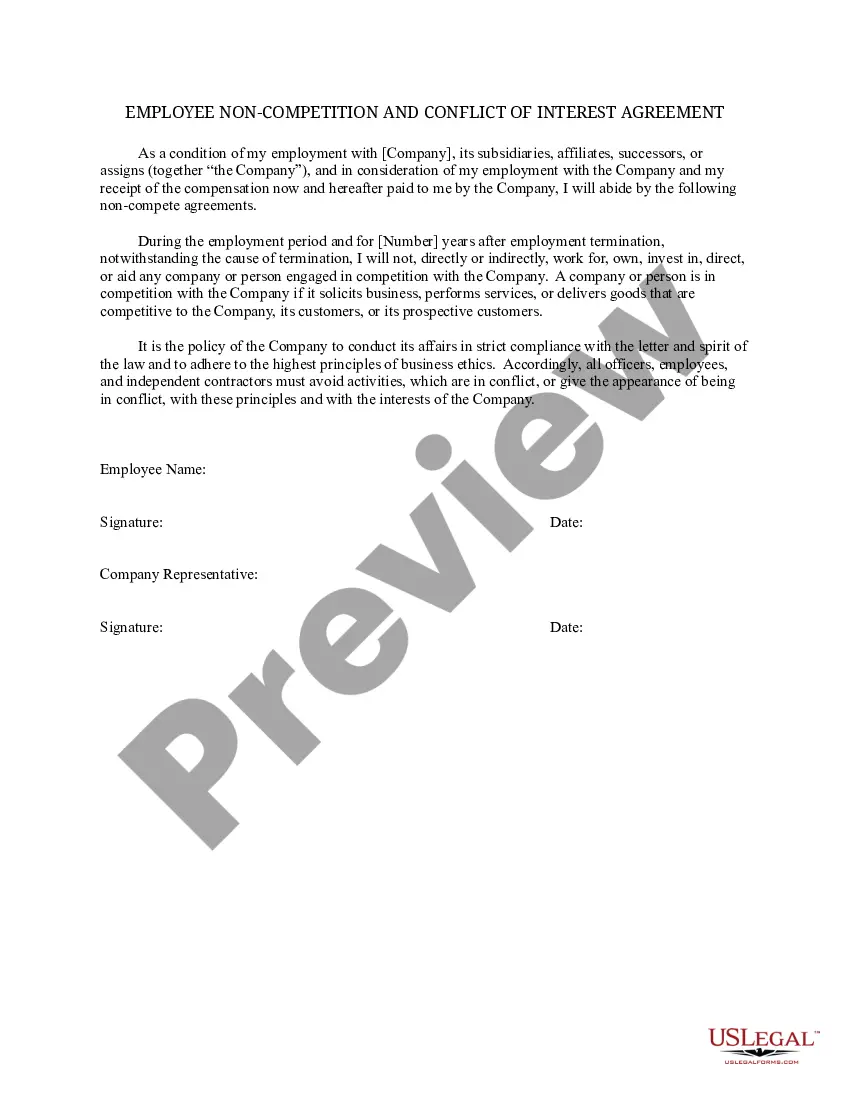
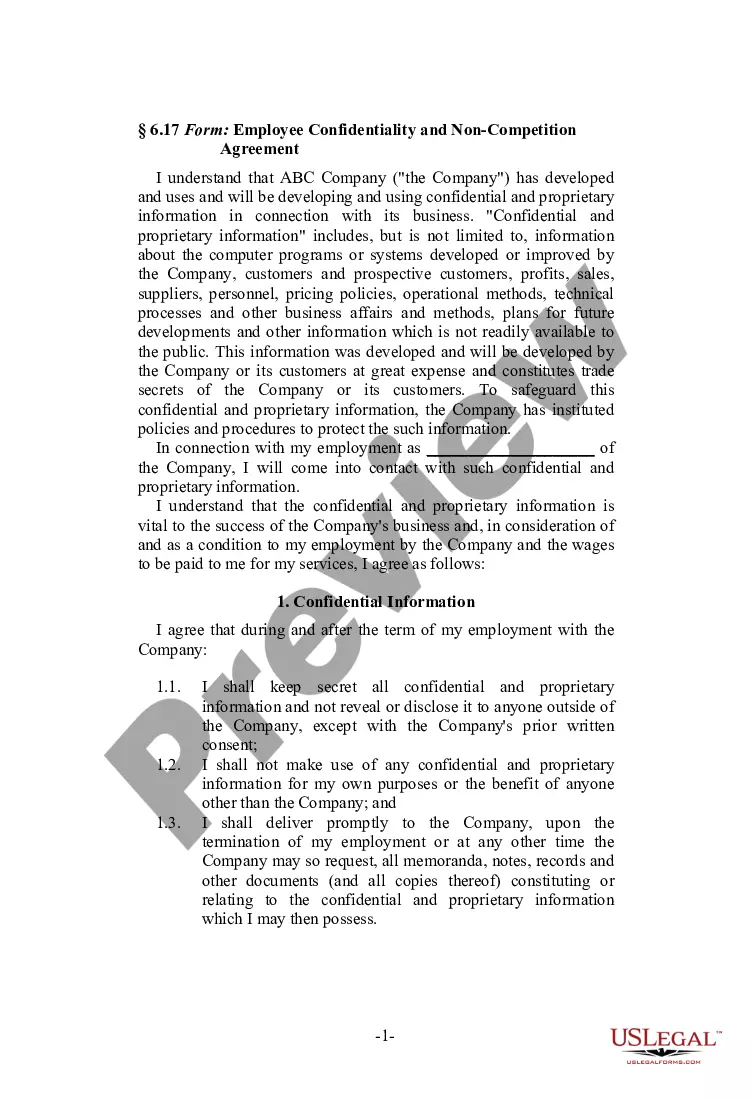
Competition Noncompetition For 50 In New York
Description

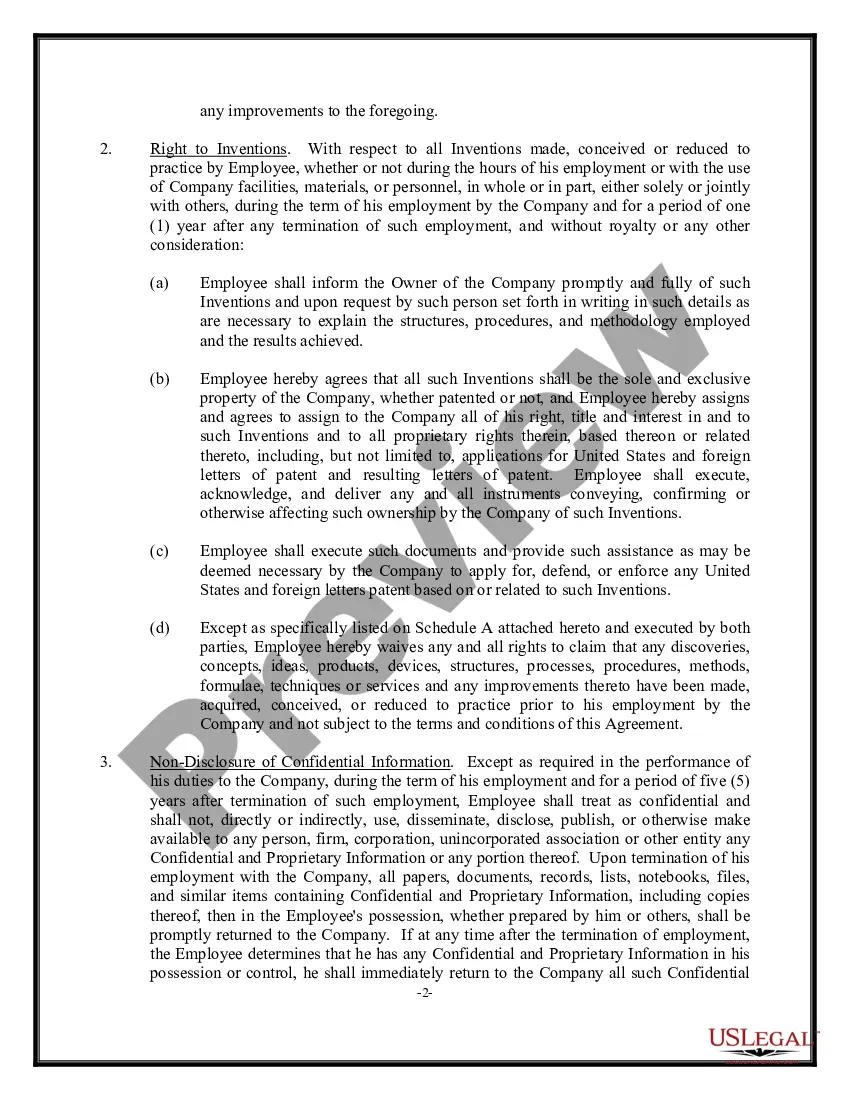
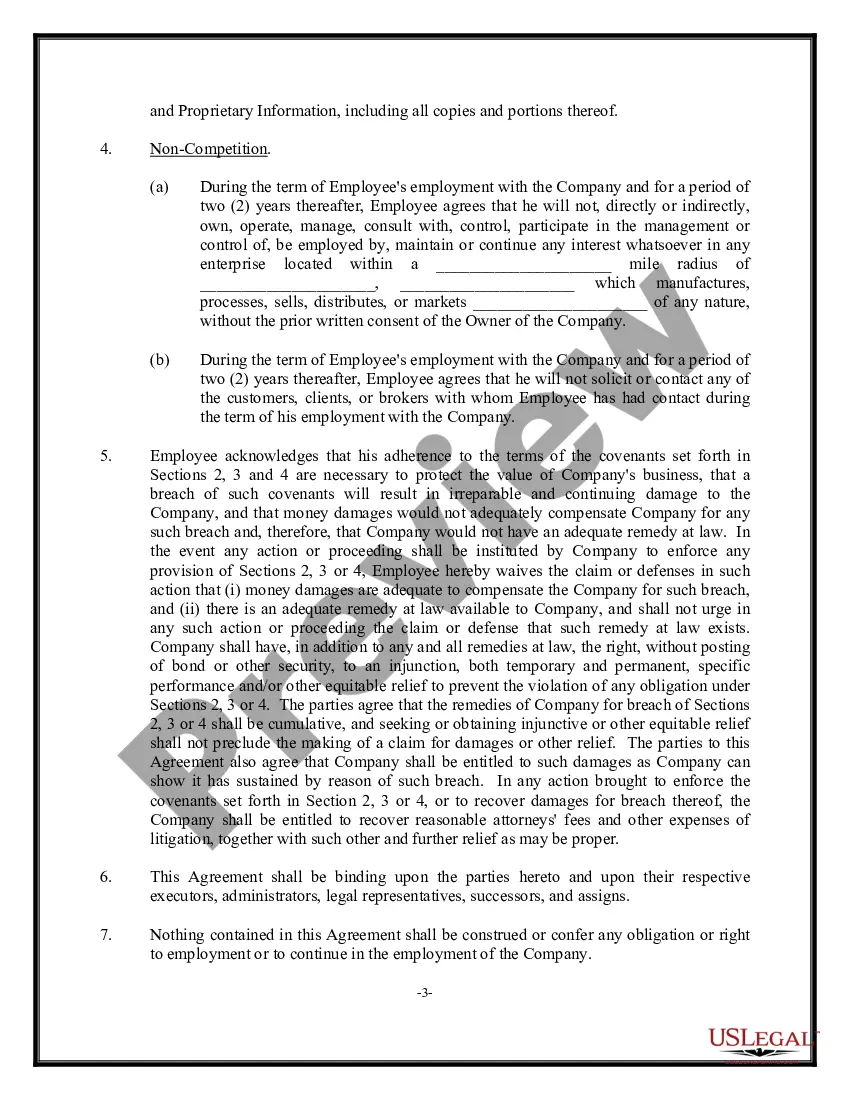
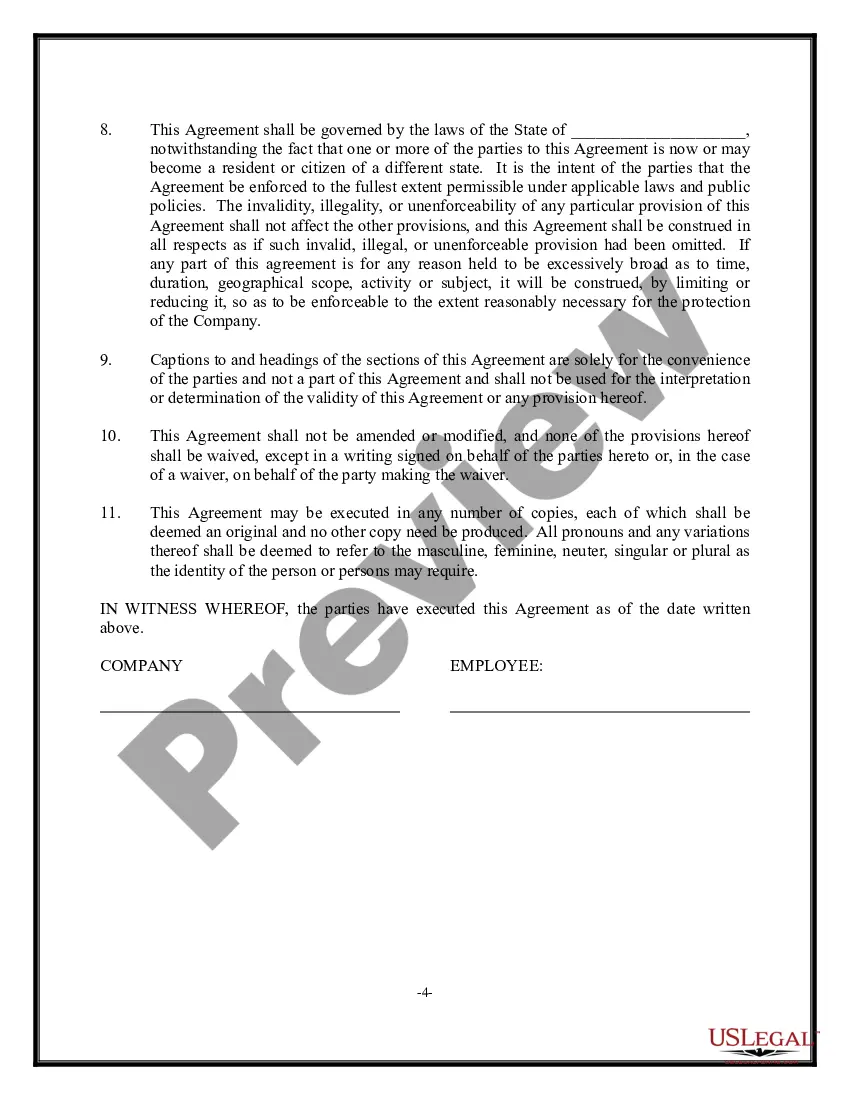
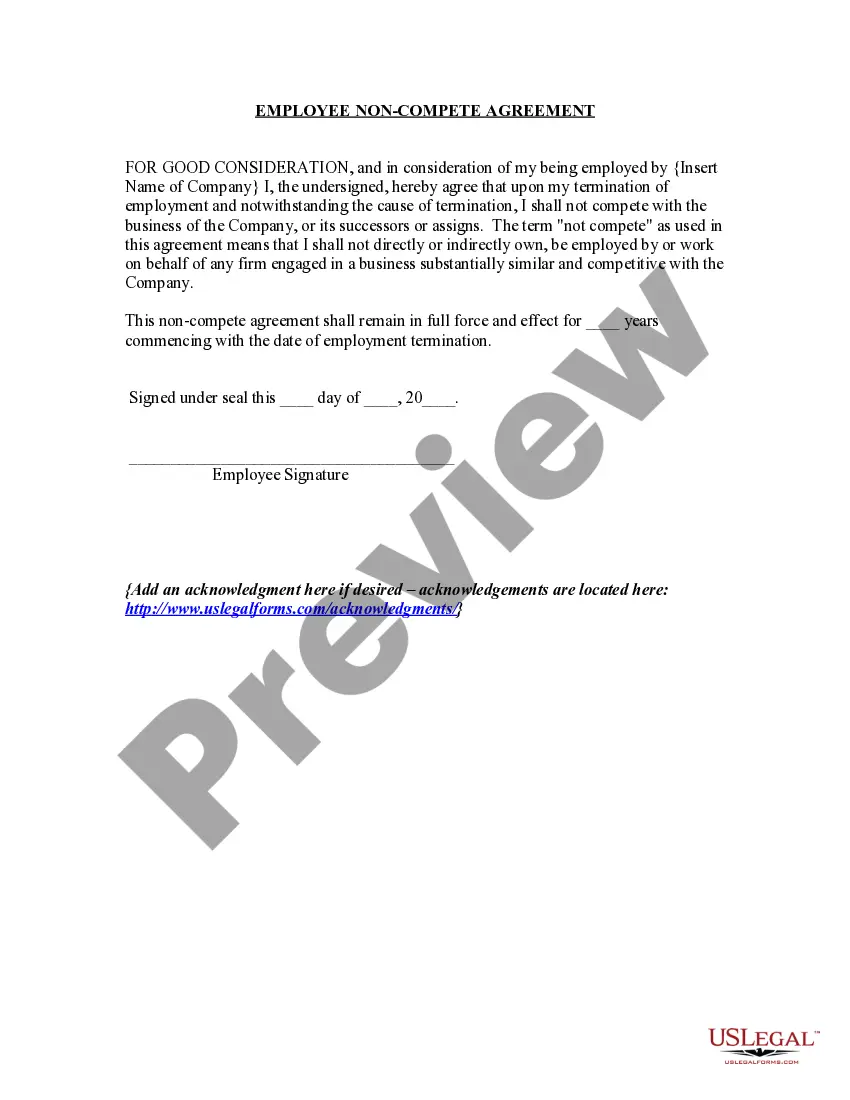
Get your form ready online
Our built-in tools help you complete, sign, share, and store your documents in one place.
Make edits, fill in missing information, and update formatting in US Legal Forms—just like you would in MS Word.
Download a copy, print it, send it by email, or mail it via USPS—whatever works best for your next step.
Sign and collect signatures with our SignNow integration. Send to multiple recipients, set reminders, and more. Go Premium to unlock E-Sign.
If this form requires notarization, complete it online through a secure video call—no need to meet a notary in person or wait for an appointment.
We protect your documents and personal data by following strict security and privacy standards.

Make edits, fill in missing information, and update formatting in US Legal Forms—just like you would in MS Word.

Download a copy, print it, send it by email, or mail it via USPS—whatever works best for your next step.

Sign and collect signatures with our SignNow integration. Send to multiple recipients, set reminders, and more. Go Premium to unlock E-Sign.

If this form requires notarization, complete it online through a secure video call—no need to meet a notary in person or wait for an appointment.

We protect your documents and personal data by following strict security and privacy standards.
Looking for another form?







Form popularity
FAQ
Most New York courts will not enforce a non-compete agreement if the restriction is for over a year. For example, courts will generally find this time frame too long if the agreement attempts to restrict an employee for two years or more.
A noncompete agreement has the ability to threaten your future job prospects, prohibit you from using your hard earned skills and compromise your livelihood. Fortunately, it is unlawful for an employer to enforce non-compete agreements in California.
Summary: This bill would prohibit employers from entering into non-compete agreements with employees, and it would rescind any non-compete agreements that predate the effective date of this bill. Employers would be subject to a $500 civil penalty for each violation of this bill. Ver.
On April 23, 2024, the Federal Trade Commission issued its long-awaited Final Non-Compete Clause Rule, which operates to ban most post-employment non-compete agreements between employers and their workers.
New York courts will only enforce them in only very rare limited situations. As explained more below, we are able to defeat most non-compete agreements by using the Legitimate Business Interests Test. A court will only enforce a non-compete agreement if the company can satisfy this test and most companies cannot do so.
On April 23, 2024, the FTC passed a final rule to ban most non-compete clauses in employment agreements, finding such agreements to be unfair methods of competition (the “FTC Rule”). The FTC Rule was slated to have an effective date of September 4, 2024.
Takeaways. On December 23, 2023, Gov. Kathy Hochul vetoed the New York State Legislature's proposed ban on all new non-compete agreements. Despite the veto, Governor Hochul has left open the possibility of a statewide restriction on non-compete agreements for lower-wage workers.
Compensation: An employer must offer some benefit to the employee in exchange for limiting future opportunities. For new employees, the job offer itself is generally considered sufficient compensation. Still, existing employees asked to sign a covenant not to compete may be entitled to a raise or promotion.
The enforceability of non-compete agreements always depends on the facts of the case. If you violate the terms of the agreement, your employer may seek injunctive relief or monetary, punitive, or compensatory damages.
If you work in California and have signed a non-compete agreement, you're not bound by the agreement. If a company tries to enforce the agreement, California courts will generally refuse to enforce the provisions.
