Competition Noncompetition For 2023 In Michigan
Description

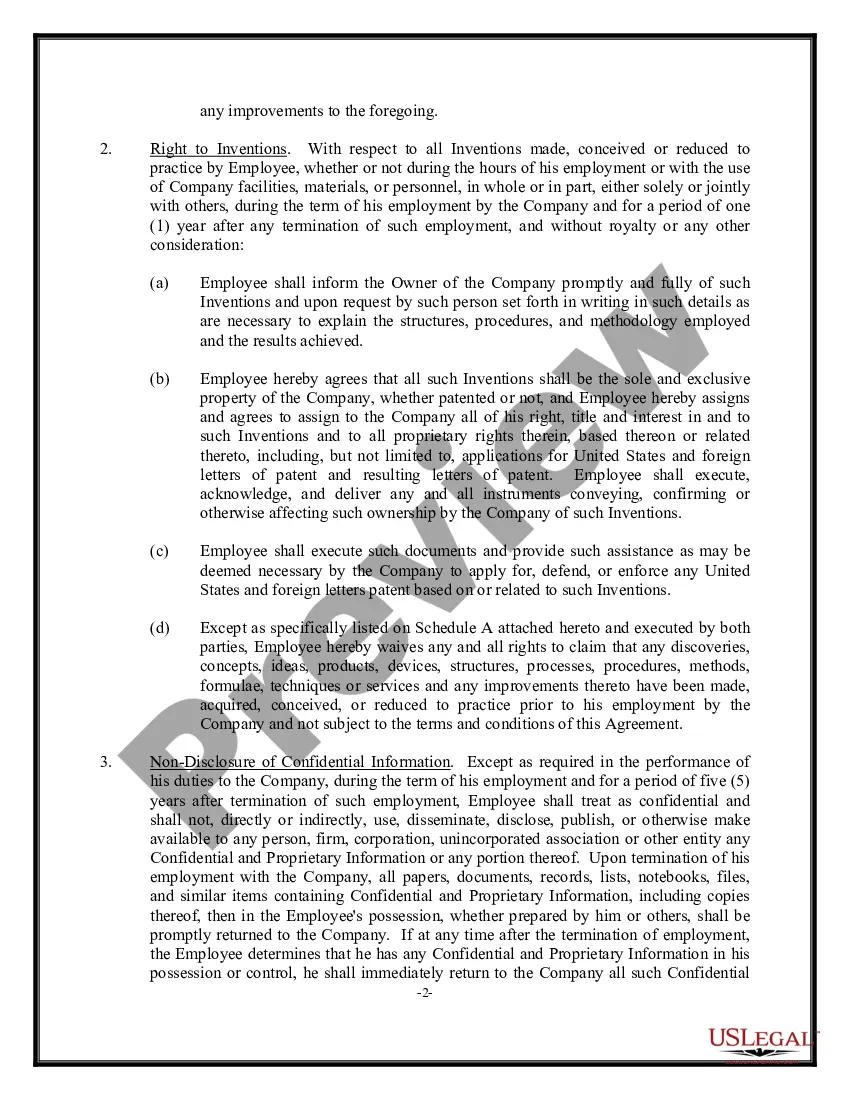
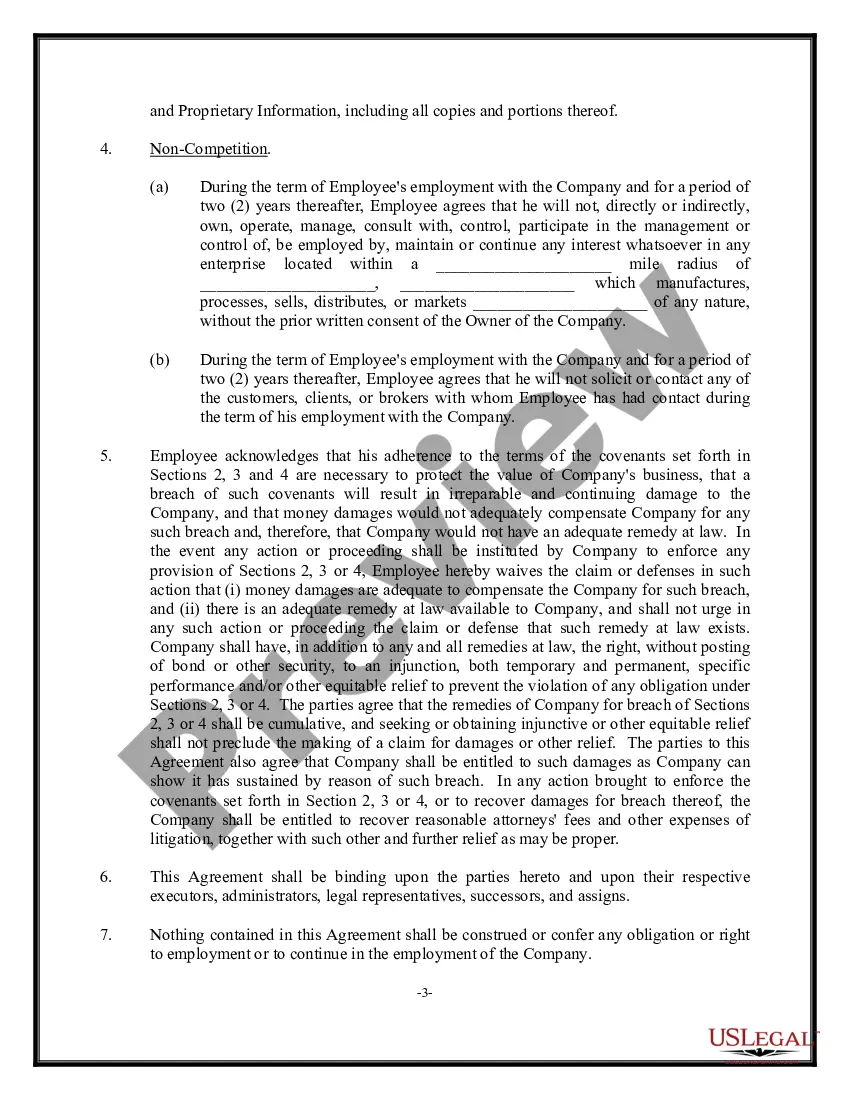
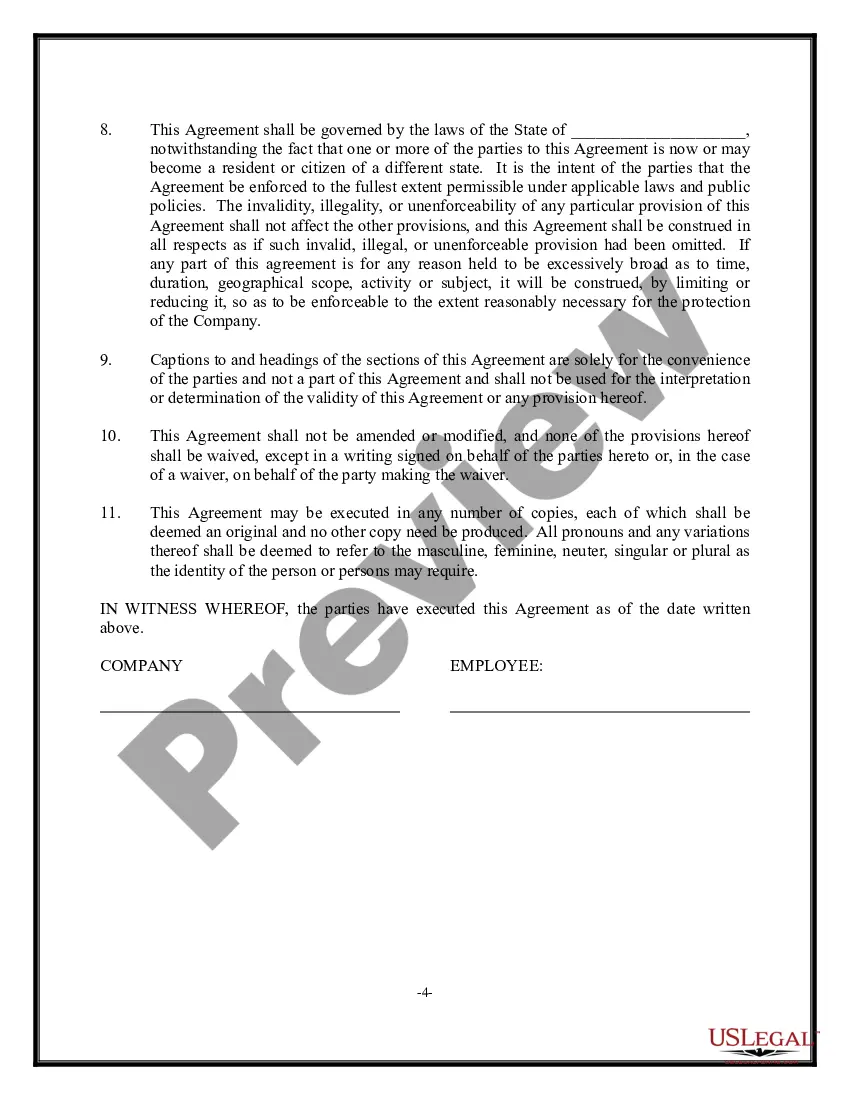
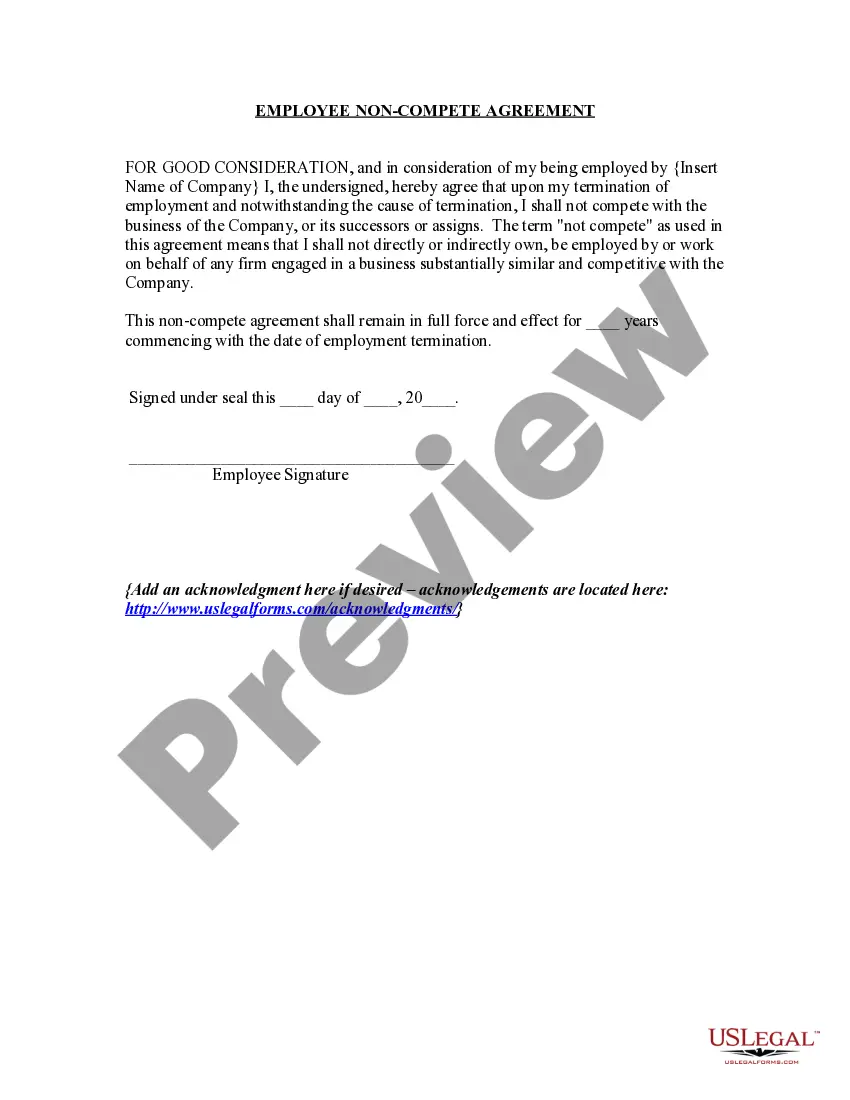
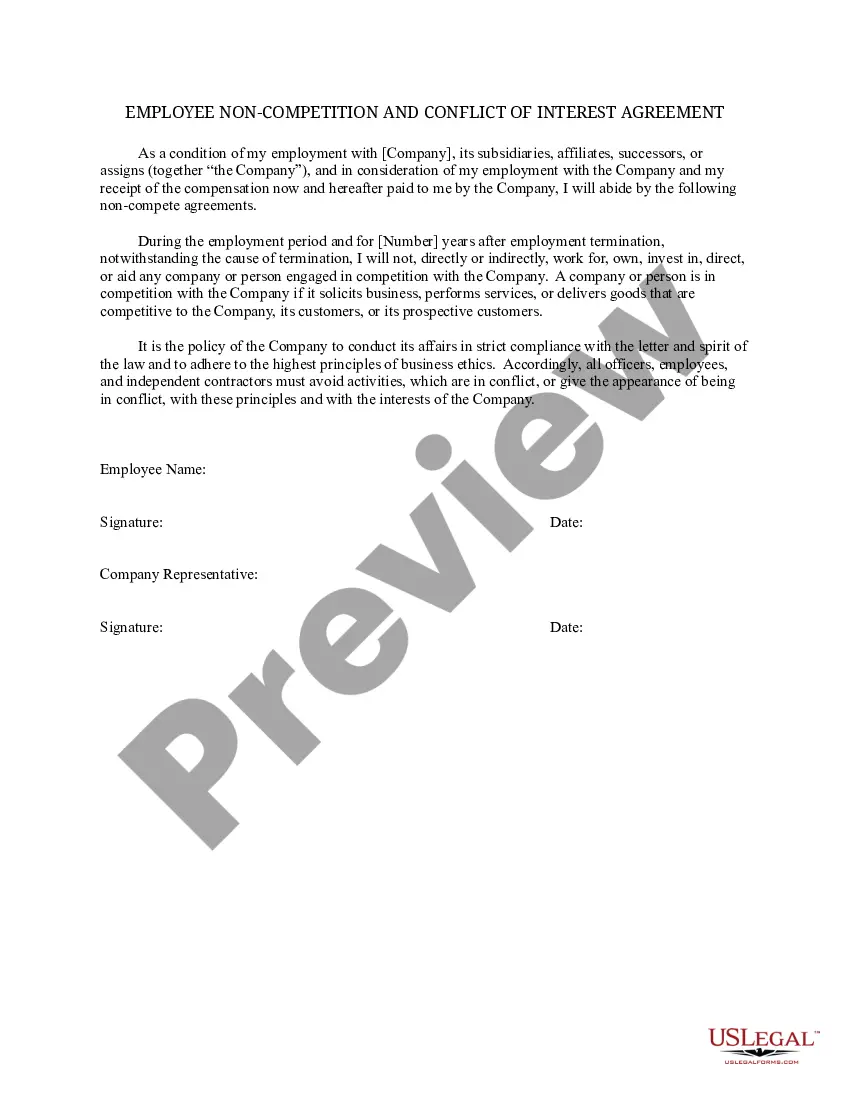
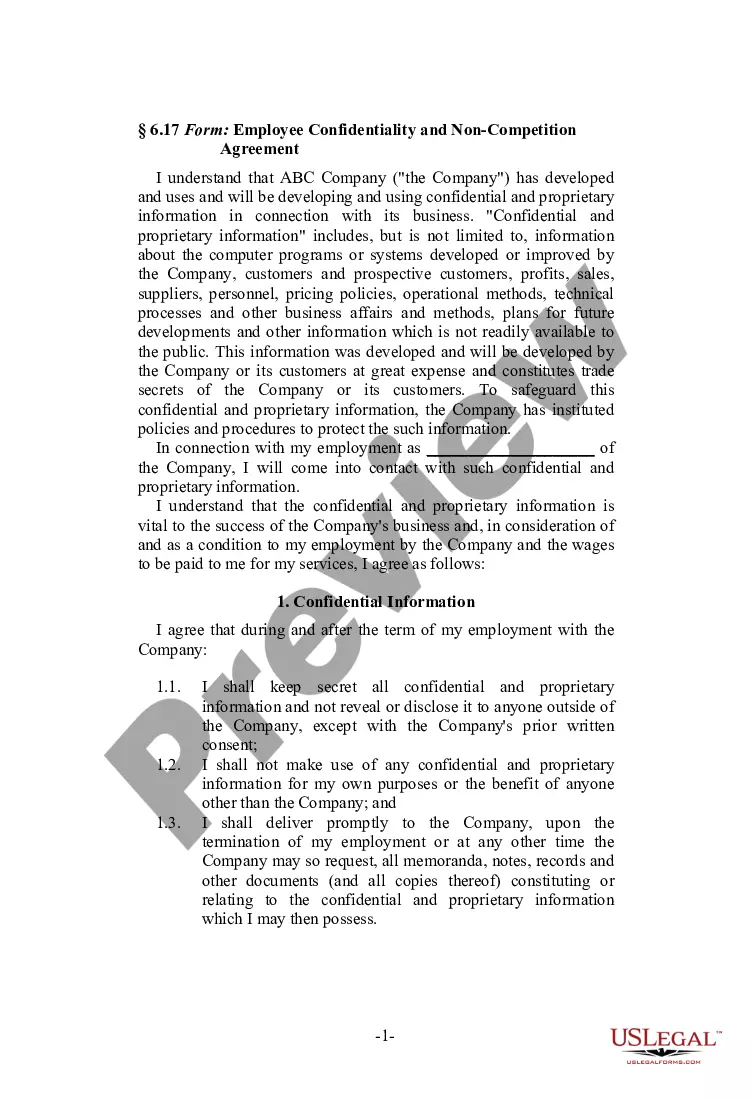
Get your form ready online
Our built-in tools help you complete, sign, share, and store your documents in one place.
Make edits, fill in missing information, and update formatting in US Legal Forms—just like you would in MS Word.
Download a copy, print it, send it by email, or mail it via USPS—whatever works best for your next step.
Sign and collect signatures with our SignNow integration. Send to multiple recipients, set reminders, and more. Go Premium to unlock E-Sign.
If this form requires notarization, complete it online through a secure video call—no need to meet a notary in person or wait for an appointment.
We protect your documents and personal data by following strict security and privacy standards.

Make edits, fill in missing information, and update formatting in US Legal Forms—just like you would in MS Word.

Download a copy, print it, send it by email, or mail it via USPS—whatever works best for your next step.

Sign and collect signatures with our SignNow integration. Send to multiple recipients, set reminders, and more. Go Premium to unlock E-Sign.

If this form requires notarization, complete it online through a secure video call—no need to meet a notary in person or wait for an appointment.

We protect your documents and personal data by following strict security and privacy standards.
Looking for another form?









Form popularity
FAQ
One Year. One year covenants not to compete are routinely enforced in Michigan, assuming once again that the other terms of the covenant are reasonable and reasonably related to the employee's prior service.
Employers do enforce non-competes, but the extent varies. Some employers rigorously enforce these agreements to protect their business interests, while others may choose not to pursue legal action.
In Michigan, non-compete agreements are generally enforceable if they are reasonable in scope, duration, and geographical limitation. They must also protect a legitimate business interest, such as trade secrets or customer relationships.
1 Michigan courts continually uphold and enforce non-competes. 2 However, recent non-competes in Michigan have been subject to debate because of the many disadvantages such clauses pose to employees.
Many Michigan businesses require their employees to sign non-compete agreements. Although many people assume these types of agreements are not enforceable, the fact is that non-compete agreements may be enforceable under Michigan so long as certain requirements are met.
Although disfavored in Michigan, they are not completely void. A noncompete agreement must be reasonably narrow, in that it protects an employer's reasonable competitive business interests. It must be reasonable in its duration, geographical area and the type of employment or line of business.
“(The rule) is hereby SET ASIDE and shall not be enforced or otherwise take effect on September 4, 2024, or thereafter.”
The simplest way to get out of that kind of contract is merely to ask them to release your from it. If they refuse, you might need to get a lawyer to aid you in doing so. Non-compete contracts usually have penalties specified and certainly have durations. A contract that the courts deem to be unfair can be nullified.
On April 23, 2024, the FTC passed a final rule to ban most non-compete clauses in employment agreements, finding such agreements to be unfair methods of competition (the “FTC Rule”). The FTC Rule was slated to have an effective date of September 4, 2024.