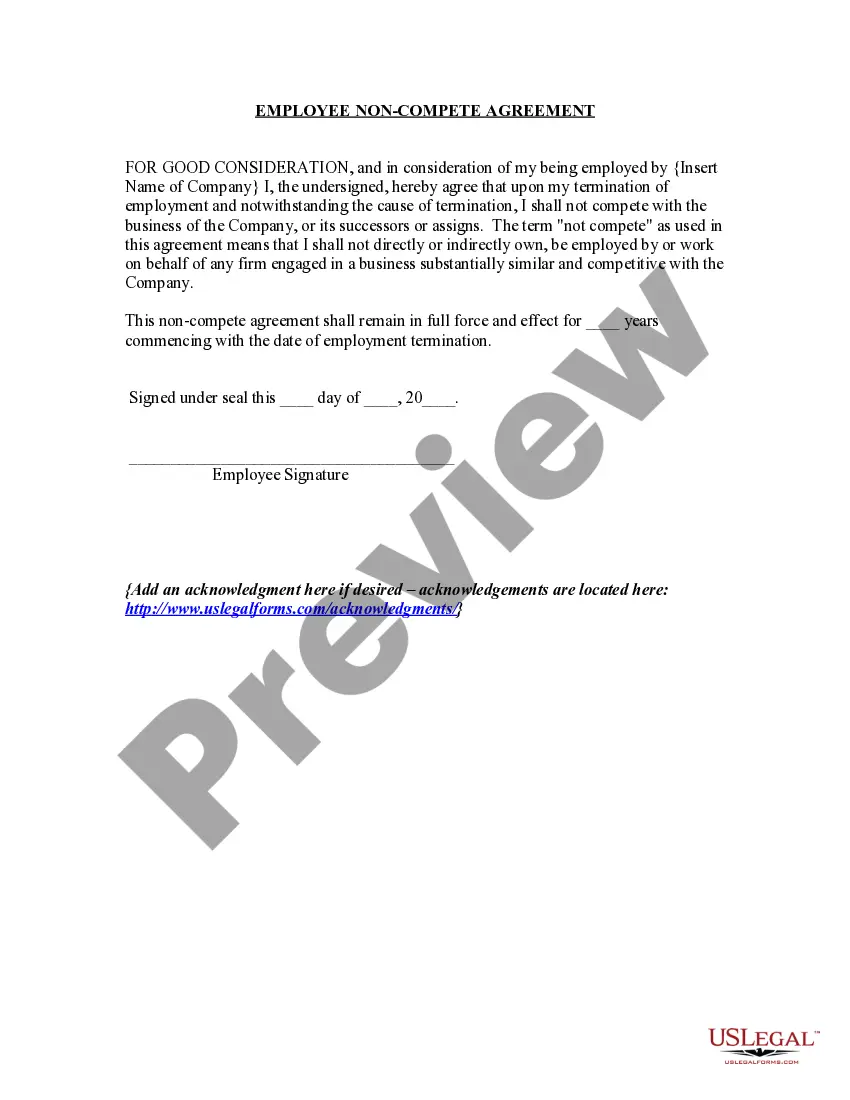
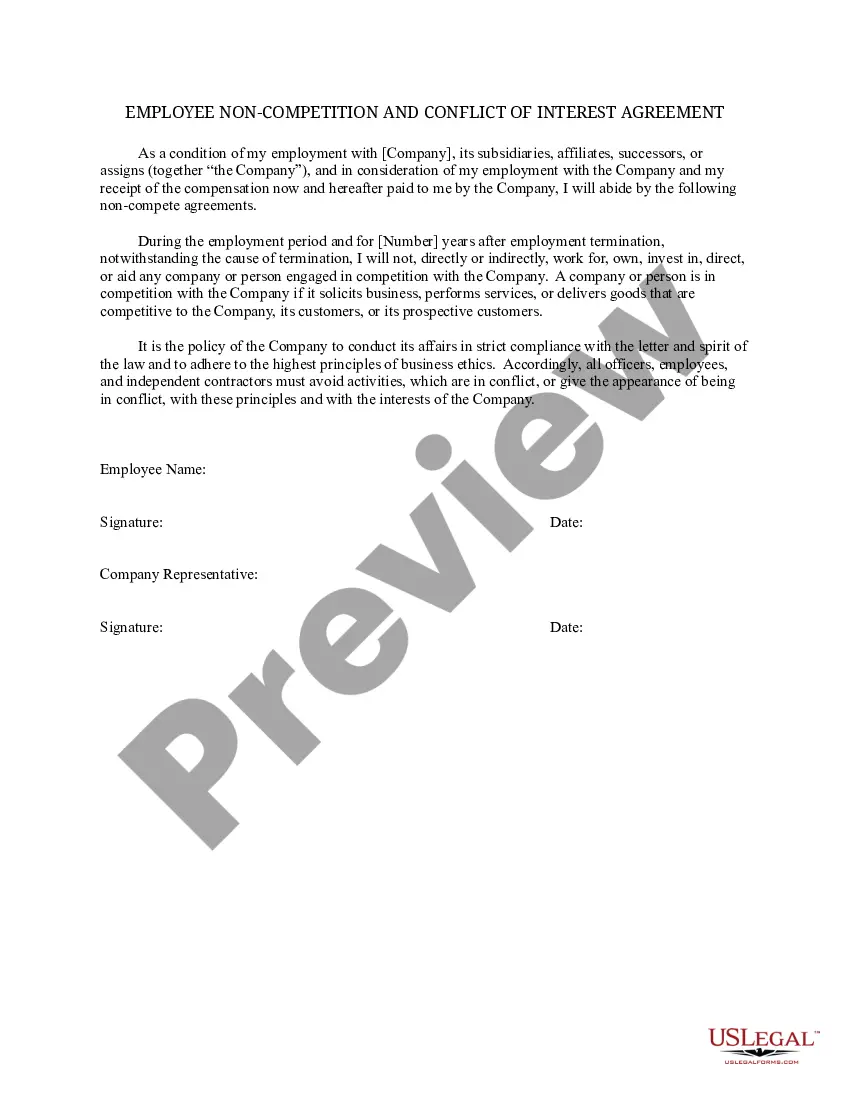
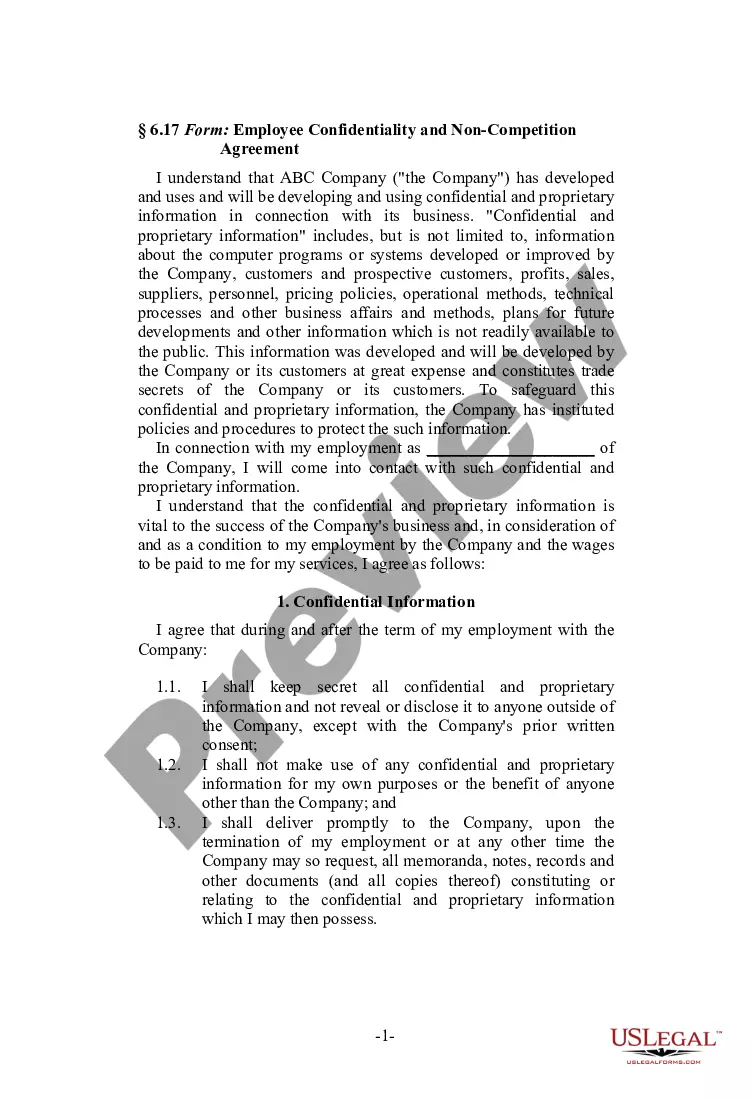
Competition Noncompetition Within A Company In Houston
Description

Get your form ready online
Our built-in tools help you complete, sign, share, and store your documents in one place.
Make edits, fill in missing information, and update formatting in US Legal Forms—just like you would in MS Word.
Download a copy, print it, send it by email, or mail it via USPS—whatever works best for your next step.
Sign and collect signatures with our SignNow integration. Send to multiple recipients, set reminders, and more. Go Premium to unlock E-Sign.
If this form requires notarization, complete it online through a secure video call—no need to meet a notary in person or wait for an appointment.
We protect your documents and personal data by following strict security and privacy standards.

Make edits, fill in missing information, and update formatting in US Legal Forms—just like you would in MS Word.

Download a copy, print it, send it by email, or mail it via USPS—whatever works best for your next step.

Sign and collect signatures with our SignNow integration. Send to multiple recipients, set reminders, and more. Go Premium to unlock E-Sign.

If this form requires notarization, complete it online through a secure video call—no need to meet a notary in person or wait for an appointment.

We protect your documents and personal data by following strict security and privacy standards.
Looking for another form?







Form popularity
FAQ
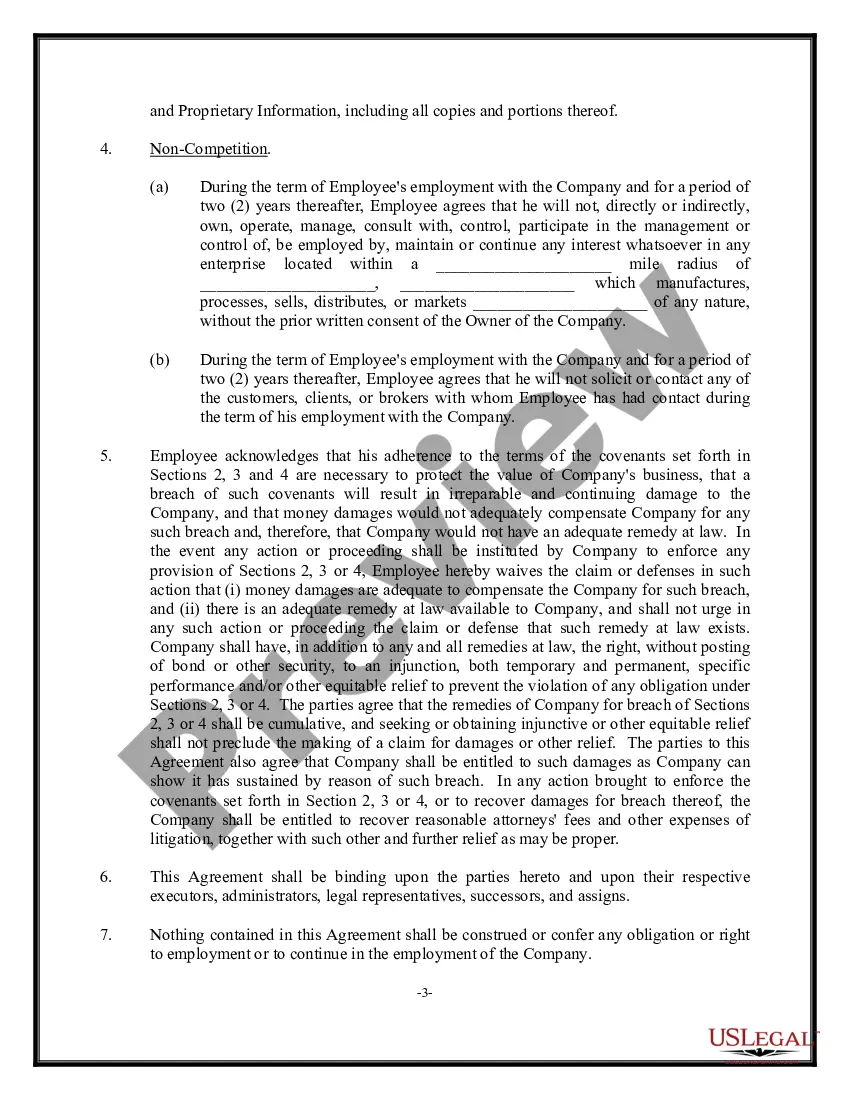
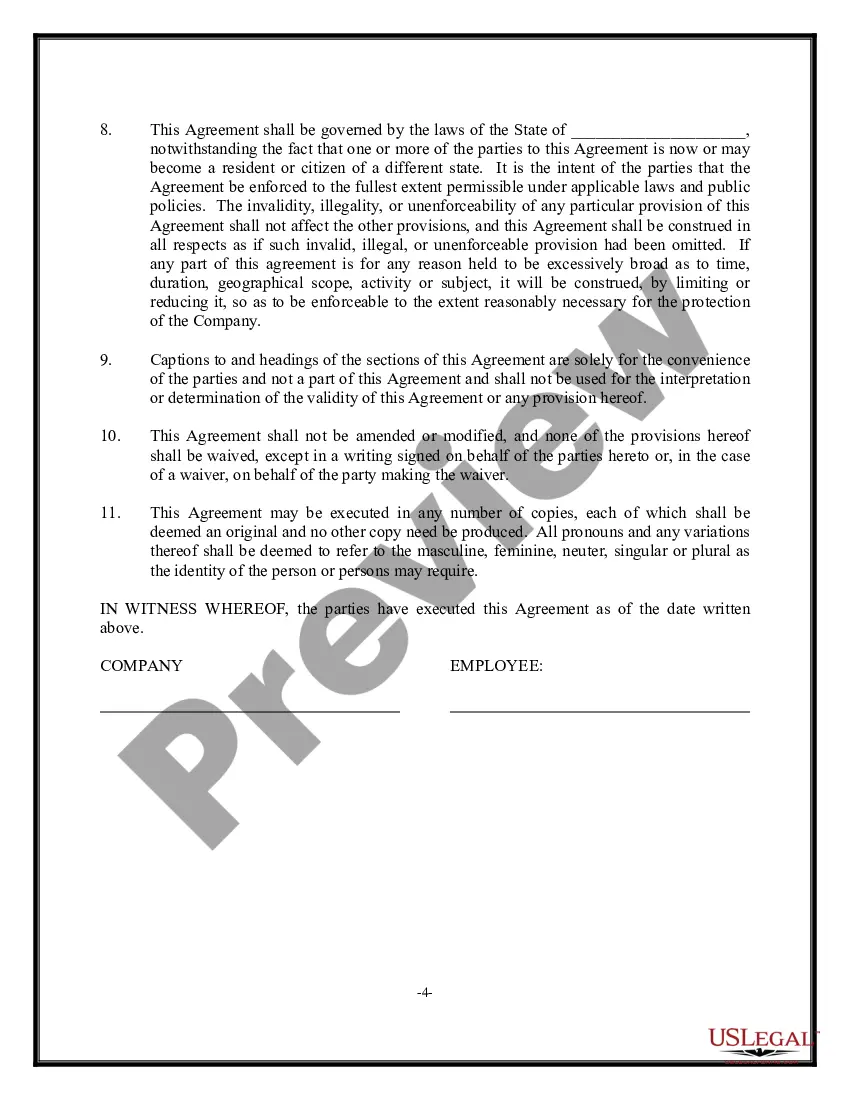
Under Texas law noncompete agreements can be enforceable if: The noncompete provision is part of an otherwise enforceable agreement. The non-compete requirement is supported by valid consideration (consideration meaning something of value provided to the employee).
Non-compete Agreements or Clauses A background check reveals a list of old employers and allows the verification team to run relevant inquiries on any such clauses that may still be binding on the employee.
Covenant-Not-To-Compete/Non-Solicitation Agreement The mere existence of a restrictive agreement should not, necessarily, disqualify an applicant. It is still possible to work with the applicant, but the company must understand how the courts will interpret the applicant's contractual obligations.
Employers who enter into or attempt to enforce noncompetes are liable for damages and a penalty of up to $5,000 per employee. A partner must own more than 10 percent of a business to qualify for the sale of a business exemption to California's noncompete ban.
Yes. It affects everyone in the US, it's a federal ruling. You simply will not have any more non compete clauses in any employment agreements, outside the handful of given exceptions. That does not mean your employer has to tolerate your working for a competitor, however. You will just be subject to termination.
Here's what you can do... provide a copy of the non-compete to the new employer, and ask them if they are ok with hiring you. At least, then the new employer can't say they didn't know and then sue you. Let them make the determination on their end about whether they want to proceed.
Yes. Even if there is a non-compete, it's unenforceable in every state. An employer cannot stop you from gaining employment.
Non-Competitive Activity at New Employer: One of the most straightforward ways to overcome a noncompete is by ensuring that your new role with a different employer is in a non-competitive capacity. If you're not engaging in activities that directly compete with your former employer's business, you may be in the clear.
Under California Business and Professions Code Section 16600, unless you were an owner of the business, any “non-compete clause” which forbids an employees who is fired or resigns from working for a competitor or starting a competing business is illegal and unenforceable.
The enforceability of non-compete agreements always depends on the facts of the case. If you violate the terms of the agreement, your employer may seek injunctive relief or monetary, punitive, or compensatory damages.