Competition Noncompetition For Employees In Houston
Description

Get your form ready online
Our built-in tools help you complete, sign, share, and store your documents in one place.
Make edits, fill in missing information, and update formatting in US Legal Forms—just like you would in MS Word.
Download a copy, print it, send it by email, or mail it via USPS—whatever works best for your next step.
Sign and collect signatures with our SignNow integration. Send to multiple recipients, set reminders, and more. Go Premium to unlock E-Sign.
If this form requires notarization, complete it online through a secure video call—no need to meet a notary in person or wait for an appointment.
We protect your documents and personal data by following strict security and privacy standards.

Make edits, fill in missing information, and update formatting in US Legal Forms—just like you would in MS Word.

Download a copy, print it, send it by email, or mail it via USPS—whatever works best for your next step.

Sign and collect signatures with our SignNow integration. Send to multiple recipients, set reminders, and more. Go Premium to unlock E-Sign.

If this form requires notarization, complete it online through a secure video call—no need to meet a notary in person or wait for an appointment.

We protect your documents and personal data by following strict security and privacy standards.
Looking for another form?








Form popularity
FAQ
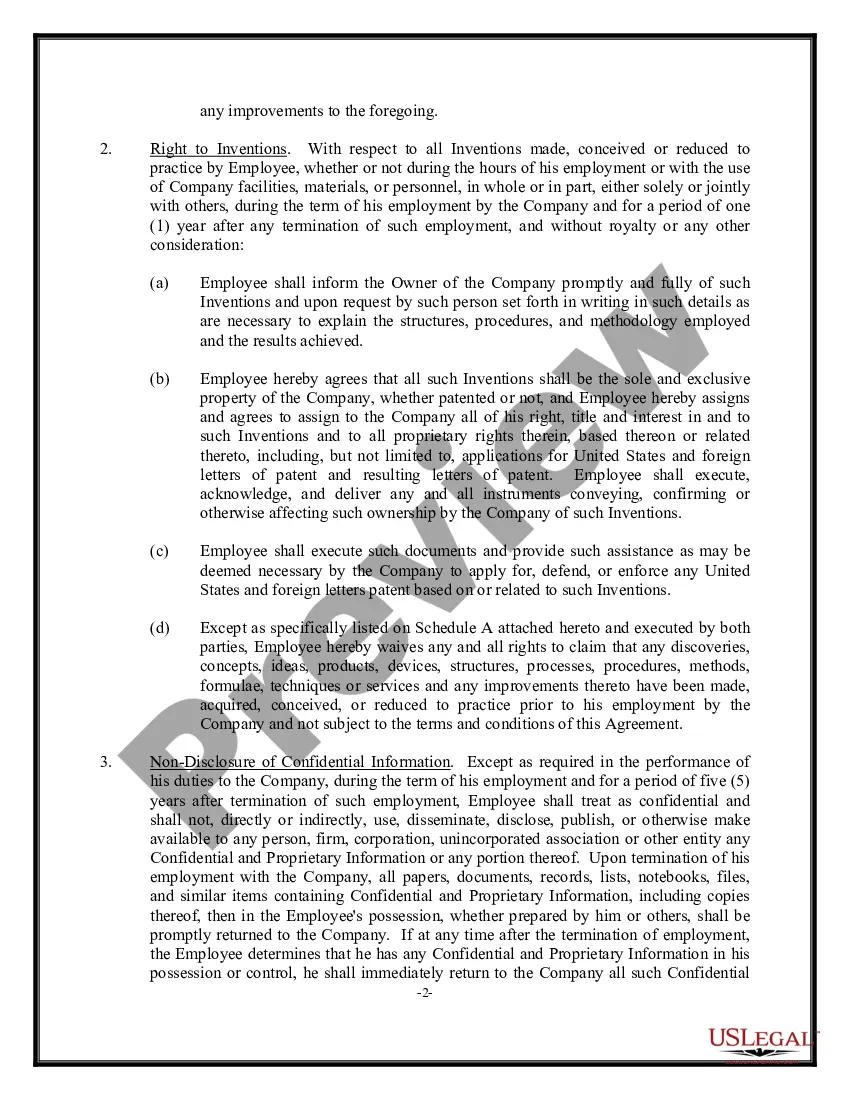
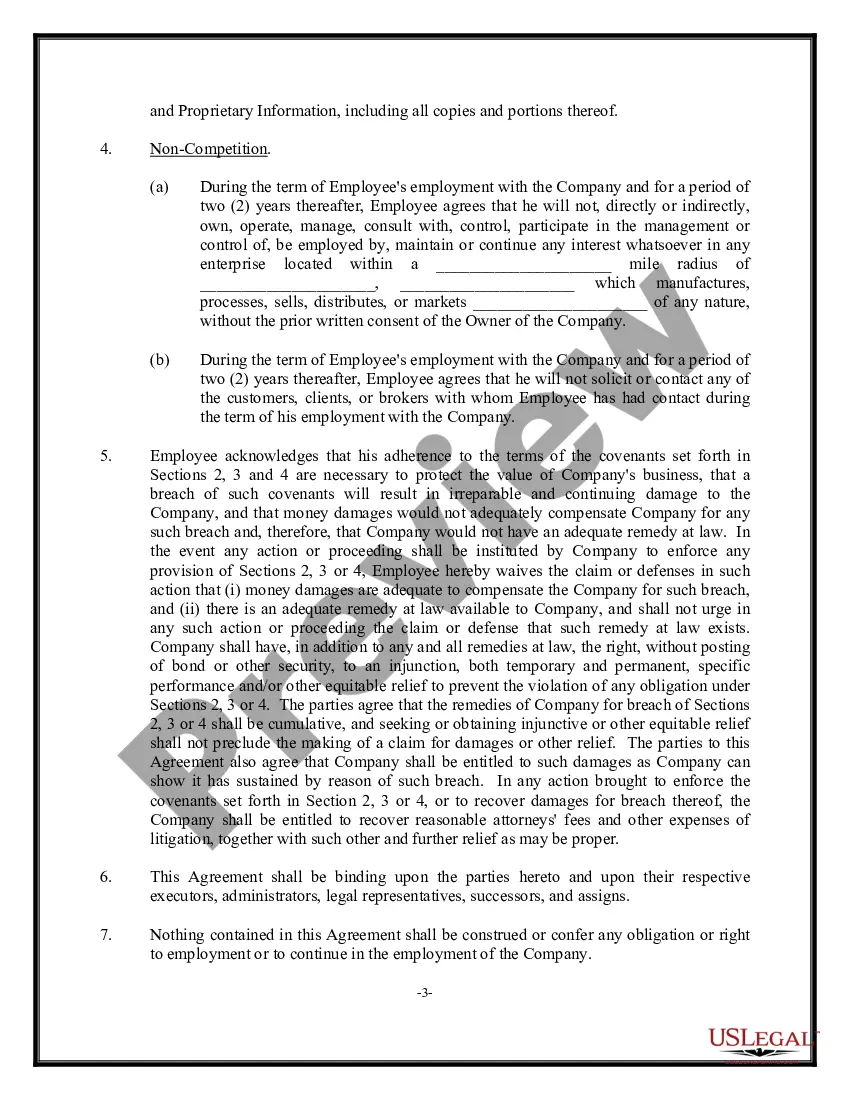
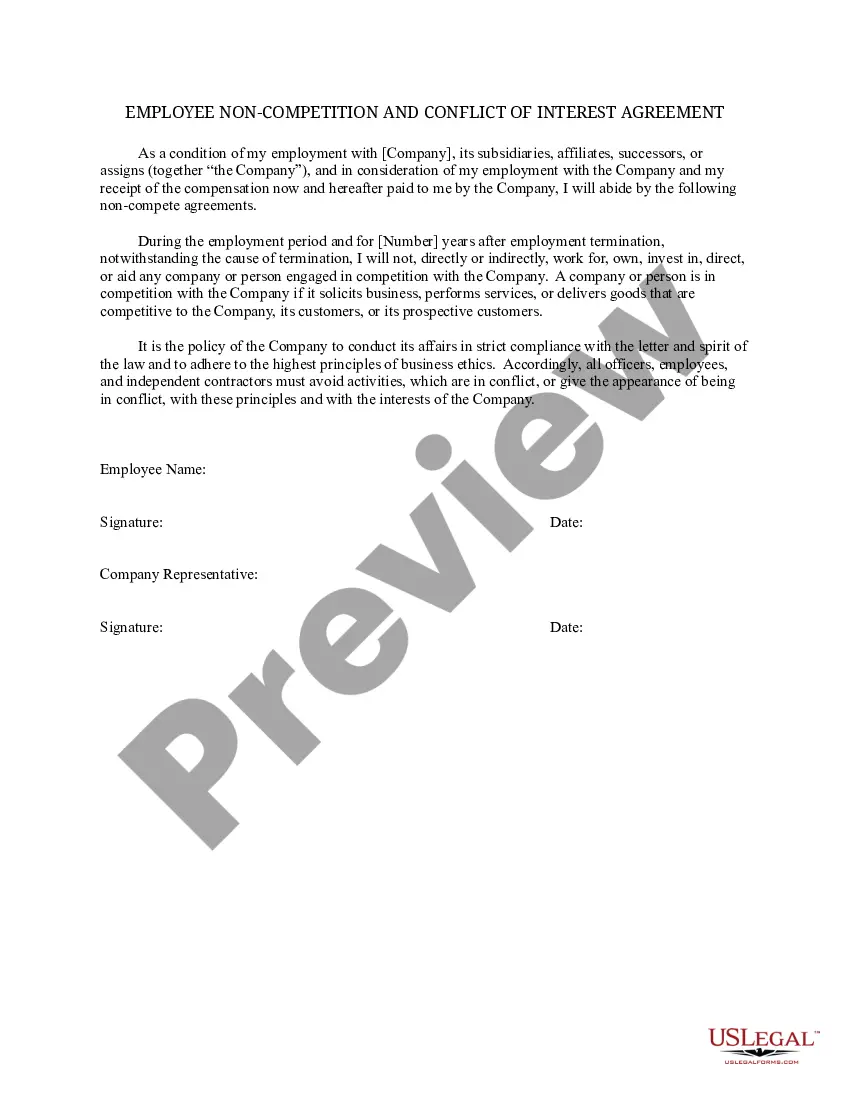
A typical case might involve an executive or professional. The non-competition limitation in the employment contract might restrict the employee for a period of one (1) year from engaging in competition, “directly or indirectly”, with the employer within a radius of fifty (50) miles from the company's office.
The Texas district court's final order enjoined enforcement of the Rule nationwide. The court held that the FTC had improperly exceeded its statutory authority by creating a substantive Rule banning non-competes.
compete in Texas is void if it has unreasonable terms, lacks adequate consideration, or doesn't protect legitimate business interests.
On August 20, 2024, a Texas federal court ruled that the FTC's final rule banning most non-compete agreements (the “Non-Compete Rule”) cannot go into effect as scheduled.
On August 20, 2024, a Texas federal court ruled that the FTC's final rule banning most non-compete agreements (the “Non-Compete Rule”) cannot go into effect as scheduled.
Certain professions are exempt from Texas non-compete law or have specific requirements for a valid agreement, including doctors, attorneys, and social workers. Speak with an attorney to determine if your agreement may be subject to additional scrutiny.
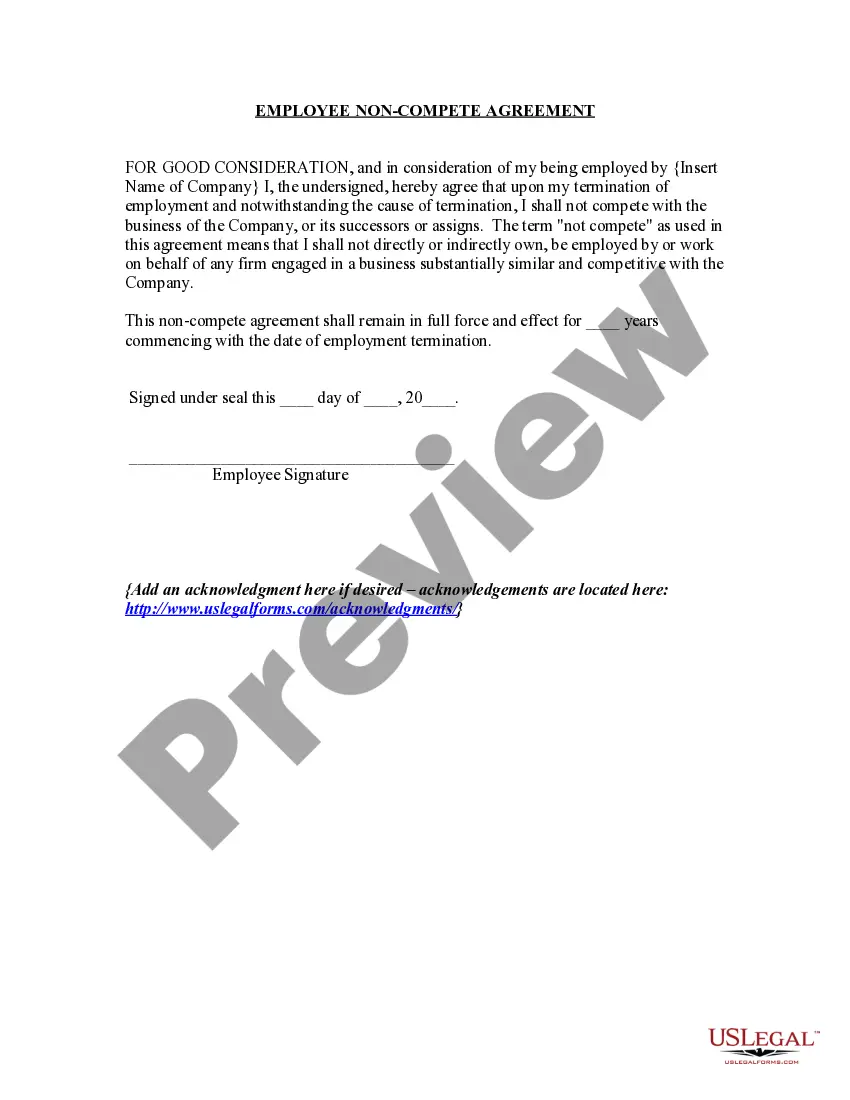
You are bound by whatever conditions you agreed to in the non compete contract. You can leave the job and likely still practice in your given field. The most common restriction is one of distance. So you cannot leave your current company and go across the street to work for a competitor.
How To Legally Get Out of a Non-Compete Agreement Get a New Job That Doesn't Involve Competitive Activities. Prove That Your Former Employer Breached the Contract. Argue That the Non-Compete Provision Isn't Enforceable. Show That Your Previous Employer Has No Legitimate Business Interests.
Texas law has no specific time limit for non-compete agreements, but courts have generally found that agreements lasting more than two years are presumptively unreasonable. However, the reasonableness of the duration of a non-compete agreement in texas will depend on the specific circumstances of the case.
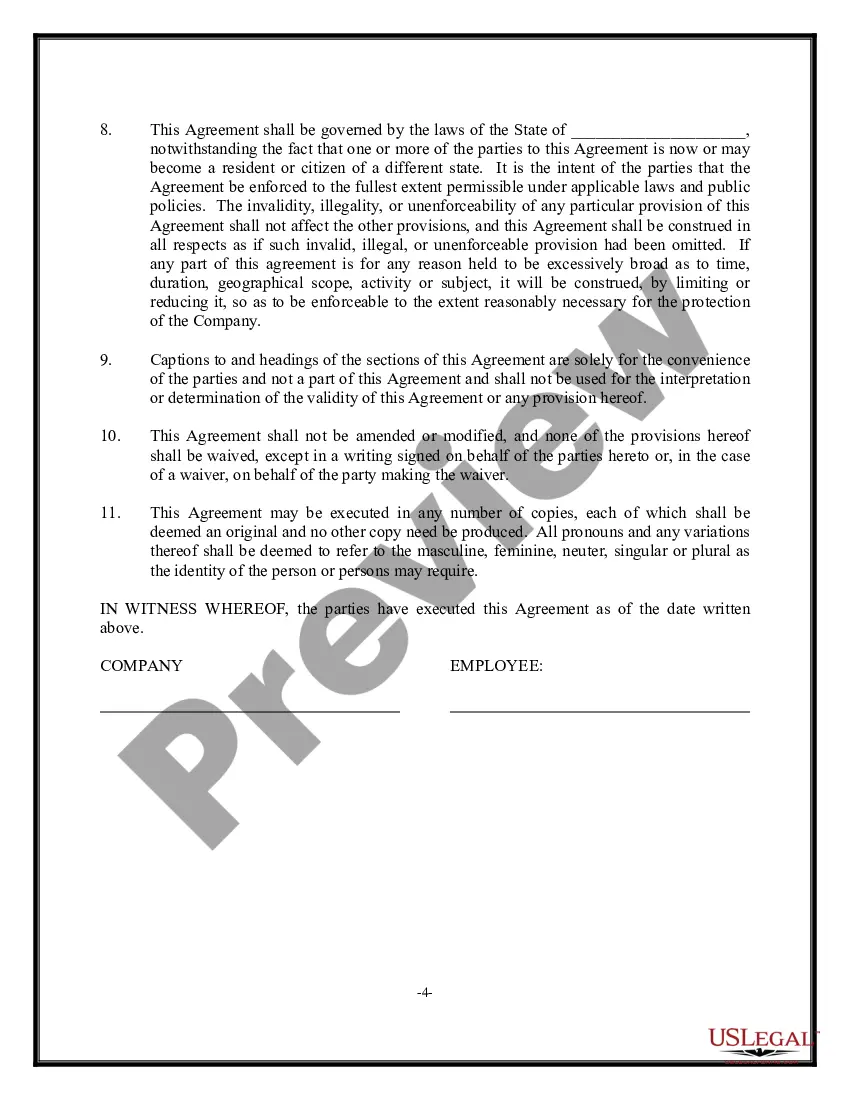
While Texas courts generally disfavor non-compete agreements, they will enforce a non-compete covenant if it is executed for valid consideration, contains reasonable geographic, temporal, and activity restrictions, and protects the employer's legitimate business interests.
