Competition Noncompetition For Us Treasuries In Hillsborough
Description

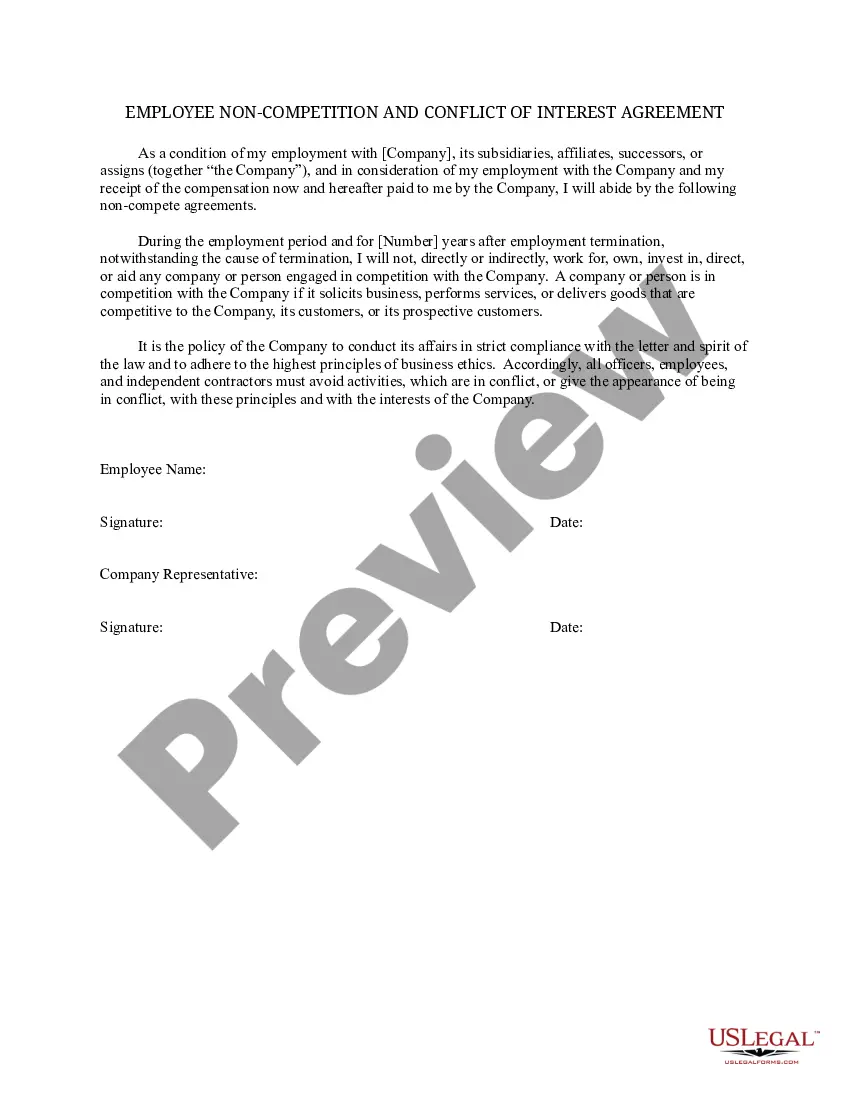
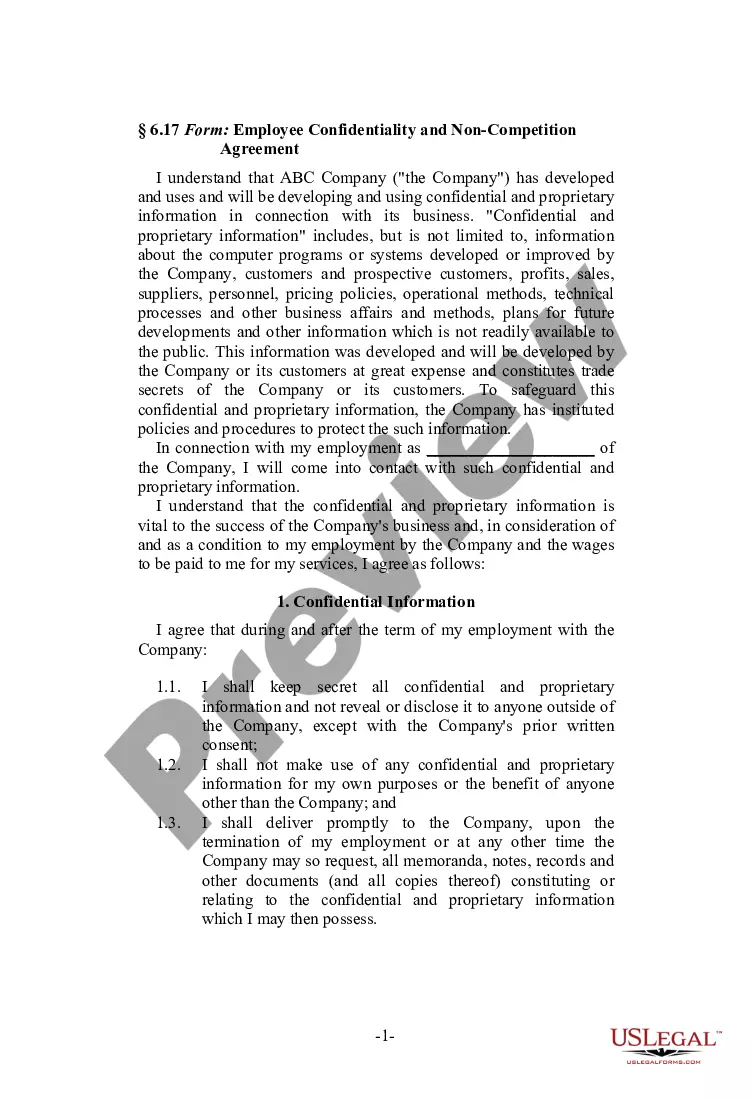
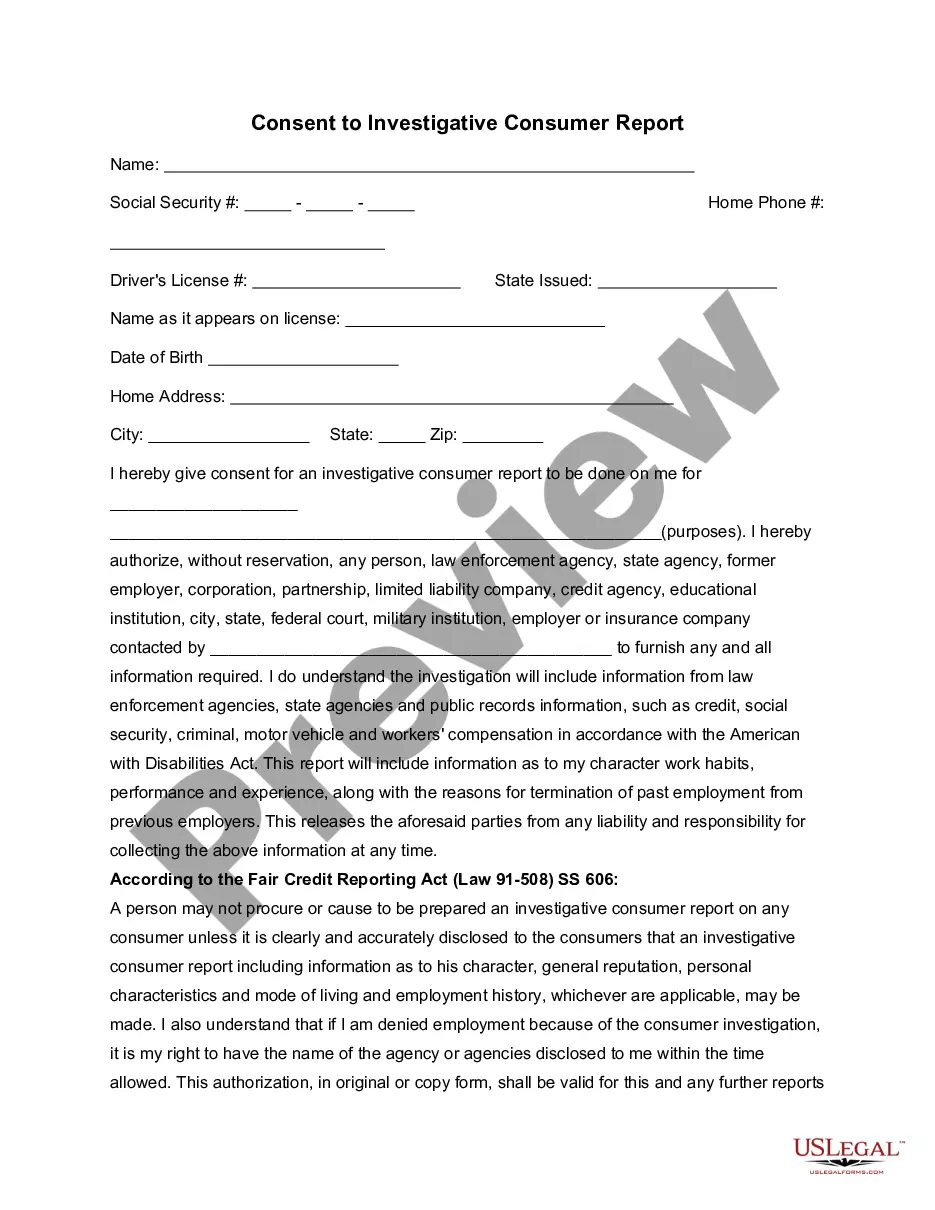
Get your form ready online
Our built-in tools help you complete, sign, share, and store your documents in one place.
Make edits, fill in missing information, and update formatting in US Legal Forms—just like you would in MS Word.
Download a copy, print it, send it by email, or mail it via USPS—whatever works best for your next step.
Sign and collect signatures with our SignNow integration. Send to multiple recipients, set reminders, and more. Go Premium to unlock E-Sign.
If this form requires notarization, complete it online through a secure video call—no need to meet a notary in person or wait for an appointment.
We protect your documents and personal data by following strict security and privacy standards.

Make edits, fill in missing information, and update formatting in US Legal Forms—just like you would in MS Word.

Download a copy, print it, send it by email, or mail it via USPS—whatever works best for your next step.

Sign and collect signatures with our SignNow integration. Send to multiple recipients, set reminders, and more. Go Premium to unlock E-Sign.

If this form requires notarization, complete it online through a secure video call—no need to meet a notary in person or wait for an appointment.

We protect your documents and personal data by following strict security and privacy standards.
Looking for another form?









Form popularity
FAQ
Thus, “no contest” clauses are not enforceable in Florida wills or trusts. This means that you can put a “no contest” clause into your will, but it won't actually do anything or be upheld. However, this does not mean that you cannot discourage litigation in your estate plan.
As of April 2025, your existing non-compete agreements are still enforceable in Florida. Why? A federal court in Texas (in Ryan LLC v. Federal Trade Commission, -cv-00986 (N.D.
Are Non-Compete Agreements Enforceable in Florida? At the time of drafting this article, non-compete agreements are enforceable in Florida. The Federal Trade Commission (“FTC”) issued a rule in April 2024 providing that beginning on September 4, 2024, non-compete agreements would be unenforceable.
This means that non-compete agreements that directly restrict a Florida attorney's right to practice law are not enforceable in Florida. Most states have adopted a similar rule prohibiting agreements that restrict an attorney's right to practice law.
The Enforceability of Non-Compete Agreements in Florida In Florida, non-compete agreements are enforceable under Florida Statute 542.335, provided they are reasonable in terms of time, area, and line of business.
Now that the FTC is permanently enjoined from enforcing the rule, (unless and until a successful FTC appeal), non-competes return to the status quo and are legal and enforceable on the same terms as they were before the FTC passed the non-compete rule.
On average, noncompete agreements stop former employees from taking a new job at a competing company for anywhere from six months to a year. However, in some high tech fields where employees have access to extremely sensitive information about new technologies, noncompete agreements could last as long as two years.
Consequently, even where non-compete clauses are found in employment contracts, they may not necessarily be enforceable, unless a court considers that the non-compete clause is to protect a “legitimate business interest” and is no wider than reasonably necessary.
Consequently, even where non-compete clauses are found in employment contracts, they may not necessarily be enforceable, unless a court considers that the non-compete clause is to protect a “legitimate business interest” and is no wider than reasonably necessary.
If an employee breaches a non-compete clause, you may have grounds for taking them to court. A court could oblige them to stop breaching the term, and you may also be able to have your legal costs covered.
