Types Of Unfair Competition In Georgia
Description

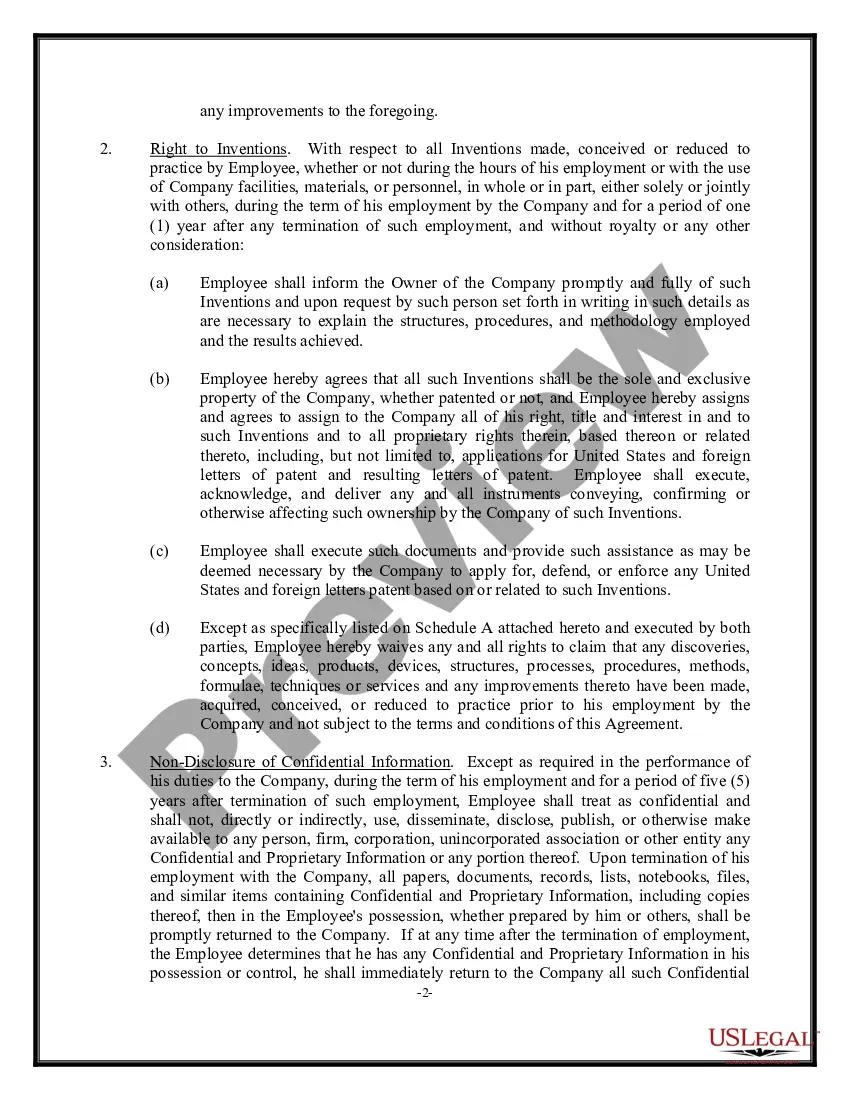
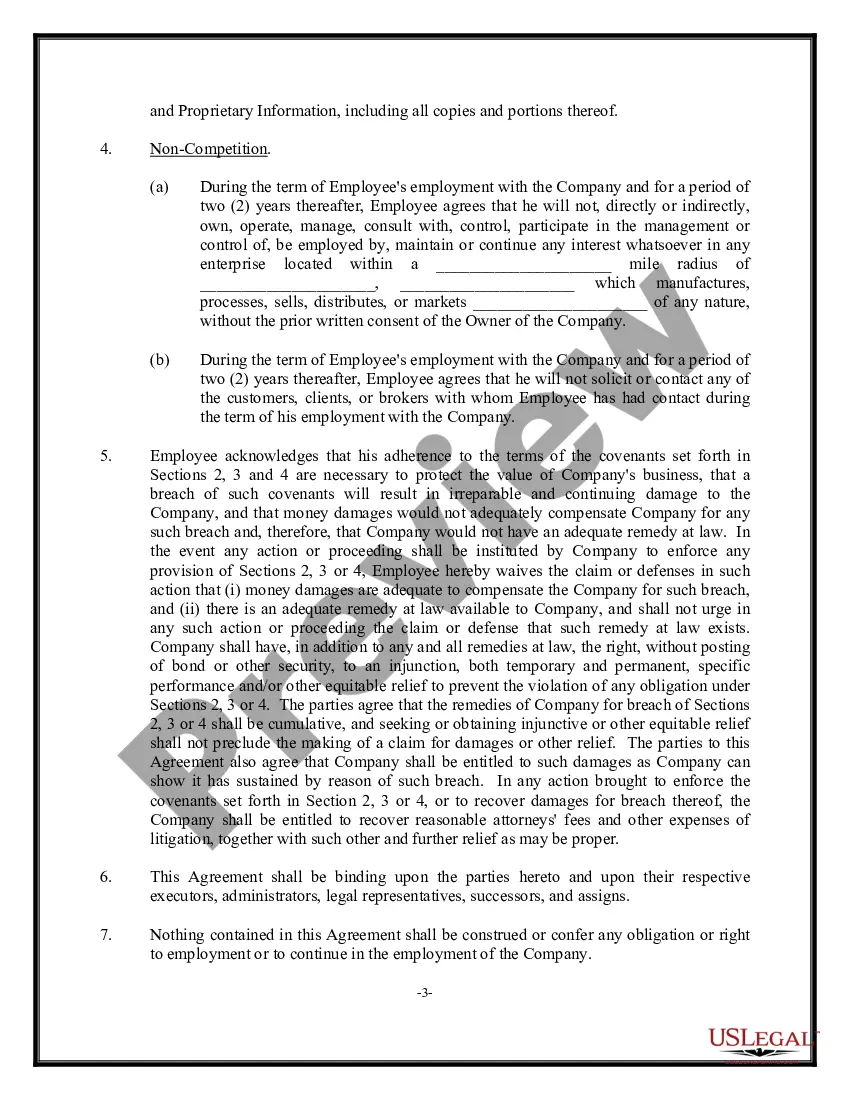
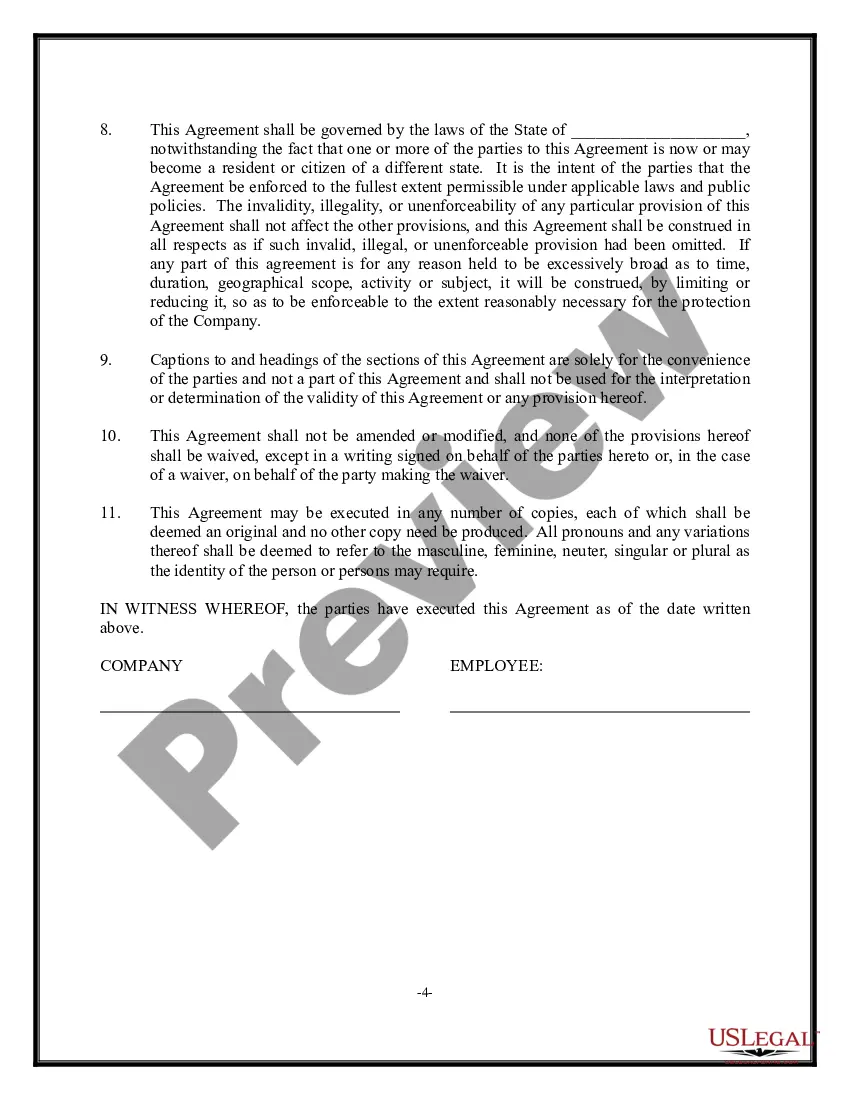
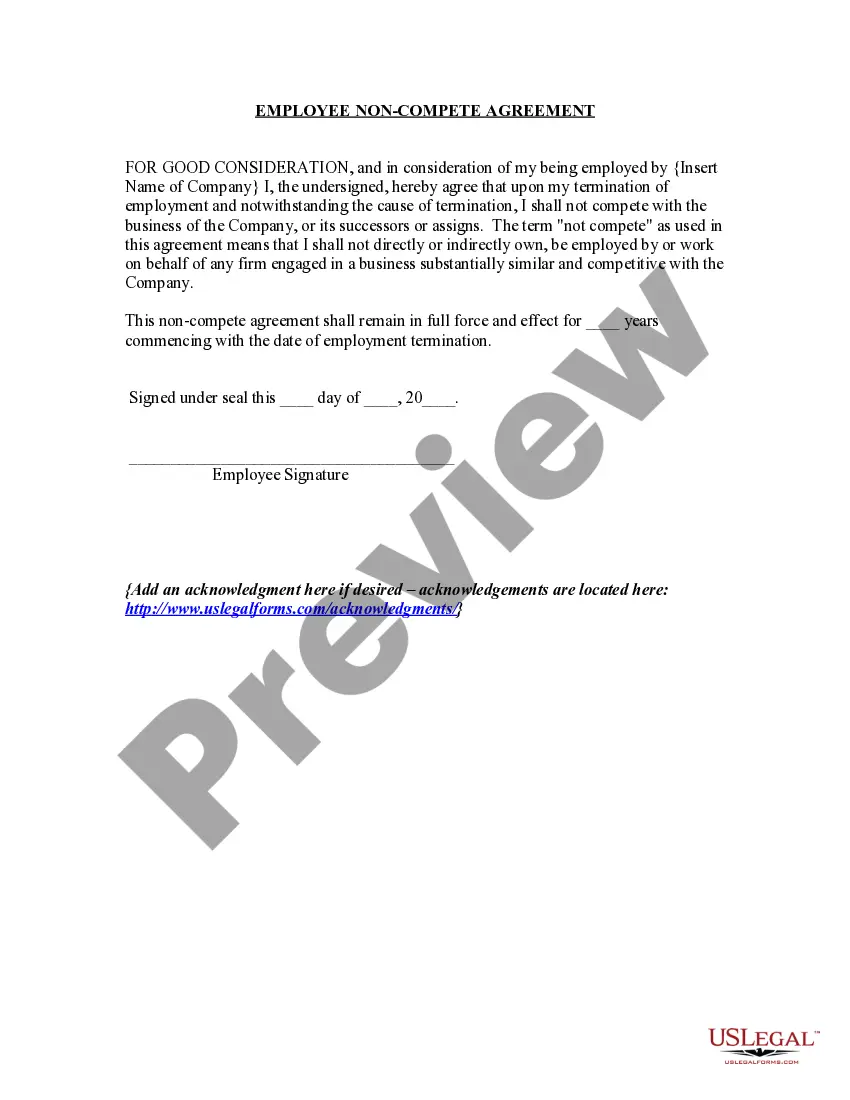
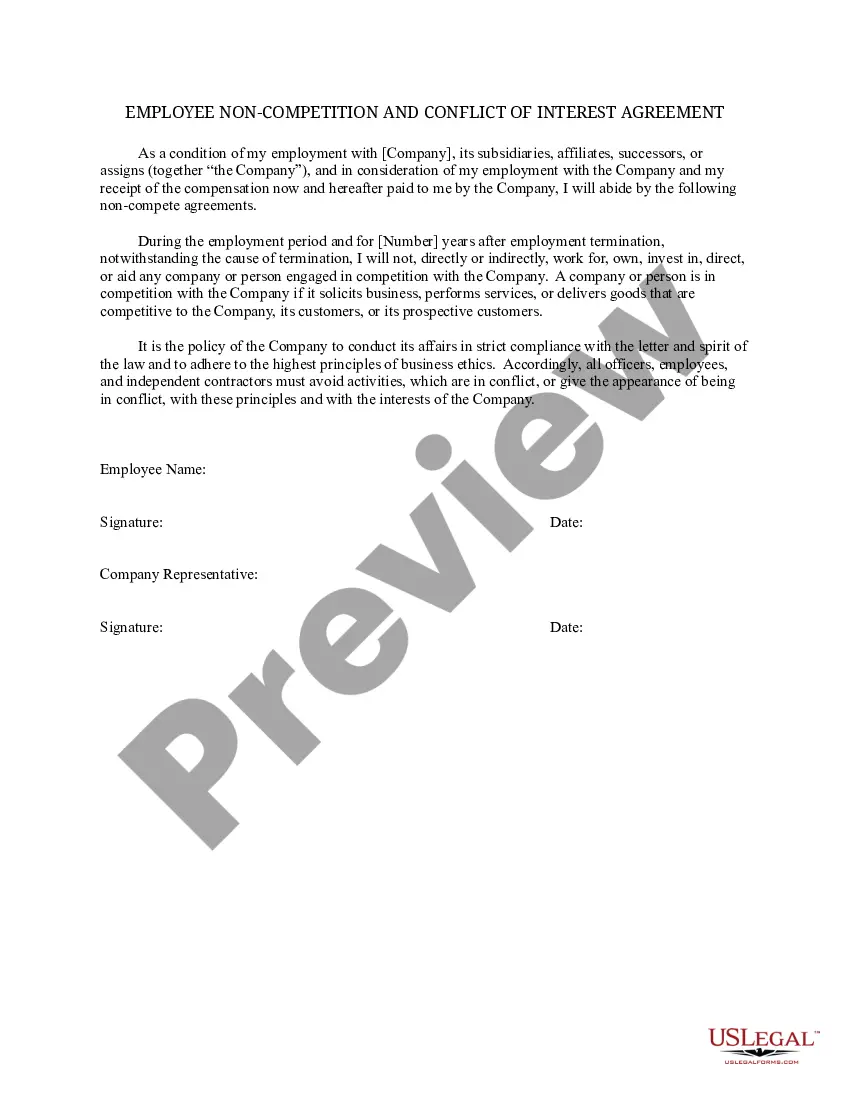
Get your form ready online
Our built-in tools help you complete, sign, share, and store your documents in one place.
Make edits, fill in missing information, and update formatting in US Legal Forms—just like you would in MS Word.
Download a copy, print it, send it by email, or mail it via USPS—whatever works best for your next step.
Sign and collect signatures with our SignNow integration. Send to multiple recipients, set reminders, and more. Go Premium to unlock E-Sign.
If this form requires notarization, complete it online through a secure video call—no need to meet a notary in person or wait for an appointment.
We protect your documents and personal data by following strict security and privacy standards.

Make edits, fill in missing information, and update formatting in US Legal Forms—just like you would in MS Word.

Download a copy, print it, send it by email, or mail it via USPS—whatever works best for your next step.

Sign and collect signatures with our SignNow integration. Send to multiple recipients, set reminders, and more. Go Premium to unlock E-Sign.

If this form requires notarization, complete it online through a secure video call—no need to meet a notary in person or wait for an appointment.

We protect your documents and personal data by following strict security and privacy standards.
Looking for another form?
Form popularity
FAQ
There must be a representation, omission, or practice that misleads or is likely to mislead the consumer—An act or practice may be found to be deceptive if there is a representation, omis- sion, or practice that misleads or is likely to mislead the consumer.
Reporting Alleged Unethical Behavior and Filing a Complaint To report a potential ethics violation or file a complaint, you may: Call the Integrity Hotline at 1-800-884-0911 or file a web report online at .atlantaga.ethicspoint.
O.C.G.A. Sections 10-1-390 et seq. ) Georgia's Fair Business Practices Act prohibits unfair and deceptive acts or practices in the marketplace. This law applies to consumer transactions involving the sale, lease or rental of goods, services or property mainly for personal, family or household purposes.
Unfair methods of competition and unfair or deceptive acts or practices as defined in Code Section 13-8-35 are declared to be unlawful. Disclaimer: These codes may not be the most recent version. Georgia may have more current or accurate information.
Intellectual property offences provide well-known examples of unfair competition – these include counterfeiting, trade secret misappropriation and design right infringement.
Unfair competition is conduct by a market participant which gains or seeks to gain an advantage over its rivals through misleading, deceptive, dishonest, fraudulent, coercive or unconscionable conduct in trade or commerce.
Unfair competition refers to any business practice that is deceptive, fraudulent, or unethical and gives one business an unfair advantage over its competitors. This can include false advertising, trademark infringement, trade secret theft, and other forms of unfair business practices.
