Unfair Competition Sample Foreign In Fulton
Description

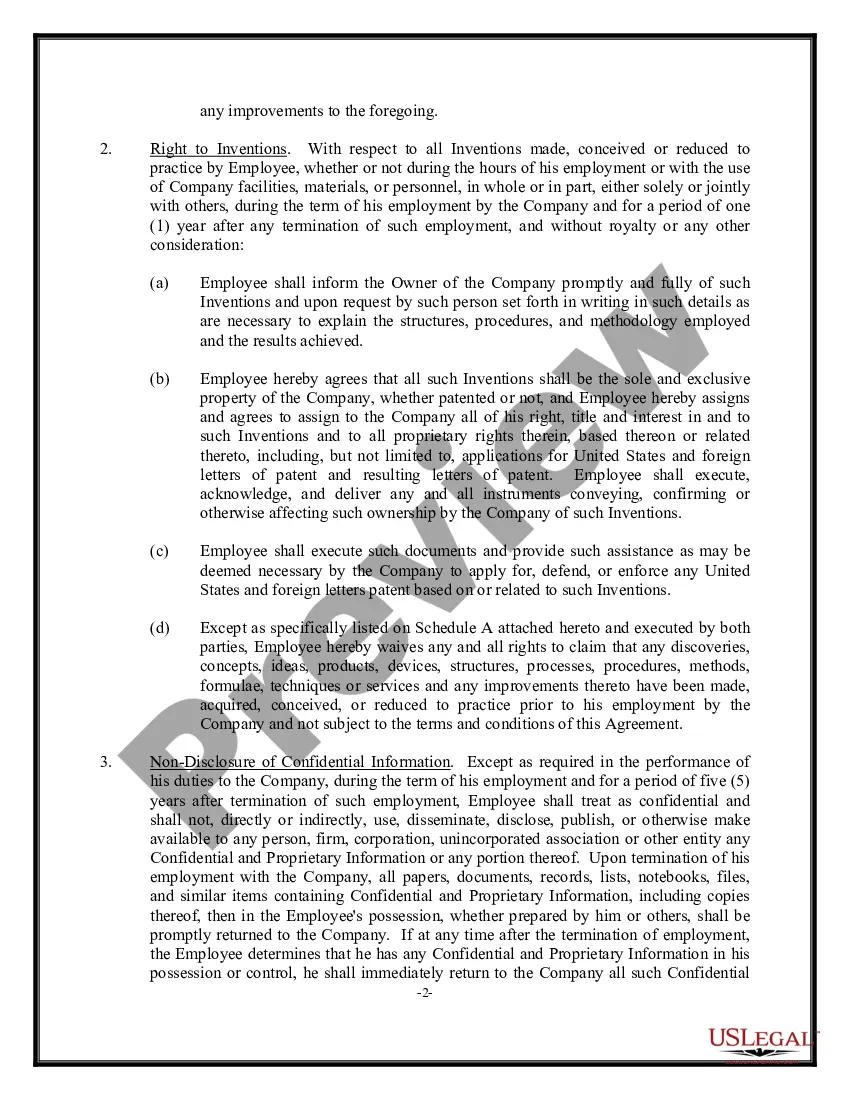
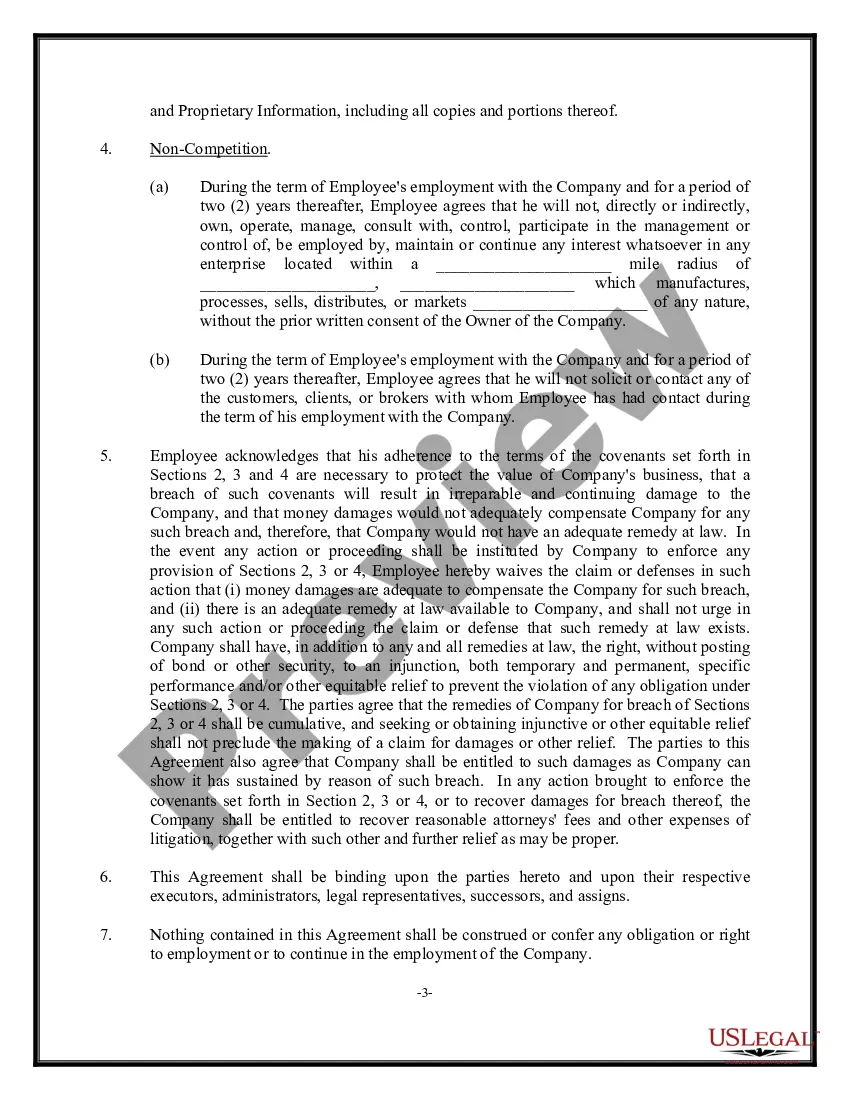
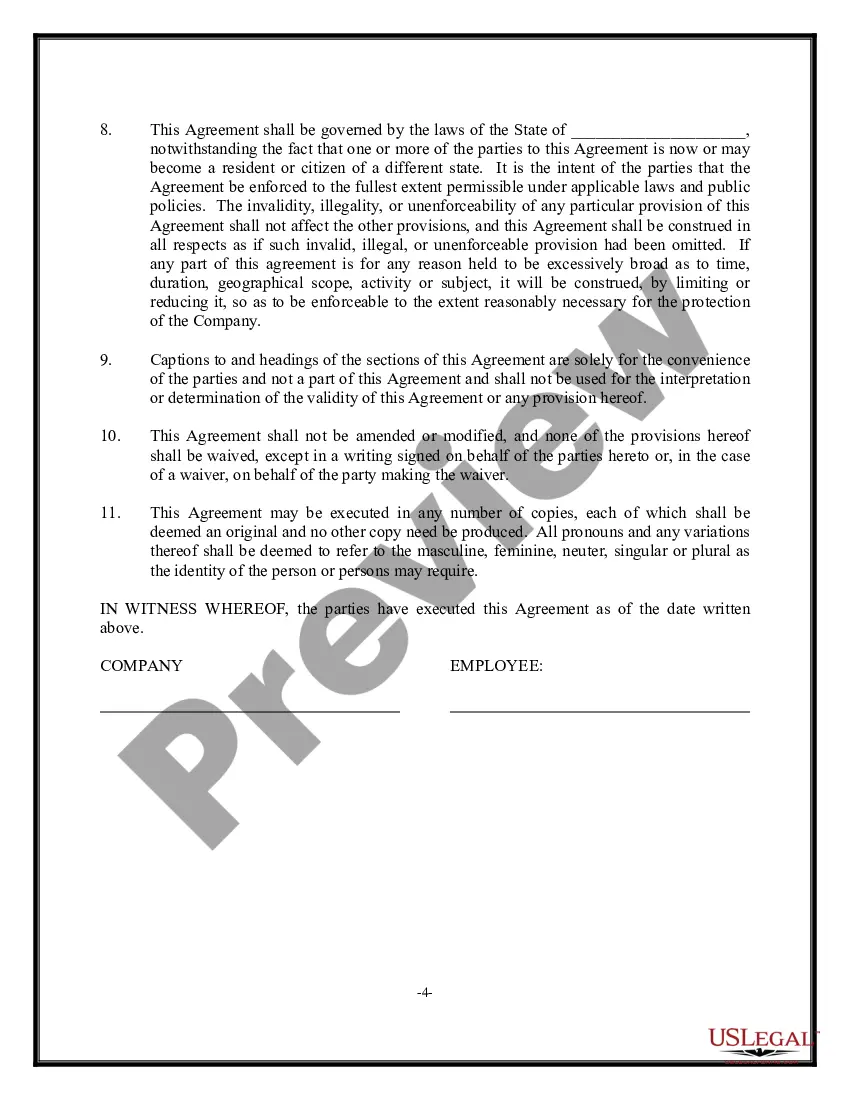
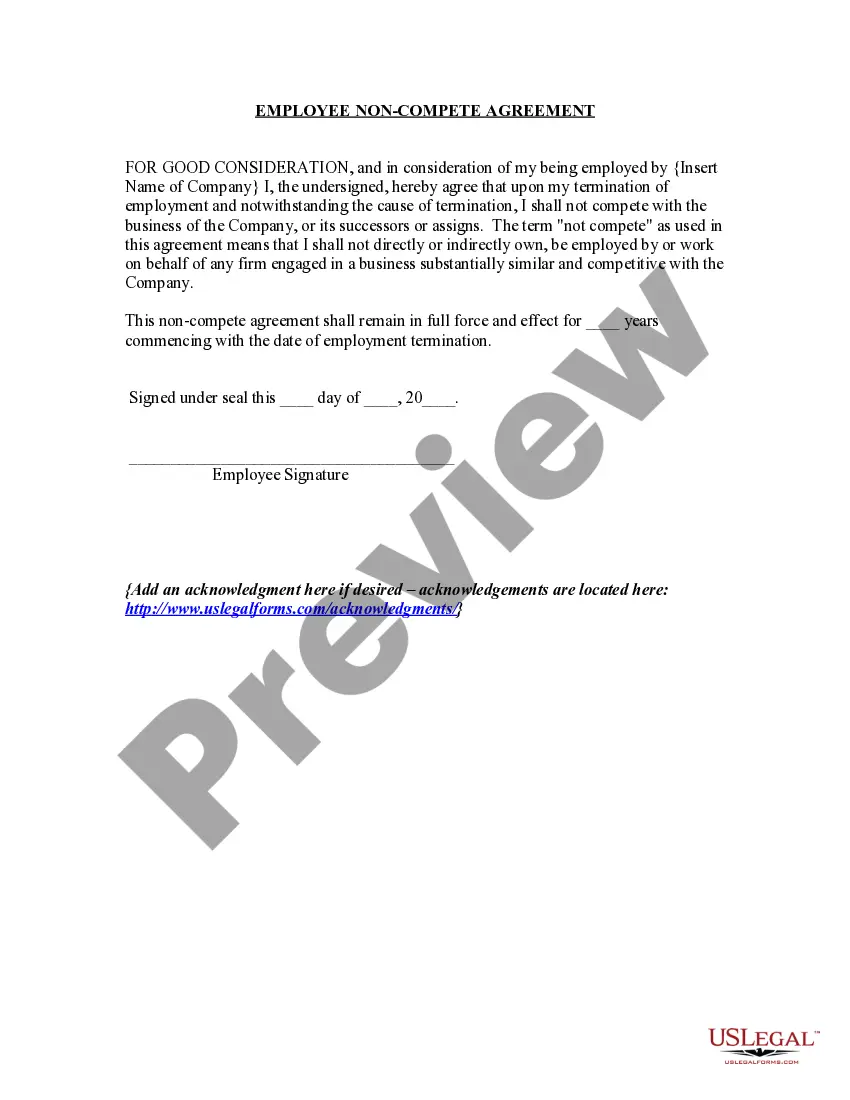
Get your form ready online
Our built-in tools help you complete, sign, share, and store your documents in one place.
Make edits, fill in missing information, and update formatting in US Legal Forms—just like you would in MS Word.
Download a copy, print it, send it by email, or mail it via USPS—whatever works best for your next step.
Sign and collect signatures with our SignNow integration. Send to multiple recipients, set reminders, and more. Go Premium to unlock E-Sign.
If this form requires notarization, complete it online through a secure video call—no need to meet a notary in person or wait for an appointment.
We protect your documents and personal data by following strict security and privacy standards.

Make edits, fill in missing information, and update formatting in US Legal Forms—just like you would in MS Word.

Download a copy, print it, send it by email, or mail it via USPS—whatever works best for your next step.

Sign and collect signatures with our SignNow integration. Send to multiple recipients, set reminders, and more. Go Premium to unlock E-Sign.

If this form requires notarization, complete it online through a secure video call—no need to meet a notary in person or wait for an appointment.

We protect your documents and personal data by following strict security and privacy standards.
Looking for another form?







Form popularity
FAQ
To pursue lawsuits under California's unfair competition law, a consumer or business must prove suffering and financial or property losses due to an unfair practice. A plaintiff can take legal action within four years of discovering an illegal practice.
The two most significant statutory provisions are Section 5(a) of the FTC Act and the Clayton Act. Section 5(a) of the FTC Act, 15 U.S.C. Sec. 45(a), prohibits, inter alia, “unfair methods of competition.” Unfair methods of competition include any conduct that would violate the Sherman Antitrust Act or the Clayton Act.
17200. As used in this chapter, unfair competition shall mean and include any unlawful, unfair or fraudulent business act or practice and unfair, deceptive, untrue or misleading advertising and any act prohibited by Chapter 1 (commencing with Section 17500) of Part 3 of Division 7 of the Business and Professions Code.
Two common examples of unfair competition are trademark infringement and misappropriation. The right to publicity is often invoked in misappropriation issues. Other practices that fall into the area of unfair competition include: False advertising.
The law describes “unfair competition” as any unlawful, unfair, or fraudulent business act or practice, or false, deceptive, or misleading advertising. To pursue lawsuits under California's unfair competition law, a consumer or business must prove suffering and financial or property losses due to an unfair practice.
As a general rule, any act or practice carried out in the course of industrial or commercial activities contrary to honest practices constitutes an act of unfair competition; the decisive criterion being “contrary to honest practices”.
The essential elements of unfair competition are (1) confusing similarity in the general appearance of the goods; and (2) intent to deceive the public and defraud a competitor.
Unfair competition is conduct by a market participant which gains or seeks to gain an advantage over its rivals through misleading, deceptive, dishonest, fraudulent, coercive or unconscionable conduct in trade or commerce.
