Competition Noncompetition For Employees In Clark
Description

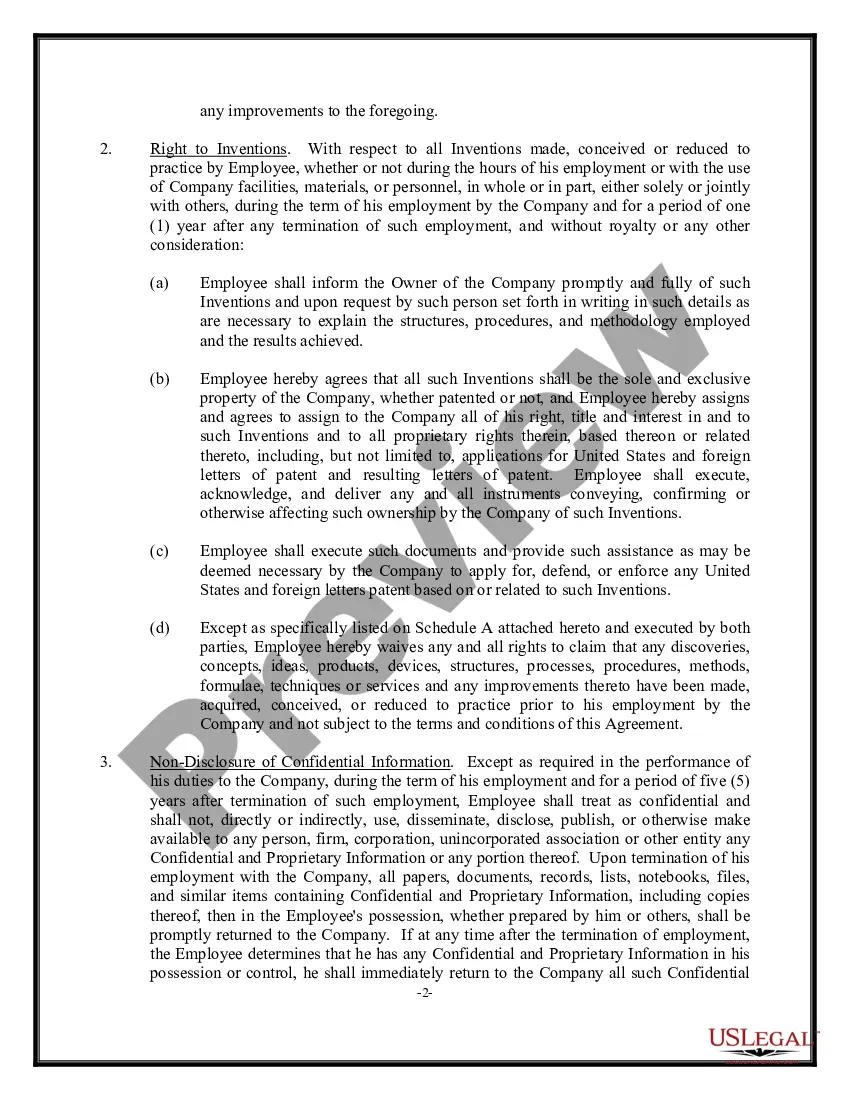
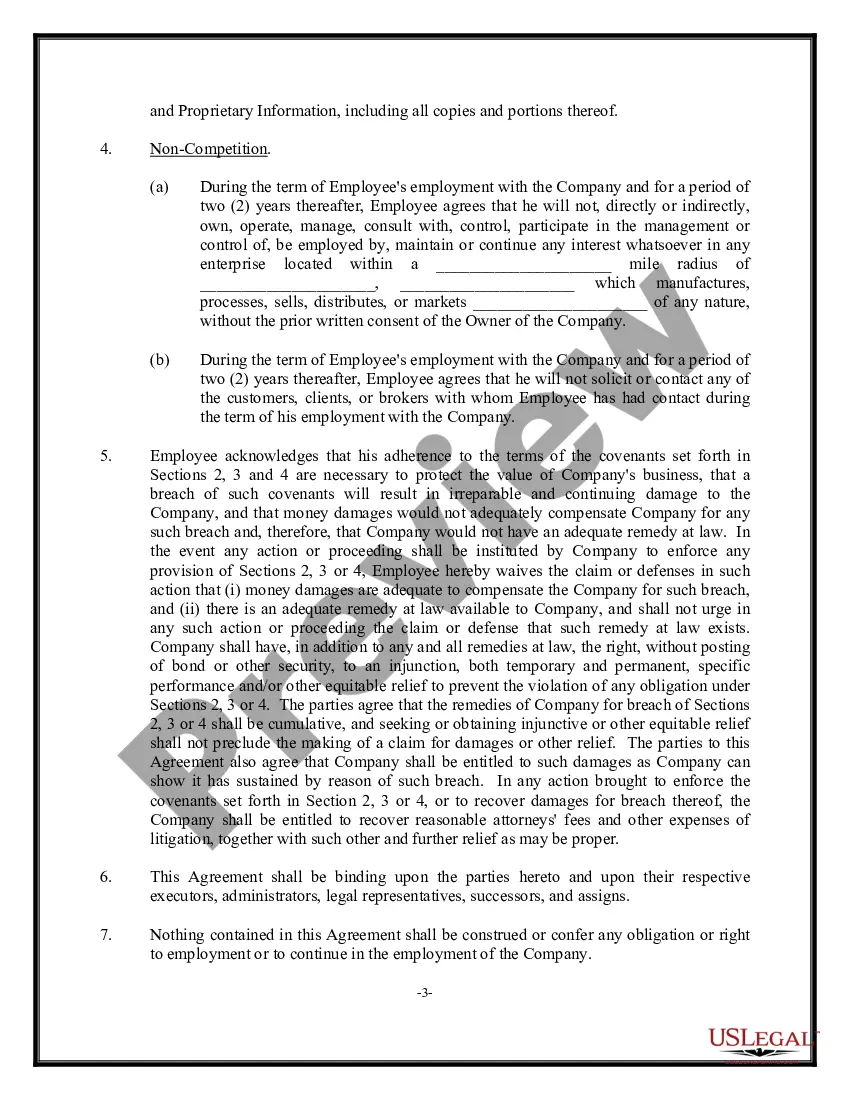
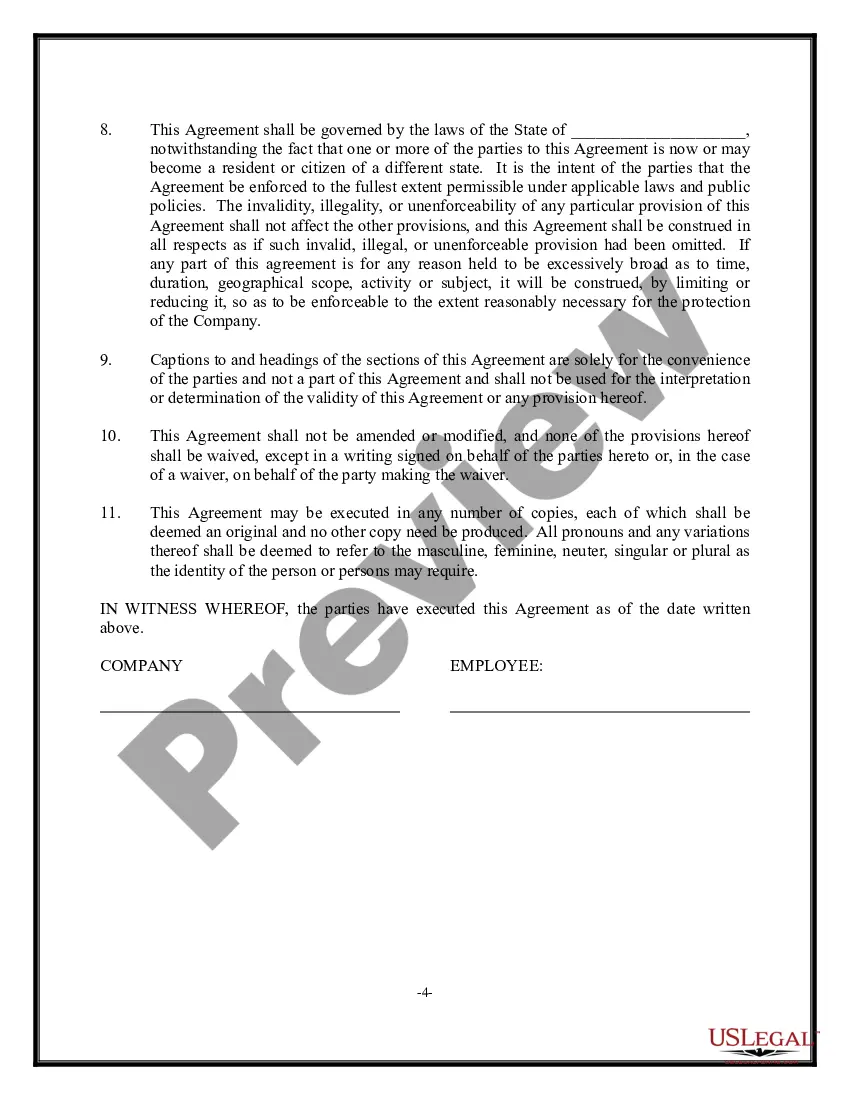
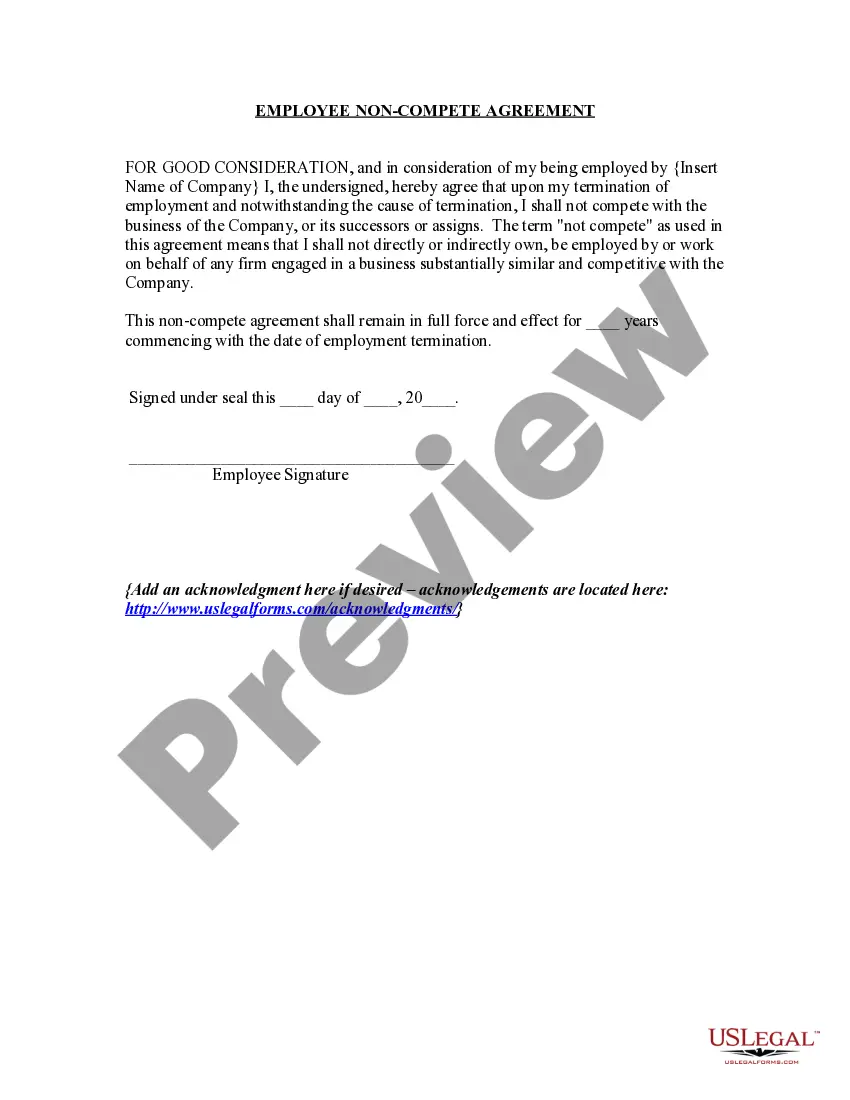
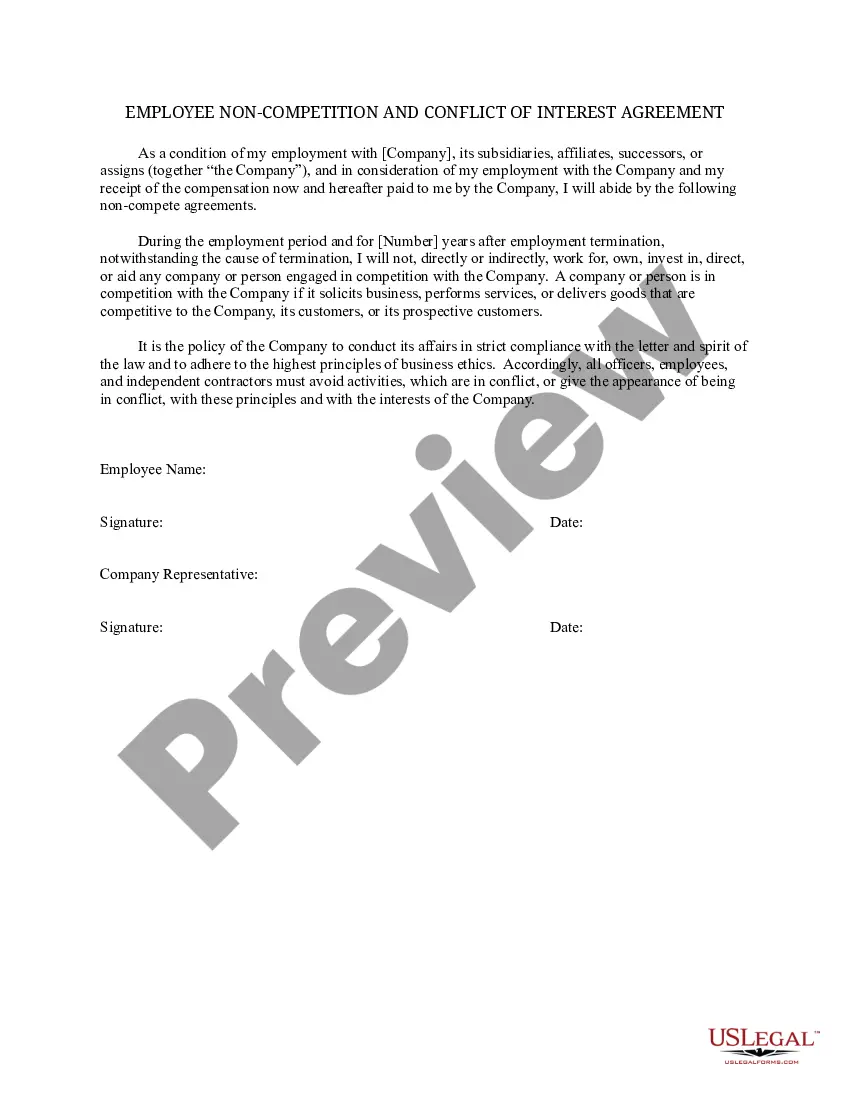
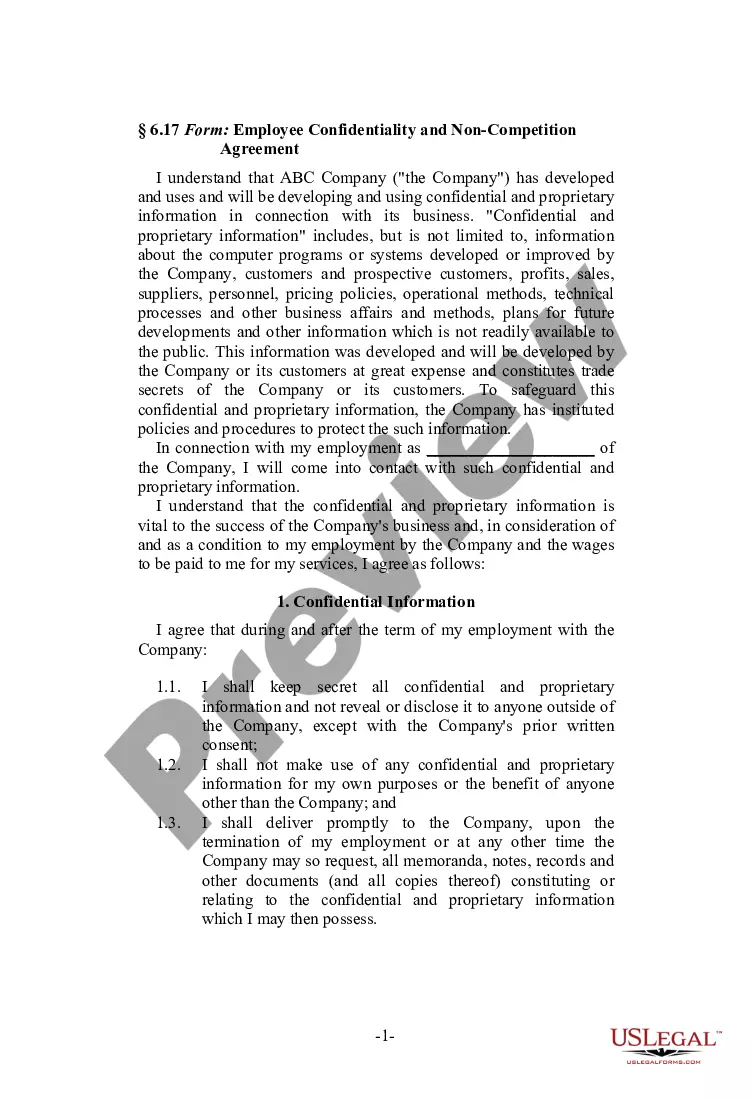
Get your form ready online
Our built-in tools help you complete, sign, share, and store your documents in one place.
Make edits, fill in missing information, and update formatting in US Legal Forms—just like you would in MS Word.
Download a copy, print it, send it by email, or mail it via USPS—whatever works best for your next step.
Sign and collect signatures with our SignNow integration. Send to multiple recipients, set reminders, and more. Go Premium to unlock E-Sign.
If this form requires notarization, complete it online through a secure video call—no need to meet a notary in person or wait for an appointment.
We protect your documents and personal data by following strict security and privacy standards.

Make edits, fill in missing information, and update formatting in US Legal Forms—just like you would in MS Word.

Download a copy, print it, send it by email, or mail it via USPS—whatever works best for your next step.

Sign and collect signatures with our SignNow integration. Send to multiple recipients, set reminders, and more. Go Premium to unlock E-Sign.

If this form requires notarization, complete it online through a secure video call—no need to meet a notary in person or wait for an appointment.

We protect your documents and personal data by following strict security and privacy standards.
Looking for another form?







Form popularity
FAQ
The following are the most common ways to get out of a non-compete agreement: Determine that the terms of the contract do not in fact prevent you from a desired course of action. Recognize when a non-compete contradicts the law. Negotiate a release agreement with the involved parties. Ignore the agreement.
A noncompete is unenforceable if it restricts an employee's ability to exercise their rights under federal law. No employer may enter into a covenant not to compete or a covenant not to solicit with any employee. Existing noncompetes are void and unenforceable, including out-of-state noncompetes.
Yes. It affects everyone in the US, it's a federal ruling. You simply will not have any more non compete clauses in any employment agreements, outside the handful of given exceptions. That does not mean your employer has to tolerate your working for a competitor, however. You will just be subject to termination.
To help, here are four tips to provide a smooth job transition with a non-compete contract in place. Talk with a lawyer. Before you start actively seeking new employment, have an attorney review your non-compete agreement with you. Job hunt on your own time. Be honest with prospective employers. Leave on good terms.
An NDA would prevent you from sharing information from your job with anyone the company does not authorize you to. This does not prevent you from working for a competitor of the company, just places a limit on if you were to tell them anything about how the current company works you could be held liable.
In general, non-competes can't stop you from working. They can stop you from taking specific IP to another company (eg a salesman taking client phone numbers to a new org selling similar products) but even that is a legal gray area.
A noncompete is unenforceable if it restricts an employee's ability to exercise their rights under federal law. No employer may enter into a covenant not to compete or a covenant not to solicit with any employee. Existing noncompetes are void and unenforceable, including out-of-state noncompetes.
Compensation: An employer must offer some benefit to the employee in exchange for limiting future opportunities. For new employees, the job offer itself is generally considered sufficient compensation. Still, existing employees asked to sign a covenant not to compete may be entitled to a raise or promotion.
Therefore, the short answer is: Yes, an employer can prevent an employee from going to work for a competitor... but only for a relatively short period of time, and only if the restrictions are reasonable having regard to the legitimate interests the employer is seeking to protec...