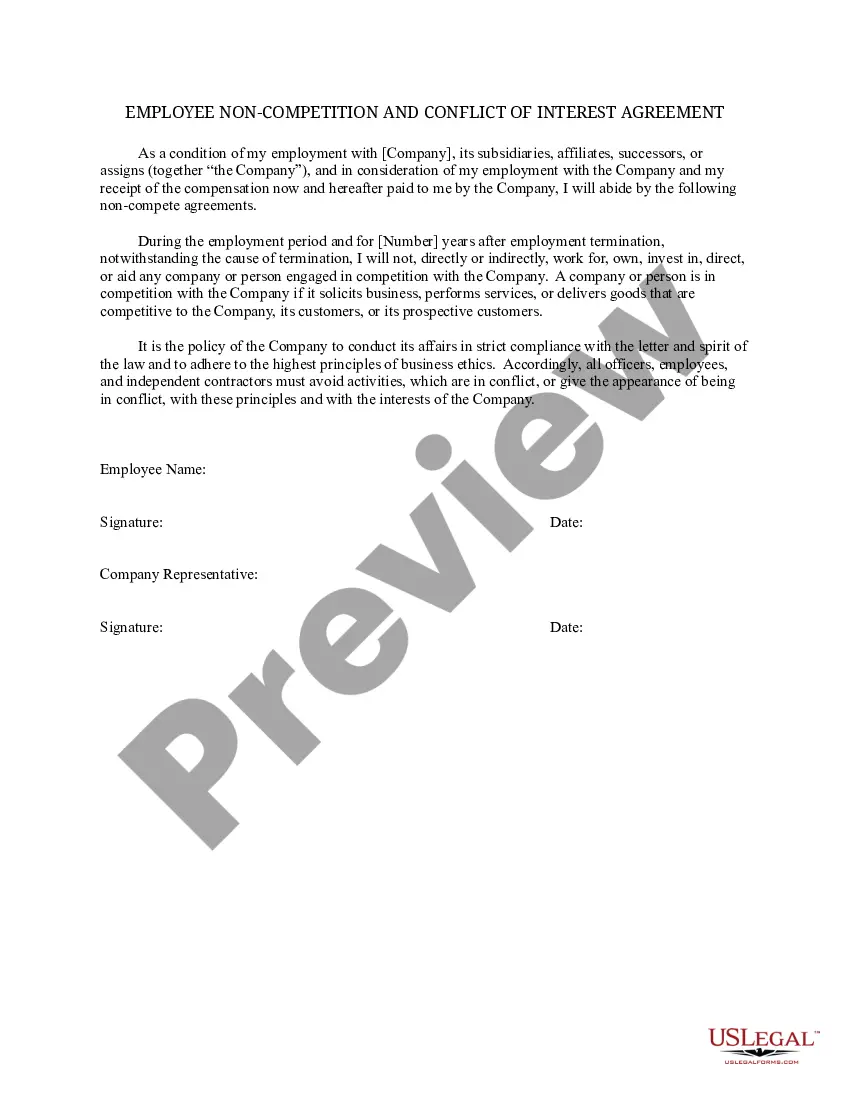
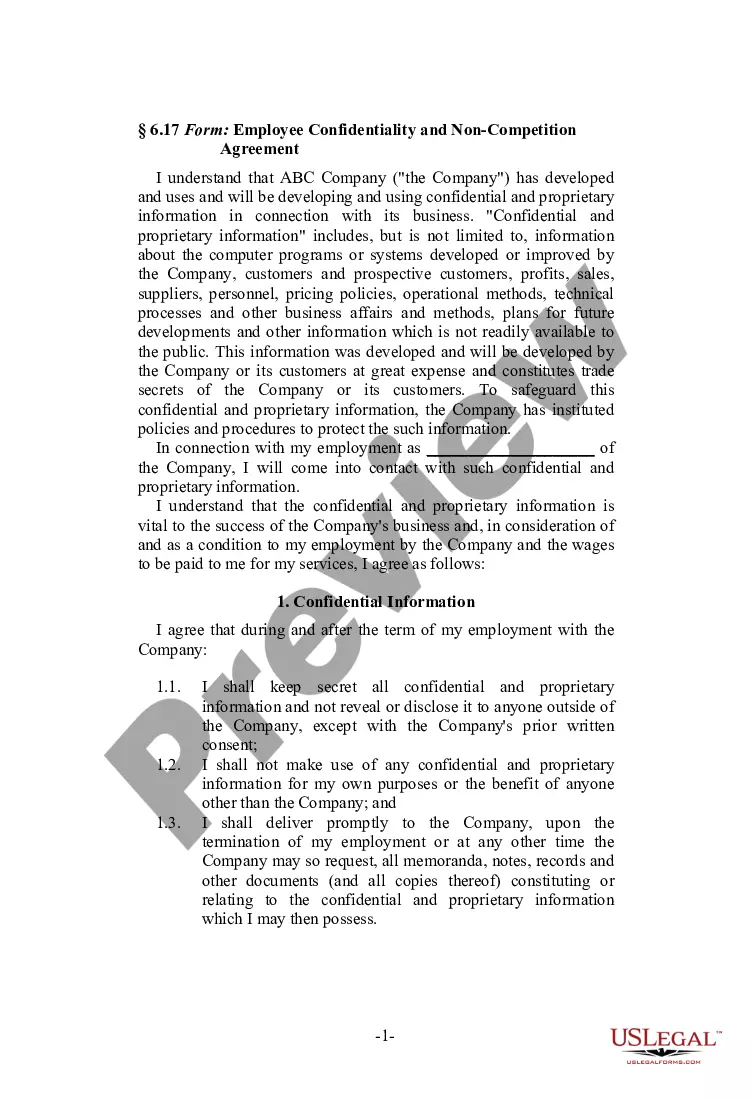
Competition Noncompetition For Employees In Allegheny
Description

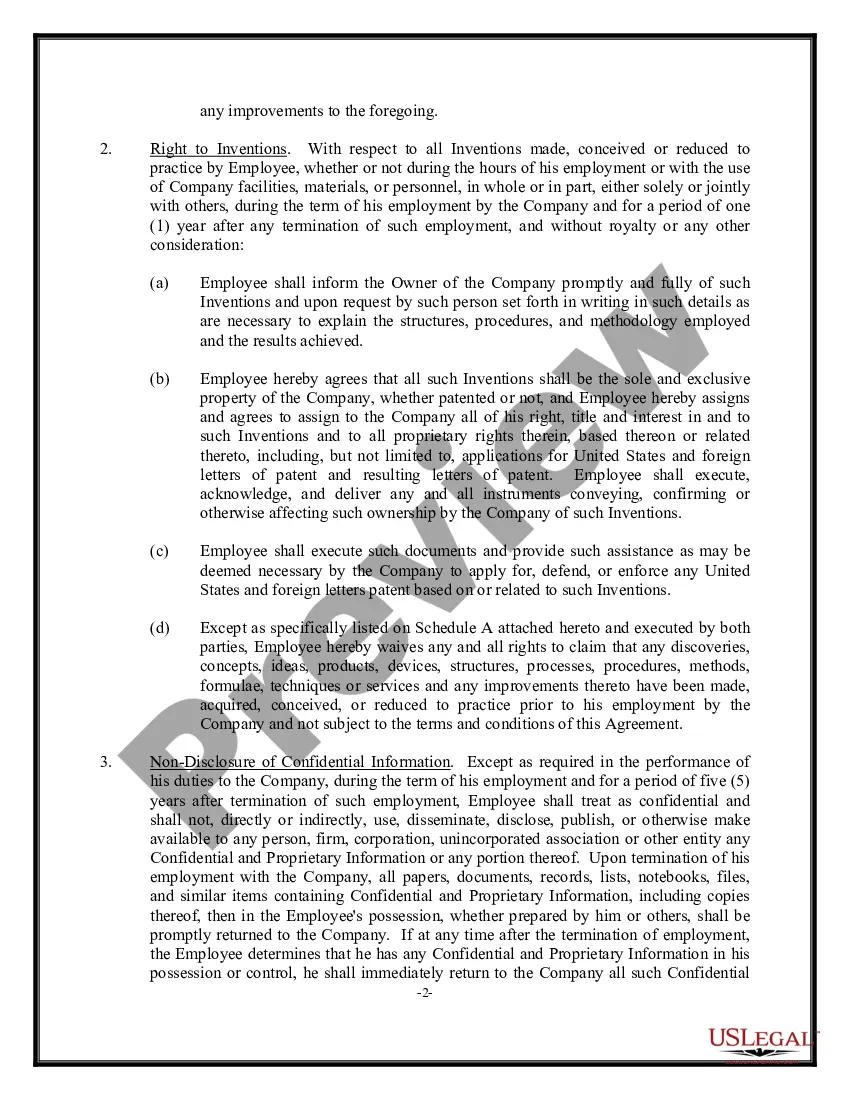
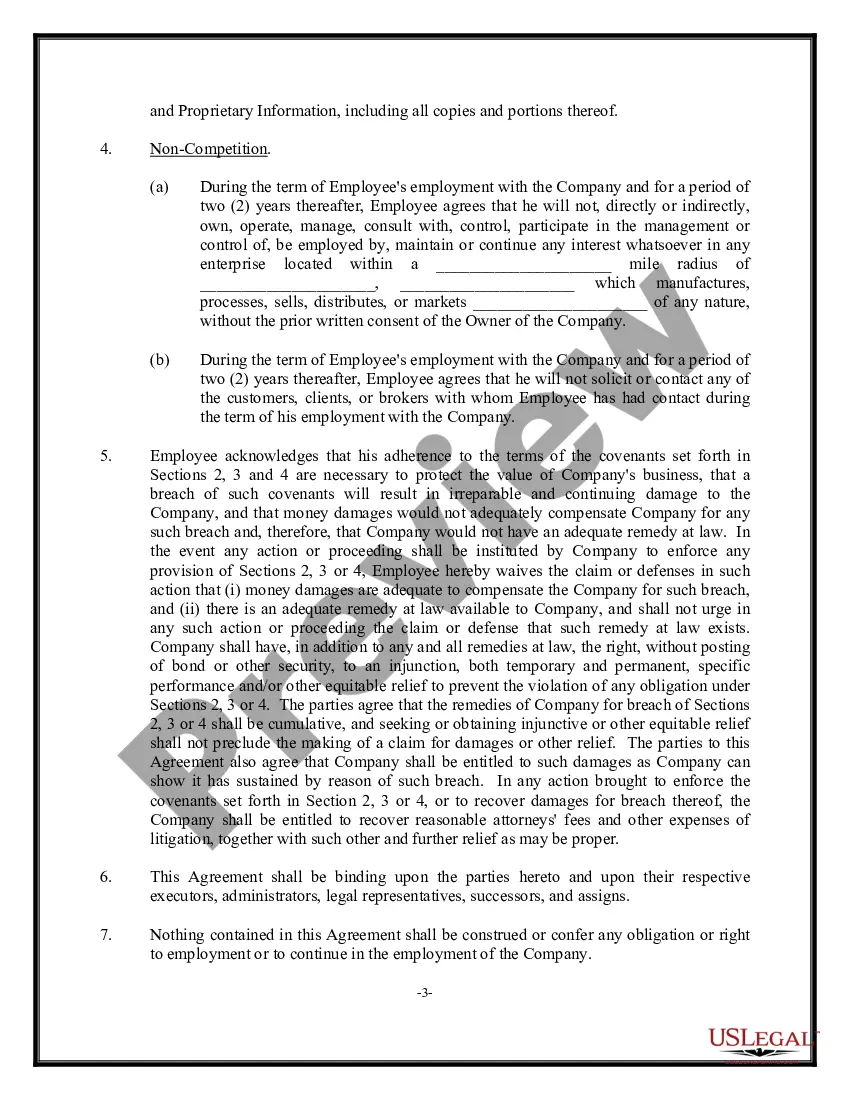
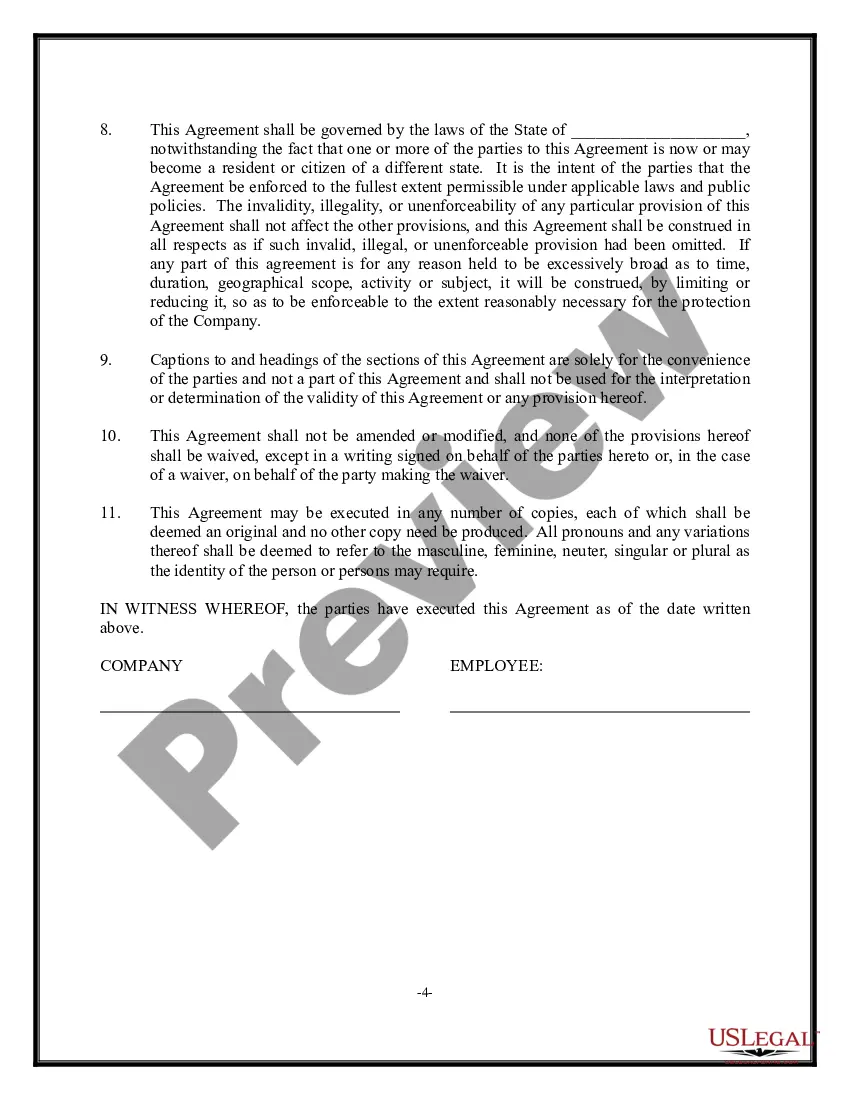
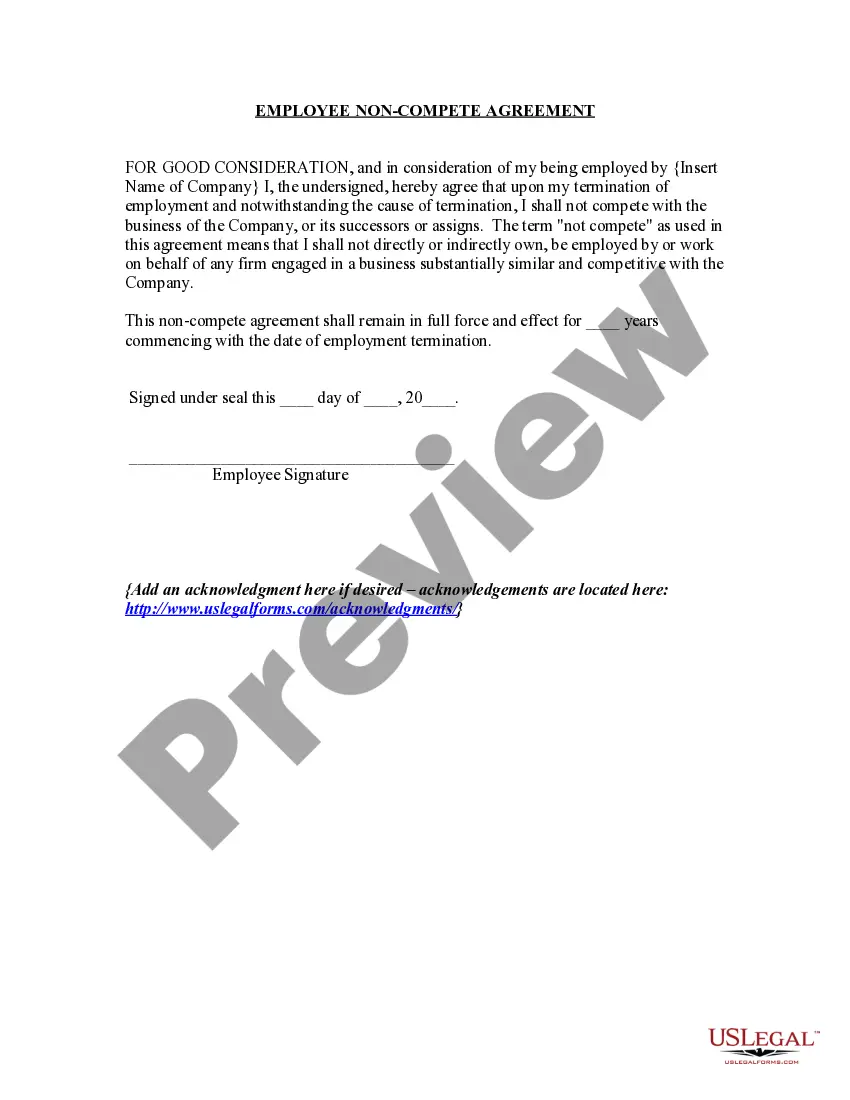
Get your form ready online
Our built-in tools help you complete, sign, share, and store your documents in one place.
Make edits, fill in missing information, and update formatting in US Legal Forms—just like you would in MS Word.
Download a copy, print it, send it by email, or mail it via USPS—whatever works best for your next step.
Sign and collect signatures with our SignNow integration. Send to multiple recipients, set reminders, and more. Go Premium to unlock E-Sign.
If this form requires notarization, complete it online through a secure video call—no need to meet a notary in person or wait for an appointment.
We protect your documents and personal data by following strict security and privacy standards.

Make edits, fill in missing information, and update formatting in US Legal Forms—just like you would in MS Word.

Download a copy, print it, send it by email, or mail it via USPS—whatever works best for your next step.

Sign and collect signatures with our SignNow integration. Send to multiple recipients, set reminders, and more. Go Premium to unlock E-Sign.

If this form requires notarization, complete it online through a secure video call—no need to meet a notary in person or wait for an appointment.

We protect your documents and personal data by following strict security and privacy standards.
Looking for another form?









Form popularity
FAQ
If the restriction on the employee is for an unusually long period of time, there's going to be a problem. One to two years is typically reasonable, while three to five years is unlikely to be upheld by a court.
Several factors can void or limit the enforceability of a non-compete agreement, including overly broad restrictions, unreasonable time frames or geographical limits, lack of consideration (such as compensation or job opportunities provided in exchange for the agreement), and violation of public policy.
Under case law, non-competes will only be enforceable if they are no wider than reasonably necessary to protect a legitimate interest (e.g. protection of confidential information or customer contacts) and are not contrary to the public interest.
A noncompete is unenforceable if it restricts an employee's ability to exercise their rights under federal law. No employer may enter into a covenant not to compete or a covenant not to solicit with any employee. Existing noncompetes are void and unenforceable, including out-of-state noncompetes.
Pennsylvania courts have generally found non-compete agreements to be enforceable if the agreement is incident to an employment relationship between the employer and employee; the restriction imposed is reasonably necessary for the protection of the employer's business interest; and the restrictions imposed are ...
Yes. It affects everyone in the US, it's a federal ruling. You simply will not have any more non compete clauses in any employment agreements, outside the handful of given exceptions. That does not mean your employer has to tolerate your working for a competitor, however. You will just be subject to termination.
A typical case might involve an executive or professional. The non-competition limitation in the employment contract might restrict the employee for a period of one (1) year from engaging in competition, “directly or indirectly”, with the employer within a radius of fifty (50) miles from the company's office.
Typically, a noncompete agreement prohibits you from working for a competitor until a set period has passed, but it may additionally ban you from completing the following actions: Starting your own company in the same industry. Contacting former customers. Utilizing skills you learned on the job.
Therefore, the short answer is: Yes, an employer can prevent an employee from going to work for a competitor... but only for a relatively short period of time, and only if the restrictions are reasonable having regard to the legitimate interests the employer is seeking to protec...
