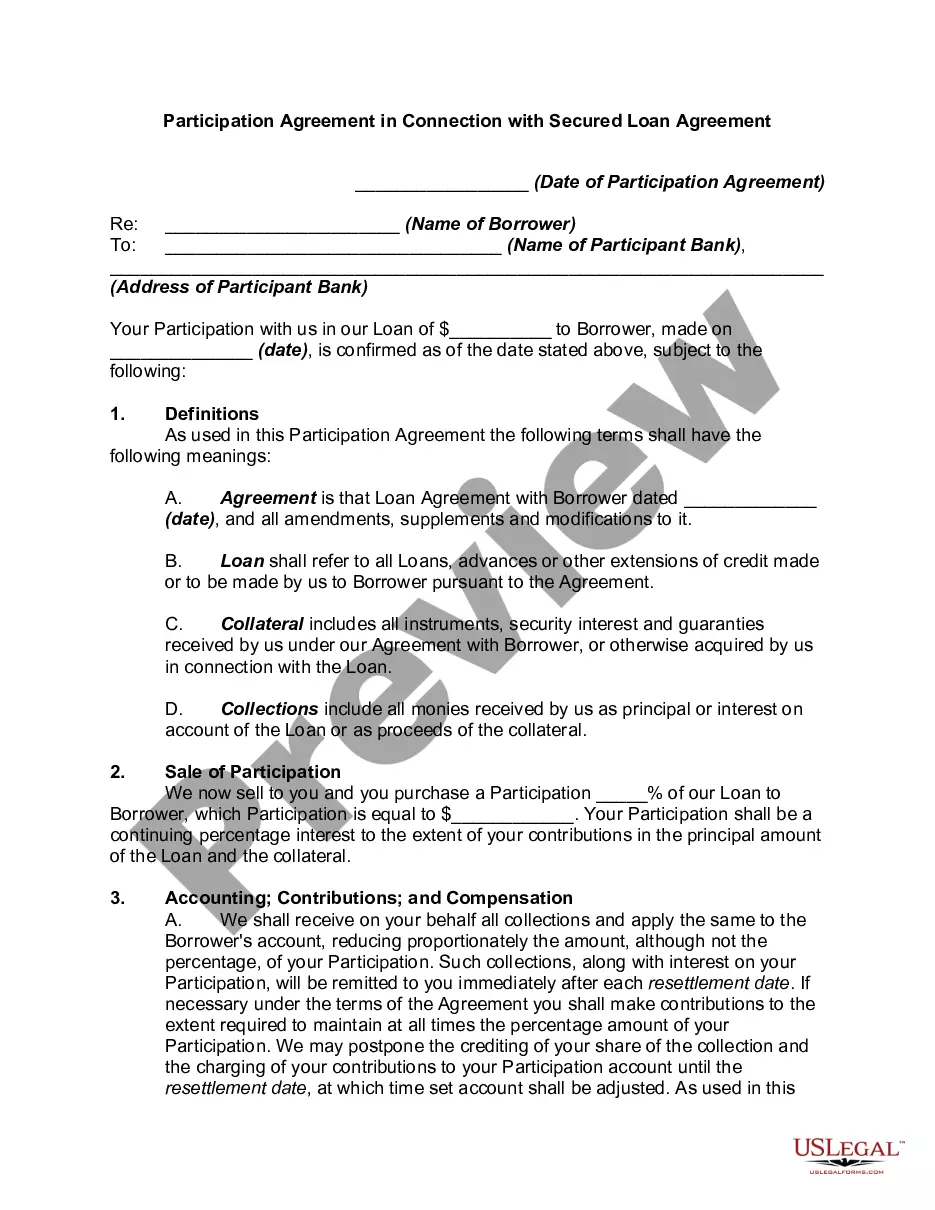
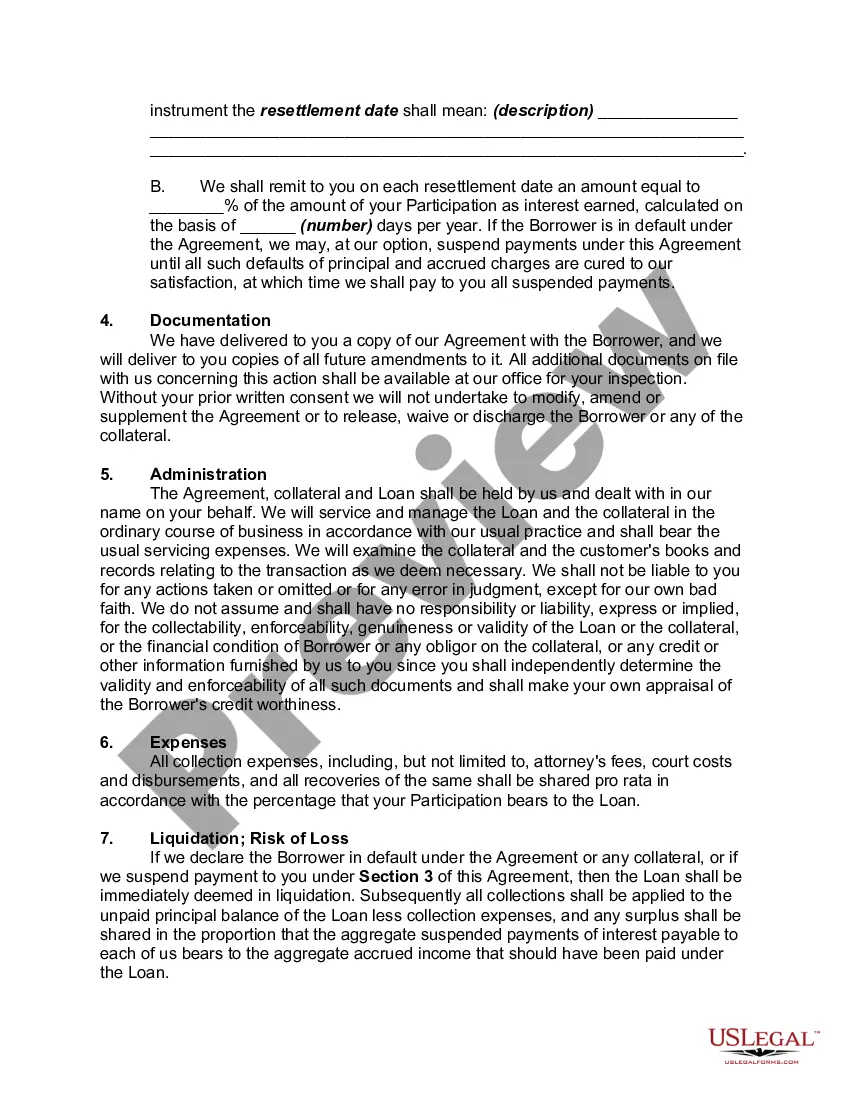
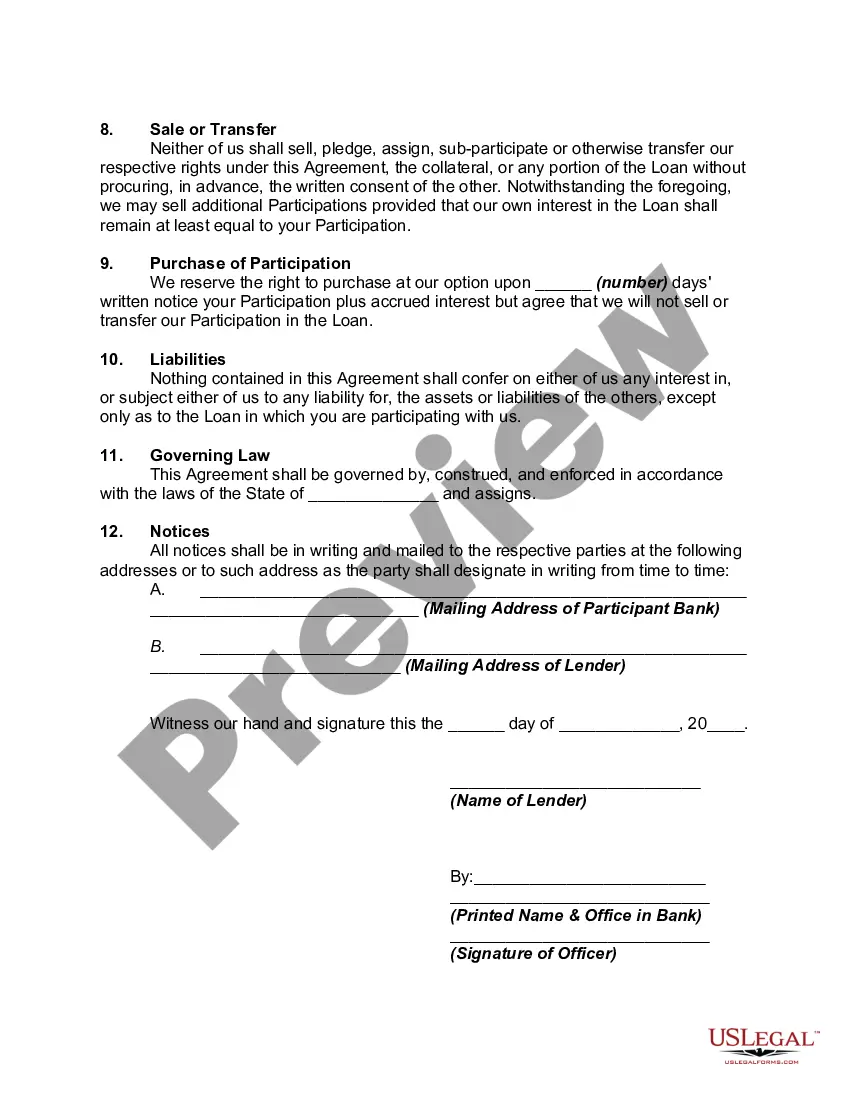
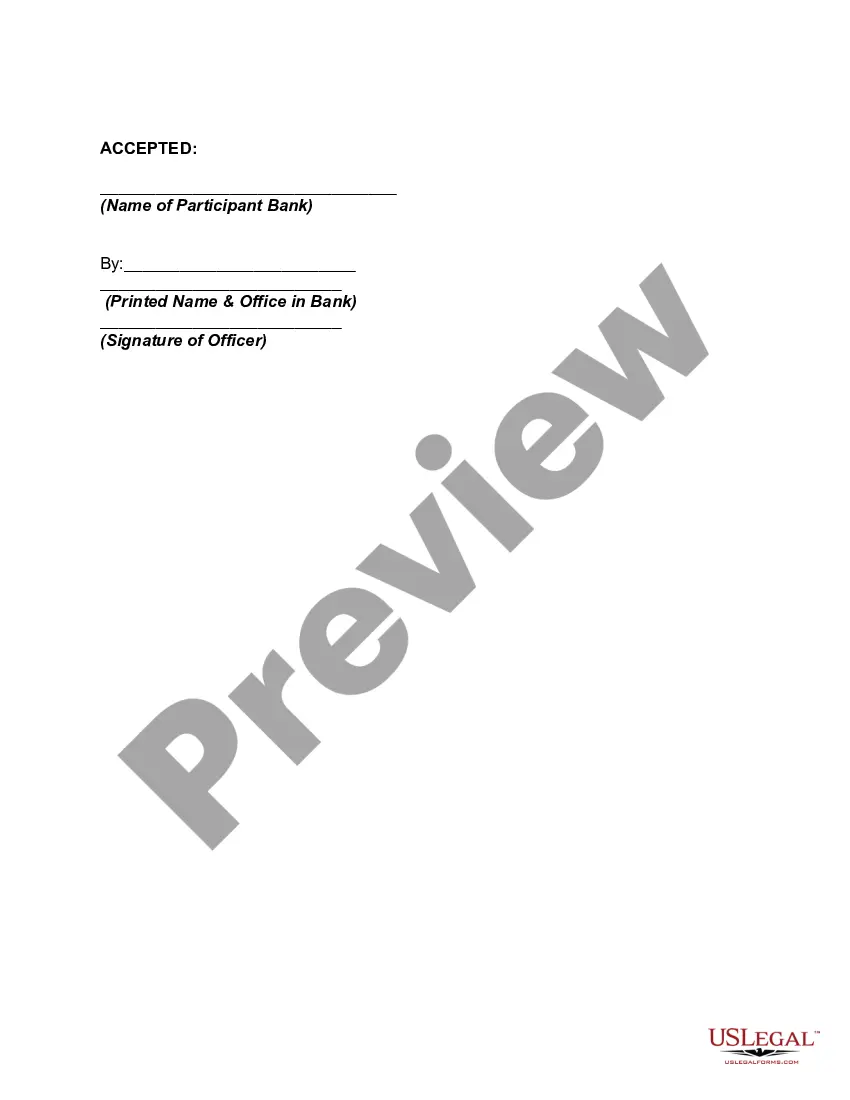
Loan Participation Agreement Template With Personal Guarantee In Queens
Description
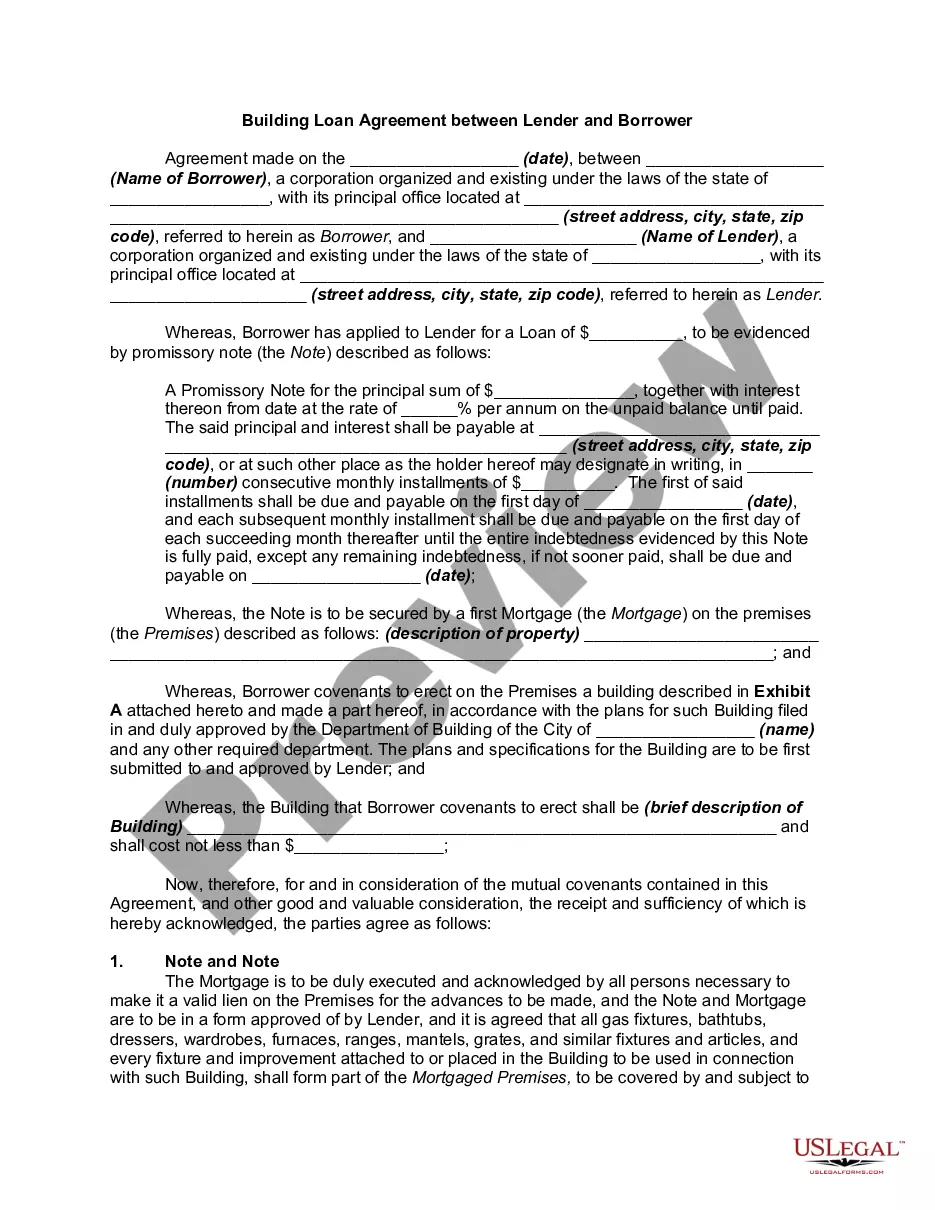
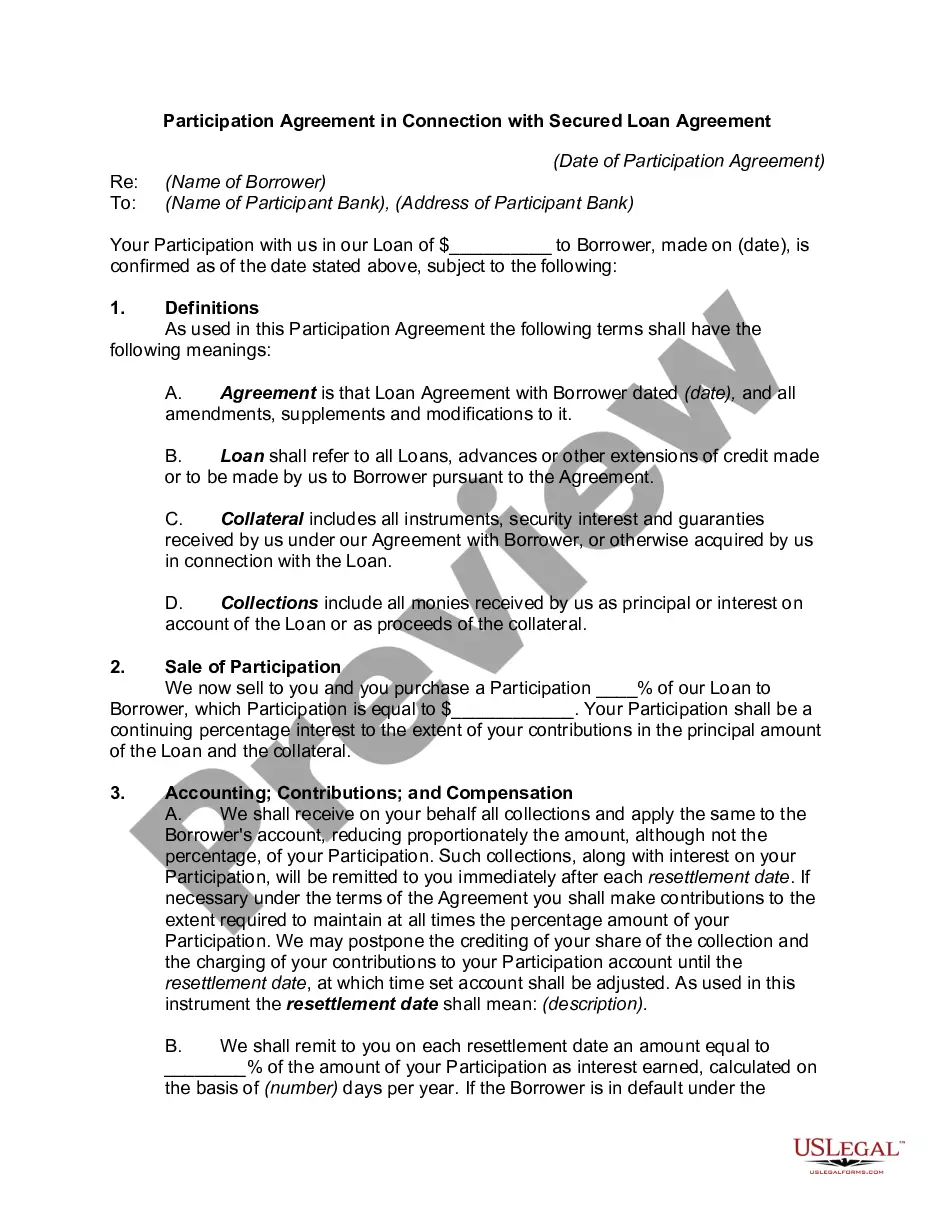
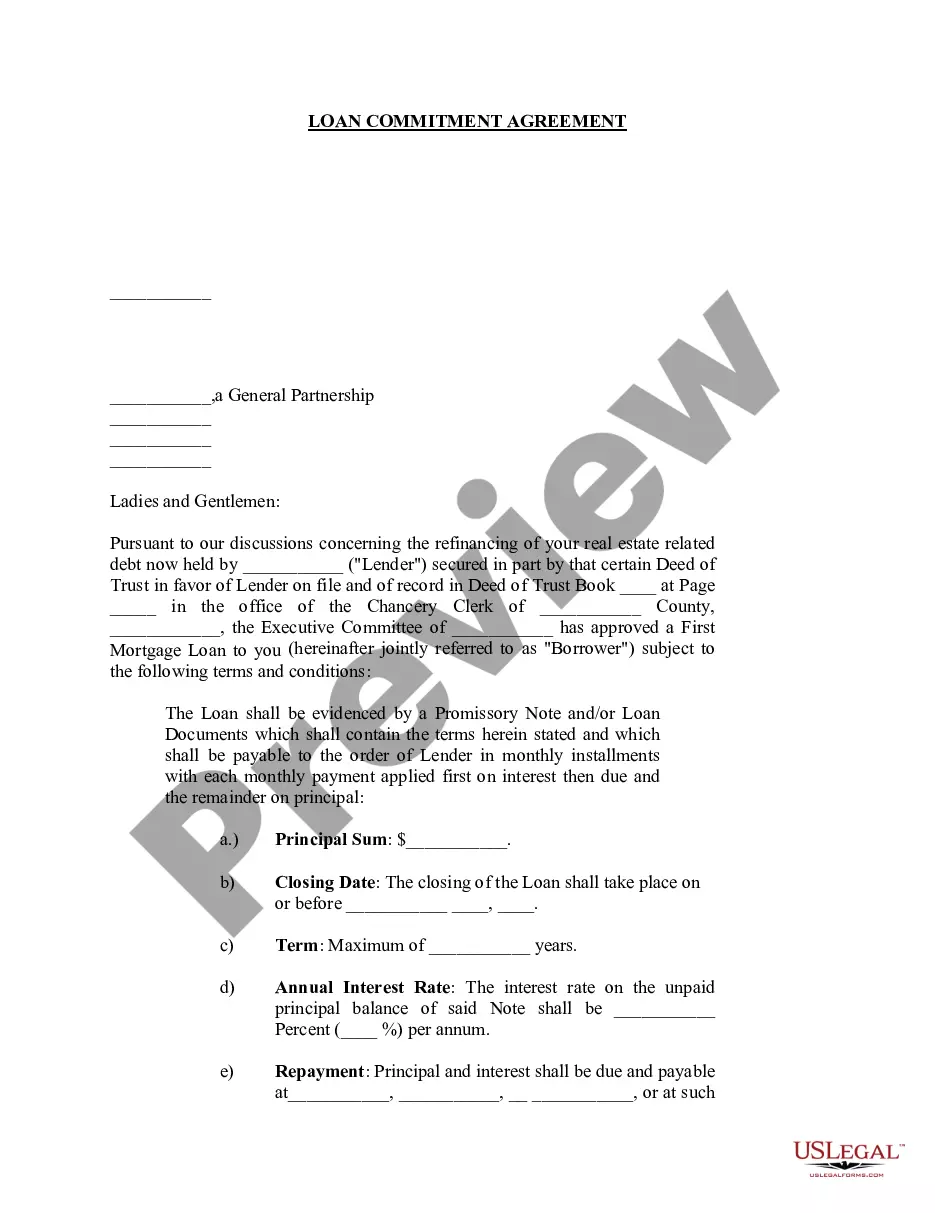
Get your form ready online
Our built-in tools help you complete, sign, share, and store your documents in one place.
Make edits, fill in missing information, and update formatting in US Legal Forms—just like you would in MS Word.
Download a copy, print it, send it by email, or mail it via USPS—whatever works best for your next step.
Sign and collect signatures with our SignNow integration. Send to multiple recipients, set reminders, and more. Go Premium to unlock E-Sign.
If this form requires notarization, complete it online through a secure video call—no need to meet a notary in person or wait for an appointment.
We protect your documents and personal data by following strict security and privacy standards.

Make edits, fill in missing information, and update formatting in US Legal Forms—just like you would in MS Word.

Download a copy, print it, send it by email, or mail it via USPS—whatever works best for your next step.

Sign and collect signatures with our SignNow integration. Send to multiple recipients, set reminders, and more. Go Premium to unlock E-Sign.

If this form requires notarization, complete it online through a secure video call—no need to meet a notary in person or wait for an appointment.

We protect your documents and personal data by following strict security and privacy standards.
Looking for another form?










Form popularity
FAQ
If you're asking whether you need a lawyer to draft a contract, legally, the answer is no. Anyone can draft a contract on their own and as long as the elements above are included and both parties are legally competent and consent to the agreement, it is generally lawful.
It can also result in the following consequences: Your personal credit declines if you can't make the payments. Your business credit declines if you can't make the payments. You could lose any collateral tied to the guarantee (e.g., equipment, home, car).
The most direct risk of a personal guarantee is the potential loss of personal assets. This can include savings, real estate, vehicles, and even retirement accounts. In the event of a default, these assets could be seized by the lender to satisfy the debt.
Your personal guarantee may be unenforceable due to circumstances outside of your contract. This may include being misled by the creditor, if a key fact was omitted from the contract, co-guarantor issues, suspicions of fraud, or if the facility provided by the bank changed significantly since you signed the guarantee.
How can a personal guarantee be enforced? Demand Letters: The process often begins with the creditor sending a demand letter to the personal guarantor. Legal Action: If the personal guarantor fails to respond or refuses to comply with the demand letter, the creditor may pursue legal action.
Corporate credit cards that are issued to an individual are another example of a personal guarantee. The individual or employee is responsible for the debt that the organization takes on and the overall spending on the credit card. Here, the cardholder takes the role of a guarantor.
The form of the personal guarantee:The guarantee must be evidenced in writing. Section 4 of the Statute of Frauds 1677 stipulates that in order to be enforceable, a Personal Guarantee (or some memorandum or note of the guarantee) must be in writing and signed by the Guarantor or a person authorised by the Guarantor.
Answer and Explanation: Yes, a personal guarantee has to be notarized. The individual involved in notarizing the pledge acts as a witness for the contract. Therefore, if the individual who signed in to be the guarantor fails, the creditor can use it against them, which calls for a court case.
Language to Use Use clear and concise language when drafting a personal guarantee. Make sure the language is easy to understand and unambiguous. Include a statement that the guarantor will be legally responsible for the debt. Specify the period of time that the guarantee is valid.
