Bulk Transfer Without Consent Db In Oakland
Description
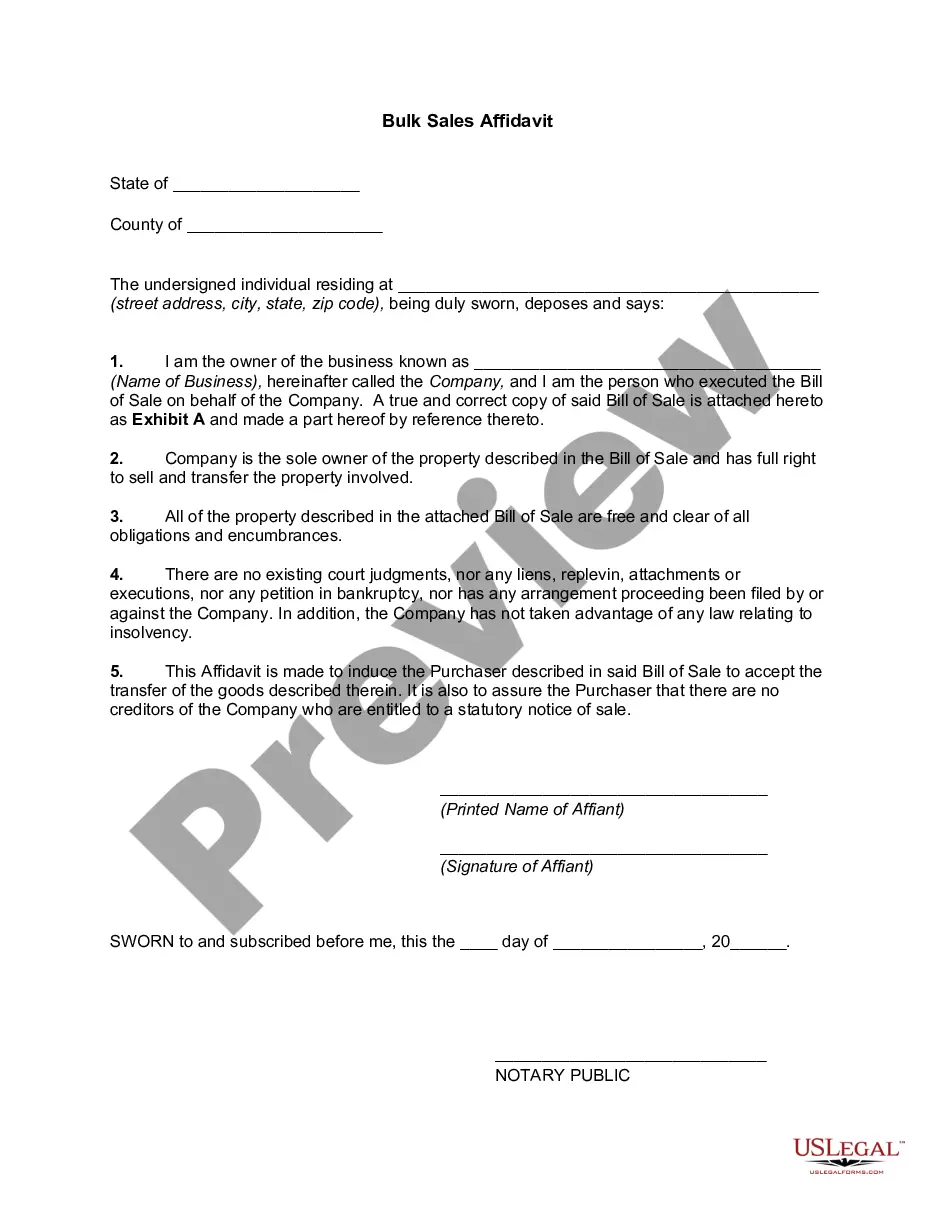
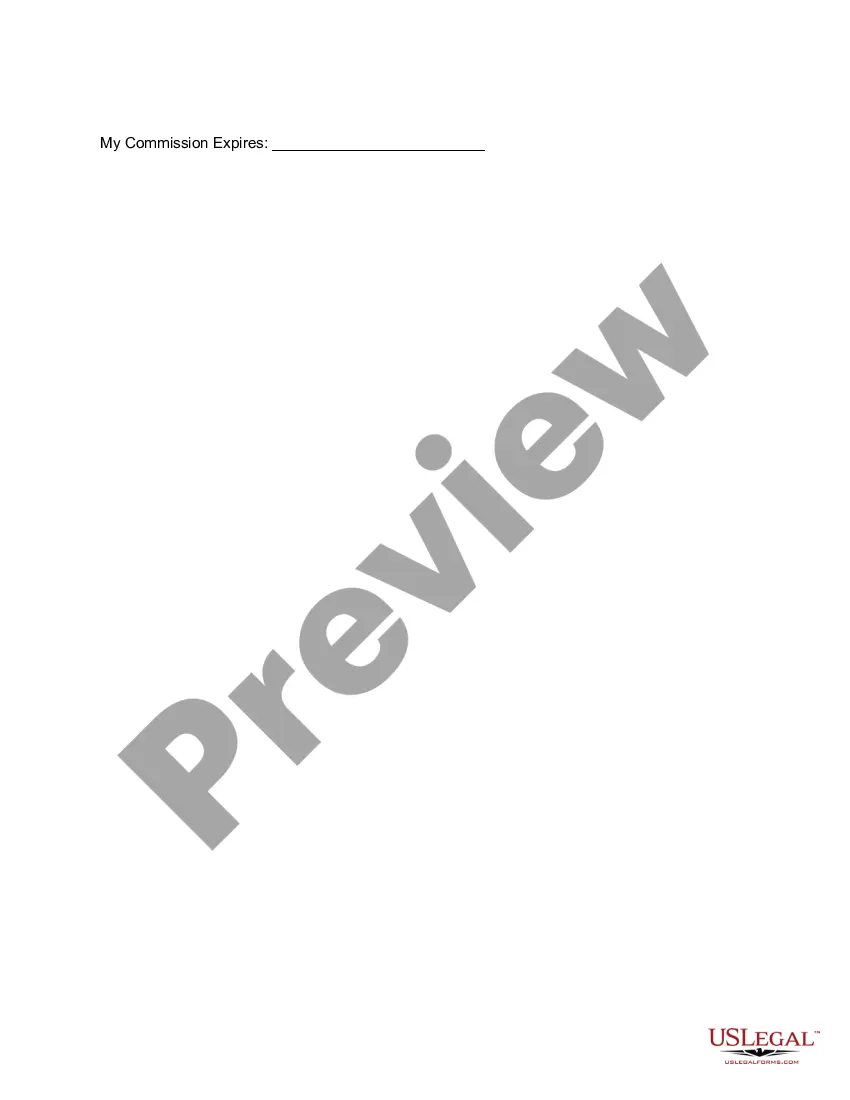
Get your form ready online
Our built-in tools help you complete, sign, share, and store your documents in one place.
Make edits, fill in missing information, and update formatting in US Legal Forms—just like you would in MS Word.
Download a copy, print it, send it by email, or mail it via USPS—whatever works best for your next step.
Sign and collect signatures with our SignNow integration. Send to multiple recipients, set reminders, and more. Go Premium to unlock E-Sign.
If this form requires notarization, complete it online through a secure video call—no need to meet a notary in person or wait for an appointment.
We protect your documents and personal data by following strict security and privacy standards.

Make edits, fill in missing information, and update formatting in US Legal Forms—just like you would in MS Word.

Download a copy, print it, send it by email, or mail it via USPS—whatever works best for your next step.

Sign and collect signatures with our SignNow integration. Send to multiple recipients, set reminders, and more. Go Premium to unlock E-Sign.

If this form requires notarization, complete it online through a secure video call—no need to meet a notary in person or wait for an appointment.

We protect your documents and personal data by following strict security and privacy standards.
Looking for another form?

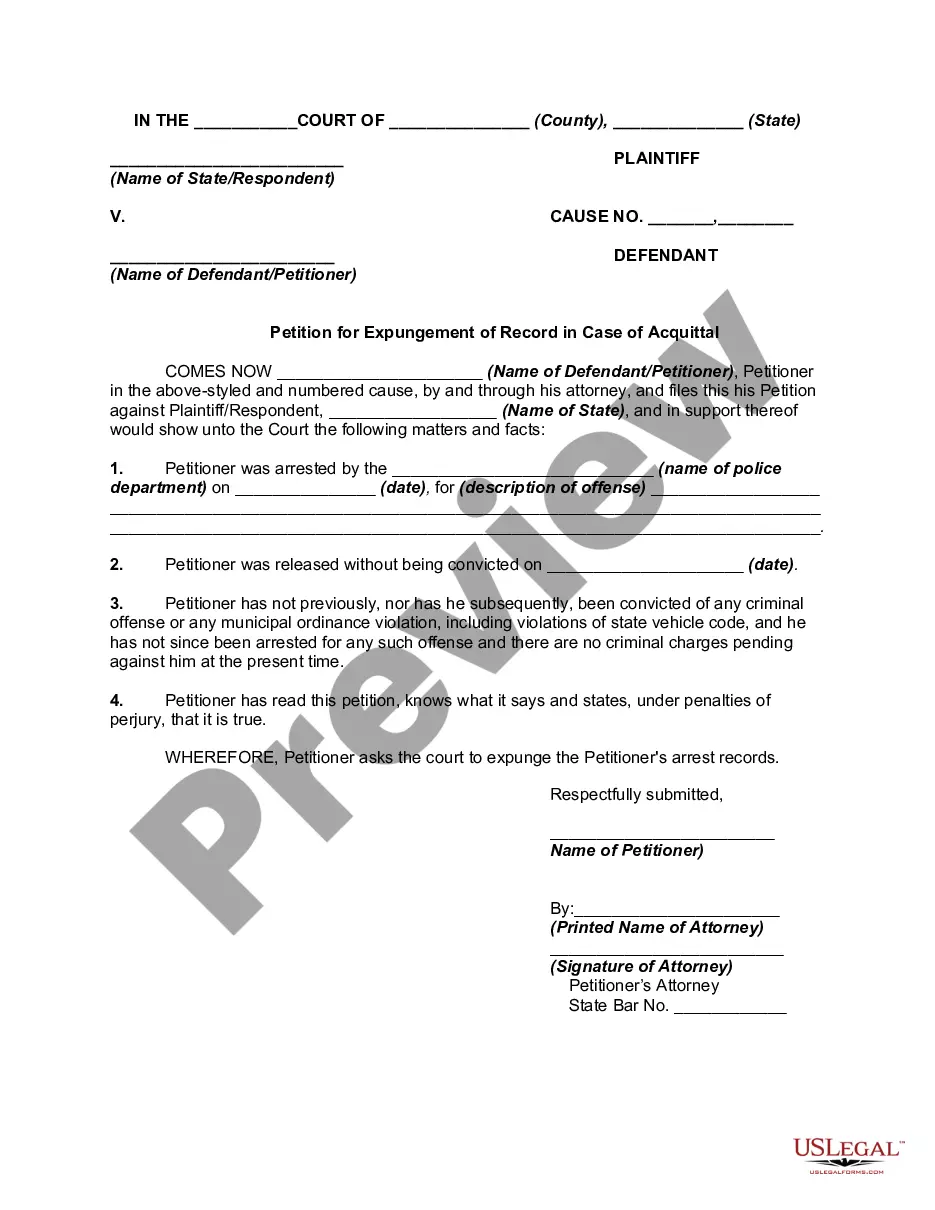

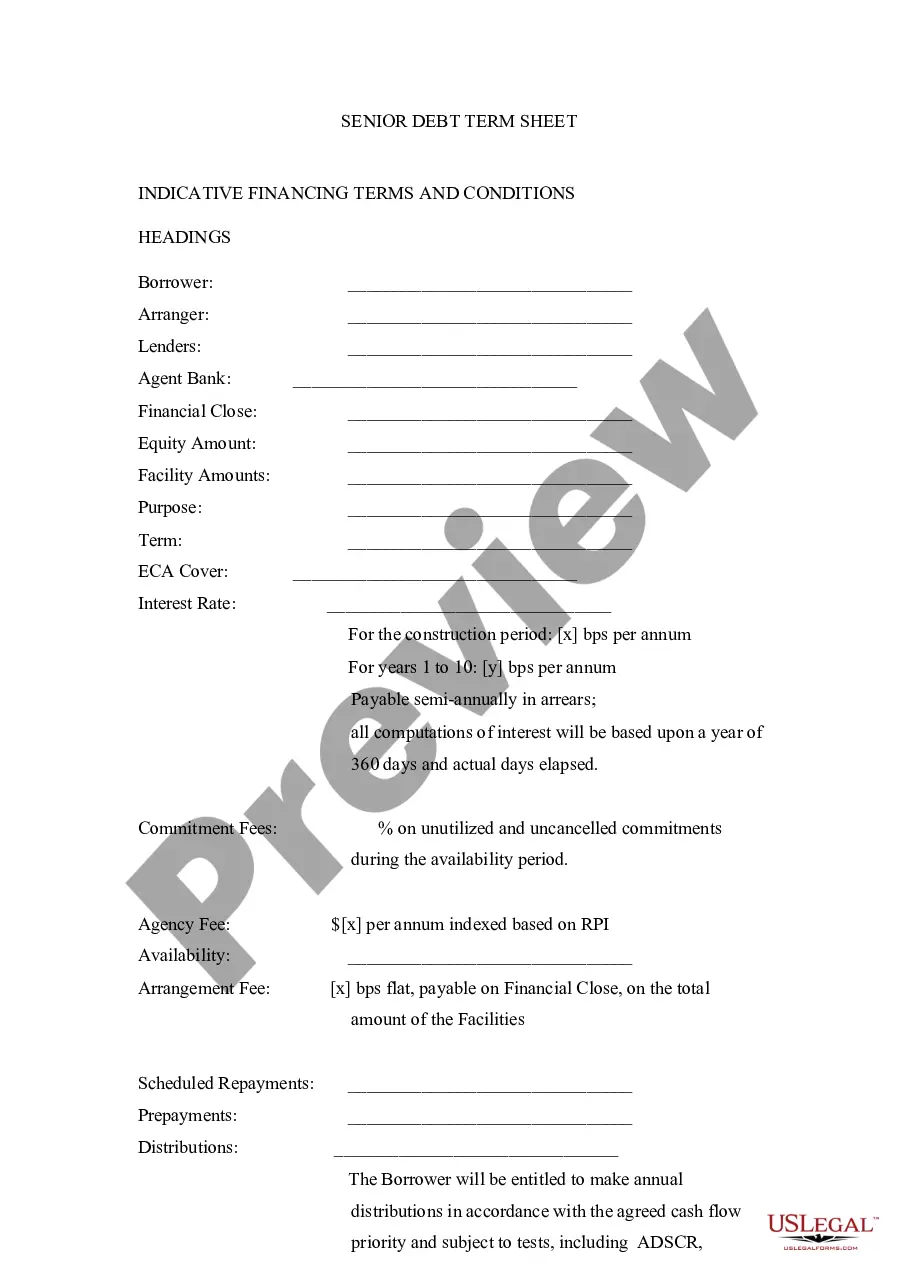



Form popularity
FAQ
Defined benefit plans provide a fixed, pre-established benefit for employees at retirement. Employees often value the fixed benefit provided by this type of plan. On the employer side, businesses can generally contribute (and therefore deduct) more each year than in defined contribution plans.
It's wise to be cautious when exploring your options. While a defined benefit pension transfer can offer advantages, there are circumstances where it may not be advisable. If you have health issues or a strong need for a guaranteed income throughout retirement, retaining stability and security is usually more suitable.
Risk transfer is the process of transferring the risks associated with defined benefit (DB) arrangements away from a pension scheme, usually to an insurance company in the form of buy-ins and buyouts or through a longevity swap. This process is also known as “de-risking”.
The key elements of a “Bulk Sale” are: any sale outside the ordinary course of the Seller's business. of more than half the Seller's inventory and equipment. as measured by the fair market value on the date of the Bulk Sale Agreement (“Agreement”).
At least twelve days before the closing date, buyers must file the Bulk Sales Notice with the associated County Recorder in which the assets are located and, if different, the Recorder with the county in which the Seller lives.
If the Buyer fails to comply with these terms, the sale proceeds as usual, but they assume responsibility for liability payments equal to the difference between the creditor's owed debts and the amount the creditor may have obtained if the Buyer complied with California Bulk Sale Law.
While most states have repealed their bulk sales statutes, in some states across the U.S., such as California, Delaware, Illinois, New Jersey and Pennsylvania, the practice of bulk sales compliance remains alive and well.
Block transfer This is where a group of employees elect to transfer funds from a legacy pension into their new pension scheme, often prompted by their employer, adviser or new provider.
